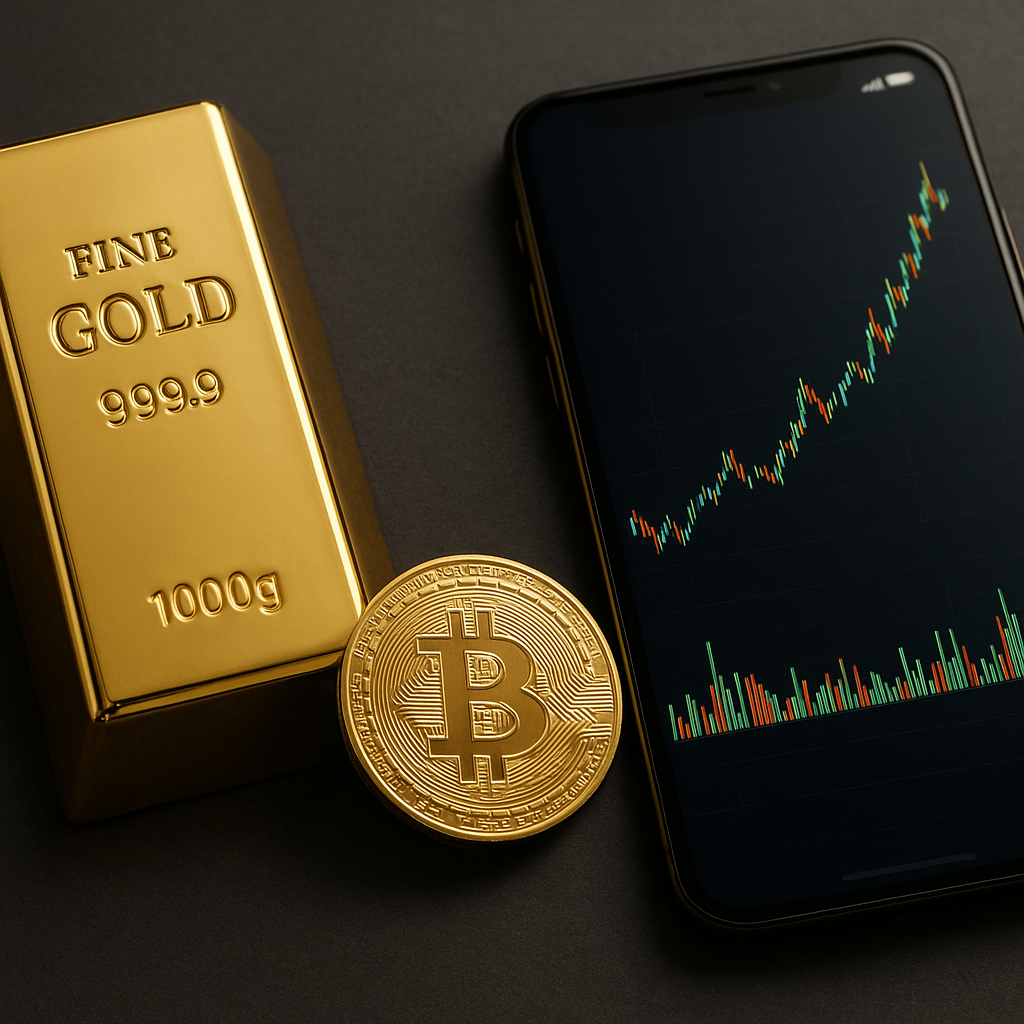
The integration of gold into cryptocurrency-backed tokens has gained traction as investors seek a blend of traditional value and modern decentralization. By leveraging the enduring appeal of the precious metal alongside the technical advantages of blockchain networks, these tokens aim to provide enhanced security, liquidity, and reduced volatility compared to purely digital assets. Understanding how global gold price movements influence token performance is essential for market participants, regulators, and developers exploring this innovative frontier.
Gold as a Stable Asset in Tokenization
Physical gold has served as a time-honored store of value, underpinning monetary systems for centuries. Tokenization transforms each gram or ounce of gold into a digital representation on a blockchain, allowing holders to trade, transfer, and redeem it with unparalleled efficiency. Key advantages include:
- Transparency: Every token is backed by allocated gold held in audited vaults, ensuring clear proof of reserve.
- Fractional ownership: Investors can acquire micro-shares of gold without dealing with high-value bullion or storage logistics.
- Instant settlement: Blockchain-based transfers settle near-instantly, avoiding the delays typical of traditional bullion trades.
- Global access: Anyone with an internet connection can participate, bypassing geographical barriers.
Tokens pegged to gold reserves can serve as a hedge against inflation and currency devaluation. In volatile markets, the intrinsic reserve value embedded in these tokens bolsters investor confidence. However, ensuring credible third-party audits and stringent custodial protocols remains crucial to maintaining trust.
The Dynamics of World Gold Prices and Crypto Tokens
Gold Price Drivers
Global gold prices fluctuate based on a matrix of economic, geopolitical, and market-specific factors. Central bank reserves, interest rate expectations, and macroeconomic indicators like CPI and GDP growth heavily influence demand. Tensions in major economies, currency debasement fears, and shifts in investment sentiment further drive price swings.
Impact on Token Valuation
Since each token represents a claim on physical gold, its market value tracks spot prices closely. When gold rallies during crises, token prices typically ascend in tandem. Conversely, periods of rising real yields or a strengthening US dollar can drag both bullion and its digital equivalents downward. Traders must therefore monitor:
- International gold exchange data (e.g., LBMA, COMEX).
- Currency movements, especially USD fluctuations.
- Central bank buying or selling activities.
- Macro risk factors and safe-haven flows.
By understanding these correlations, token issuers can structure products offering dynamic exposure or yield features. For instance, some platforms introduce staking rewards denominated in token fractions to incentivize long-term holdings during sideways markets.
Technical and Regulatory Considerations
Building a trustworthy gold-backed token requires robust technological and legal frameworks. On the technical front, smart contract design must incorporate mechanisms for minting, burning, and auditing. Ensuring the smart contract remains immutable yet upgradeable under strict governance rules is essential to prevent vulnerabilities. Key features include:
- Multi-signature custody controls for vault withdrawals.
- Automated proof-of-reserve reporting via oracles.
- Integration with KYC/AML systems to comply with global standards.
From a regulatory standpoint, gold-backed tokens often straddle the line between commodities and securities. Jurisdictions vary widely in their classification of digital assets. Entities issuing these tokens must navigate licensing regimes, adhere to anti-money laundering regulations, and secure permissions for cross-border gold movements. The lack of a unified global framework can pose challenges:
- Regulatory fragmentation: Differing rules in Europe, Asia, and the Americas.
- Custody requirements: Varying vault security standards and insurer mandates.
- Tax treatment: Inconsistent VAT and capital gains tax policies on token trades.
Regulation that aligns digital asset laws with traditional commodity statutes will be vital to foster mainstream adoption without stifling innovation.
Future Outlook for Gold-Backed Cryptocurrency Tokens
The convergence of bullion markets with blockchain promises to revolutionize how investors access and trade physical assets. As tokenization matures, we can expect:
- Enhanced interoperability: Gold tokens integrated across DeFi platforms as collateral for loans or yield farming.
- Stablecoin synergies: Hybrid models combining fiat-backed and gold-backed reserves for diversified stability.
- Fractional NFTs: Unique digital certificates representing collectible or historical gold pieces.
- Institutional uptake: Greater adoption by banks, funds, and commodity traders seeking efficient settlement solutions.
Ultimately, the success of gold-backed tokens hinges on maintaining rigorous operational standards, transparent tokenization protocols, and regulatory clarity. When executed properly, these instruments can deliver the age-old reliability of gold with the transformative power of modern blockchain technology, offering a compelling addition to diversified portfolios.