The preference of some investors for silver over gold often raises eyebrows among market watchers. While gold has long been considered the ultimate safe haven asset, silver carries its own set of unique attributes that make it attractive in diverse economic climates. This article explores the interplay between world gold price trends and the factors that drive certain market participants to favor silver. From industrial applications to portfolio strategies, we examine why silver merits renewed attention and how it complements the broader spectrum of precious metals.
Silver’s Unique Position in Precious Metals
Silver is frequently overshadowed by its more illustrious cousin, gold. However, it boasts distinctive qualities that appeal to a subset of investors. Historically, silver has served both as currency and as a key industrial input. In modern markets, its dual role underpins its value proposition:
- Industrial Demand: Approximately half of annual silver consumption is industrial. Electronics, solar panels, and medical devices rely on silver’s high conductivity and antimicrobial properties.
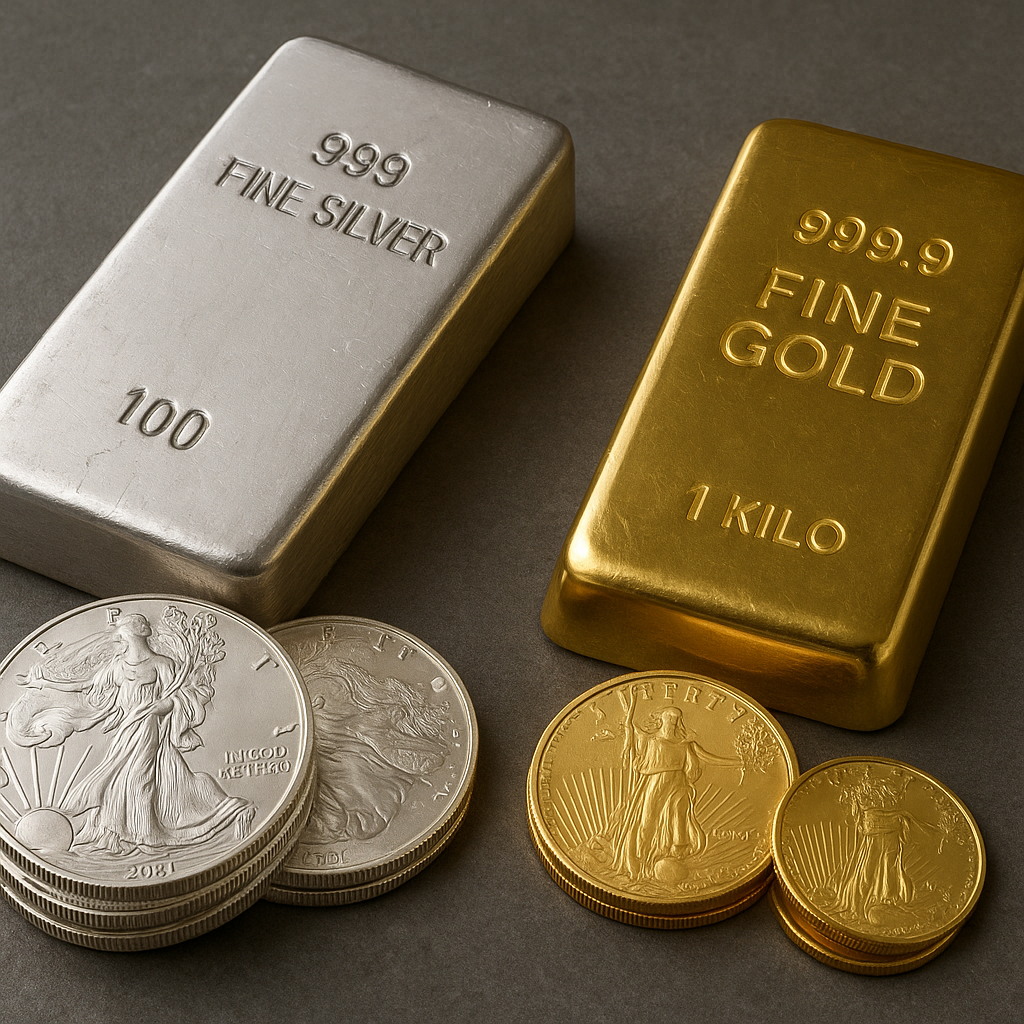
- Monetary Heritage: Silver coins and bullion rounds remain accessible for small-scale holdings, providing an entry point into the metals market with lower capital requirements than gold.
- Volatility Profile: While higher volatility can be a drawback, it also creates opportunities for price-driven gains in shorter timeframes.
These characteristics position silver as both a commodity and a monetary asset, offering exposure to manufacturing cycles and financial market dynamics simultaneously.
Market Dynamics and Price Drivers
The trajectory of the world gold price often sets the tone for the entire precious metals complex. Yet, silver can diverge from gold due to distinct supply-demand drivers. Key influences include:
Industrial vs. Investment Demand
- Surges in manufacturing activity can propel silver prices independently of gold, especially during technological expansions.
- Investment demand—ETF inflows, physical bar and coin purchases—tracks closely with gold when inflation fears or geopolitical tensions rise.
Supply Constraints
- Primary silver mines often produce silver as a byproduct of copper, lead or zinc mining. Fluctuations in base metal output thus ripple into silver supply.
- Recycling channels add flexibility to silver availability, but collection rates vary with scrap prices and industrial usage patterns.
Monetary Policy and Inflationary Pressures
As central banks navigate inflation risks, precious metals respond to real interest rate expectations. Historically:
- Negative real rates boost the appeal of both silver and gold as stores of value.
- Market perception of currency debasement can spark sharp rallies in metal prices, though silver’s higher sensitivity amplifies moves.
These dynamics underscore the interplay between macroeconomic policy and the divergent price behaviors of silver and gold.
Investor Strategies and Portfolio Diversification
Incorporating silver into an investment portfolio requires careful calibration. Many financial advisors advocate a balanced metals allocation to achieve optimal diversification. Consider the following approaches:
Allocating a Silver Component
- Strategic Weighting: Allotting 5–10% of total assets to precious metals can include a 20–30% silver slice, balancing safety and upside potential.
- Coin vs. ETF Exposure: Physical silver coins offer tangible ownership and liquidity, while ETFs provide easier trading and lower storage costs.
Hedging Market Risks
During episodes of extreme equity volatility, silver often outperforms gold on the upside. Traders exploit this by:
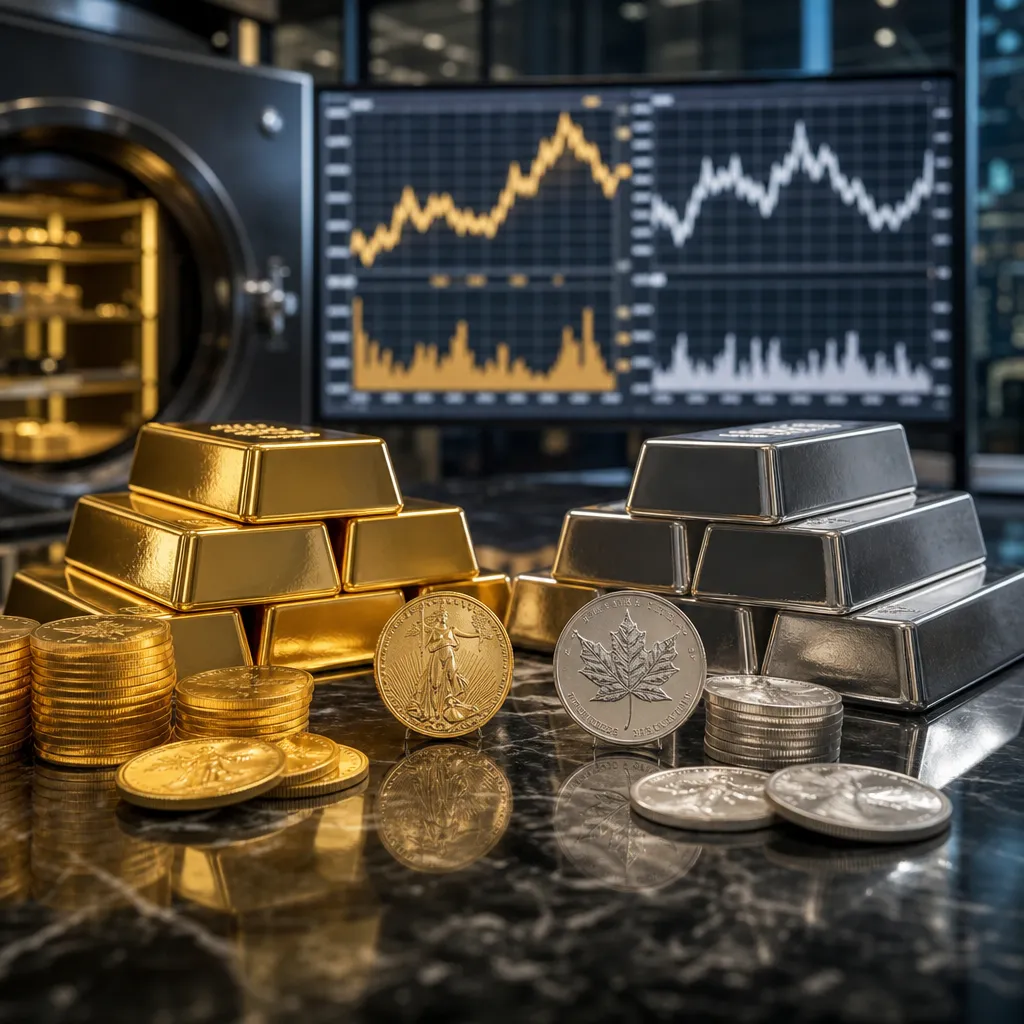
- Pair Trades: Long silver and short gold positions capture outperformance when industrial growth expectations eclipse safe-haven flows.
- Option Strategies: Buying silver call options can yield leveraged exposure at predefined risk levels.
Liquidity Considerations
Silver’s smaller market capitalization relative to gold can present both advantages and challenges:
- Advantages: Deep liquidity in exchange-traded vehicles ensures efficient price discovery and tight bid-ask spreads.
- Challenges: Physical silver markets may encounter local supply shortages or delivery delays, especially during extreme demand spikes.
Ultimately, aligning silver allocation with risk tolerance and investment horizon enhances overall portfolio resilience against inflationary or deflationary episodes.
Future Outlook in the Context of World Gold Price
As global economic conditions evolve, the correlation between silver and gold prices may shift. Forecasting this relationship involves analyzing both metal-specific catalysts and broader market sentiment:
- Technological Innovation: Growth in renewable energy sectors promises sustained industrial demand for silver, potentially decoupling it from gold’s safe-haven status.
- Monetary Regimes: Should central banks maintain loose policies, both metals stand to benefit—but silver’s higher beta could produce sharper rallies.
- Supply Developments: Discoveries of new primary silver deposits or breakthroughs in recycling could moderate long-term price swings.
With the world gold price often dominating headlines, silver remains a potent alternative for those seeking a blend of industrial leverage and monetary insurance. For investors aiming to navigate uncertain markets, silver’s distinctive role among precious metals ensures its continued relevance in diversified portfolios.