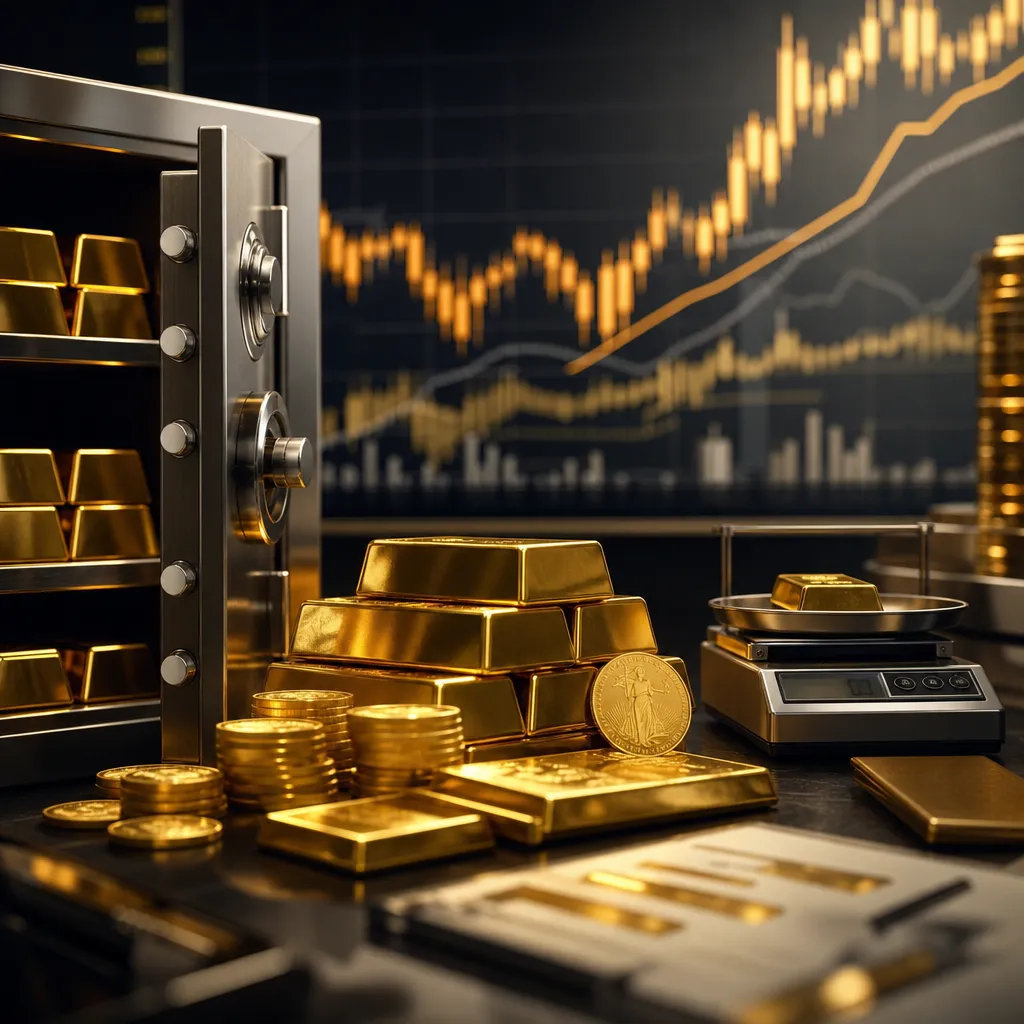
The relationship between central banks’ gold purchases and the world gold price reveals much about modern monetary policy, geopolitical strategies, and global market dynamics. As major financial institutions adjust their reserve portfolios, their actions send ripples across commodity exchanges, currency markets, and investors’ sentiment. This article examines how these decisions shape the broader environment surrounding gold, influencing everything from price trends to international relations.
Central Bank Accumulation Strategies
Over the past decade, numerous central banks have ramped up their bullion acquisitions, viewing gold as a key pillar of financial stability and diversification. Countries such as Russia, China, and India have added substantial quantities to their reserves, signaling a shift away from an exclusive reliance on currencies like the US dollar or the euro. Several factors underlie this trend:
- Reserve Optimization: By increasing gold holdings, banks can balance the risk profile of their assets, reducing exposure to currency blocs and potential devaluation.
- Inflation Hedging: Gold is often perceived as a robust hedge against rising consumer prices and weakening purchasing power, prompting banks to bolster their portfolios ahead of anticipated inflationary cycles.
- Geopolitical Buffer: In times of diplomatic tension, gold functions as a neutral store of value, less likely to be affected by financial sanctions or cross-border liquidity constraints.
These acquisition strategies vary among institutions. Some employ steady monthly purchases to avoid market jolts, while others accumulate opportunistically, capitalizing on dips in the world gold price or favorable currency exchange rates. Regardless of the approach, the aggregate demand from central banks has become a formidable force in gold’s supply-demand balance.
Impact on World Gold Price Dynamics
Central bank buying can directly elevate global prices by tightening available supply. When national institutions announce significant quarterly purchases, trading floors in London, New York, and Shanghai often react with immediate price upticks. The mechanisms at play include:
- Price signaling: Public disclosures of large-scale acquisitions serve as a bullish signal, encouraging private investors to follow suit.
- Market liquidity shifts: As official purchases withdraw physical bars from dealers and vaults, the ratio of readily tradable gold diminishes, especially in the short term.
- Forward guidance: Central banks’ communicated intentions regarding future gold policies can shape derivative instruments and futures contracts, influencing near-term price expectations.
Empirical studies show that a 100-tonne annual increase in net central bank purchases can raise the average gold price by several percent, depending on prevailing market conditions. For example, during periods of heightened global uncertainty—such as credit crises or trade tensions—demand for gold intensifies, amplifying price sensitivity to official buying. Conversely, when central bank acquisitions slow or stagnate, liquidity typically improves and price momentum may wane.
Geopolitical and Monetary Implications
Beyond pure economics, gold stockpiling carries significant geopolitical weight. By diversifying reserves into gold, nations reduce direct dependence on other states’ monetary instruments, effectively wire-cutting the potential impact of sanctions or dollar-centric financial measures. Key implications include:
- Strategic Autonomy: Increased gold reserves can weaken a country’s vulnerability to external pressure, granting policymakers greater freedom in foreign policy decisions.
- Currency Confidence: A government’s commitment to maintaining substantial gold stockpiles often bolsters domestic and international faith in its currency’s value, mitigating capital flight.
- Market Perception: When large economies publicly target higher gold allocations, private market players—funds, family offices, and high-net-worth individuals—often interpret this as an admonition against overreliance on fiat money.
In certain regions, notably emerging markets, central bank gold purchases reflect a broader strategy to insulate national economies from the volatility of global credit cycles. For example, during currency crises, central banks may deploy gold-backed loan arrangements to secure foreign funding at favorable rates. Such maneuvers underscore the dual monetary and strategic utility of bullion in contemporary finance.
Supply Considerations: Mines, Recycling, and Dealer Inventories
While central bank demand intensifies, the global gold supply comprises three main sources: mining output, recycled scrap, and dealer inventories. Each segment responds differently to shifts in official buying patterns:
- Mine Production: New supply from mining operations grows incrementally but cannot quickly adjust to sudden surges in central bank demand. Long lead times for exploration and environmental regulations further constrain responsiveness.
- Scrap Recycling: Elevated gold prices incentivize households and jewelers to sell unused jewelry and scrap. However, recycling introduces supply lag, as market participants often wait for optimal sell prices.
- Dealer Stocks: Bullion banks and wholesale dealers maintain buffer inventories to facilitate trading. Significant reductions in these stocks, driven by central bank acquisitions, can tighten the market and increase volatility.
When aggregated central bank purchases approach or exceed annual mine output growth, the market faces a genuine supply squeeze, leading to more pronounced price swings and heightened speculative interest. Conversely, if central banks pause acquisitions, a replenishment in dealer inventories can stabilize prices, fostering a more balanced demand-supply environment.
Future Outlook for Gold Market Influence
Looking ahead, central banks remain poised to shape gold pricing trajectories. Several evolving factors will determine the extent and nature of their impact:
- Digital Currencies: As some central banks explore digital versions of their national currencies, gold’s role as a non-digital store of value may become even more pronounced, prompting further official accumulation.
- Global Debt Levels: High sovereign debt across major economies could incentivize a shift toward gold to diversify risk and manage inflationary pressures emanating from expansive fiscal policies.
- Economic Cycles: In a potential global slowdown, central banks may lean on gold to reassure markets and shore up confidence, driving additional purchases.
Furthermore, cooperative agreements among central banks—such as swap lines backed by gold collateral—could enhance liquidity, offering fresh mechanisms to navigate future crises. As this intricate interplay of policy, market psychology, and supply dynamics continues, the world gold price will remain a barometer of geopolitical trust and financial stability.