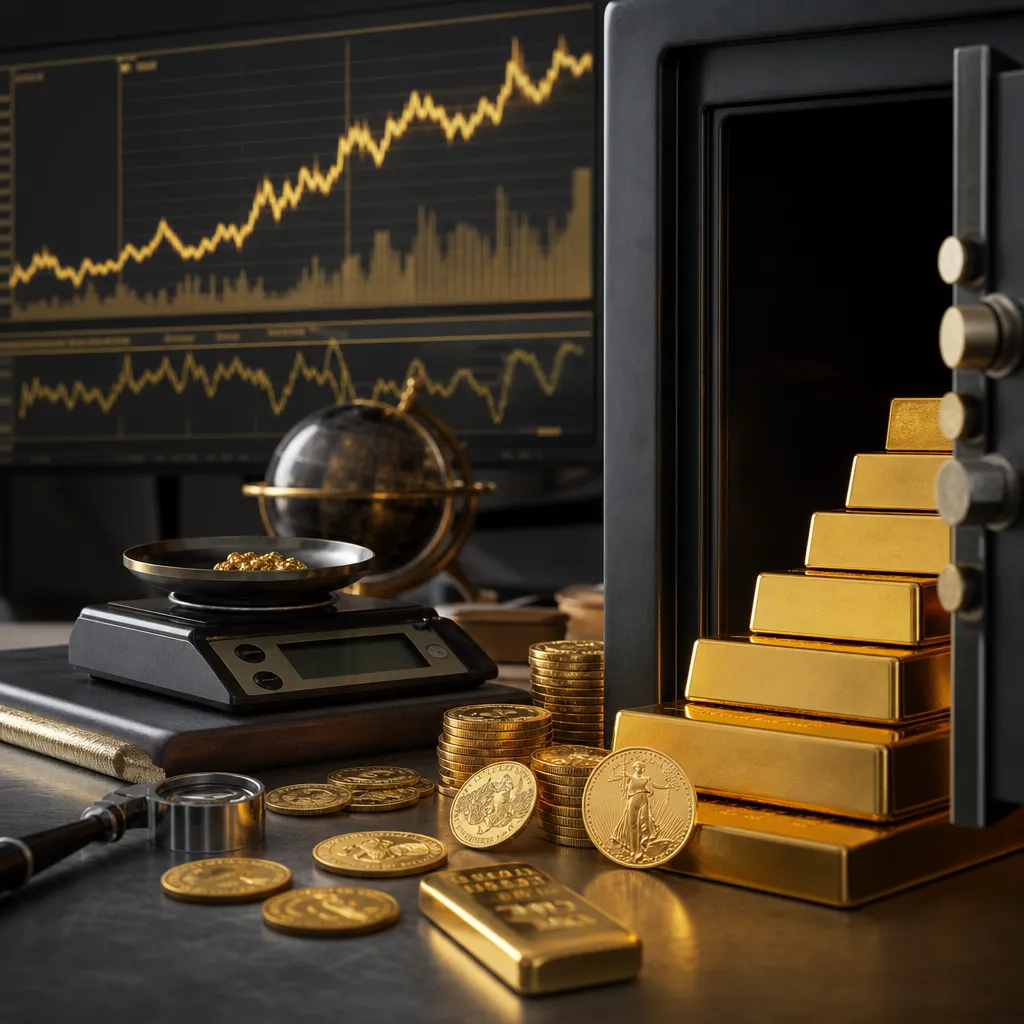
Gold has captivated human societies across centuries, serving as a symbol of wealth, a hedge against uncertainty, and a cultural touchstone that transcends borders. Its allure extends beyond mere material value, reflecting deeply rooted traditions, emotional bonds, and perceptions of security. As global markets fluctuate, understanding how cultural dimensions shape gold purchasing patterns offers valuable insight into the interplay between heritage and economics.
Cultural Influences on Gold Demand
In many regions, gold is more than an asset—it is a cornerstone of social rituals and life milestones. Festivals, weddings, and religious ceremonies often feature lavish displays of gold jewelry and ornaments, reinforcing its role as a marker of status and goodwill. For instance, in India and parts of the Middle East, gifting gold during weddings not only symbolizes familial ties but also functions as a financial safeguard for brides.
Traditional Significance
- Heritage: Family heirlooms, passed down generations, carry emotional resonance.
- Rituals: Ceremonial offerings in temples and shrines often include gold coins or statues.
- Status: Displaying gold wealth affirms social standing in community gatherings.
These practices underscore the intrinsic relationship between gold and identity. Beyond its purchase as an investment, gold often embodies a cultural covenant that binds families and communities.
Regional Variations
Patterns of gold buying vary widely. In Asia, for example, the onset of wedding season can trigger a surge in demand, pushing local premiums above global benchmark prices. By contrast, Western economies typically emphasize gold as part of a diversified financial portfolio, with purchases driven more by macroeconomic factors than by ceremonial customs.
Economic Implications and World Gold Price
The global price of gold is determined by a complex matrix of supply, demand, and investor sentiment. While futures markets and central bank policies directly influence price movements, cultural buying patterns inject notable fluctuations at specific times of the year.
Seasonal Demand Spikes
- Indian wedding season (October–December) can account for up to 20% of annual demand.
- Chinese New Year celebrations often drive purchases of gold ingots and small jewelry items.
- Middle Eastern festivals, such as Eid, stimulate increased retail sales.
These cyclical surges contribute to short-term upward pressure on global prices, especially when they coincide with supply constraints or geopolitical tensions.
Inflation and Risk Hedging
Throughout history, gold has been regarded as a reliable defense against inflation and currency depreciation. In times of economic turmoil—characterized by rising prices, monetary easing, or geopolitical friction—demand for gold typically escalates. Investors view gold as a haven asset, capable of preserving purchasing power when equity and bond markets waver.
- Volatility in stock markets often correlates with influxes of funds into gold.
- Central banks may adjust reserves, adding gold to bolster their balance sheets.
- Retail investors diversify holdings to mitigate systemic risk.
Psychological Drivers and Consumer Behavior
Beyond cultural tradition and macroeconomic signals, complex psychological forces guide gold buying decisions. Perceptions of safety, desire for tangible assets, and herd behavior all shape consumer sentiment.
Security and Certainty
In an age of digital transactions and intangible assets, gold represents a tactile, unforgeable store of value. This tangibility bolsters confidence in times of uncertainty. Studies show that individuals with lower trust in financial institutions display higher propensity to hold gold in physical form rather than in exchange-traded instruments.
Herd Mentality and Social Proof
- Media coverage of rising gold prices can trigger speculative buying.
- Social networks inform purchase decisions through shared experiences and advice.
- Visible accumulation by peers or community leaders reinforces group trends.
The psychological concept of social proof intensifies during periods of economic doubt, as consumers follow the perceived wisdom of their peers, reinforcing demand cycles.
Regional Perspectives on Gold Buying
Different markets exhibit unique consumption profiles, affecting both pricing and distribution strategies.
Asia-Pacific
The Asia-Pacific region remains the world’s largest gold consumer, fueled by cultural ceremonies and rising affluence. Urbanization and expanding middle classes in China and India have expanded retail networks, making gold more accessible in urban centers. Promotional campaigns, including installment financing and digital loyalty programs, have further spurred demand.
Middle East and Africa
Gold souks and open-air markets in the Middle East continue to thrive, blending tradition with modern retail infrastructure. Gold bars and customized jewelry designs cater to both investors and fashion-conscious buyers. In parts of Africa, gold serves as both currency substitute and investment, especially where banking services are limited.
Western Markets
In Europe and North America, gold’s appeal is tied largely to financial diversification. Exchange-traded funds (ETFs) and gold-backed digital platforms offer streamlined access, enabling investors to adjust positions quickly in response to market shifts. Nonetheless, niche markets for artisanal jewelry and collectible coins persist, reflecting an enduring cultural appreciation for craftsmanship.
Strategies for Investors and Retailers
Understanding the dual nature of gold—as both cultural artifact and financial asset—enables stakeholders to optimize their approach.
For Investors
- Balance physical bullion with gold-linked securities to manage risk and liquidity.
- Monitor cultural calendars to anticipate demand-driven price movements.
- Stay informed on central bank policies and global macroeconomic indicators.
For Retailers
- Tailor marketing campaigns to local customs and festival seasons.
- Offer flexible payment plans and digital engagement tools.
- Emphasize authentication and purity guarantees to build trust.
Future Outlook
As digital technologies evolve, new channels—such as blockchain-based gold tokens—promise to reshape accessibility and ownership models. Nonetheless, cultural underpinnings will continue to drive core patterns of consumption. Recognizing the interplay between tradition, psychology, and macroeconomics remains essential for navigating the ever-shifting landscape of world gold prices.