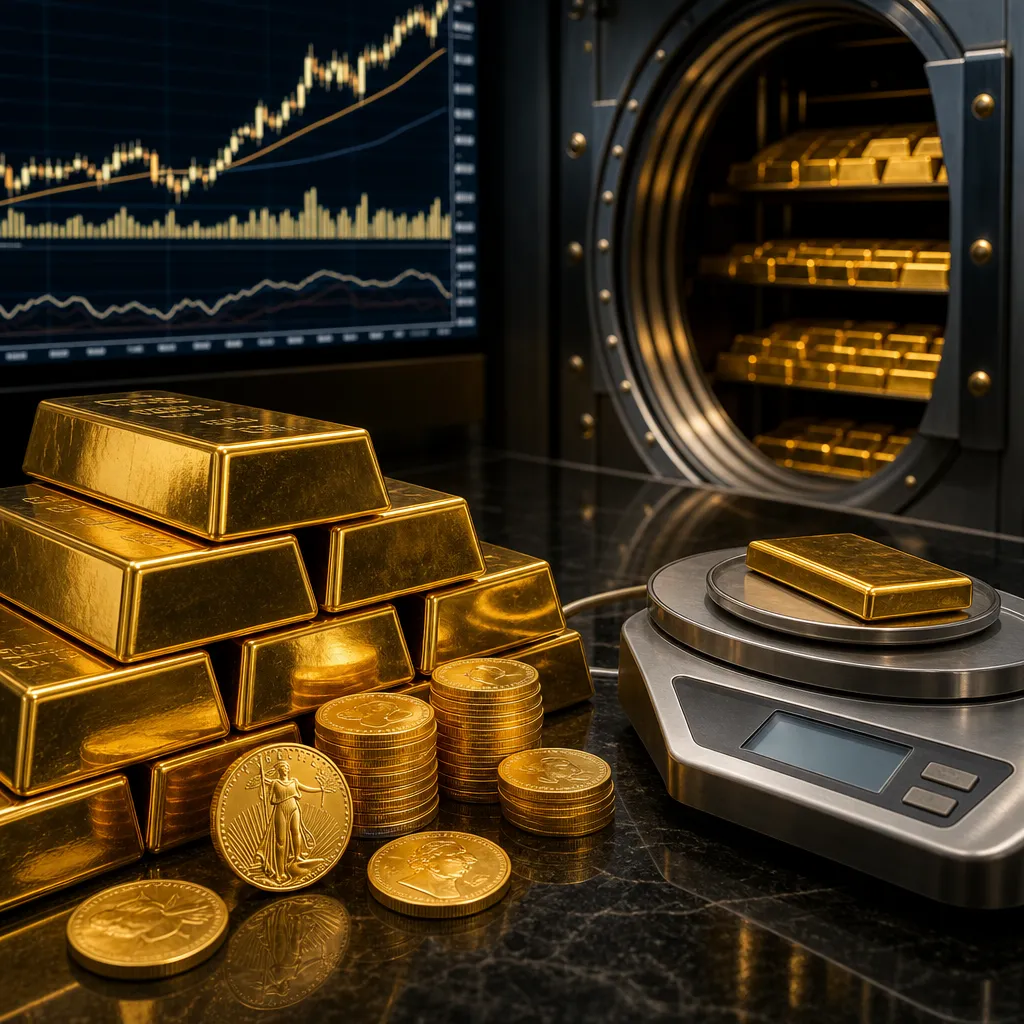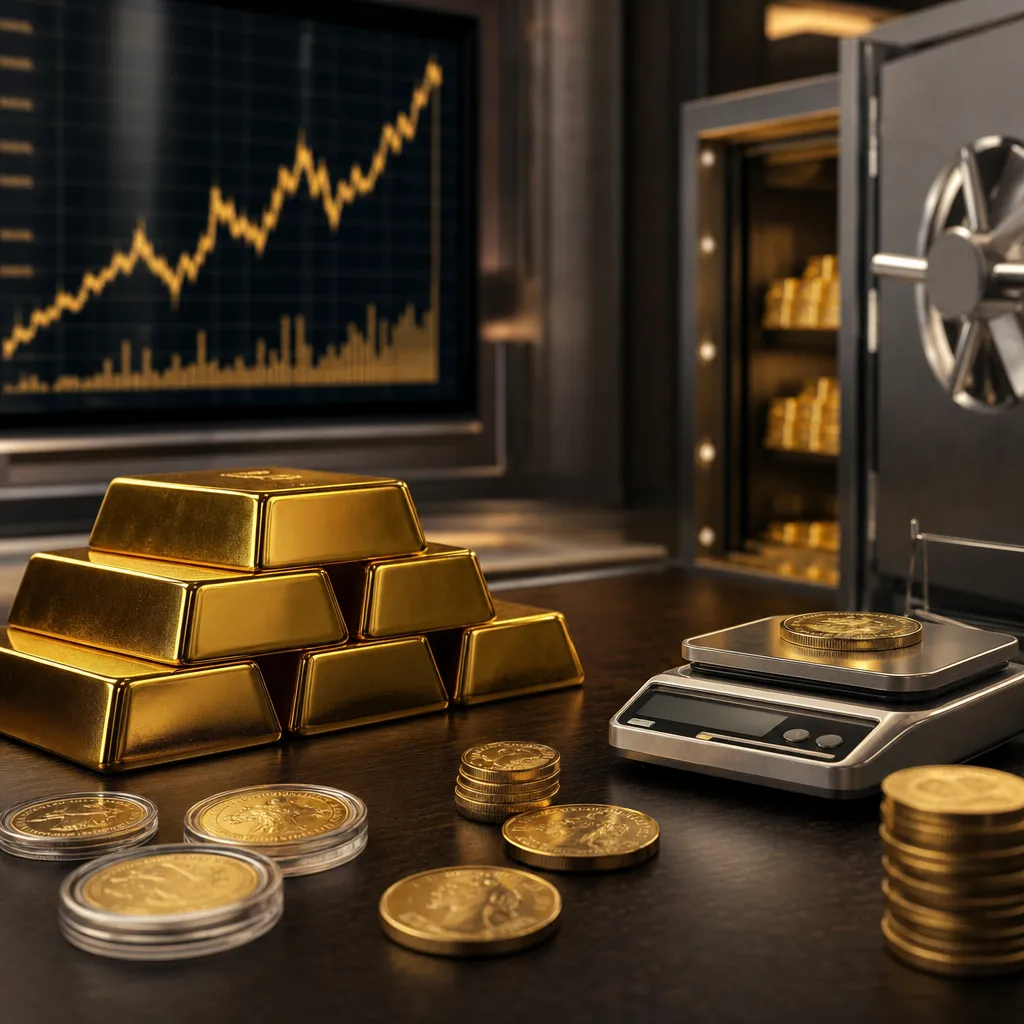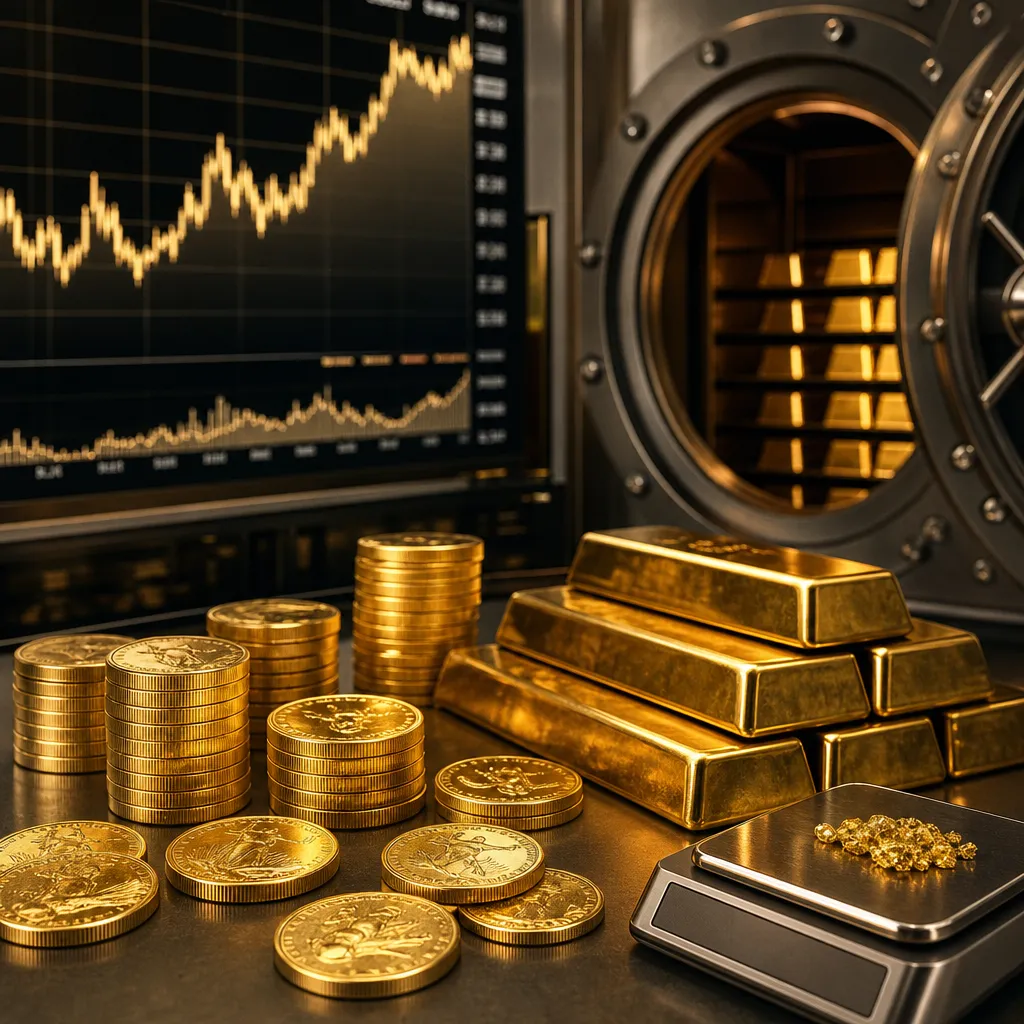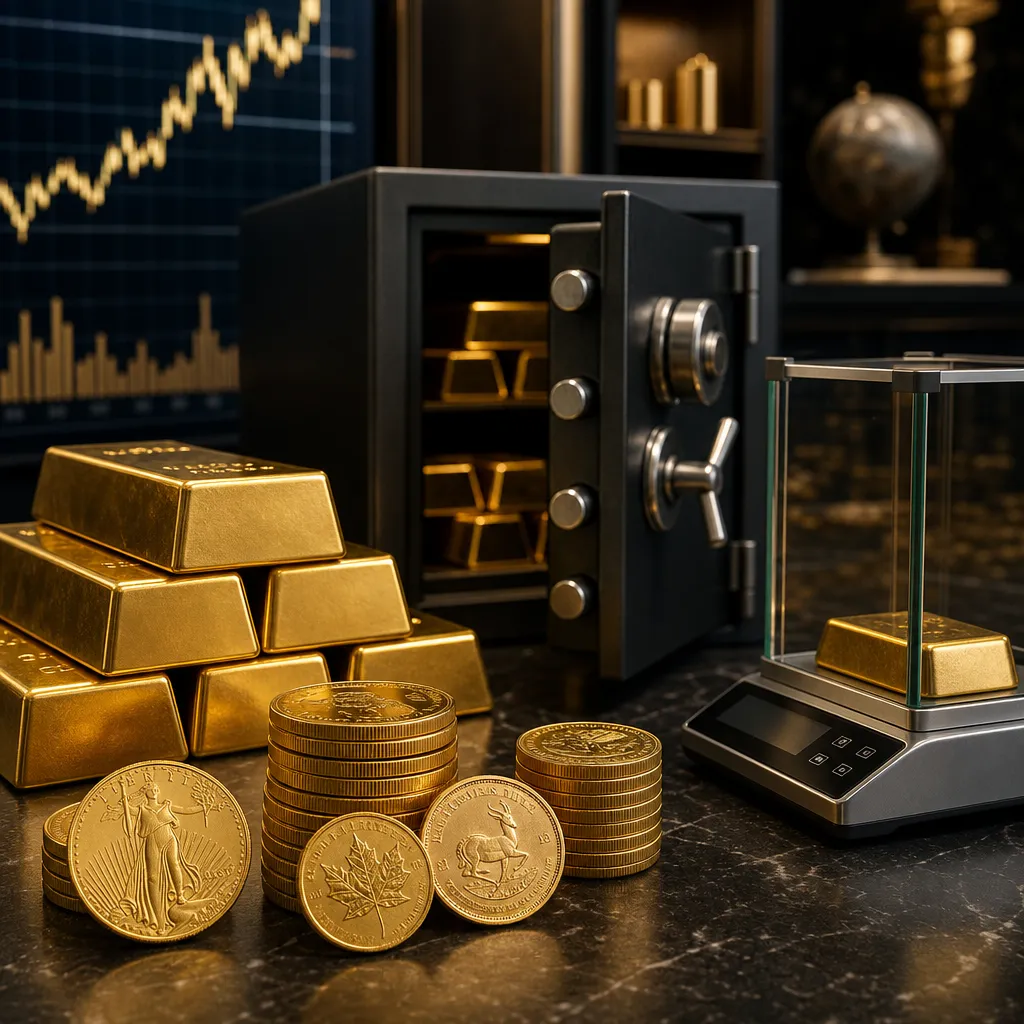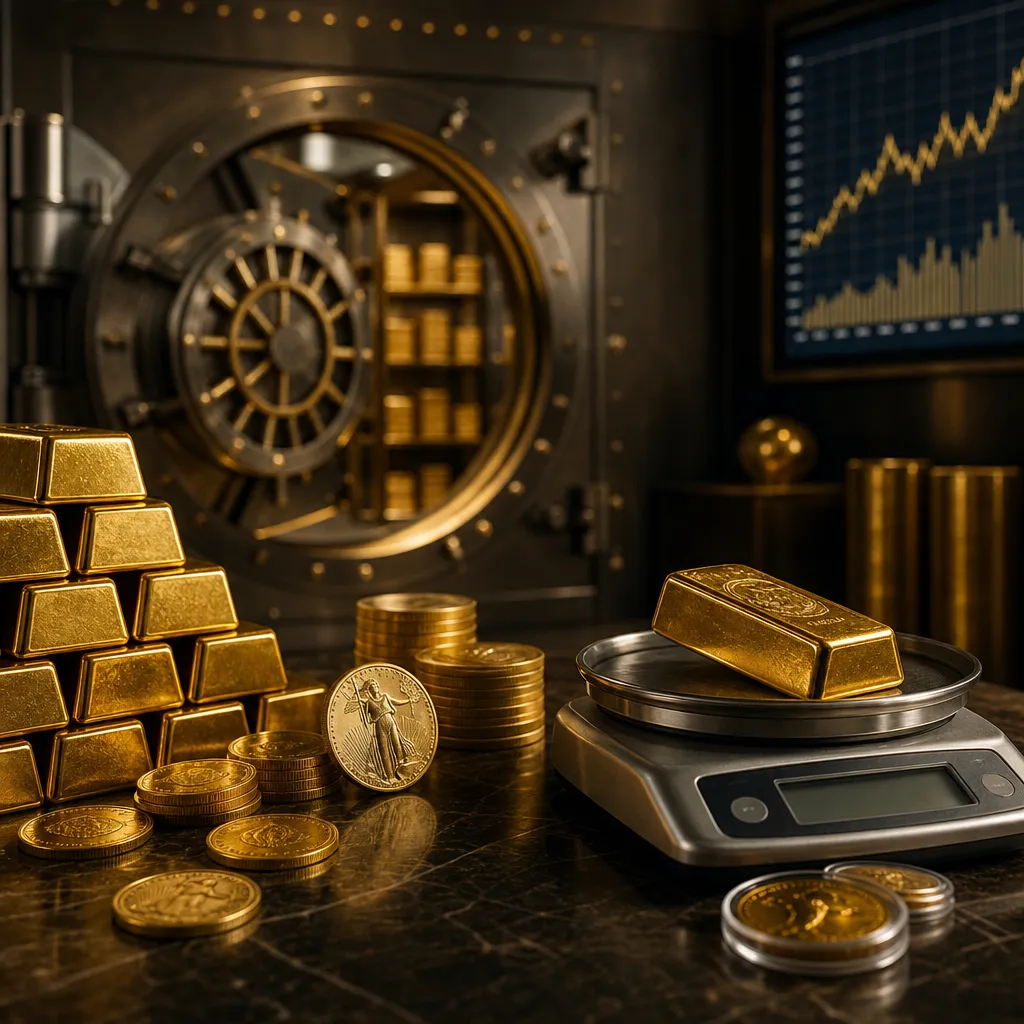
The global landscape of precious metals extends far beyond traditional uses in jewelry and finance. Among these, gold holds a unique place due to its exceptional properties and enduring status as a store of value. This article explores the fluctuating world gold price, its impact on the electronics industry, and the interplay between market forces, environmental concerns, and future innovation.
Global Price Dynamics and Market Forces
Movements in the world gold price are driven by a complex web of factors. Macro-economic indicators, geopolitical tensions, and shifts in monetary policy all contribute to price volatility. Investors and corporations alike monitor these trends closely, as changes can ripple across various sectors.
- Inflation rates and currency strength: A weak currency often leads to higher gold prices as investors seek a hedge against purchasing-power erosion.
- Central bank activity: Buying or selling by national banks can significantly adjust global supply and influence market sentiment.
- Geopolitical risks: Conflicts, trade disputes, and political instability boost safe-haven demand for gold.
- Mining output: Production costs, new discoveries, and regulatory changes in major mining regions affect available supply.
- Investor behavior: Shifts in portfolio allocations between equities, bonds, and commodities trigger buying or selling pressure.
For technology companies, these price movements directly impact sourcing costs. A spike in the cost of raw gold can translate to higher manufacturing expenses for premium electronic components.
Role of Gold in Modern Electronics
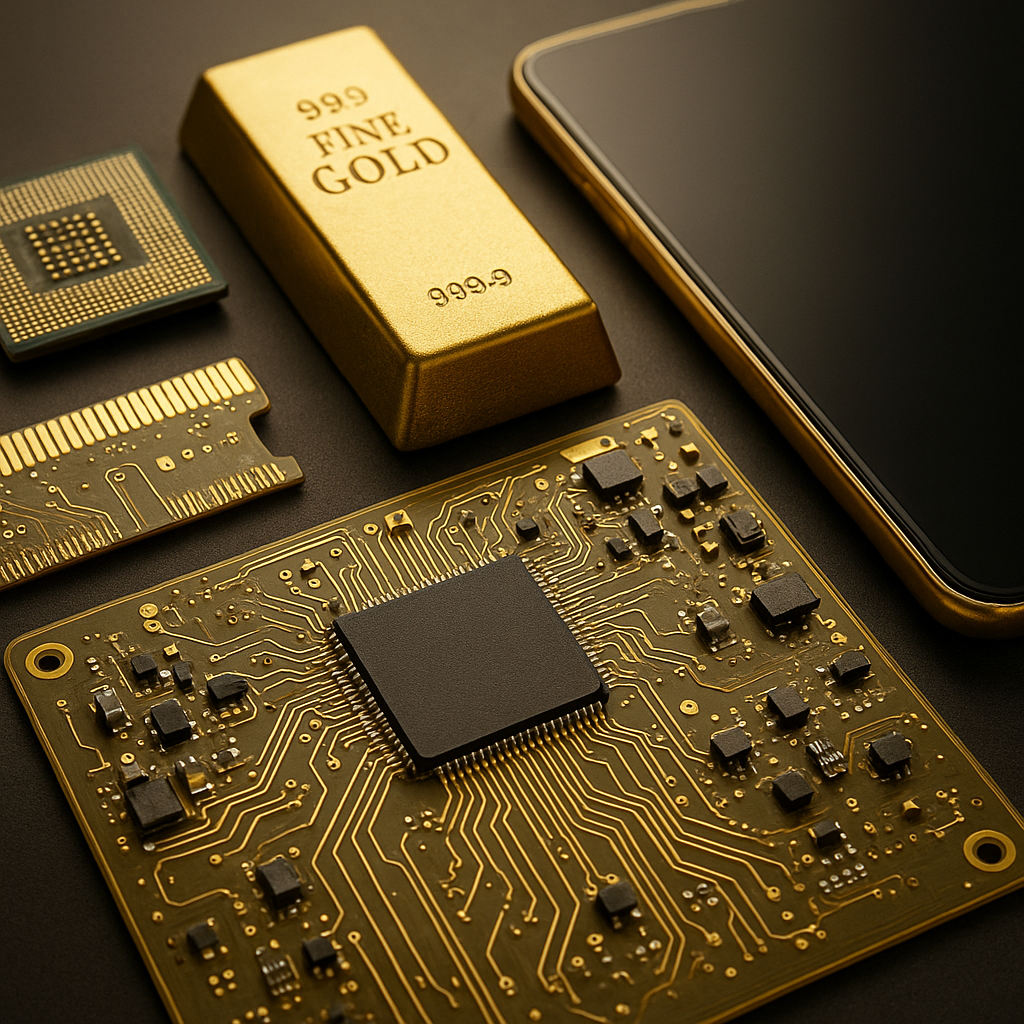
Among metals, gold stands out for its exceptional conductivity and corrosion resistance. These traits make it indispensable in high-performance applications, despite representing a tiny fraction of an electronic device’s total weight.
Key Applications
- Printed circuit boards (PCBs): Gold-plated connectors and contact pads ensure reliable signal transmission over millions of mating cycles.
- Microprocessors and memory chips: Wire bonding with gold maintains stable electrical connections in harsh environments.
- Smartphones and wearable devices: Gold traces in flexible circuits help maintain performance under repeated bending.
- Aerospace and defense electronics: Extreme temperature swings and radiation exposure demand the stability provided by gold-based components.
- Medical implants and diagnostic equipment: Biocompatibility and excellent electrical properties support life-critical functions.
While alternative materials such as copper and silver offer lower costs, they suffer from faster oxidation and reduced lifespan in critical applications. Gold’s reliability often justifies its premium, particularly as devices become smaller and more complex.
Economic Impacts and Investment Trends
Rising gold prices not only affect manufacturing budgets but also shape investment strategies. Institutional investors view gold as a hedge against market turbulence, creating a feedback loop where heightened investor demand can drive prices even higher. For the electronics sector, this can lead to tighter profit margins and a renewed emphasis on material efficiency.
- Cost management: Companies adopt advanced plating techniques to minimize gold usage without compromising performance.
- Recycling initiatives: Recovering gold from end-of-life electronics reduces dependence on mining and helps stabilize costs.
- Strategic partnerships: Tech firms collaborate with precious metals refineries to secure predictable supplies at negotiated prices.
- Alternative hedging: Some manufacturers use financial instruments to lock in gold prices, smoothing out budgetary fluctuations.
At the same time, retail investors often track world gold price charts closely. Sharp corrections or sustained rallies influence the perceived stability of portfolios that include exchange-traded funds (ETFs), bullion bars, and coins. This dual role of gold as both a commodity and a financial asset adds layers of complexity to market dynamics.
Sustainability Challenges and the Path Ahead
The rising importance of recycling and resource stewardship reflects growing concerns over environmental impact. Traditional gold mining can be energy-intensive and may lead to habitat disruption. As demand from the tech industry surges, sustainable practices become essential to balance demand and preserve ecosystems.
Innovative Solutions
- Urban mining: Extracting gold from discarded electronics and industrial waste streams through hydrometallurgical and bioleaching methods.
- Closed-loop systems: Manufacturing facilities adopt zero-waste targets by capturing and refining process residues.
- Green chemistry: Non-toxic leaching agents reduce environmental risks compared to traditional cyanide processes.
- Lifecycle assessments: Rigorous carbon-footprint analyses guide material choices across product design stages.
Looking forward, the convergence of IoT, 5G, electric vehicles, and renewable energy storage promises to reshape gold’s role in the tech sector. Each emerging application will demand highly reliable interconnects and sensors, further driving research into efficient usage and recovery methods.
Maintaining a balance between technological progress and responsible resource management will be crucial. As the world gold price continues its unpredictable journey, industry stakeholders must innovate not only to maximize performance but also to ensure the long-term sustainability of this precious metal.