The dynamics of the global bullion market reveal an intricate interplay between supply constraints, macroeconomic shifts, and investor sentiment. As one of the oldest forms of monetary exchange, gold continues to captivate market participants seeking stability and wealth preservation. Its fluctuating world price not only reflects changes in industrial demand and central bank reserves but also serves as a benchmark against other major asset classes such as stocks and bonds. This article delves into the evolution of gold pricing, contrasts its performance with equities and debt instruments, and explores strategic uses within a diversified investment strategy.
Global Price Dynamics of Gold
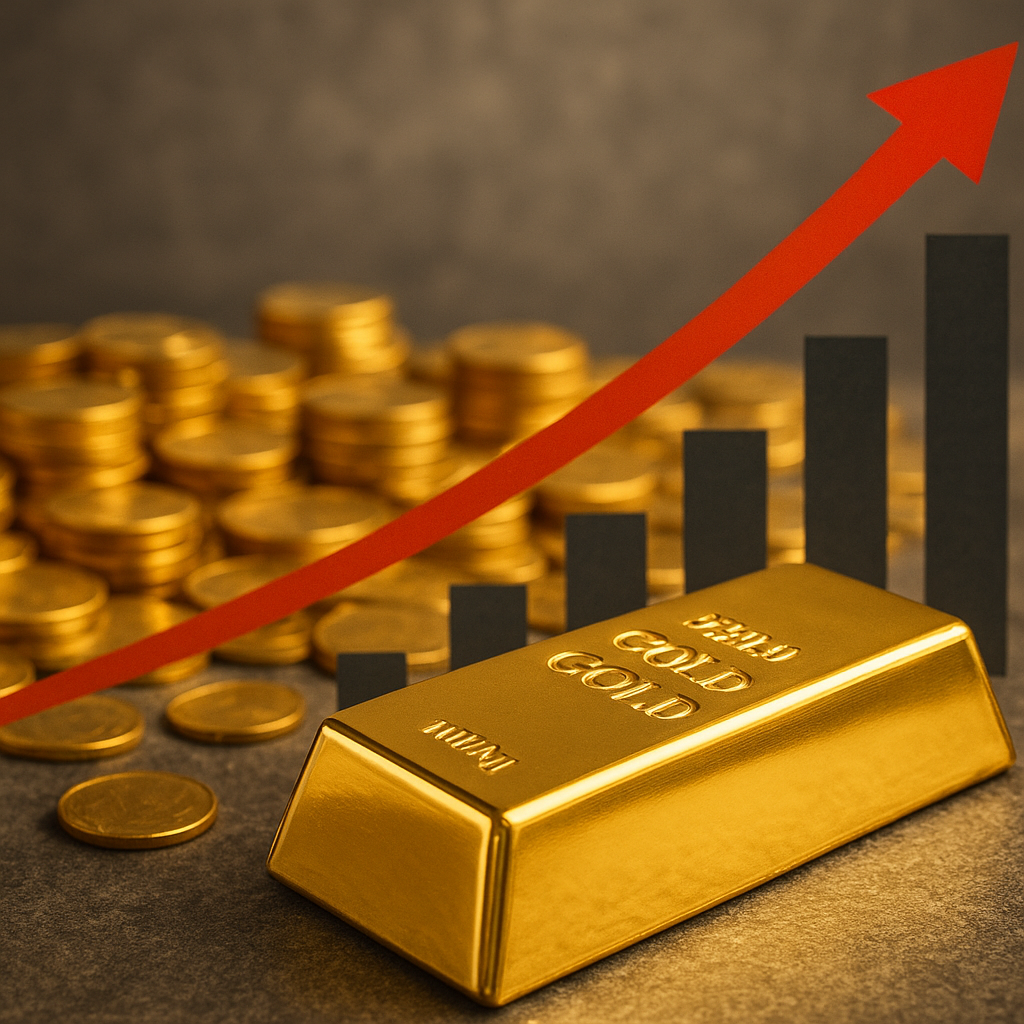
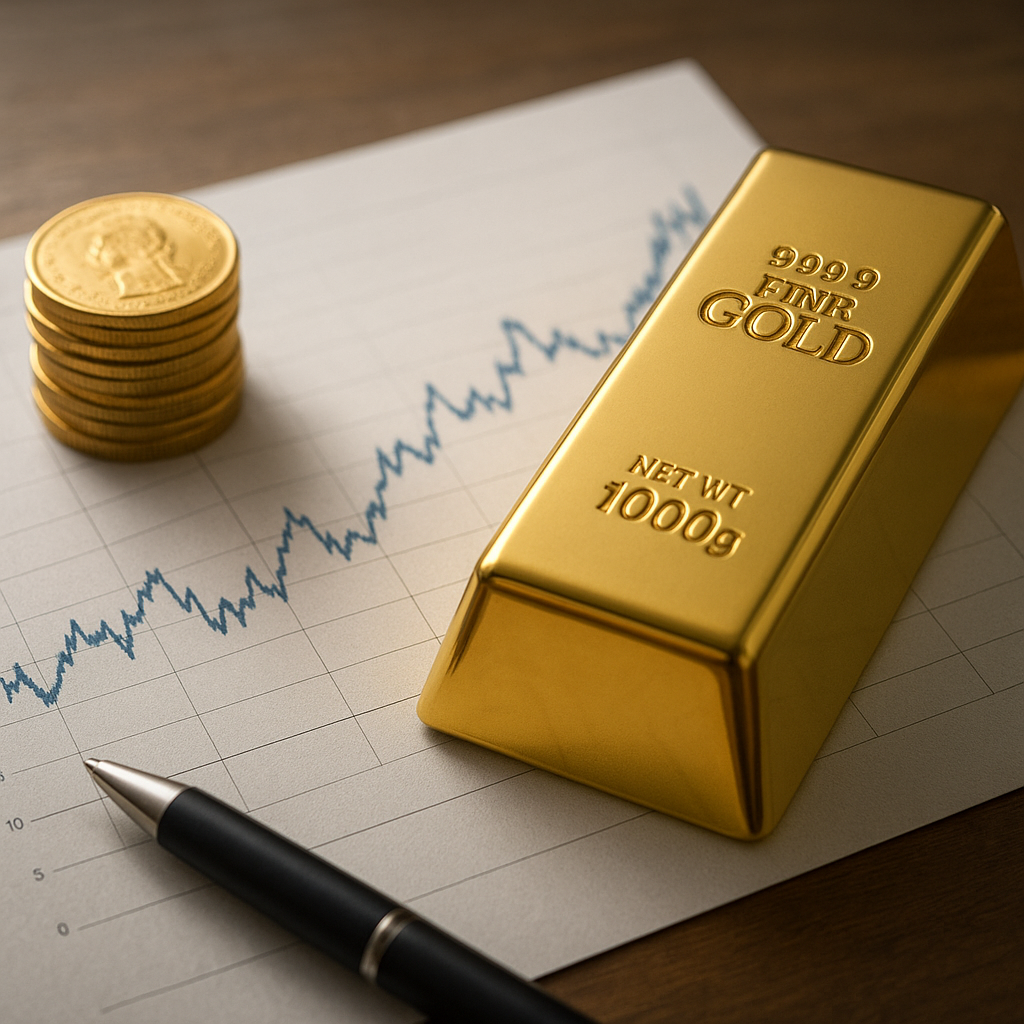
Over the past decade, the move of the gold price has been shaped by shifting economic policies and geopolitical tensions. When major central banks pursue loose monetary stances or cut interest rates, investors often turn toward bullion as a hedge. Conversely, rising real yields can exert downward pressure on the metal’s appeal. Unlike fiat currencies, the supply of physical gold grows at a relatively stable rate, constrained by mining output and recycling. As a result, its scarcity enhances its role as a reliable store of value.
Key factors influencing the bullion price include:
- Currency fluctuations—especially in the US dollar, which has an inverse relationship with gold values.
- Global economic growth metrics and purchasing managers’ indices that indicate industrial demand.
- Central bank reserve allocations, reflecting a desire to balance sovereign risk.
- Market volatility, where sudden equity sell-offs can spark flight-to-quality flows.
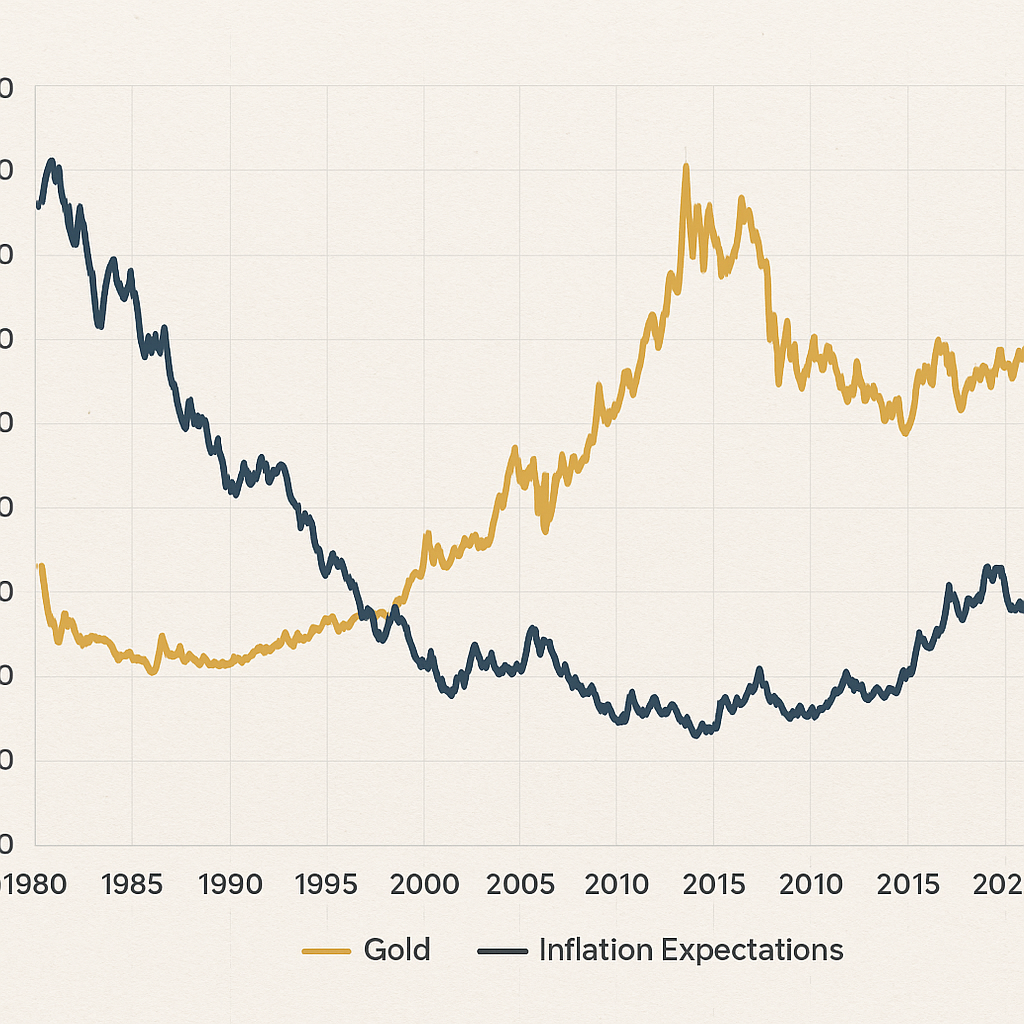
- Inflationary pressures driving real asset acquisitions to preserve purchasing power.
These drivers collectively underline why bullion is frequently dubbed a safe-haven asset during periods of uncertainty.
Comparative Analysis with Stocks
Equities represent fractional ownership in corporations, offering exposure to economic expansion, dividends, and corporate earnings. Over long horizons, the returns on diversified stock indices have outpaced most other instruments. However, that outperformance comes with bouts of pronounced volatility. Sharp market corrections, liquidity crises, or systemic shocks can swiftly erode share prices. In contrast, gold tends to move independently of corporate balance sheets and profits.
When comparing annualized performance for the last 20 years:
- Global stock markets delivered an average of 7–9% per annum, adjusted for inflation.
- Long-term government bonds yielded around 2–3% real return in many developed regions.
- Gold averaged roughly 1–2% above inflation, but with less correlation to economic cycles.
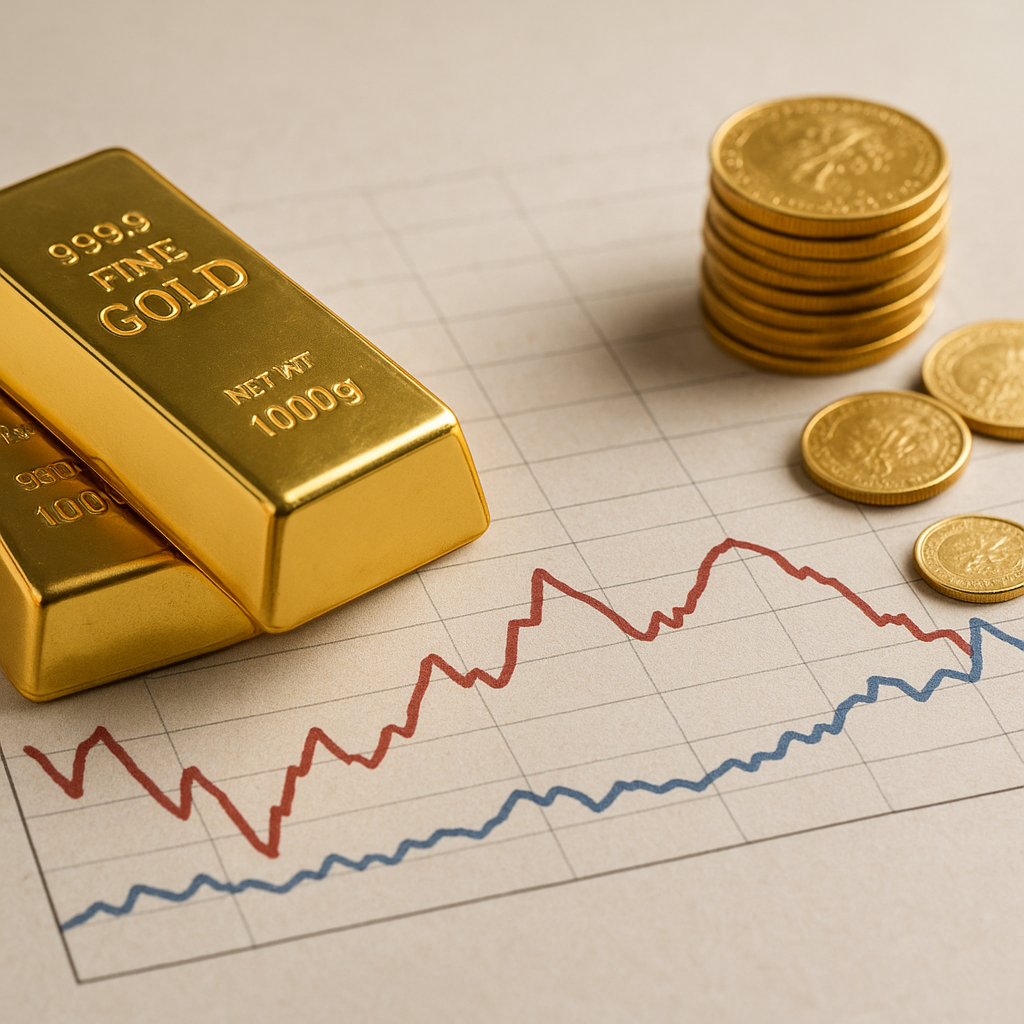
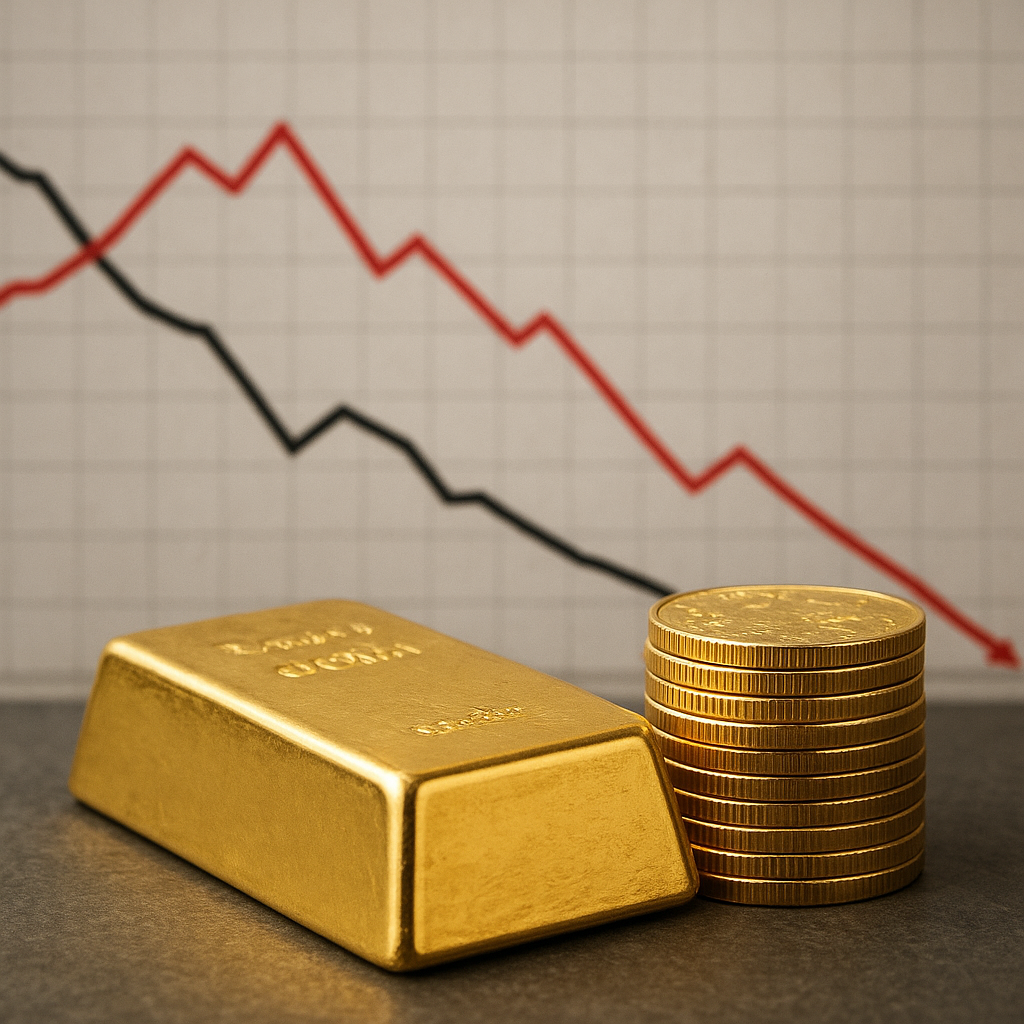
During major equity drawdowns—such as the 2008 financial crisis or the COVID-19 pandemic onset—gold’s price spiked sharply. This inverse relationship makes it a crucial diversifier within a well-constructed portfolio. By holding bullion, investors can mitigate the impact of equity sell-offs and reduce overall volatility.
Gold Versus Bonds Over Time
Fixed-income instruments typically promise periodic coupon payments and the return of principal at maturity. They are valued for capital preservation and predictable cash flows. Nonetheless, in a low-interest-rate environment, yields may fail to keep pace with inflation, eroding purchasing power. Gold, by contrast, does not promise income but preserves nominal value, making it attractive when real yields turn negative.
Inflationary Episodes and Real Yields
During the 1970s, when consumer prices surged, long-term Treasury securities delivered negative real returns. Gold soared from under $40 to over $800 per ounce. That surge underscores bullion’s capacity to outpace paper assets in high-inflation regimes. In more recent years, quantitative easing drove bond yields to historic lows, reviving interest in bullion as an inflation hedge despite its lack of income.
Credit Risk and Sovereign Stability
Government bonds carry varying degrees of risk. Emerging-market debt, for instance, may offer higher coupons but comes with potential default hazards. In extreme cases of sovereign distress, bondholders might face restructuring or haircuts. Gold held outside any single jurisdiction provides an added layer of protection against sovereign credit events, enhancing its role as a cross-border safe-haven.
Strategic Role of Gold in Investment Portfolios
Modern portfolio theory emphasizes diversification to maximize risk-adjusted returns. By combining assets with low correlations—like equities, bonds, and bullion—investors can smooth overall performance and reduce drawdowns. Allocations to gold, typically ranging from 5% to 15%, can enhance the Sharpe ratio without imposing significant opportunity cost.
Practical considerations for integrating bullion include:
- Physical versus paper gold (ETFs, futures, or mutual funds) and associated custody and counterparty risk.
- Liquidity needs and transaction costs, especially in times of elevated market stress.
- Tax treatment for capital gains on bullion compared to dividends or bond interest.
- Periodic rebalancing to maintain target exposure as price swings alter weightings.
Investors with longer horizons may also consider gold mining equities or royalty trusts, which can amplify moves in bullion but introduce corporate operational risks.
Emerging Trends and Future Outlook
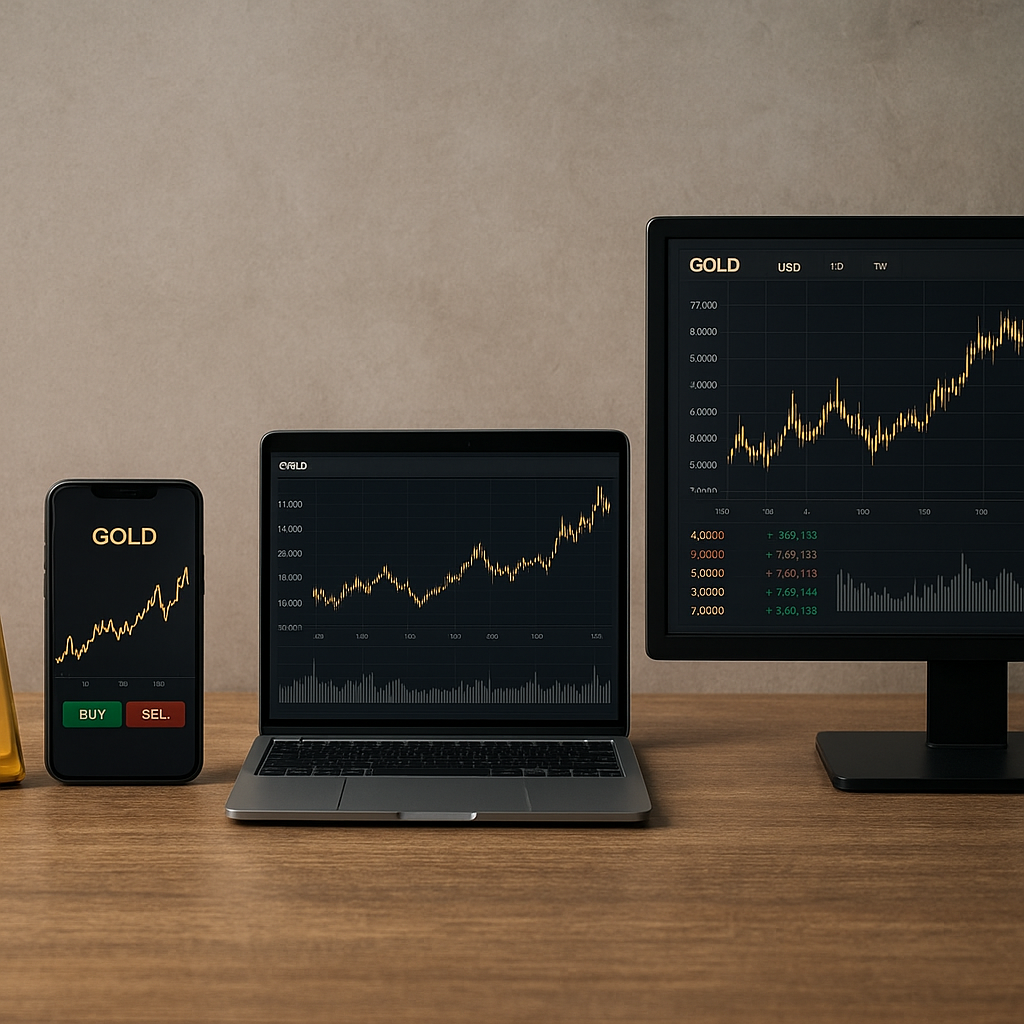
Recent advances in digital finance, notably the tokenization of precious metals, are reshaping how investors access and trade bullion. Blockchain-based platforms enable fractional ownership, lower entry barriers, and near-instant settlement. Meanwhile, environmental, social, and governance (ESG) concerns drive demand for sustainably mined gold, nudging industry participants toward cleaner extraction techniques.
Looking ahead, policy decisions around interest rates, debt ceilings, and fiscal stimulus will continue to influence bond yields and equity valuations. Should inflation prove more persistent, the real yield on fixed-income instruments may remain suppressed, bolstering bullion’s allure. On the other hand, a sustained economic expansion could reward equities and reduce the urgency of gold as a hedge. Persistent geopolitical tensions, however, are likely to maintain bouts of heightened demand for physical metal.
Ultimately, the interplay between stocks, bonds, and gold reflects broader economic cycles, monetary policies, and investor psychology. By understanding each asset’s unique drivers and correlations, market participants can craft resilient strategies to navigate uncertainty and pursue long-term growth.