The relationship between social upheaval, governmental transitions, and the extraction of precious metals reveals a complex web of economic and geopolitical forces. This article delves into how political turbulence alters the dynamics of gold-mining territories, reshaping production, affecting the world gold price, and influencing both local livelihoods and global markets.
Impact on Production and Global Supply Chains
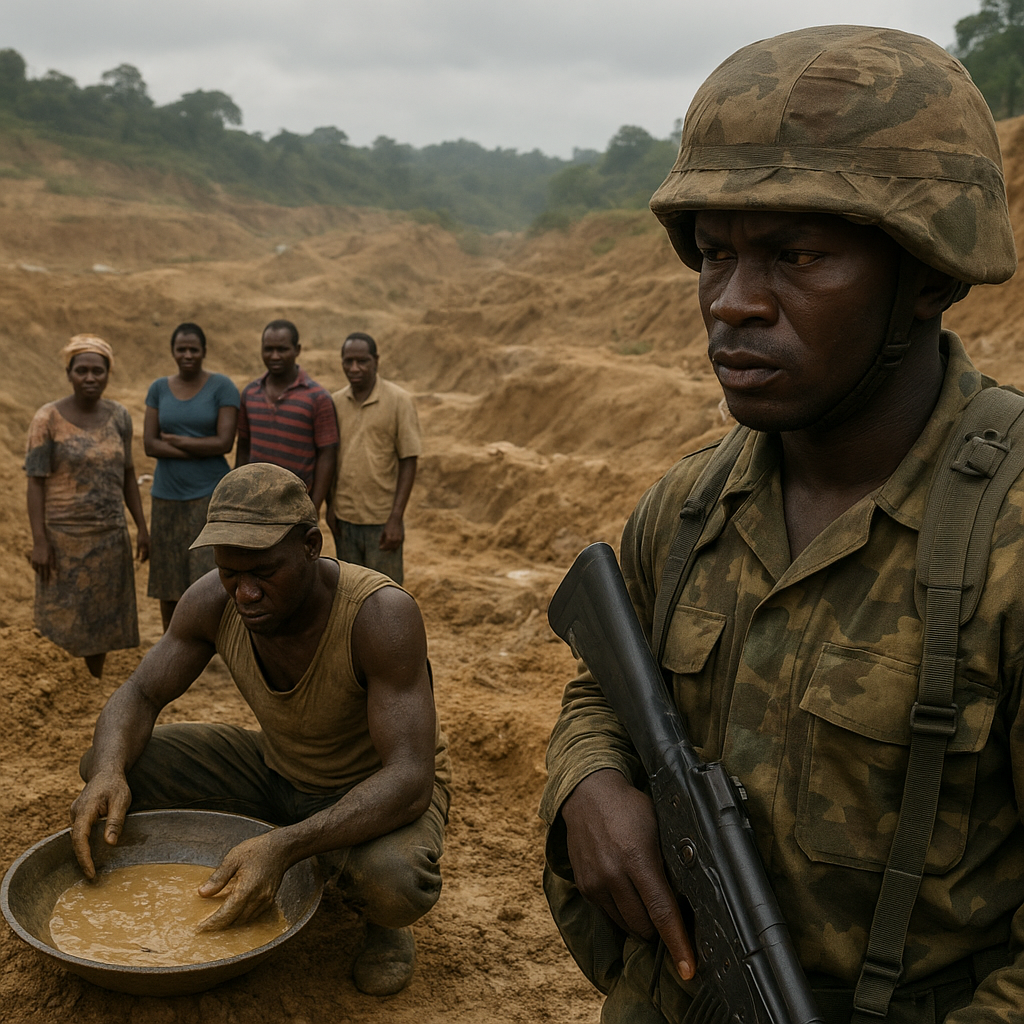
Regions rich in gold reserves often attract significant investment during periods of democratic stability or predictable regulation. However, when protests erupt or power vacuums emerge, mining operations face operational disruptions, safety concerns, and supply chain bottlenecks. On one hand, extraction projects require high upfront capital, sophisticated machinery, and skilled personnel, all of which can halt abruptly if roadblocks, strikes, or armed conflicts block access to veins of ore. On the other hand, miners may resort to informal or artisanal practices in the absence of central authority, severely undermining environmental safeguards and reducing the efficiency of recovery processes.
In recent years, global gold supply has been sensitive to setbacks in key regions:
- West African corridors, where insurgent activity in borderlands has intermittently halted major operations.
- South American territories, as shifts in governmental policies on resource nationalization cause project renegotiations or cancellations.
- Central Asian belts, where international sanctions and local unrest have limited foreign participation in long-term mine development.
Such disruptions lead to unpredictable changes in output, steep increases in labor costs due to security measures, and surging insurance premiums for equipment and personnel. These factors collectively narrow margins for mining firms and can reduce overall global supply, applying upward pressure on the price per ounce.
Socio-Political Drivers of Market Volatility and World Gold Price
Gold has long been considered a safe-haven asset during times of instability. Investors flock to bullion when currencies weaken or stock markets wobble under the weight of political uncertainty. Key drivers include:
- Currency Fluctuations: When central banks lose credibility, local fiat currencies often devalue, boosting demand for gold as an alternative store of value.
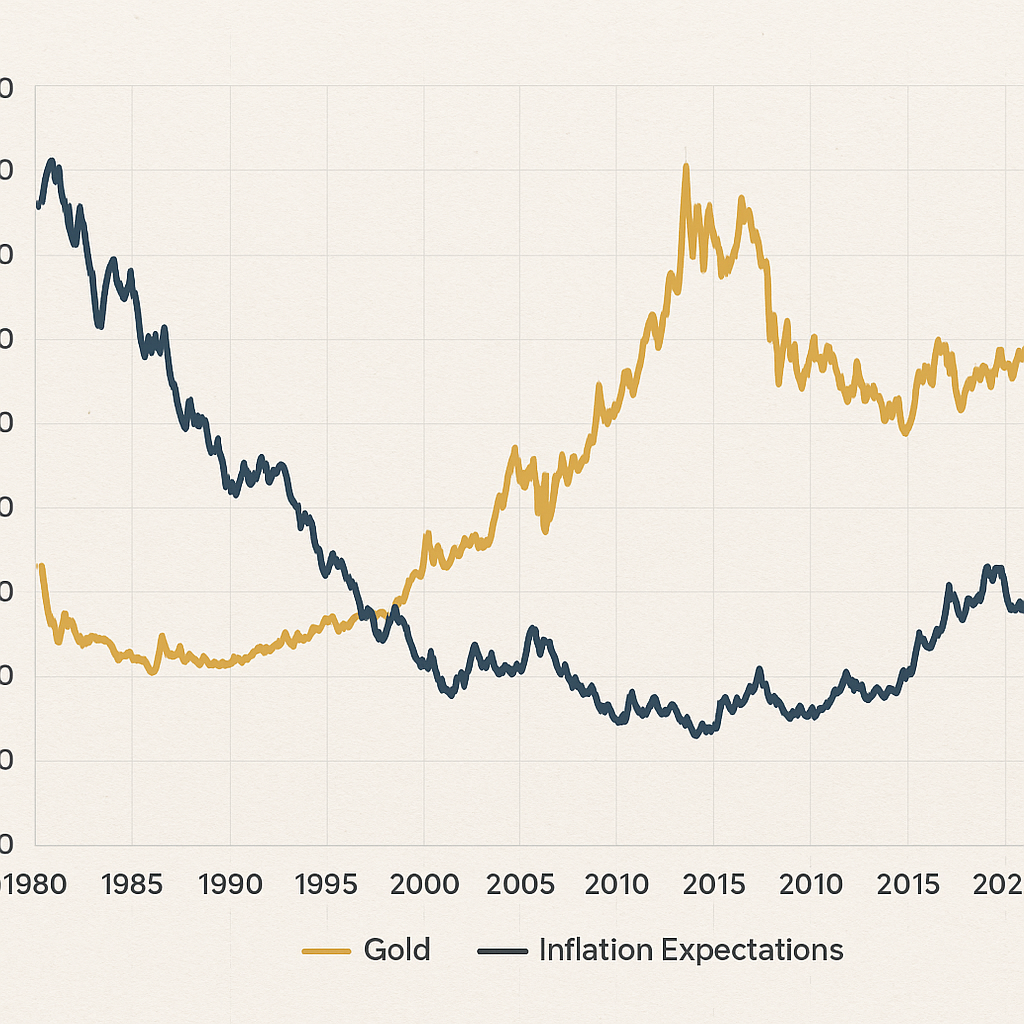
- Interest Rate Policies: Unresponsive or erratic rate decisions can ignite fears of inflation, steering capital into gold and increasing its market volatility.
- Trade Disruptions: Tariffs, embargoes, or cross-border blockades in mining regions can create supply shortages, prompting speculative buying on futures exchanges.
- Conflict Premium: In zones of active conflict or state fragility, gold extraction often shifts into gray markets, driving a risk premium into official pricing mechanisms.
While short-term price spikes may benefit producers able to maintain output, prolonged instability usually deters new mine development and exploration budgets. Companies reallocate capital to jurisdictions with more predictable regulation and transparent legal frameworks. Over time, reduced investment slows discovery of new deposits, tightening future global supply.
Case Studies: Regions Under Strain and Adaptive Strategies
Several gold-mining districts illustrate the interplay between social unrest and market outcomes:
West Africa’s Gold Belt
Countries like Mali and Burkina Faso have experienced coups, insurgencies, and ethnic tensions disrupting small-scale and industrial mining alike. Government seizures of mineral-rich lands or martial law declarations frequently suspend export permits. Miners respond by stockpiling refined gold, negotiating local protection pacts, or relocating to safer but less rich deposits. International buyers, wary of supply chain risk, increase reliance on certified conflict-free programs, sometimes paying a premium for compliance documentation.
Andean Nations’ Resource Nationalism
Nations in the Andes have alternated between privatization and expropriation of mining assets. When nationalist administrations take power, they may demand higher royalties, impose local content requirements, or nationalize entire operations. Such policies can scare away multinational corporations, leading to halted projects and a downturn in scheduled production. As official output declines, demand for existing reserves pushes global prices higher, although illicit smuggling to neighboring states may temporarily mask true availability.
Central Asia’s Boundary Tensions
Border disputes and alliances with major powers dictate which companies can mine in resource-rich foothills. Sanctions imposed on certain governments can freeze foreign investment, limit access to modern mining equipment, and force operators to rely on outdated technology. The consequence is lower recovery rates and higher per-ounce production costs. Buyers often hedge by increasing inventory reserves, anticipating supply shortfalls during prolonged diplomatic standoffs.
Adaptive Measures and Long-Term Outlook
To mitigate the impact of instability, stakeholders have developed several strategies:
- Insurance and Hedging: Producers purchase political risk insurance and engage in futures contracts to lock in prices, ensuring predictable cash flows even when actual shipments are delayed.
- Community Engagement: Investing in local infrastructure, schools, and healthcare can build social license, reducing the likelihood of protests or militant interference.
- Decentralized Processing: Establishing multiple smaller processing facilities rather than one mega-mine spreads operational risk across diverse jurisdictions.
- Certified Sourcing Schemes: Adherence to voluntary standards (e.g., the London Bullion Market Association Responsible Sourcing) helps reassure end buyers and maintain stable market access.
Looking ahead, the balance between social stability and resource exploitation will determine the trajectory of the world gold price. Regions that foster transparent governance and robust infrastructure stand to capture more of the economic benefits of their mineral wealth. Conversely, territories mired in chronic unrest may see their deposits remain undeveloped, constraining global supply and contributing to price volatility on international markets.