Gold has long been a focal point for investors, historians, and economists alike. Its unique position as both a tangible asset and a monetary anchor has driven a series of spectacular booms and dramatic busts over centuries. By examining these oscillations, we gain insight into broader economic cycles, shifts in market sentiment, and the evolving interplay between supply and demand. This article navigates through historic gold surges and declines, compares pivotal periods, and outlines methodologies to quantitatively and qualitatively evaluate these events.
Early Valuation and Pioneering Trends
The journey of gold as a universally recognized medium of exchange began in antiquity. From the ancient Mesopotamians to the Romans, societies prized gold for its rarity and durability. During the Middle Ages, European sovereigns minted gold coins, reinforcing its status as a trusted benchmark. Two factors consistently influenced price changes:
- Mining innovation: Discovery of new deposits in South America and Africa periodically increased global supply.
- Political stability: Wars, treaties, and dynastic shifts impacted trust in coinage and hoarding behavior.
By the 19th century, the development of standardized minting practices and the gold standard drove major economic powers to peg their currencies to fixed gold values. This regime brought relative price stability but also sowed the seeds for pronounced corrections when nations abandoned the standard during crises.
Gold Standard and Price Fluctuations
Under the gold standard, price variations were subtle yet meaningful. Periodic wars or banking panics triggered waves of hoarding that tightened supply, pushing gold prices upward relative to paper currency. Conversely, large-scale discoveries—such as the California Gold Rush of the 1850s—momentarily increased output and exerted downward pressure on prices.
Comparing Booms: The 1970s vs. the 2000s
The modern era witnessed two of the most significant gold surges in recent memory. Although separated by three decades, the underlying drivers shared intriguing parallels and stark contrasts.
1970s Surge
- Oil shocks and inflation: The 1973 and 1979 oil crises sent energy costs soaring, eroding confidence in fiat currencies and spurring demand for gold as an inflation hedge.
- Speculation: US President Nixon’s 1971 decision to suspend dollar convertibility to gold unleashed speculative capital seeking safe havens.
- Peak price: Gold escalated from roughly $35 per ounce in early 1971 to over $800 by January 1980—a more than 2,200% nominal increase.
2000s Boom
- Global liquidity: Post-2000 quantitative easing policies and low interest rates fueled asset bubbles and drove investors to gold for capital preservation.
- Geopolitical tensions: The 2008 financial crisis and ensuing sovereign debt fears heightened demand for tangible assets.
- Technological demand: Rising industrial and technological applications marginally amplified long-term demand, though jewelry and investment gold remained dominant.
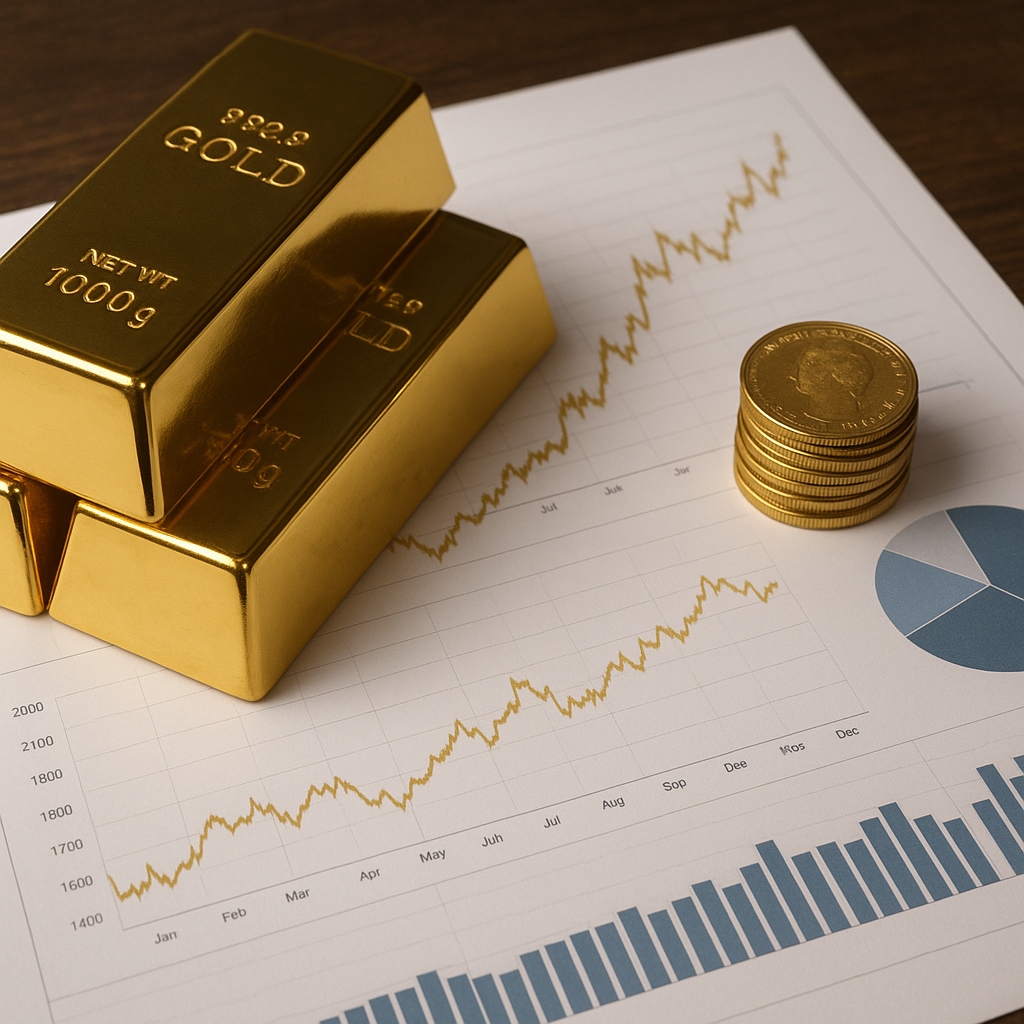
- From below $300 per ounce in 2000, gold reached a record above $1,900 in September 2011—more than a 530% gain.
Busts and Corrections: Unraveling Downturns
Periods of dramatic price inflation often give way to corrections. Understanding these downturns requires examining both macroeconomic shifts and investor behavior.
Early 1980s Correction
- As the US Federal Reserve raised interest rates sharply under Chairman Paul Volcker, the real cost of borrowing increased substantially.
- Higher yields on bonds and savings accounted for the opportunity cost of holding non-yielding gold, catalyzing its price fall.
- By mid-1982, gold prices had tumbled below $400—almost a 50% decline from the January 1980 peak.
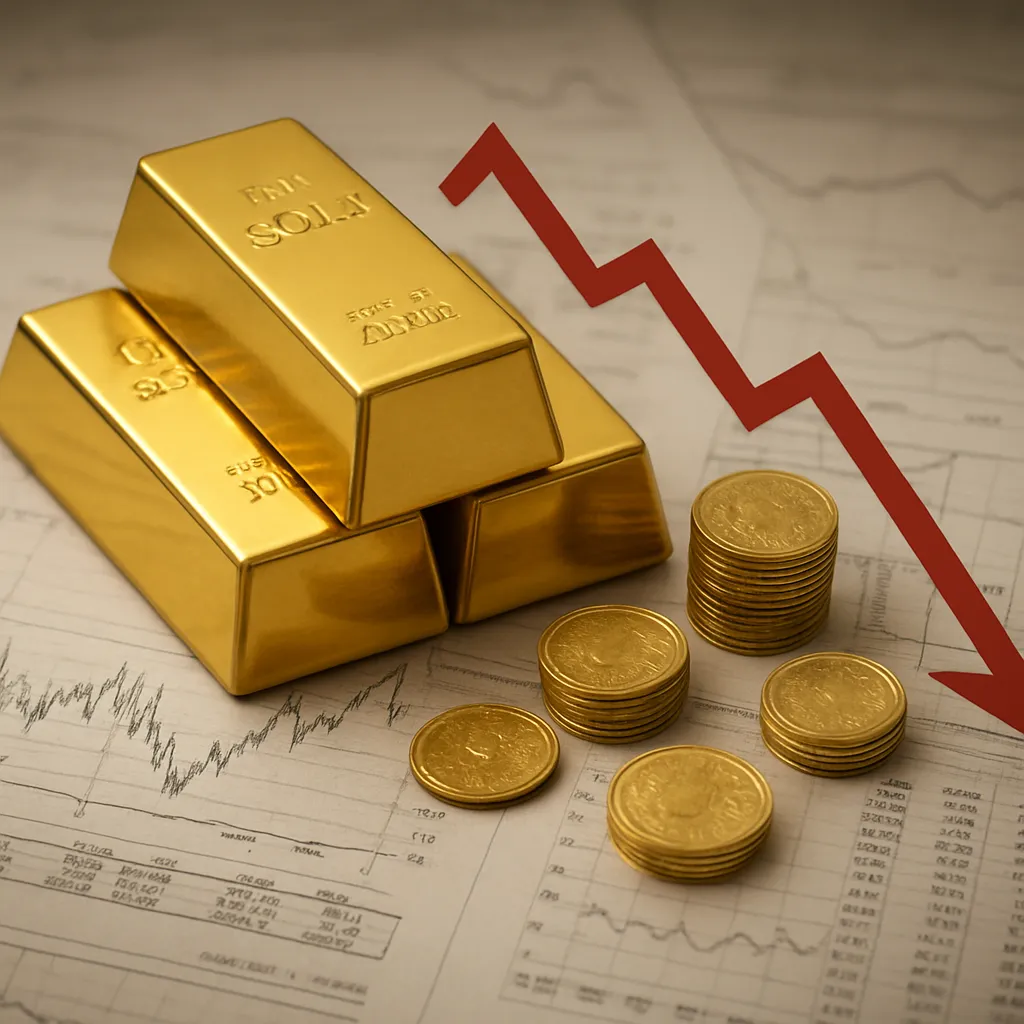
2012–2015 Downturn
- With the Federal Reserve signaling an end to its quantitative easing programs, investors rotated back into equities and fixed income.
- Stronger US dollar trends exerted volatility on dollar-denominated gold, making bullion more expensive for holders of other currencies.
- Gold prices retreated from near $1,900 in 2011 to under $1,050 by late 2015, erasing nearly 45% of the prior decade’s gains.
Analytical Approaches to Comparing Booms and Busts
Comparing distinct gold cycles demands a blend of quantitative metrics and contextual interpretation. Below are key methodologies:
- Real vs. nominal adjustment: Deflating gold prices by an inflation index provides perspective on purchasing power changes.
- Percentage amplitude: Calculating peak-to-trough moves in percentage terms normalizes comparisons across eras.
- Duration analysis: Measuring the length of booms and busts helps assess the speed of market sentiment shifts.
- Volatility measures: Standard deviation or average true range (ATR) captures the intensity of price swings.
- Correlation studies: Analyzing relationships with other asset classes, such as equities or bonds, reveals hedging efficacy during stress events.
Case Study: Amplitude and Duration
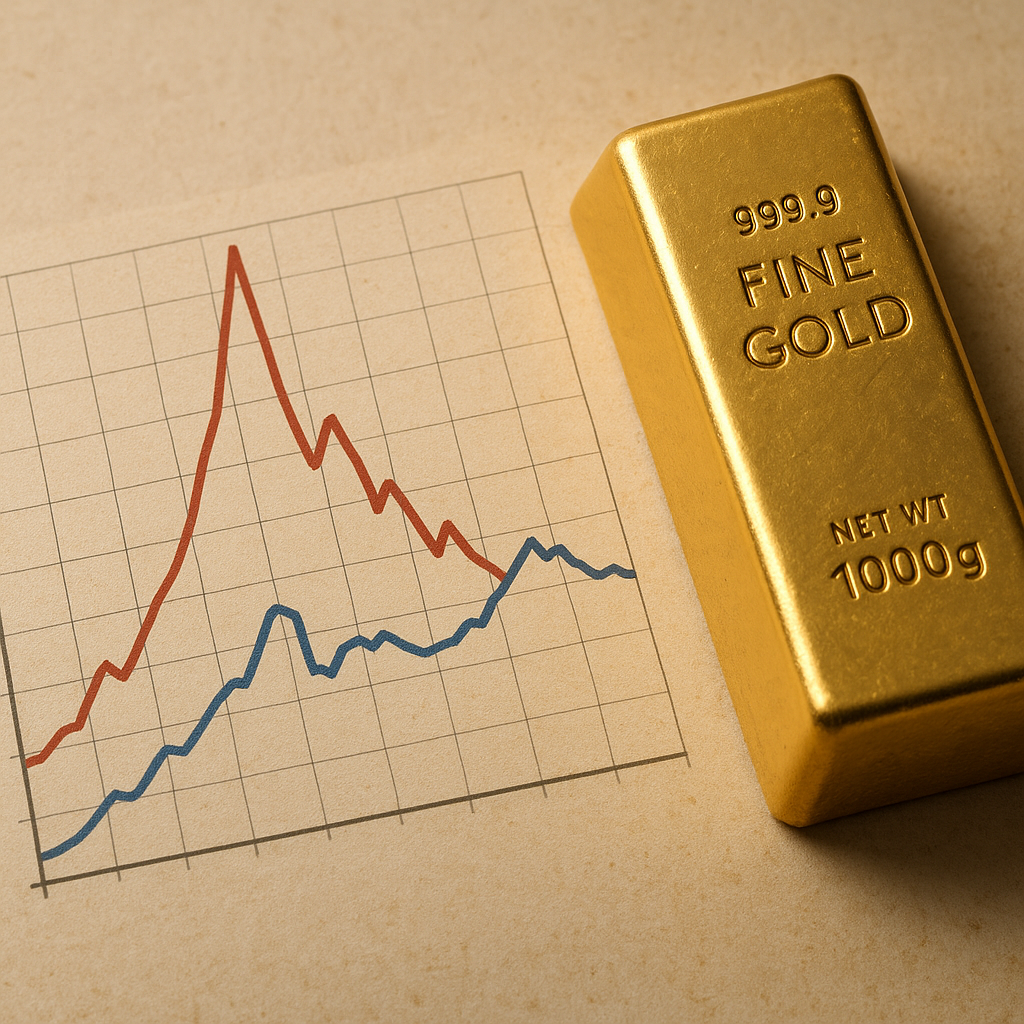
For example, the 1970s boom exhibited an 18-year duration from breakout to retracement, with an amplitude exceeding 2,200%. In contrast, the 2000s run-up spanned just over a decade, delivering a more modest 530%. This contrast underscores how monetary policy regimes and external shocks shape the pace and scale of precious metal rallies.
Integrating Qualitative Insights
Numbers alone do not tell the full story. Analysts must factor in investor psychology, media influence, and policy shifts. Sentiment surveys, central bank meeting minutes, and geopolitical risk indices complement price data by illuminating the undercurrents driving gold demand.
Modern Implications and Forward-Looking Perspectives
Today’s gold market is a convergence of digital trading platforms, algorithmic strategies, and traditional bullion demand. Key considerations include:
- Central bank reserves: Emerging economies continue to diversify foreign exchange reserves, with notable gold purchases in Asia and Eastern Europe.
- Exchange-traded funds (ETFs): Precious metal ETFs have democratized access, intensifying the link between investor flows and spot prices.
- Environmental and ethical mining: Sustainable sourcing practices influence investor preferences and operational costs for mining companies.
- Cryptocurrency competition: Bitcoin and other digital assets challenge gold’s role as a “digital gold,” prompting debates on diversification.
By applying robust comparative frameworks to historical data, market participants can better position themselves for potential future surges or downturns. Whether driven by macroeconomic policy shifts, global conflicts, or technological adoption, gold’s unique blend of financial and cultural value ensures it remains a critical asset for study and strategic allocation.