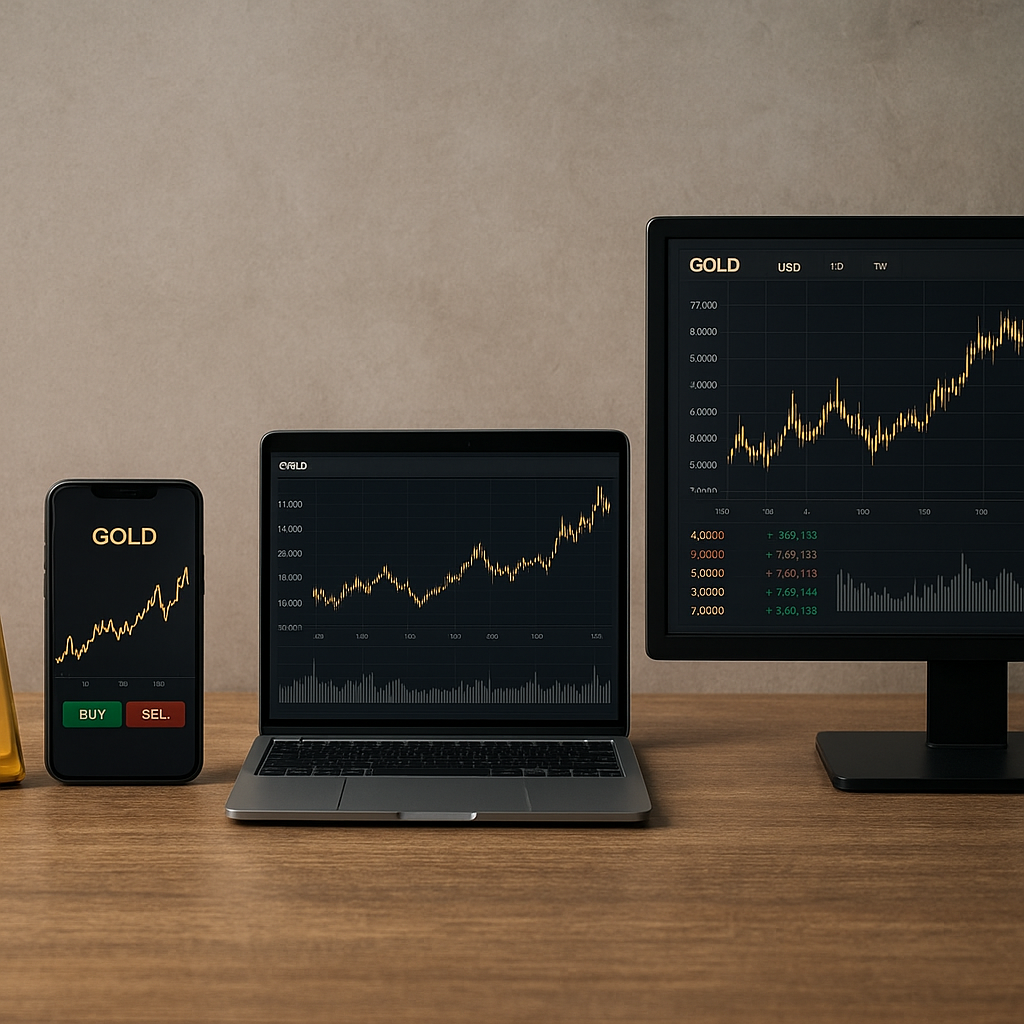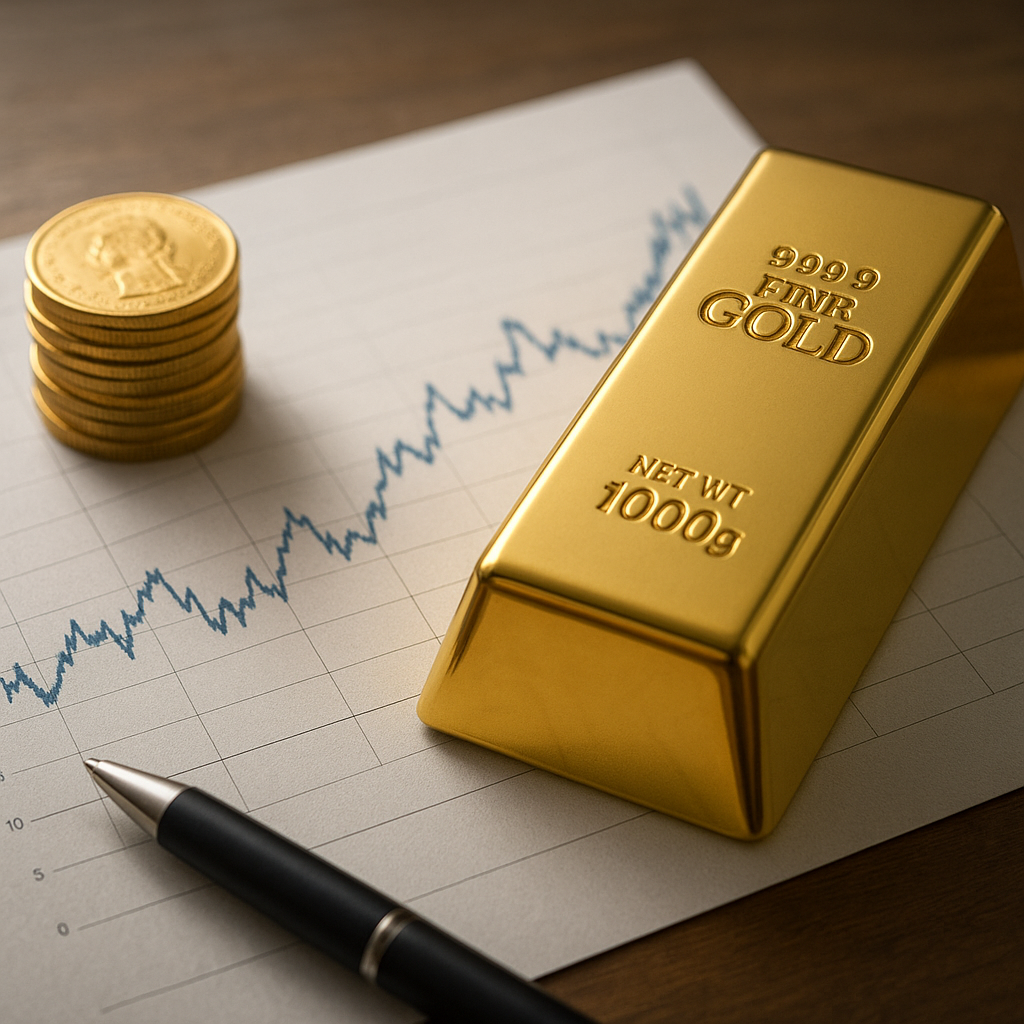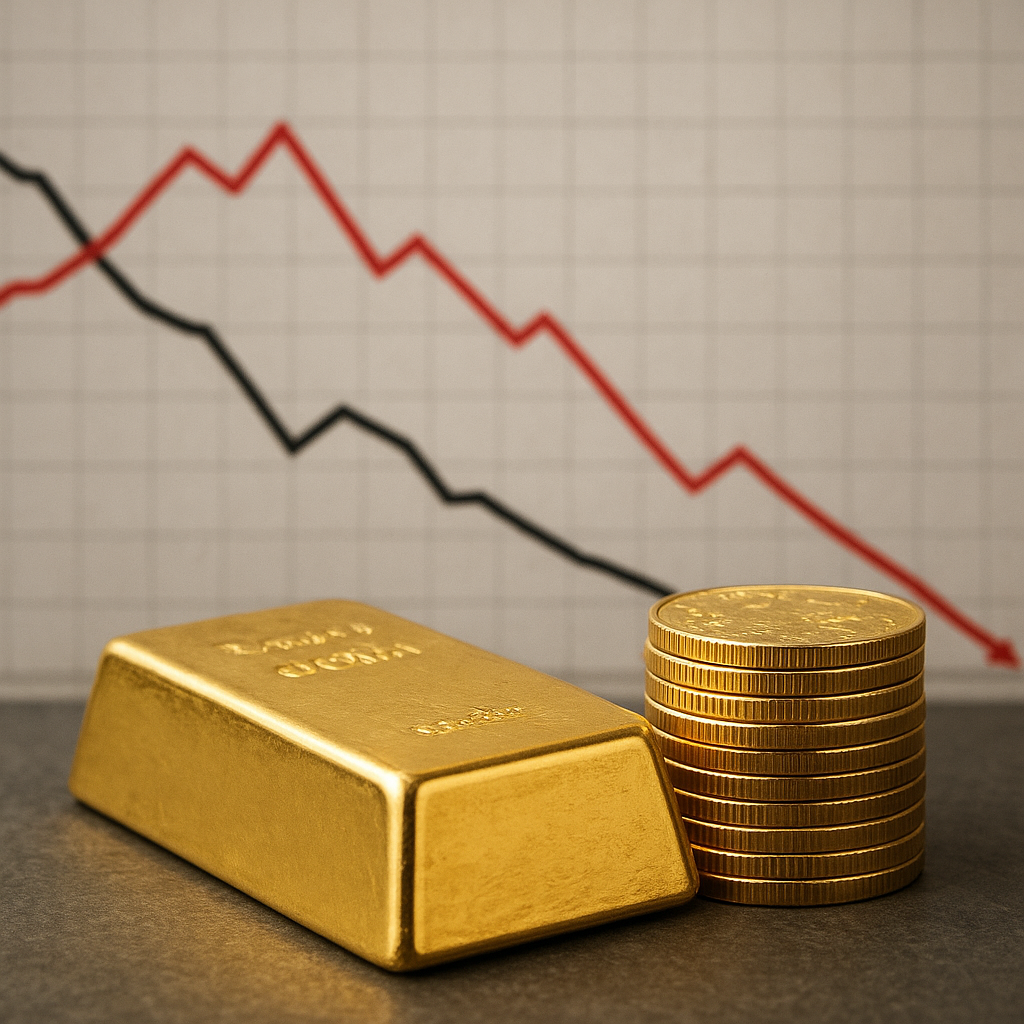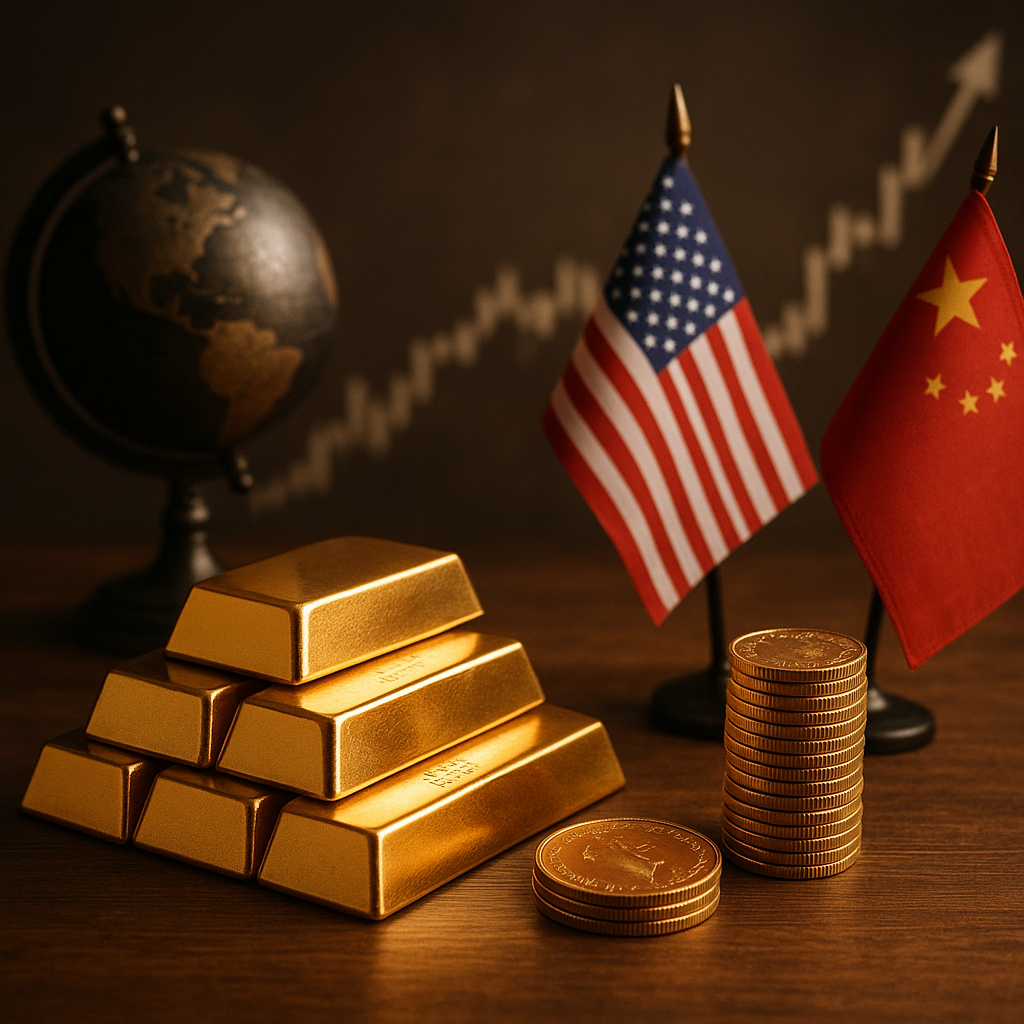
The escalating disputes between nations over import and export regulations have sent ripples through the financial world, notably reshaping the dynamics of the global gold market. As countries impose retaliatory measures and adjust trade barriers, investors scramble to reassess their portfolios, often turning to precious metals for security. This exploration delves into the interplay between geopolitical tensions and gold prices, revealing how economic policies, market psychology, and supply–demand shifts converge to define gold’s role as both commodity and safe haven.
The Mechanics of Tariffs and Trade Conflicts
Trade wars unfold when governments levy tariffs or quotas on imports to protect domestic industries or retaliate against perceived unfair competition. While the immediate aim is to adjust the balance of trade, the broader ramifications extend well beyond cross-border commerce:
- Interruption of supply chains: Tariffs can increase production costs, forcing firms to reroute shipments or find alternative suppliers.
- Currency fluctuations: Elevated trade barriers often weaken national currencies, altering the relative attractiveness of foreign assets.
- Investor sentiment shifts: Growing uncertainty drives market participants to reallocate capital towards perceived lower-risk vehicles.
Such measures not only reshape bilateral trade flows but also stir volatility across multiple asset classes. In this environment, gold’s centuries-old reputation for preserving value comes to the forefront.
How Gold Prices Respond to Geopolitical Tensions
1. Flight to Safety
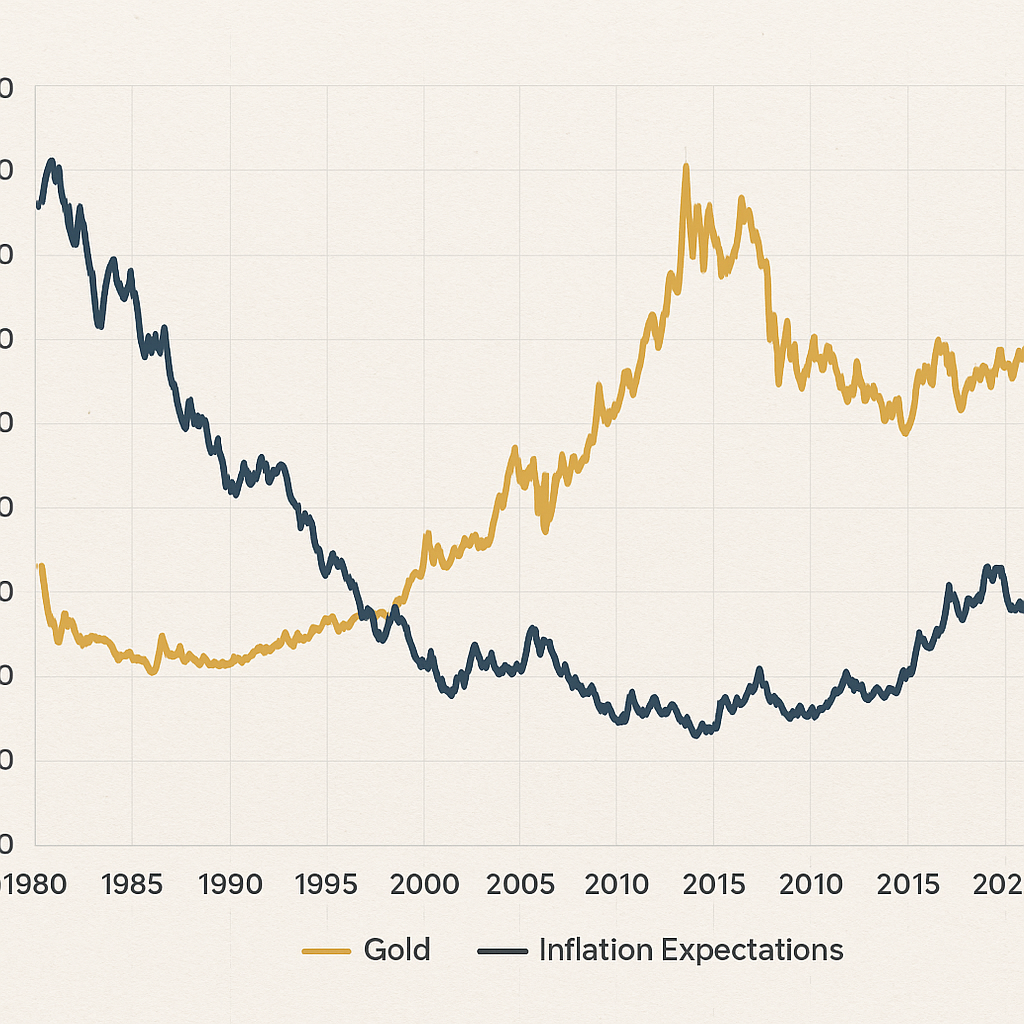
When export taxes and reciprocal levies heighten economic friction, risk-averse investors flock to tangible assets. Historically, gold demonstrates a negative correlation with stocks during downturns, acting as a portfolio diversifier. The global economy’s susceptibility to shocks encourages increased demand for bullion, which is widely viewed as insurance against inflation and currency debasement.
2. Currency Depreciation and Purchasing Power
As countries impose protectionist measures, their currencies can suffer downward pressure. A weaker currency makes gold more expensive domestically, prompting local buyers to procure bullion before prices climb further. Simultaneously, non-domestic investors may perceive the metal as undervalued after accounting for exchange rate movements, boosting cross-border acquisitions.
3. Speculation and Market Volatility
Short-term traders thrive on unpredictability. Frequent announcements of new tariffs or trade negotiations inject spikes of volatility into futures markets. Automated algorithms often react to geopolitical news, intensifying intraday price swings. This speculative activity can lead to temporary surges or sell-offs in gold, depending on broader risk appetite and liquidity conditions.
Historical Case Studies
Examining previous trade disputes offers insight into gold’s behavior under similar pressures:
A. US–China Trade Standoff (2018–2020)
During the bilateral skirmish, multiple rounds of tariffs led to alternating periods of dollar strength and weakness. Gold prices rose over 15% in 2019 as market participants feared a global slowdown. Central banks in emerging markets also increased purchases to hedge against local currency risks, further supporting price momentum.
B. Smoot–Hawley Tariff Act (1930s)
The notorious US legislation, designed to protect domestic agriculture, triggered a chain reaction of protectionist measures worldwide. The subsequent contraction of international trade exacerbated the Great Depression. Gold’s demand surged among both private and institutional investors seeking refuge from collapsing equity and bond markets.
Contemporary Dynamics and Future Outlook
Looking ahead, the interplay between trade policies and gold markets will continue to evolve under several influences:
- Monetary policy divergence: Central banks’ decisions on interest rates can either amplify or dampen gold’s appeal relative to fiat currencies.
- Emerging market demand: Rapidly developing economies often accumulate gold to diversify reserves, impacting global supply flows.
- Technological disruptions: Innovations in mining, recycling, and blockchain-based trading platforms may alter traditional supply channels.
- Geopolitical flashpoints: Regional conflicts or shifts in alliances can spur abrupt spikes in safe-haven buying.
Market participants must monitor negotiations, tariff announcements, and macroeconomic indicators while accounting for gold’s unique dual role as a commodity with intrinsic value and a financial asset sensitive to policy shifts. By understanding these forces, investors can better navigate the unpredictable landscape of trade wars and safeguard their portfolios against unforeseen shocks.