Precious metals have always held a unique place in global finance, offering a tangible store of value that transcends borders and currencies. When considering the purchase of gold as part of a diversified investment portfolio, understanding the subtle yet important distinctions among bullion, coins, and bars can help investors make informed decisions. This article explores how each form is priced, their inherent characteristics, and their roles in the dynamic landscape of the world gold market.
Understanding the Role of Gold in Global Finance
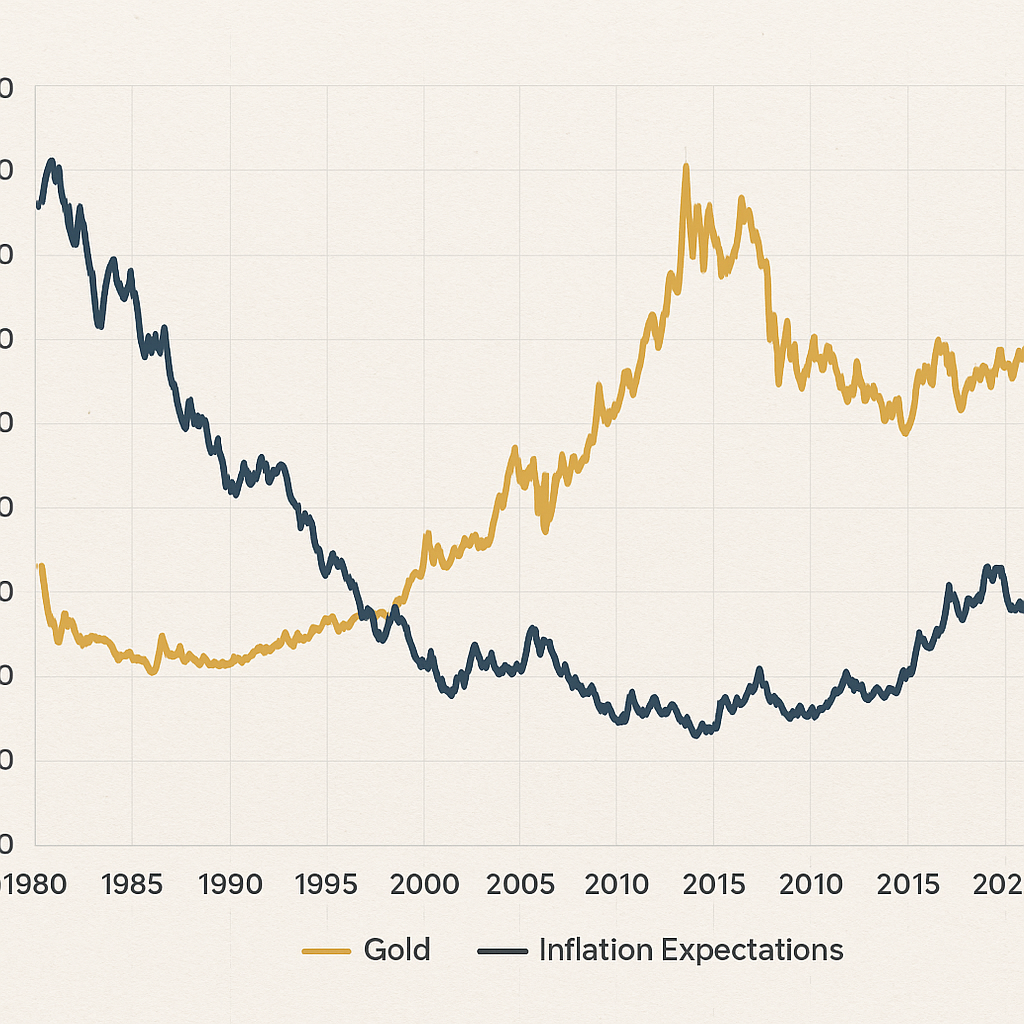
Throughout history, gold has served as a medium of exchange, a hedge against inflation, and a refuge during periods of economic turbulence. Major central banks continue to hold significant reserves in gold, signaling its enduring relevance. In modern markets, the spot price of gold is quoted in U.S. dollars per troy ounce and fluctuates based on supply and demand, geopolitical events, and macroeconomic indicators such as interest rates and currency strength.
Investors often track the spot price on commodity exchanges like COMEX and the London Bullion Market. When purchasing physical holdings, buyers pay a premium over this benchmark to cover manufacturing, distribution, and dealer margins. Recognizing the factors that drive world gold price movements can assist in timing acquisitions and optimizing portfolio allocations.
Characteristics of Bullion, Coins, and Bars
Bullion Defined
Bullion refers to any quantity of refined precious metal valued primarily by its mass and purity rather than by face value as currency. Typically cast as bars or minted into large ingots, bullion is favored by institutional investors and central banks. Its valuation hinges on two key variables: purity (often expressed in fineness such as .999 or .995) and weight.
Gold Coins: History and Collectibility
Coins carry dual appeal. First, they contain a known weight and fineness of gold similar to bullion, making them an investment vehicle. Second, many are legal tender with a guaranteed face value, enhancing their collectibility. Examples include the American Gold Eagle, Canadian Maple Leaf, and South African Krugerrand. Collectible attributes—such as minting year, rarity, and condition—can cause premiums to vary significantly beyond intrinsic metal content.
Gold Bars and Ingot Varieties
Bars typically range from small gram-sized pieces to large 400-ounce Good Delivery ingots held by major financial institutions. Smaller bars (1g to 1oz) are popular with retail buyers for ease of resale. Larger bars benefit from lower per-ounce premiums but require secure storage and insurance. Due to standardized dimensions and markings indicating weight, serial number, and refiner’s hallmark, bars are easily authenticated within the global bullion supply chain.
How World Gold Prices Are Determined
At the core of any transaction lies the spot price, reflecting immediate delivery. This price is streamed by bullion banks and exchanges in real time. When purchasing bullion, coins, or bars, dealers add a premium that captures refining costs, distribution, marketing, and dealer profit margins. Premiums fluctuate according to market conditions, forms of gold, and order size.
- Supply chain constraints: Disruptions in mining output or refinery capacity can widen the gap between spot price and final retail cost.
- Mint and refinery reputation: Bars from established refineries (e.g., PAMP Suisse, Johnson Matthey) often command lower premium due to liquidity and trust.
- Coin collectibility: Rare or limited-edition coins may trade at a significant markup over bullion equivalents.
- Currency fluctuations: As gold is priced in U.S. dollars, movements in major currencies can affect local purchaser costs and international demand.
Comparing Liquidity and Market Access
Liquidity refers to how quickly an asset can be sold at or near its market value. Large-scale institutional buyers often prefer high-purity bullion bars for their narrow bid-ask spreads and ease of transfer. Retail investors, however, may value the smaller denominations of coins and bars, which offer incremental access to sub-ounce quantities of gold.
Local dealers and online bullion platforms trade a range of sizes and formats, but transaction costs can vary widely. Small bars or fractional coins often carry higher premium percentages due to additional minting and handling expenses. Conversely, Good Delivery bars enjoy competitive margins but typically attract only serious bullion traders and require substantial storage solutions.
Factors to Consider When Choosing Your Gold Format
Before acquiring physical gold, investors should weigh several considerations:
- Storage and security: Larger bars may demand specialized vaulting arrangements, while smaller coins can fit in home safes.
- Resale flexibility: Widely recognized coins often resell more easily in retail markets, whereas large bullion bars sell primarily via institutional channels.
- Cost efficiency: Bulk purchases of high-purity bullion bars typically minimize premium expenses over time.
- Portfolio objectives: A mixture of bars and coins can balance liquidity needs with long-term storage goals.
Impact of Global Events on Gold Valuations
Events such as currency devaluations, geopolitical tensions, and central bank policy shifts can cause rapid adjustments in world gold price. During crises, demand for physical holdings often spikes, driving premium inflation and inventory shortages. Understanding how each form—bullion, coins, and bars—responds to market stress helps investors position themselves for potential price surges or liquidity challenges.
Institutional participants may react to macro signals by ramping up purchases of large, high-purity bullion bars via over-the-counter markets, while retail buyers might gravitate toward smaller coins and bars available at local dealers. Tracking real-time flows and inventory levels across trading centers like London, New York, and Shanghai can provide actionable insights into impending shifts in gold valuations.
Final Thoughts on Navigating the Gold Market
Investing in physical gold requires careful analysis of format, purity, cost, and market access. Whether you elect to hold traditional bullion bars, collectible coins, or a combination of both, a clear grasp of how world gold prices evolve—and what drives the premium structure—will enhance your strategic edge. By aligning your choice of bullion, coins, or bars with your financial objectives and risk tolerance, you can harness the timeless appeal of gold to bolster and diversify your asset portfolio.