The interplay between the global price of gold and its environmental footprint has become increasingly consequential for those eyeing it as a strategic asset. As demand surges and geopolitical tensions spike, the path to sourcing this precious metal often collides with concerns over ecological degradation. Investors, policymakers, and consumers must understand how fluctuations in the world gold price intertwine with the sustainability of mining operations, the rise of regulatory frameworks, and the evolving expectations around ethical supply chains.
Gold Price Dynamics in a Global Context
Over the past decade, the market for gold has undergone significant volatility. Factors driving its valuation include currency devaluation, inflationary pressures, central bank policies, and safe-haven demand during periods of economic turmoil. Major economies such as the United States, China, India, and the European Union wield considerable influence over world gold price benchmarks like the London Bullion Market Association (LBMA) fixings and COMEX futures.
Several key elements determine everyday pricing movements:
- Currency Fluctuations: A weaker US dollar makes gold cheaper for holders of other currencies, often boosting demand and resulting in upward price momentum.
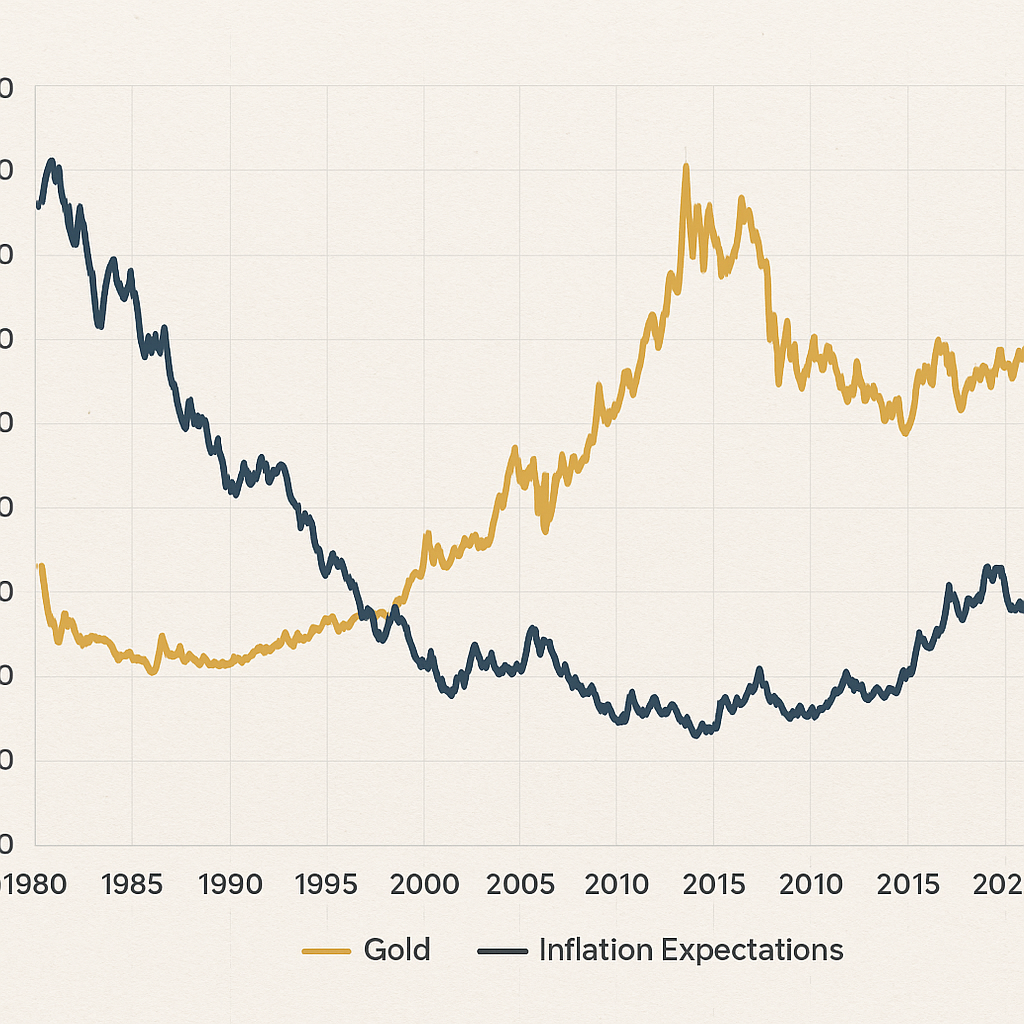
- Inflation Expectations: Gold is widely perceived as a hedge against inflation, so rising consumer price indices can spur increased buying by both investors and central banks.
- Geopolitical Risk: Tensions in regions such as the Middle East or disputes among major powers can ignite safe-haven flows into bullion, triggering rapid price jumps.
- Industrial Demand: Beyond jewelry and bullion, gold’s usage in electronics and medical devices adds another layer of demand dynamics, albeit smaller compared to investment-driven flows.
Environmental Impacts of Gold Extraction
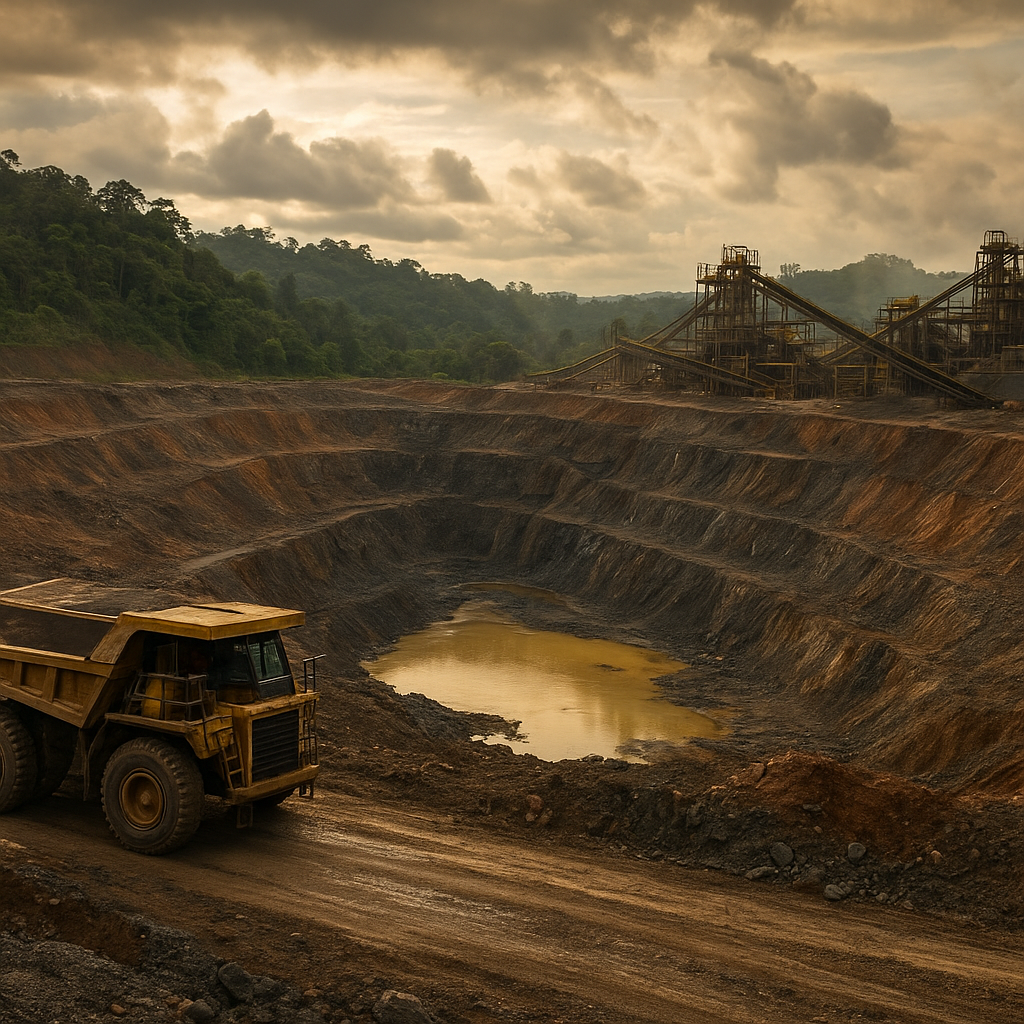
While gold offers clear financial benefits, its extraction often inflicts substantial harm on ecosystems. Open-pit and underground mining operations can strip large swathes of land, disrupt wildlife habitats, and release hazardous byproducts like cyanide and mercury into soil and watercourses.
Key environmental concerns include:
- Deforestation: Clear-cutting acres of forest to access ore deposits diminishes carbon sequestration capacity and accelerates biodiversity loss.
- Water Contamination: The use of toxic chemicals leaches heavy metals into rivers, leading to long-term damage to aquatic life and local communities’ drinking water sources.
- Tailings Dams Risks: Improperly maintained storage facilities for mining waste can collapse, unleashing toxic sludge across landscapes and waterways.
- Energy-Intensive Processing: Smelting and refining gold consume vast amounts of electricity, often derived from coal or other fossil fuels, intensifying greenhouse gas emissions.
Regulations, Compliance, and Market Responses
Governments and international bodies have responded to environmental and human rights issues through a patchwork of regulations aimed at ensuring responsible sourcing. Key regulatory measures shaping gold markets include:
- Conflict Minerals Legislation: Rules like the Dodd-Frank Act’s Section 1502 require public companies to audit their supply chains for metals that may fund armed groups.
- EU Due Diligence Laws: New directives compel importers to conduct risk-based due diligence on gold supply chains to prevent environmental abuse and human rights violations.
- National Mining Codes: Countries rich in gold reserves, such as Australia, Canada, and South Africa, impose strict environmental impact assessments before granting extraction permits.
- Carbon Disclosure Requirements: The growing emphasis on climate action has led stock exchanges to ask listed mining companies to report greenhouse gas emissions and mitigation plans.
These frameworks are nudging stakeholders toward more transparent operations. Firms that fail to comply risk reputational damage, legal sanctions, and exclusion from sustainability-focused investment funds.
Sustainable Practices and Their Influence on Market Trends
To address ecological challenges, the gold industry is adopting sustainability best practices, technologies, and certifications:
- Recycling Initiatives: Recovering gold from electronic waste and jewelry reduces the need for primary mining and curbs environmental disturbance.
- Cleaner Extraction Technologies: Innovations such as thiosulfate leaching offer less toxic alternatives to cyanide, lowering chemical discharge risks.
- Renewable Energy Integration: Deploying solar, wind, or hydropower on-site cuts carbon footprints and operational costs over time.
- Third-Party Certification: Schemes like Fairmined and the Responsible Jewelry Council set standards for responsible mining, enabling consumers and investors to favor certified products.
As these practices gain traction, they contribute to reshaped commodities markets. Gold produced under stringent environmental criteria often commands a premium, reflecting the rising importance of ethical considerations among end-users and fund managers.
Implications for Investors
Understanding the nexus between environmental stewardship and gold prices is essential for crafting resilient portfolios. Investors should weigh both traditional market indicators and sustainability metrics when choosing exposure to this commodities sector.
- ESG Integration: Incorporating environmental, social, and governance factors into due diligence can reveal hidden risks and opportunities tied to mining operations’ ecological performance.
- Green Bonds and Sustainable Funds: Some issuers now link debt instruments to mining projects that adhere to strict environmental benchmarks, offering investors direct participation in greener supply chains.
- Hedging Strategies: Options and futures contracts enable market participants to buffer against sudden price swings driven by environmental incidents or regulatory announcements.
- Active Stewardship: Shareholder engagement and proxy voting empower asset owners to push mining companies toward improved environmental standards, potentially enhancing long-term value.
By integrating these considerations into a holistic investment approach, stakeholders can align financial objectives with the imperative of preserving natural capital for future generations.
Collaboration Across the Supply Chain
No single entity can tackle the environmental challenges posed by gold mining in isolation. Progress hinges on collaboration between miners, refiners, jewelry manufacturers, financial institutions, and regulators. Collective initiatives such as the Initiative for Responsible Mining Assurance (IRMA) and the Global Environment Facility (GEF) foster multi-stakeholder dialogue and drive continuous improvement.
- Data Sharing: Transparent reporting of environmental metrics and water usage helps build trust and informs better decision-making at every stage of the value chain.
- Capacity Building: Training programs for local communities and small-scale miners reduce harmful practices and promote alternative livelihoods.
- Industry Alliances: Partnerships like the Alliance for Responsible Mining (ARM) enable small-scale operators to meet international sustainability standards.
Through these collaborative efforts, the gold industry can reconcile the pursuit of profit with the imperative of environmental protection, ultimately supporting a stable and ethically grounded investment landscape.