The precious metal that has shaped financial markets for centuries now stands at a crossroads. As the global economy embraces digital innovation and technological disruption, gold’s traditional status as a store of value is being reexamined. From shifting geopolitical alliances to the rise of central bank digital currencies, the **landscape** of gold investment is evolving dramatically. Investors are asking whether this timeless asset will retain its allure in an era defined by rapid **innovation** and digital assets. This article delves into the core factors influencing the world gold price, examines the implications of digital transformations, and explores potential scenarios for gold’s future in a **digitally** powered global economy.
Market Dynamics and Price Drivers
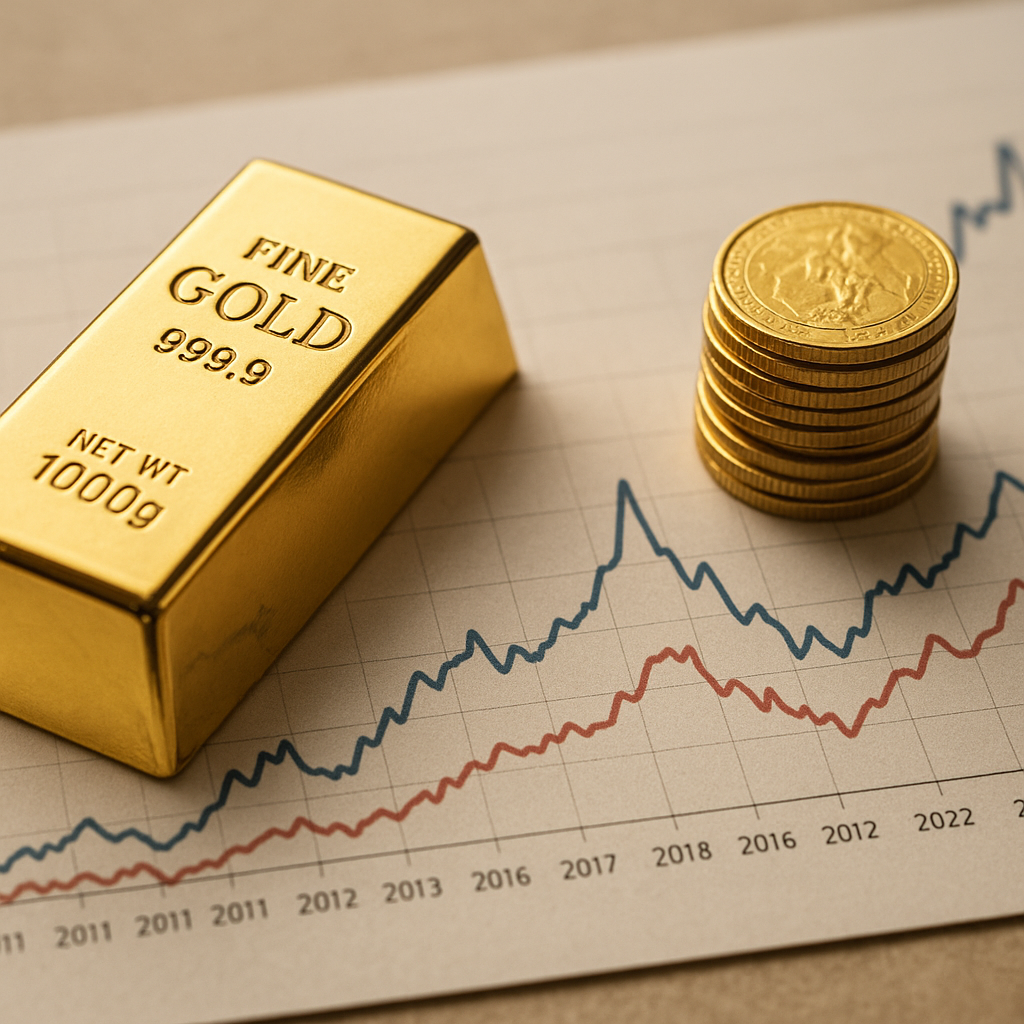
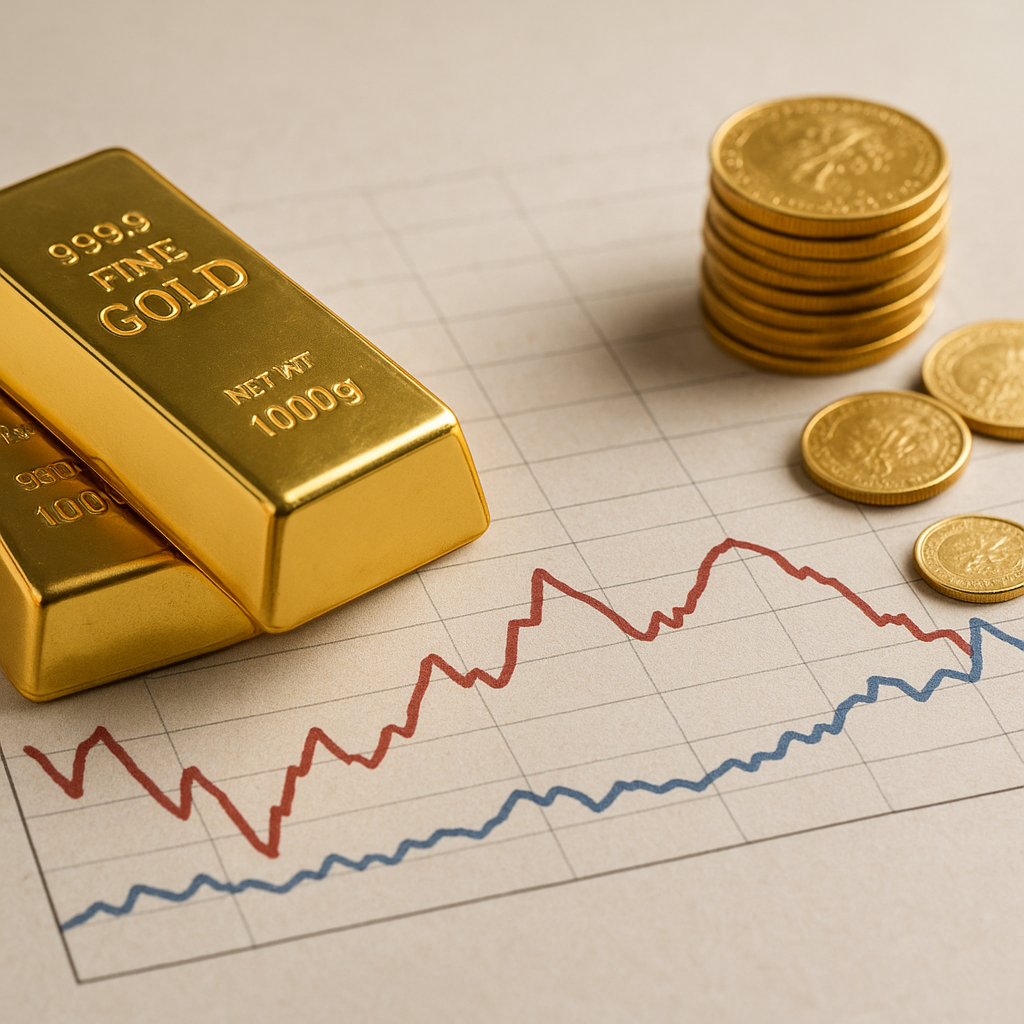
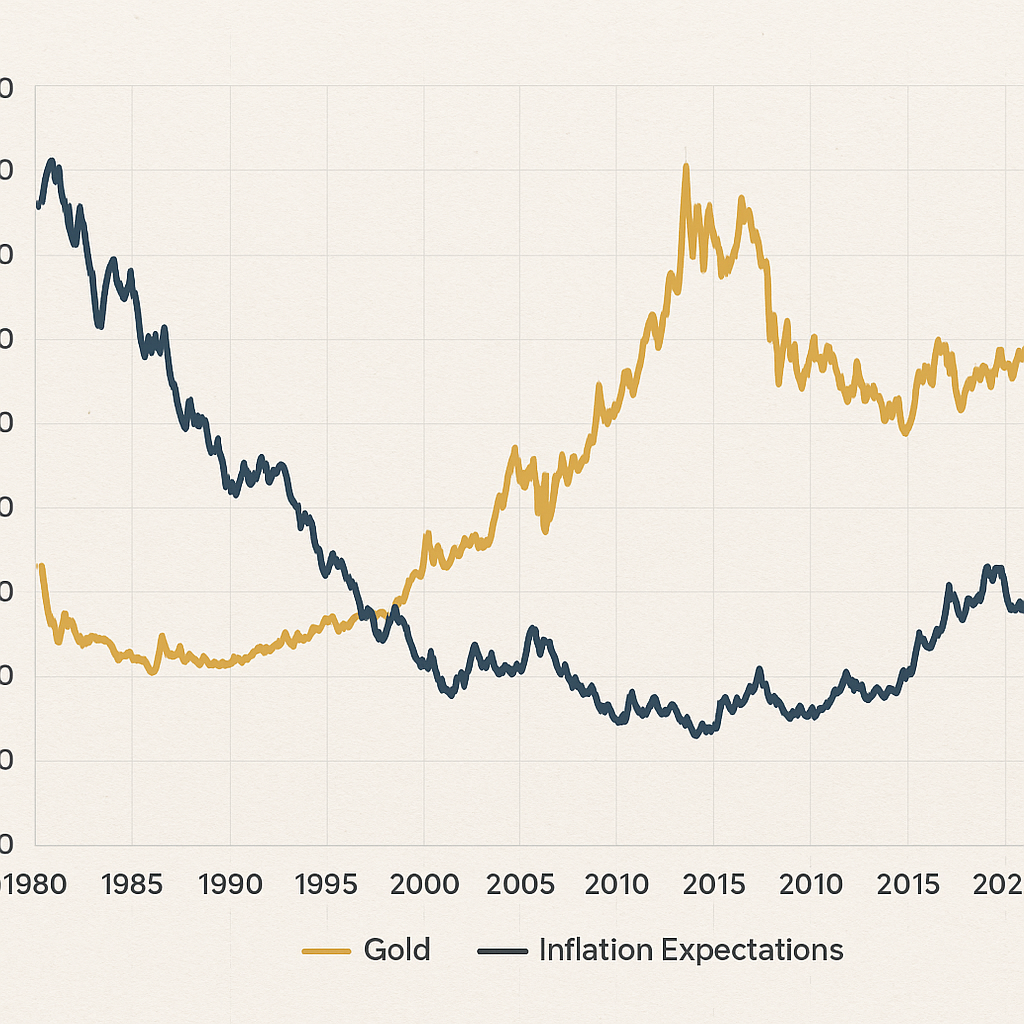
Gold’s price has always been influenced by a complex interplay of supply and demand, macroeconomic indicators, and investor psychology. Key factors include central bank purchases, jewelry and industrial demand, mining output, and speculative positioning. Over the past decade, gold has experienced periods of high **volatility**, often driven by fears of rising **inflation**, currency devaluations, and geopolitical tensions. In recent years, record-breaking purchases by emerging market central banks have underlined gold’s continued appeal as a **reserve** asset. These large-scale acquisitions have helped support prices above critical levels, even as interest rates and bond yields fluctuate.
On the demand side, jewelry consumption remains the largest component, particularly in Asia. Cultural preferences in India and China continue to underpin robust retail purchases, while industrial usage—although smaller—has seen incremental growth due to gold’s conductive properties in electronics. Investment demand, however, has become the most dynamic segment, with retail investors, exchange-traded funds (ETFs), and institutional buyers all vying for exposure. ETF holdings in gold trust structures surged during periods of economic uncertainty, reinforcing the metal’s reputation as a defensive **commodity**.
- Central bank buying trends and their impact on supply-demand balance
- Jewelry and industrial demand in emerging markets
- Inflation expectations and real interest rate differentials
- Sovereign debt levels and currency devaluation concerns
- Investor sentiment and speculative positioning metrics
Digital Transformation and Tokenization
Gold-Backed Digital Assets
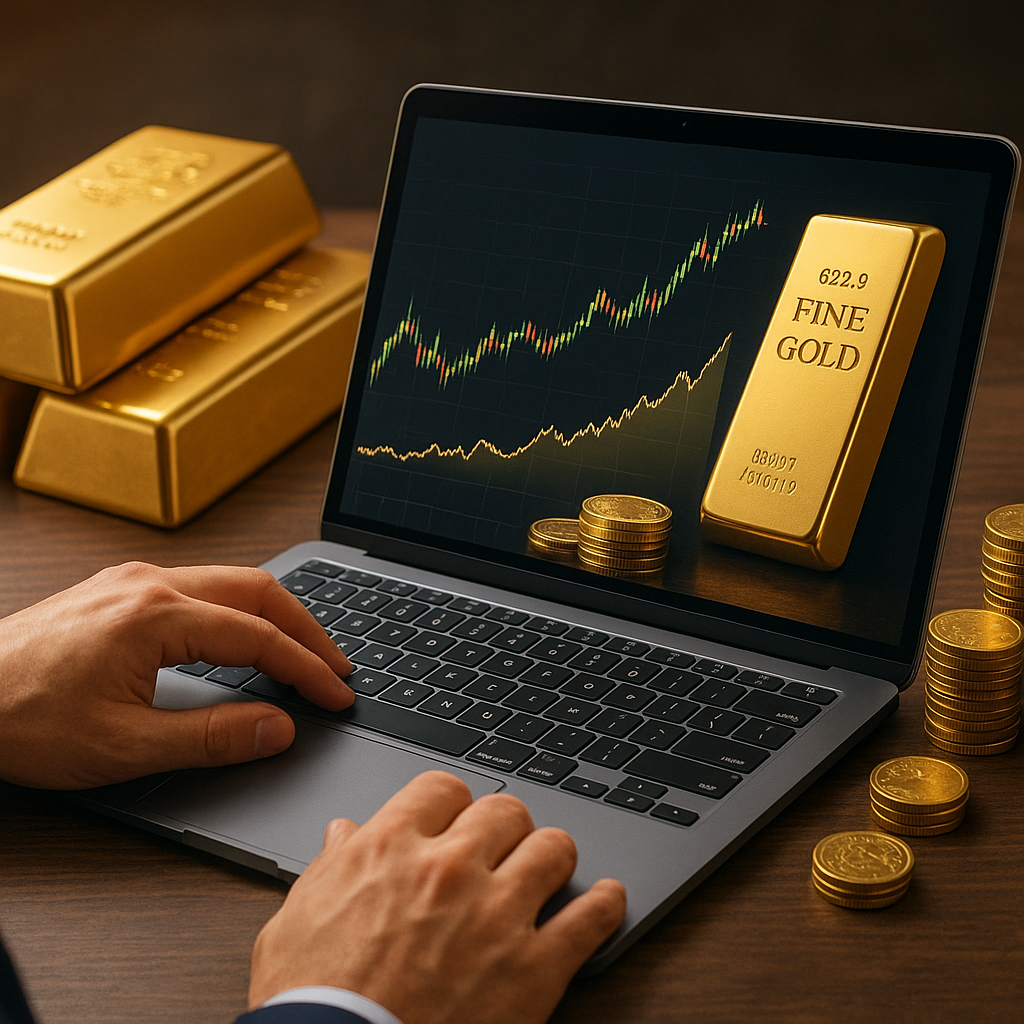
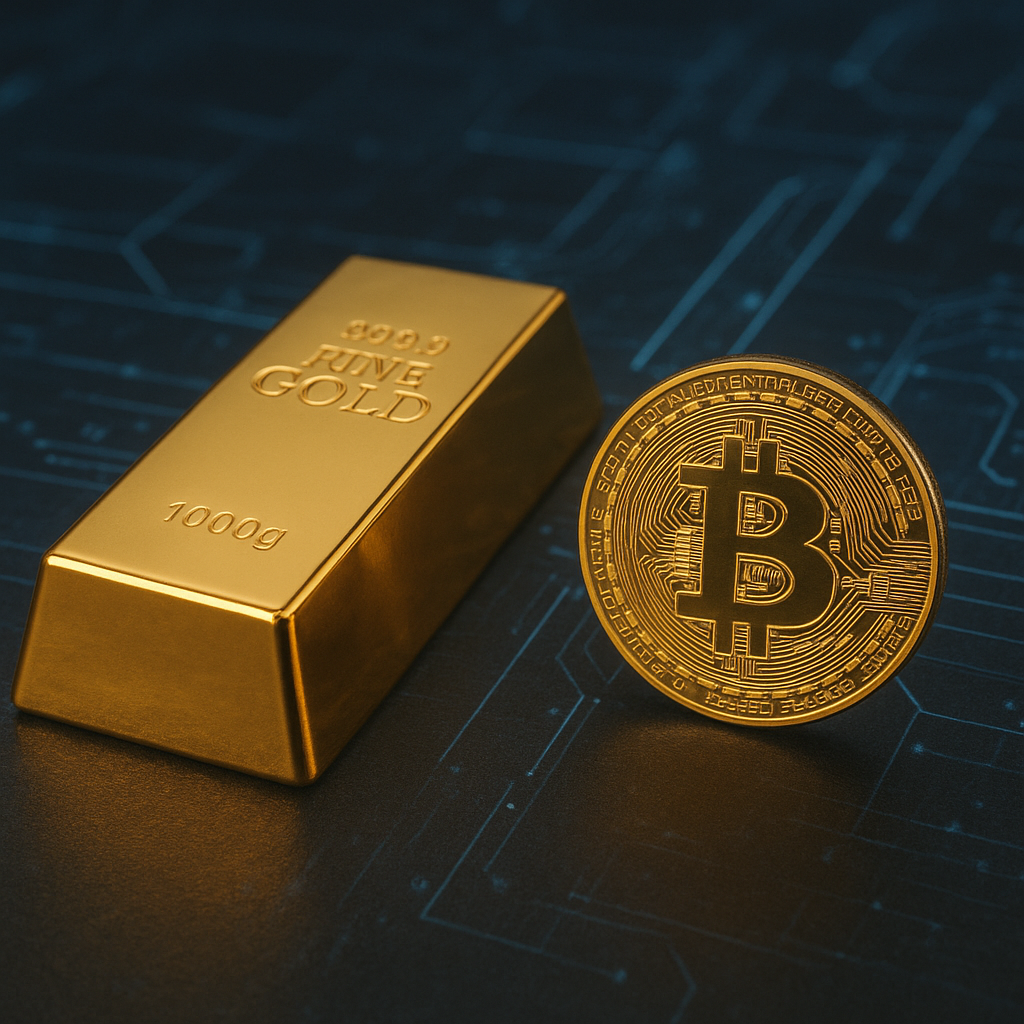
The convergence of gold and digital technology has given rise to innovative financial instruments known as gold-backed tokens. These tokens represent physical gold holdings stored in secure vaults, enabling investors to buy, sell, and transfer ownership on blockchain networks. By leveraging distributed ledger technology, tokenization promises enhanced **transparency**, reduced transaction costs, and near-instant settlement times. Several platforms now issue tokenized gold certificates, providing fractional ownership and opening the door to smaller retail investors who were previously priced out of the market.
Opportunities and Risks
While gold tokenization offers significant advantages, it also introduces new risks. Counterparty concerns, regulatory uncertainty, and cybersecurity vulnerabilities are critical issues that must be addressed. Investors must assess the trustworthiness of custodians, the adequacy of insurance coverage, and the legal framework governing digital assets in their jurisdictions. Nevertheless, the potential for gold tokens to integrate with decentralized finance (DeFi) protocols could create a vibrant ecosystem of **liquidity** and yield-bearing opportunities, further blurring the line between traditional and digital assets.
- Enhanced accessibility through fractional ownership
- Potential for 24/7 global trading and settlement
- Smart contracts enabling automated compliance and auditability
- Cybersecurity strategies for vault and token protection
- Regulatory frameworks shaping future adoption
Central Bank Policies and Global Reserves
Central banks remain the largest institutional holders of gold, viewing it as a critical component of foreign exchange reserves. Their policies have significant implications for world gold prices. In recent years, several emerging economies have embarked on gold accumulation campaigns to diversify their **currency** portfolios away from major reserve currencies like the US dollar. This trend has provided a structural support for gold, especially during times of monetary easing by developed economies.
Furthermore, discussions around a potential redenomination of the international monetary system, including proposals for a new digital reserve asset or a basket of commodities, have placed gold back at the center of policy debates. While the US dollar continues to dominate, the search for alternative settlement mechanisms has fueled speculation about increased central bank demand. The introduction of central bank digital currencies (CBDCs) may complement existing gold reserves, allowing authorities to manage liquidity more effectively and enhance financial stability.
- Resilience of gold as a non-sovereign value store
- Diversification strategies in reserve management
- Impact of negative interest rate policies on gold holdings
- Potential integration of gold with CBDC frameworks
- Geopolitical shifts influencing reserve allocations
Investment Strategies and Portfolio Implications
Incorporating gold into a diversified **portfolio** has historically offered a hedge against market downturns and currency weakness. Traditional strategies include physical bullion, gold coins, and gold ETFs. However, as digital solutions mature, investors now have a spectrum of choices ranging from tokenized gold to synthetic exposure via derivatives. Each approach presents unique risk-return profiles, liquidity characteristics, and cost structures.
Advisors often recommend a gold allocation of 5–10% for balanced portfolios, adjusting for risk tolerance, time horizon, and economic outlook. In inflationary environments, gold tends to outperform nominal bonds and cash, preserving purchasing power. During deflationary or growth-driven rallies, equities may lead the markets, but a modest gold stake can still mitigate sharp losses. As digital platforms enable easier access and more flexible transaction sizes, individual investors can fine-tune their exposure in real time, responding swiftly to shifts in macroeconomic indicators.
- Comparing physical gold holdings with digital and synthetic solutions
- Cost considerations: storage, insurance, transaction fees
- Liquidity differences across markets: spot, futures, tokens
- Dynamic rebalancing using automated portfolio management tools
- Tax and regulatory treatment of gold investments globally
Outlook and Strategic Implications
Looking ahead, gold’s role in a digital economy will depend on its ability to adapt to new technologies while maintaining the core attributes that made it a **safe** haven for centuries. If tokenization platforms can earn market trust through robust governance, auditability, and regulatory compliance, gold may cement its position as a bridge between the traditional and digital financial worlds. Conversely, failure to address operational and legal complexities could limit adoption to a niche segment.
For policymakers, balancing innovation with consumer protection will be critical. Clear guidelines on custody standards, anti–money laundering protocols, and cross-border transaction rules will encourage wider participation. Meanwhile, central banks must weigh the benefits of modernizing their reserves with digital tools against the enduring value of physical gold holdings. Ultimately, gold’s timeless appeal as a hedge against uncertainty is unlikely to disappear, but its future trajectory will be shaped by the interaction of technology, regulation, and global economic trends.