Investors often seek to balance risk and return by allocating resources across various assets. Two of the most prominent choices are real estate and gold, each offering unique characteristics. While real estate provides tangible holdings and potential rental income, gold serves as a traditional safe haven and a diversified hedge against inflation. Examining the connection between world gold price trends and real estate performance can help investors create a robust portfolio that weathers economic storms and captures growth opportunities.
Understanding the Dynamics of World Gold Prices
Global gold valuations continuously react to a blend of macroeconomic indicators, central bank policies, and market sentiment. Unlike equities or real estate, gold is unaffected by rental demands or vacancy rates. Instead, drivers include:
- Interest Rate Differentials: Lower real interest rates tend to support higher gold prices as the opportunity cost of holding non-yielding metal declines.
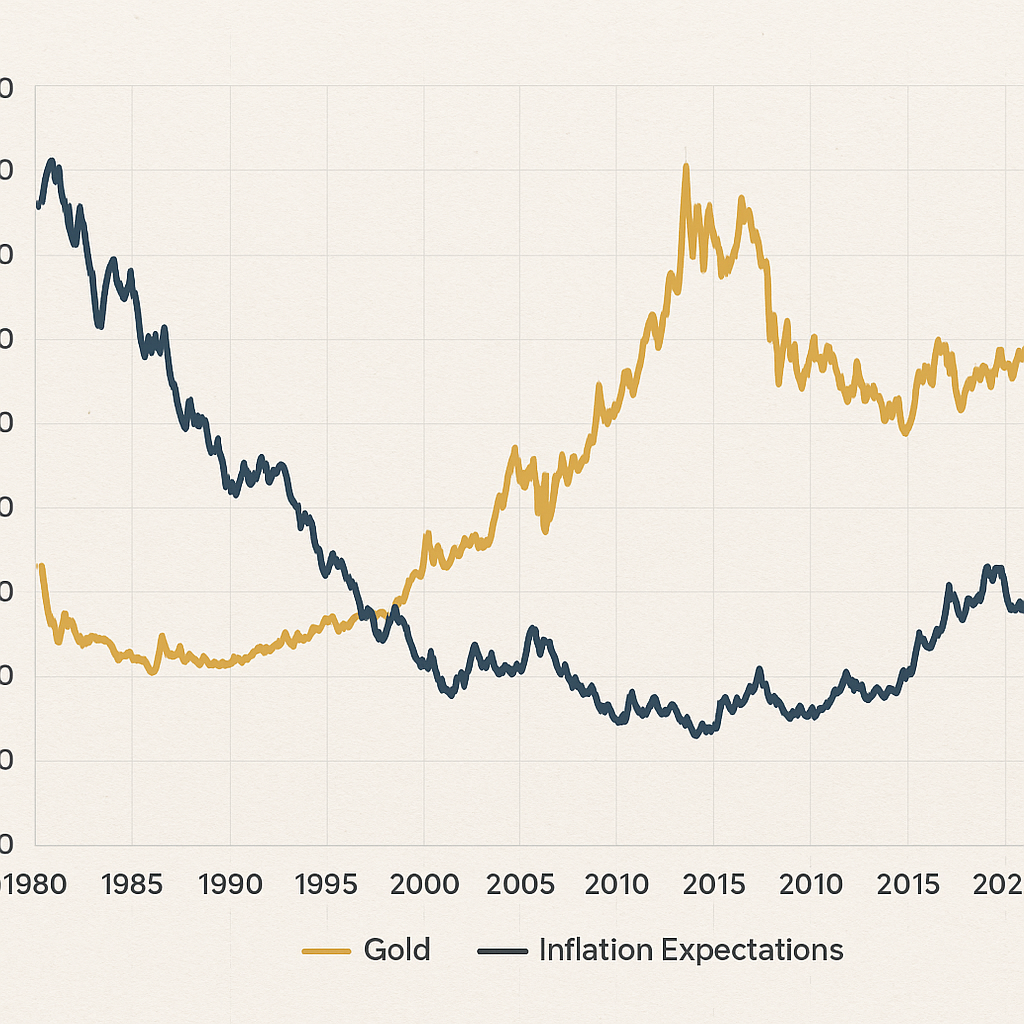
- Inflation Expectations: Gold is prized for its ability to preserve purchasing power. Rising inflation often propels investors toward bullion, lifting prices.
- Geopolitical Uncertainty: During crises—whether regional conflicts or global trade tensions—gold benefits from a flight-to-safety, reflecting its status as a resilient hedging instrument.
- Currency Movements: A weaker US dollar typically makes gold cheaper for holders of other currencies, boosting demand and pushing up the benchmark price.
- Central Bank Reserves: Purchases or sales by major banks can cause significant price shifts, as large volumes of gold enter or exit official coffers.
With these factors in mind, investors track the London Bullion Market Association (LBMA) and COMEX quotes, which serve as industry benchmark indices for spot and futures prices. The persistent interplay between supply constraints—mining output, recycling flows—and robust demand from jewelry, technology, and sovereign reserves underpins the metal’s long-term appeal.
Comparative Analysis of Real Estate and Gold Investments
When comparing property and precious metals, several key metrics stand out. Real estate and gold differ markedly in areas such as liquidity, transaction costs, risk profile, and historical performance. Understanding these distinctions is crucial for informed decision-making.
Liquidity and Transaction Efficiency
- Real Estate: Selling physical property can take months, involving legal processes, inspections, and agent fees.
- Gold: Can be sold quickly through brokers, exchanges, or online dealers, offering near-instant access to cash and improved liquidity.
Cost Structure
- Real Estate: Ongoing expenses include maintenance, property taxes, insurance, and management fees.
- Gold: Requires storage, security, and insurance, but avoids recurring maintenance costs associated with buildings.
Volatility and Risk
- Real Estate: Generally exhibits lower volatility than equities, though sensitive to local market cycles and credit availability.
- Gold: Prices can be volatile in the short term, driven by speculation, central bank actions, and shifting macroeconomic data.
Yield and Income Generation
- Real Estate: Offers potential rental income streams, providing steady cash flow if well-managed.
- Gold: Does not yield dividends or interest; total returns depend solely on price appreciation.
By evaluating these comparative elements, investors can determine which diversification strategy aligns with their risk tolerance and financial objectives. Blending the steady cash flows of property with gold’s crisis-resistant attributes can smooth overall returns and protect against downturns.
Strategies to Balance Gold and Real Estate
Crafting a resilient investment mix requires understanding how gold and real estate respond to market forces. The following tactics can guide portfolio allocation:
- Core-Satellite Approach: Assign core holdings to stable real estate assets—such as multifamily residential or commercial properties—and use gold as an orbiting hedging satellite to offset equity or property downturns.
- Dynamic Rebalancing: Monitor economic indicators—interest rates, bond yields, and inflation readings—and adjust allocations periodically. For instance, increase gold weighting if inflationary pressures emerge or if property valuations appear overheated.
- Geographical Diversification: Invest in real estate across multiple regions to mitigate localized risks, while acquiring gold through international markets to capitalize on currency fluctuations.
- Instrument Choice: Choose between physical gold bullion, exchange-traded funds (ETFs), and gold mutual funds. Each vehicle comes with distinct cost structures, liquidity profiles, and storage considerations.
- Leverage and Financing: Use low-cost financing to amplify real estate returns when interest rates are favorable, but maintain an unlevered or modest gold position to preserve flexibility.
Inflation-Protected Portfolio Design
Given gold’s traditional role as an inflation hedge, allocating a portion—often 5–15%—to bullion can guard against purchasing power erosion. Real estate itself exhibits some inflation sensitivity through rent escalations, making the combined allocation particularly powerful during periods of rising prices. By measuring the relationship between consumer price indices and gold valuations, investors can fine-tune holdings for optimal appreciation potential.
Case Studies from Major Global Markets
United States
US residential real estate has experienced prolonged appreciation driven by demographic growth, low interest rates, and limited inventory. Meanwhile, gold prices rallied in response to expansive Federal Reserve policies and fiscal stimulus measures. A balanced approach—owning rental properties in high-demand metros alongside gold ETFs—helped investors cushion against stock market pullbacks.
China
China’s property sector encountered policy tightening to curb excessive leverage, leading many local investors to diversify into gold. The Shanghai Gold Exchange (SGE) saw record physical deliveries as real estate sentiment cooled. Those combining onshore gold contracts with tier-1 city housing investments achieved a buffered return profile.
UAE and Gulf Region
In oil-rich economies, real estate often serves as a store of wealth. However, cyclical oil revenues introduce volatility. Gold’s universal appeal in Gulf markets provides a natural complement. Savvy investors allocate capital to luxury developments in Dubai or Abu Dhabi while holding sovereign-backed gold coins or bars to hedge against energy price fluctuations and regional geopolitical tensions.
Emerging Markets
Countries such as India and Turkey combine strong cultural affinity for gold with rapidly urbanizing real estate sectors. In India, physical gold jewelry and bullion constitute a significant portion of household assets. At the same time, metropolitan real estate appreciates amid population shifts. Integrating both traditional and modern instruments enables investors to harness local demand drivers and global price benchmarks.
Conclusion
Integrating real estate and gold investments offers a strategic pathway to balance income generation, capital growth, and downside risk protection. By understanding the nuances of world gold price movements alongside property market cycles, investors can achieve a diversified portfolio that stands resilient through both expansionary and recessionary phases. Thoughtful allocation, dynamic rebalancing, and geographic diversification underpin successful outcomes in the ever-evolving global economy.