The global **gold market** has long been a barometer for financial **stability** and investor **sentiment**. Over recent decades, the introduction of exchange-traded funds has transformed the way participants access and trade physical gold. Among these innovative vehicles, SPDR Gold Shares (GLD) stands out as one of the largest and most influential. This article explores how ETFs like GLD have impacted world gold prices, examining their structure, market dynamics, and the broader implications for investors and central banks.
Historical Role of Gold and Early Price Drivers
For millennia, gold served as both a currency and a store of value. Its scarcity, malleability, and resistance to corrosion established gold as a preferred means of preserving **wealth**. In the 20th century, the dissolution of the Bretton Woods system in 1971 liberated gold from fixed exchange rates, allowing its price to be determined by free-market forces. Traditional drivers included mine production, jewelry demand, and central bank reserves. Over time, technological advances in mining and shifting consumption patterns in emerging economies like India and China also played key roles.
Supply Constraints and Mining Output
The global supply of gold is constrained by geological rarity and the lengthy process required to develop new mines. As a result, annual changes in production often fail to keep pace with surging demand during economic or geopolitical turmoil. This gap between supply and demand historically contributed to sharp price spikes, as seen during the 2008 financial crisis, when investors sought safe-haven assets to hedge against systemic risk.
Central Bank Purchases and Sales
Central banks significantly influence gold prices through their reserve management policies. Coordinated sales, such as the Washington Agreement on Gold in 1999, temporarily dampened prices. Conversely, in recent years, many central banks have been net **buyers**, driven by efforts to diversify foreign reserves and reduce reliance on foreign currencies. These actions have intricate interactions with ETF-driven flows in the open market.
The Emergence of Gold ETFs and SPDR Gold Shares (GLD)
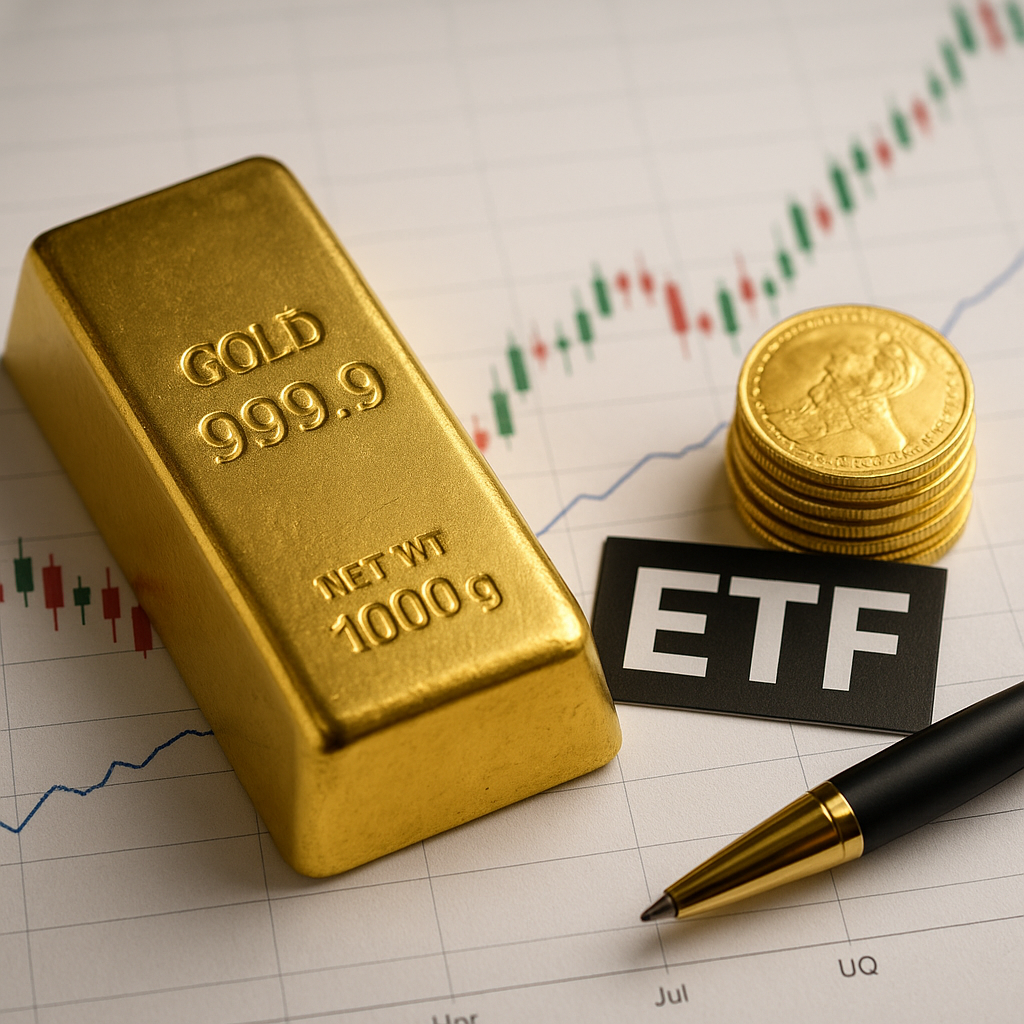
The launch of gold ETFs in the early 2000s revolutionized the market by offering investors a liquid, accessible, and cost-effective alternative to purchasing physical gold. SPDR Gold Shares (GLD), introduced in 2004, quickly became a flagship fund, allowing participants to gain exposure to gold prices without storage or insurance hassles.
Structure and Mechanics of GLD
- Authorized Participants: Designated financial institutions that create or redeem ETF shares by delivering or receiving physical **gold** bars.
- Creation/Redemption Process: In-kind transactions ensure that the ETF’s holdings closely track the spot price of gold while minimizing capital gains distributions.
- Storage and Custody: GLD holds its bullion in secure vaults, primarily through custodians like HSBC, maintaining a transparent audit trail and daily disclosures of inventory.
- Expense Ratio and Fees: With an annual fee of around 0.40%, GLD remains competitive compared to the costs of direct bullion ownership, especially for small investors.
Impact on Global Gold Price Dynamics
The proliferation of gold ETFs has reshaped market **liquidity**, price discovery, and the relationship between physical and paper markets. ETFs like GLD facilitate rapid inflows and outflows, amplifying both bullish and bearish trends.
Enhanced Liquidity and Price Discovery
By enabling investors to trade gold in real-time on major exchanges, ETFs have significantly increased market turnover. This heightened **liquidity** contributes to tighter bid-ask spreads and more efficient price formation. Institutional and retail participants now respond instantly to macroeconomic data, central bank announcements, and currency fluctuations, with immediate reflection in ETF share prices.
Volatility and Speculative Flows
While ETFs improve liquidity, they can also intensify **volatility**. Large-scale creations or redemptions by institutional players can trigger sudden demand or supply pressures in the physical market. Additionally, leveraged products and algorithmic trading strategies tied to ETF movements can exacerbate price swings during periods of stress or euphoria.
Key Drivers of ETF-Related Gold Price Movements
Several interlinked factors contribute to how ETFs influence gold prices. Understanding these drivers is essential for market participants seeking to anticipate future price trends.
Net Inflows and Outflows
- Capital Flows: Positive sentiment—often ignited by geopolitical tensions, inflation fears, or currency depreciation—spurs **inflows** into gold ETFs, increasing physical demand and pushing prices higher.
- Outflows: Conversely, risk-on environments and rate hikes can prompt **outflows**, leading ETF managers to redeem shares and liquidate bullion, applying downward pressure on spot prices.
Interest Rates and Opportunity Cost
The yield on government bonds and real interest rates represent the opportunity cost of holding non-yielding assets like gold. When rates rise, gold ETFs often see withdrawals as investors favor income-generating instruments. Conversely, low or negative real rates enhance gold’s appeal, driving ETF purchases.
Currency Movements
Gold is priced in **dollars** globally. A weaker dollar lowers the local-currency price for foreign buyers, boosting ETF demand outside the United States. ETF flows can therefore both respond to and reinforce currency moves, creating feedback loops between FX and gold markets.
Geopolitical and Macro Events
Political instability, trade tensions, or pandemics can trigger risk aversion. ETFs, with their ease of access, become preferred safe-haven vehicles. Sudden spikes in **demand** often lead to rapid bullion acquisitions, contributing to sharp price rallies.
Industrial and Jewelry Demand Interplay
Although ETFs dominate trading volumes, physical consumption—especially in jewelry and electronics—still affects long-term price levels. Robust demand in emerging markets can amplify ETF-driven rallies, while sluggish consumer markets may dampen the overall uptrend.
Strategic Implications for Investors and Institutions
Gold ETFs provide a versatile toolkit for a variety of market participants, from individual savers to institutional portfolio managers. However, understanding both advantages and limitations is critical for effective deployment.
Advantages of Gold ETFs
- Accessibility: ETFs trade like stocks, eliminating the complexities of bullion storage, insurance, and transport.
- Transparency: Daily disclosures of holdings and net asset values enhance investor confidence.
- Cost Efficiency: Lower transaction costs and no minimum purchase sizes make ETFs suitable for small accounts.
- Diversification: Allocations to gold ETFs can reduce overall portfolio volatility and hedge against inflation or currency risk.
Risks and Limitations
- Counterparty Exposure: Reliance on custodians and authorized participants introduces potential operational risks.
- Tracking Error: Management fees and operational frictions can cause slight deviations from spot prices over time.
- Market Liquidity Crunch: In severe market dislocations, redeeming large ETF positions may prove challenging, potentially widening spreads.
- Regulatory Shifts: Changes in securities regulations or tax treatments can alter the attractiveness of ETFs relative to direct bullion holdings.
Interplay with Central Banks and Physical Markets
While ETFs dominate trading volumes, central bank policies and large-scale institutional holdings maintain a pivotal role in the gold ecosystem. The interaction between these segments can create complex price dynamics.
Central Bank Reserve Management
Major economies continue to adjust reserves, with some reducing exposures to foreign currencies by increasing **gold** allocations. These large-scale purchases often coincide with ETF inflows, reinforcing bullish momentum.
Wholesale Bullion Market Responses
To meet ETF-induced bullion demand, producers and refiners must ramp up deliveries. This can temporarily strain supply chains, leading to premiums in certain regions. Conversely, mass redemptions can flood the wholesale market, triggering spot price declines.
In conclusion, the advent of gold ETFs such as SPDR Gold Shares has fundamentally transformed price discovery, liquidity, and accessibility in the global gold market. By bridging the gap between physical bullion and financial products, these ETFs empower investors but also introduce new dynamics that can amplify price movements. A nuanced understanding of ETF mechanics, macro drivers, and the interplay with central banks remains essential for participants navigating this evolving landscape.