The Role of Gold in Islamic Finance explores the intricate relationship between global bullion markets and Shariah-compliant financial structures. This article examines how fluctuations in the world gold price affect liquidity, stability, and risk management within Islamic banking, while highlighting the spiritual and ethical dimensions that differentiate this system from conventional finance.
Principles of Gold Pricing in Islamic Finance
Islamic finance is grounded in Shariah principles that emphasize asset-backed transactions and ethical conduct. Gold, known historically as Dinar, functions both as a currency and a store of value. Unlike fiat money, it cannot be created at will; instead, its supply is determined by mining output and central bank reserves. Key principles include:
- Asset-backing: Every transaction must involve tangible assets. Gold-backed sukuk and deposit accounts are designed to comply with this requirement.
- Prohibition of Riba: Interest-based gains are forbidden. Gold investments generate returns through leasing (Ijarah) or profit-and-loss sharing (Mudarabah).
- Equal exchange (Quran 2:275): Gold must be traded for gold on the spot to avoid speculation; deferred delivery triggers additional conditions.
- Transparency and Fairness: Prices should be publicly available and agreed upon by both parties to prevent injustice.
Mechanisms of Pricing
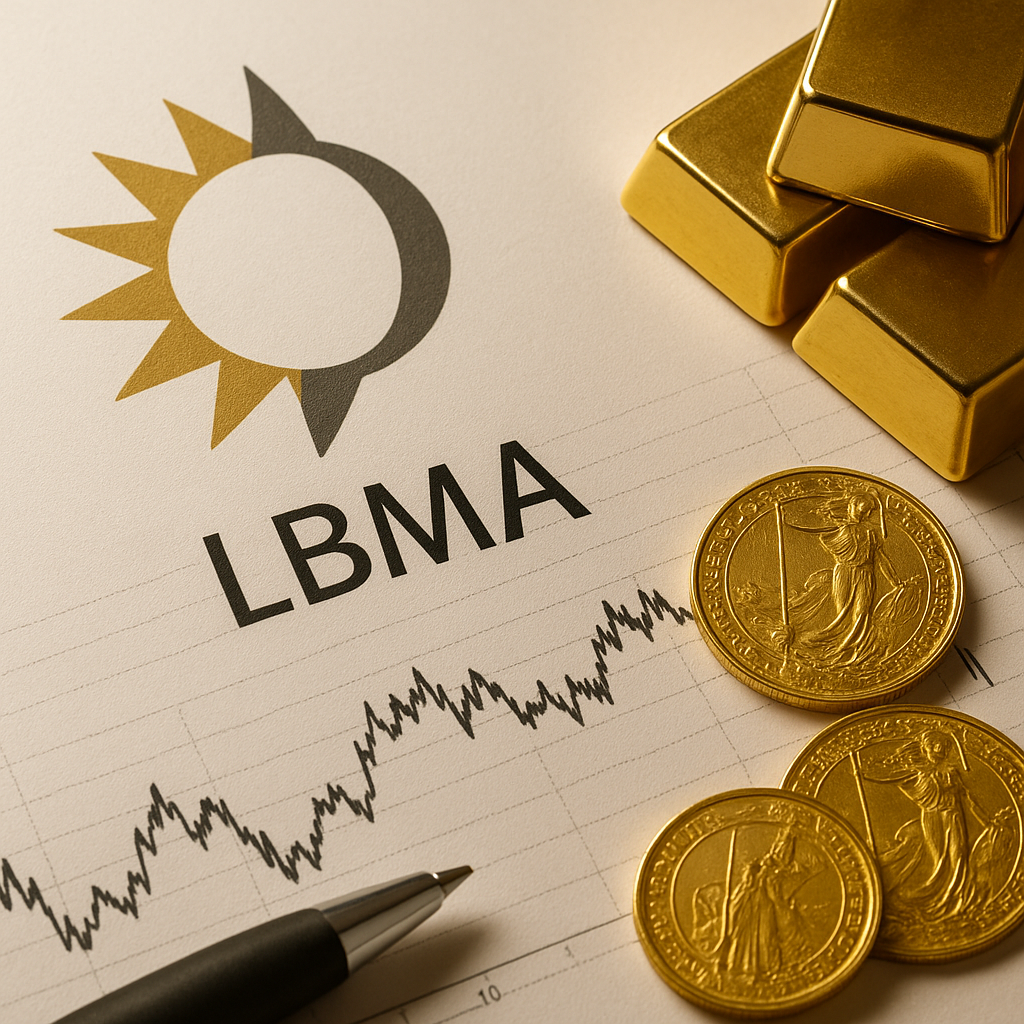
The global price of gold is influenced by supply and demand dynamics, central bank policies, and geopolitical events. Islamic banks reference established benchmarks like the London Bullion Market Association (LBMA) fixings, ensuring that their customers receive a market-aligned rate for buying or selling gold. Spot transactions must settle within a short, predefined period to satisfy Shariah rules governing immediate exchange.
Global Price Trends and Their Implications
Gold prices have experienced significant fluctuations over the past decade. From the post-crisis surge in 2011 to cyclical retreats and record highs, multiple factors contribute to its trajectory:
- Inflation expectations drive demand for gold as a hedge.
- Currency devaluations encourage investors to shift wealth into bullion.
- Central banks accumulate gold to diversify reserves, boosting global demand.
- Geopolitical tensions often trigger safe-haven flows.
Volatility and Shariah Compliance
Market volatility challenges Islamic institutions to maintain stability. To address price swings, banks incorporate risk-sharing contracts where both financier and entrepreneur share gains or losses. This approach aligns with Shariah’s emphasis on equitable outcomes. Some firms also employ structured products such as gold-backed notes, ensuring that each certificate corresponds to physical metal held in secure vaults.
Gold-Based Instruments and Risk Management
Several products illustrate how gold underpins Islamic financial innovation:
- Gold Leasing (Ijarah): Clients lease gold from a financial institution for a fixed fee, then return the bullion at lease-end. Profits derive from rental income, not interest.
- Mudarabah Sukuk: Investors provide capital to a gold mining venture. Profits and losses are shared proportionally.
- Gold Spot Trading Accounts: Customers buy and store physical gold in Shariah-compliant vaults, accessing market prices directly.
- Commodity Murabaha: A bank buys gold and sells it to a client at a marked-up price on deferred payment terms, with each sale underpinned by real bullion.
Hedging Strategies
To mitigate risk, Islamic banks incorporate diversified hedging approaches that avoid conventional derivatives prohibited by Shariah. They may use cross-commodity arrangements or bilateral agreements that mirror the economic outcome of futures without involving interest-based contracts. This ensures that exposure to gold price swings is contained while honoring ethical constraints.
Zakat, Reserves and Ethical Considerations
Gold occupies a special place in Islamic charitable obligations. When an individual’s or institution’s gold holdings exceed the Nisab threshold over a lunar year, a Zakat of 2.5% is due. This mechanism redistributes wealth, supports poverty alleviation, and reinforces community welfare. For financial institutions, maintaining sufficient gold reserves ensures liquidity and compliance with regulatory liquidity ratios.
Sustainable Practices
Ethical miners and banks adopt sustainable procurement standards to minimize environmental impact and respect labor rights. Certification schemes like the Responsible Jewellery Council (RJC) align with Islamic principles of stewardship (Khilafah), emphasizing that humankind is entrusted with Earth’s resources. Maintaining transparency in sourcing and refining processes further enhances trust among investors and clients.
- Traceability: Full chain of custody from mine to vault.
- Fair wages and community development initiatives at mining sites.
- Investment in local infrastructure and education programs.
Through rigorous governance frameworks, Islamic banks not only safeguard their customers against volatility but also foster social responsibility. Gold becomes more than a financial asset—it embodies a covenant to uphold moral and communal values in every transaction.