In the face of economic upheaval and shifting financial landscapes, gold has maintained its reputation as a timeless asset for wealth preservation. Across centuries and civilizations, its inherent scarcity and intrinsic value have served as a stabilizing force, offering investors a sense of security in uncertain times. This article delves into the global factors shaping the market price of gold, explores its function as a reliable hedge against inflation, and outlines practical strategies for integrating gold into a diversified portfolio aimed at long-term preservation of wealth.
Global Dynamics of the World Gold Price
Major Market Drivers
- Supply and Demand: Global mine production and central bank reserves influence available supply, while consumer appetite for jewelry, technology, and industrial applications drives demand.
- Central Bank Activity: Purchases and sales by national banks can create significant price swings. Many emerging economies add gold to diversify foreign exchange reserves.
- Geopolitical Tensions: Political instability, trade disputes, and regional conflicts often spur demand for gold as a safe-haven, causing price spikes during crises.
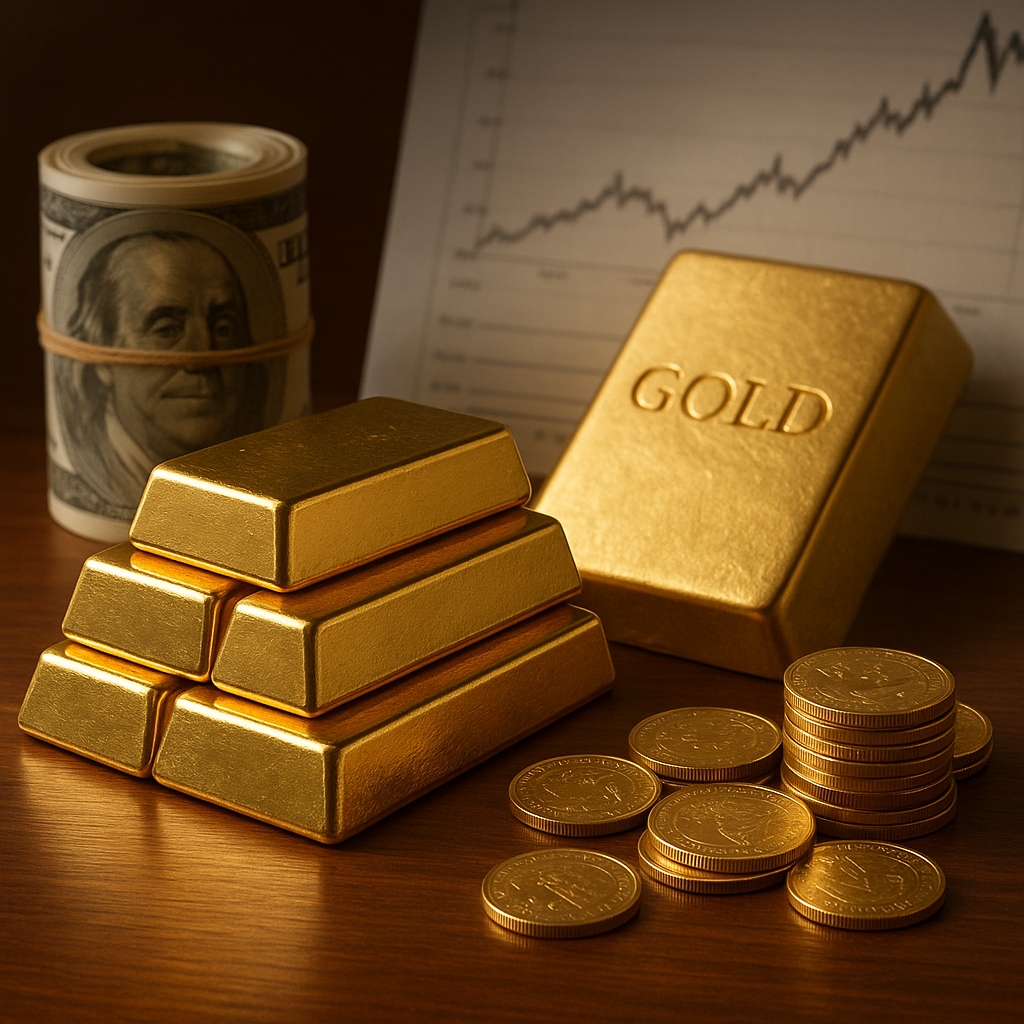
- Currency Fluctuations: The strength of major currencies like the US dollar directly affects the nominal price of gold. A weaker dollar typically elevates gold prices, and a stronger one may suppress them.
- Interest Rates and Real Yields: When real interest rates (adjusted for inflation) fall, opportunity costs for holding non-yielding assets like gold decline, making it more attractive.
- Liquidity and Market Sentiment: In times of financial stress, gold’s high liquidity ensures it can be quickly converted to cash, amplifying its appeal as a strategic reserve asset.
The interplay of these drivers results in periodic volatility, but the underlying value proposition of gold remains intact. Technological advances in mining, improvements in extraction methods, and robust recycling channels increase supply efficiency. At the same time, growing middle-class populations in Asia and the Middle East sustain strong demand for jewelry and investment products.
Historical Price Trends and Patterns
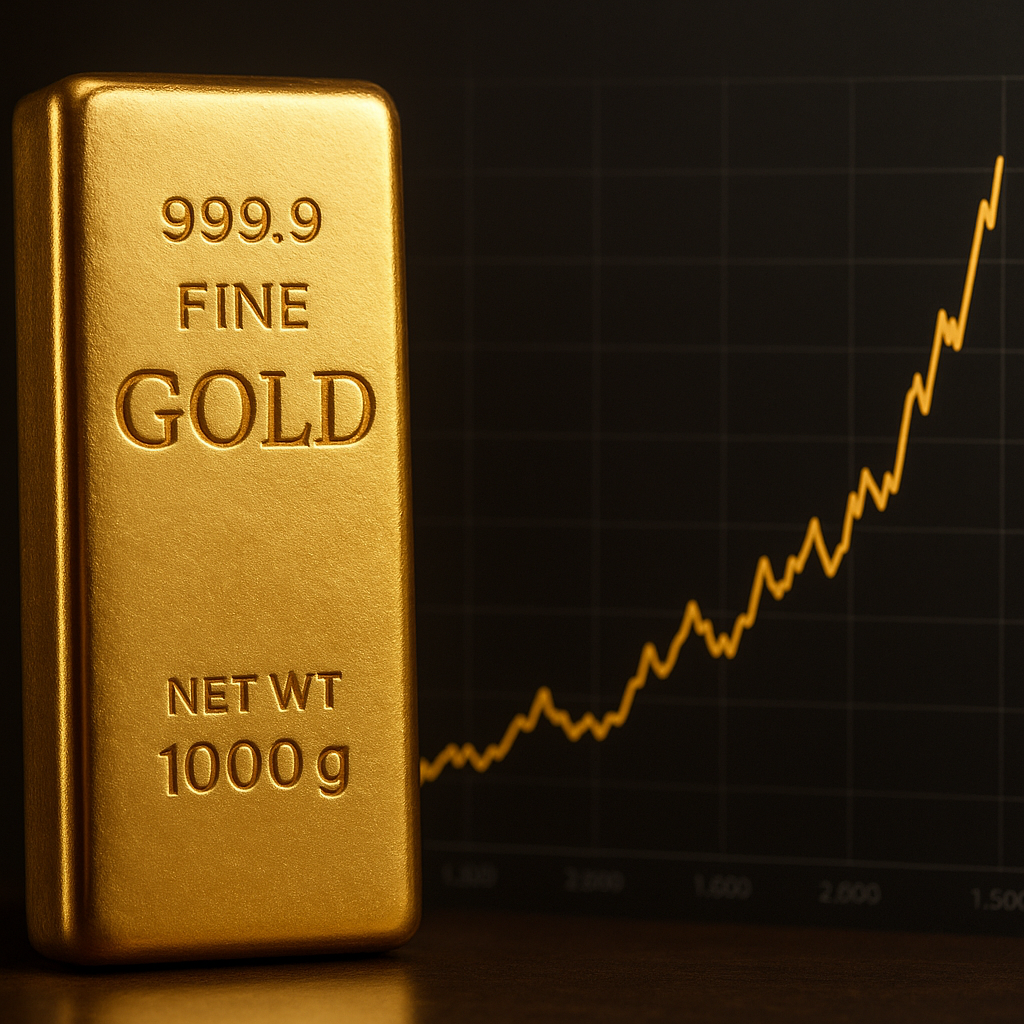
Over the past century, gold has experienced pronounced bull and bear markets tied to macroeconomic cycles. Key milestones include:
- 1933–1971: Fixed at $35 per ounce under the Bretton Woods system, establishing government-backed price stability.
- 1971–1980: Post-gold-standard era saw prices surge to over $800 per ounce amid oil shocks and double-digit inflation.
- 1980–2000: Prolonged consolidation as real interest rates rose and equities outperformed commodities.
- 2000–2011: A powerful bull run fueled by global liquidity, sovereign debt concerns, and the financial crisis, culminating near $1,900 per ounce.
- 2012–2020: Range-bound behavior with intermittent spikes during geopolitical flashpoints and monetary stimulus.
Adjusted for inflation and compared to major equity indices, gold has preserved purchasing power over decades, demonstrating its resilience in both deflationary and inflationary regimes.
Gold as a Hedge Against Inflation
The Inflationary Connection
Inflation diminishes the real value of fiat currencies and fixed-income instruments. Gold, lacking yield but offering intrinsic physical utility, typically retains value when consumer prices surge. Historical analysis reveals a positive correlation between gold returns and inflation rates over multi-decade horizons. Notably, during stagflationary periods—when growth stalls and prices rise—gold often outperforms traditional defensive assets such as government bonds.
Empirical Studies and Performance Metrics
Academic and industry research has examined rolling correlations between gold prices and inflation across regions:
- US CPI vs. Gold: A 10-year rolling correlation of approximately +0.60 indicates strong alignment in high-inflation epochs.
- Eurozone Inflation: Gold’s correlation rises above +0.50 when inflation breaks above 2% annually.
- Emerging Markets: In countries with volatile currencies, local-currency gold prices have outpaced both equities and real estate during hyperinflationary spikes.
These studies underpin the widespread recommendation to allocate a portion of assets to gold for preservation of purchasing power, especially when policy stimulus by central banks risks igniting price pressures.
Strategies for Incorporating Gold into Investment Portfolios
Physical Gold vs. Gold-Linked Instruments
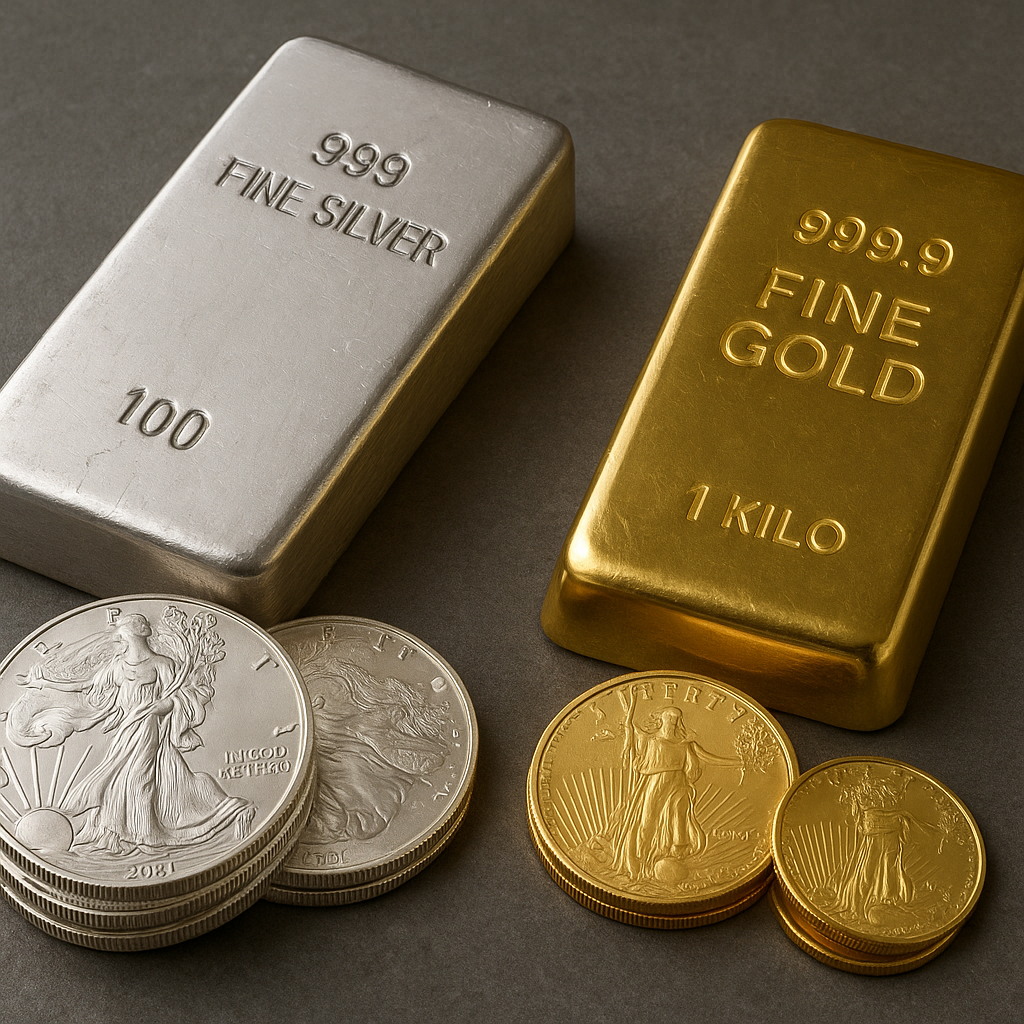
- Physical Bullion and Coins: Offers direct ownership of tangible metal. Storage and insurance costs must be evaluated, and reputable vaulting services are essential.
- Exchange-Traded Funds (ETFs): ETFs backed by allocated gold bars combine physical security with market-traded convenience, boosting liquidity and reducing entry barriers for small investors.
- Gold Mining Stocks: Equity exposure provides leveraged participation in gold price movements but introduces mining operational risks, management performance variables, and geopolitical factors affecting mine jurisdictions.
- Gold Futures and Options: Advanced investors and institutions use derivatives to hedge exposures or speculate. Margin requirements and potential for substantial leverage necessitate disciplined risk management.
- Digital Gold and Tokenization: Blockchain-based platforms enable fractional ownership, instant settlement, and enhanced transparency regarding provenance and chain of custody.
Allocation Considerations and Risk Management
Determining the optimal allocation to gold hinges on individual goals, risk tolerance, and the broader investment environment:
- Conservative Portfolios: May allocate 10–15% to gold to buffer against downturns and currency debasement.
- Balanced Portfolios: Typically target 5–10%, balancing growth assets with defensive allocations.
- Aggressive Growth Portfolios: Often limit gold to 2–5%, prioritizing equity-like returns while acknowledging insurance benefits.
Timing tactics such as cost averaging into gold positions can mitigate the impact of short-term volatility. Periodic rebalancing ensures that gold’s weight within a portfolio remains aligned with strategic targets.
Future Outlook and Emerging Trends
Central Bank Buying Patterns
Central bank acquisitions have been a key driver of demand. In recent years, institutions in Asia and the Middle East have ramped up purchases to diversify foreign reserves and reinforce financial sovereignty. Continued purchasing by Turkey, India, and Russia underscores a shift away from reliance on a single reserve currency.
Technological and Market Innovations
Blockchain tokenization, digital custodial platforms, and automated trading systems are democratizing gold ownership. These innovations reduce friction in settlement processes, lower transaction costs, and open new liquidity pools for institutional and retail participants alike.
Environmental, Social, and Governance (ESG) Trends
Investors increasingly emphasize responsible mining practices, favoring producers with robust environmental management, fair labor standards, and transparent governance. Certified “green” or “fair” gold products command premium pricing, reflecting growing consumer and corporate interest in sustainable supply chains.
Geopolitical and Regulatory Shifts
Mining jurisdictions are re-evaluating taxation, environmental permitting, and royalty frameworks, which may affect future supply growth. Simultaneously, trade policies, sanctions regimes, and export controls could influence cross-border flows of physical gold and related financial products.
Market Sentiment and Behavioral Drivers
Beyond macro fundamentals, investor psychology plays a vital role. In times of market stress, heightened risk aversion amplifies gold’s safe-haven appeal. Conversely, in a risk-on environment, allocation drift toward equities and credit can temper gold demand until risk perceptions shift.