The global landscape of gold mining and pricing is evolving rapidly as we approach 2025. Investors, governments, and industry stakeholders are closely monitoring shifts in production, macroeconomic trends, and changing regulations. Understanding the interplay between supply and demand, as well as geopolitical influences, is critical to predicting future movements in the price of the yellow metal. This article delves into the current dynamics of the world gold market, profiles the top producers, examines key driving factors, and explores the potential implications for investors and policymakers.
Global Gold Price Dynamics
Historical Performance and Recent Trends
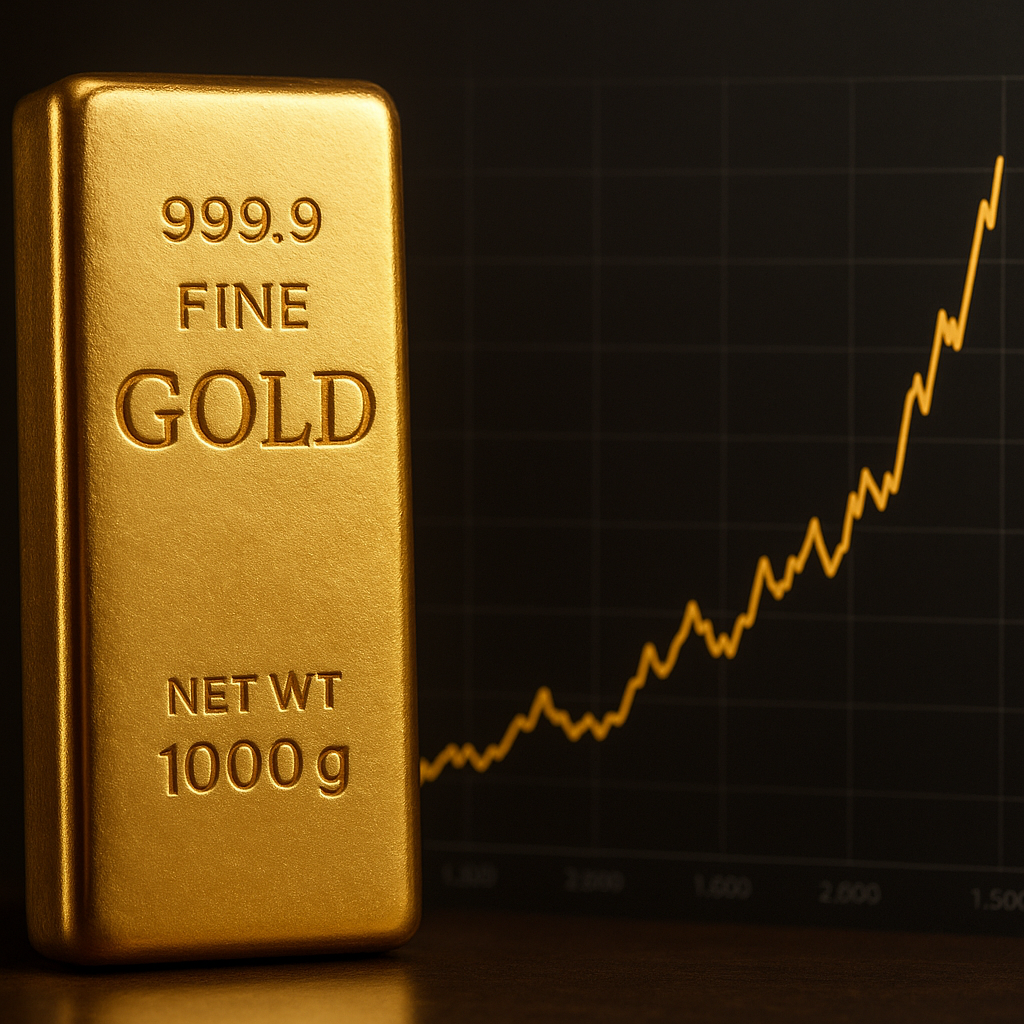
Over the past decade, the global price of gold has experienced periods of volatility driven by economic uncertainty, shifts in monetary policy, and changes in investor sentiment. Following a peak above $1,900 per ounce in 2011, prices retreated before rebounding strongly amid the COVID-19 pandemic, reaching new high points near $2,100 per ounce in 2020. In 2023 and early 2024, the metal held a narrow trading range between $1,700 and $1,900, as central banks grappled with rising interest rates in response to sticky inflation.
Supply-Side Considerations
Mine output represents the primary source of above-ground gold supply, accounting for approximately 75% of total annual inflows. Secondary supplies, including recycling and hedging activities by producers, contribute the remainder. Key supply-side factors include:
- Production growth or decline in major mining regions
- Operational challenges such as labor disputes and environmental regulations
- Investment in greenfield projects and expansions of existing mines
- Recycling rates, which tend to rise when prices are elevated
Demand Drivers
On the demand side, three primary groups influence gold consumption:
- Jewelry fabrication, which accounts for roughly 50% of annual demand
- Central banks, which have become net buyers as they diversify reserves away from fiat currencies
- Investors, including exchange-traded funds (ETFs) and private bullion buyers seeking a hedge against market volatility
Geographic shifts in demand, particularly rising purchasing power in Asia, have amplified the gold market’s responsiveness to regional economic indicators.
Leading Gold-Producing Nations
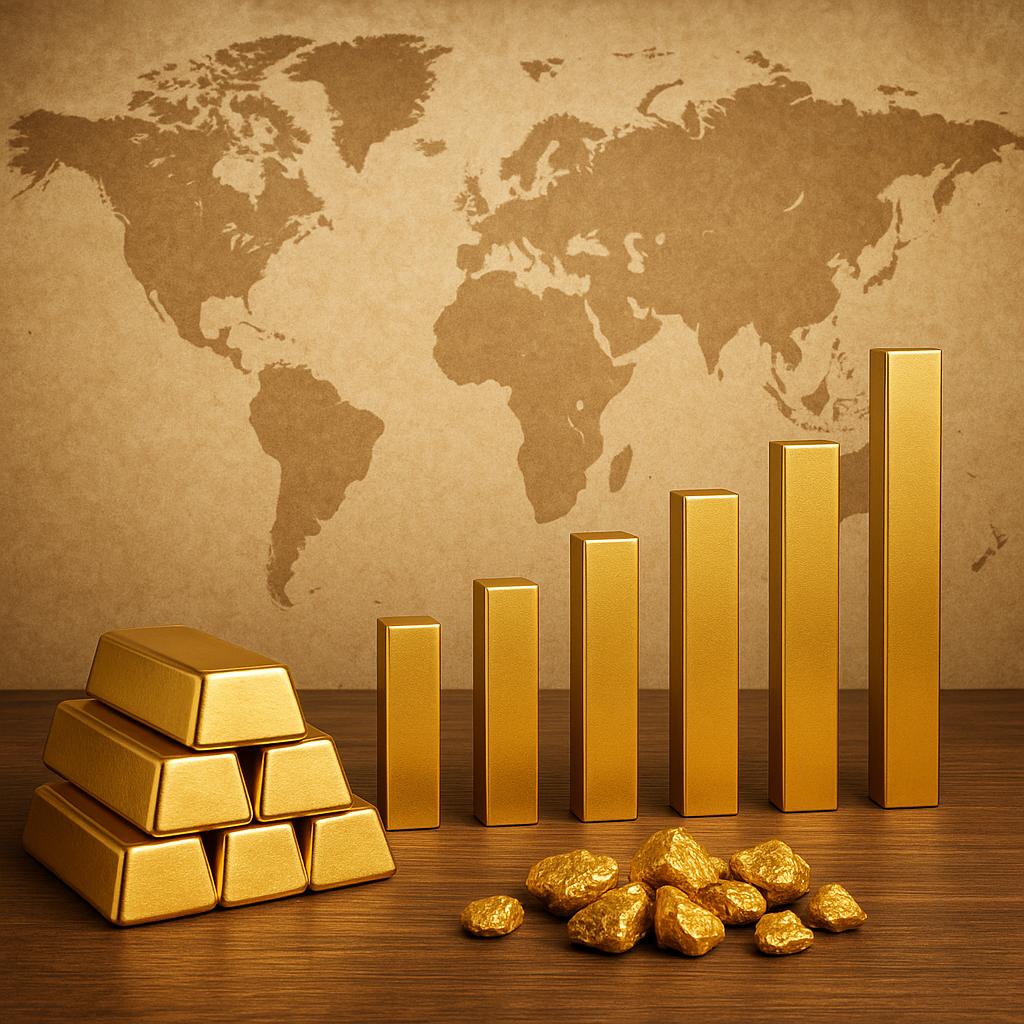
The top five producers in 2025 are projected to dominate global output, collectively supplying over 45% of mined gold. Below, we examine each country’s contributions, key assets, and production outlook.
- China: As the world’s largest gold producer, China is expected to yield around 380 tonnes in 2025. Major mining provinces such as Shandong and Henan benefit from both large-scale open-pit operations and smaller underground projects. Investment in advanced technology and automation has helped maintain low production costs despite declining ore grades.
- Australia: With output forecast at approximately 330 tonnes, Australia remains a close second. The Pilbara and Kalgoorlie regions in Western Australia host some of the world’s largest gold mines. Favorable regulatory frameworks, strong infrastructure, and ongoing exploration make Australia a cornerstone of global supply.
- Russia: Producing nearly 290 tonnes, Russia has accelerated exploration efforts in Siberia and the Far East. State-backed projects and partnerships with international miners aim to unlock remote deposits. Geopolitical tensions, however, add complexity to trade flows and capital access.
- United States: Home to iconic mines like Carlin Trend in Nevada, the U.S. is projected to deliver about 200 tonnes. Environment and permitting restrictions can slow new mine developments, but technological innovations in ore processing help sustain production levels.
- Ghana: Africa’s largest gold producer, Ghana is on track to produce around 130 tonnes. The Ashanti region and the Voltaian Basin host prolific deposits. While artisanal mining poses environmental and social challenges, government reforms are improving transparency and attracting foreign investment.
Factors Shaping the Gold Market
Geopolitical and Macroeconomic Risks
Gold often serves as a safe-haven asset during periods of geopolitical tension and financial market stress. Recent conflicts, trade disputes, and sanctions have prompted central banks and private investors to increase allocations to bullion. Key risk factors include:
- Escalating military conflicts and regional instability
- Currency devaluations, which can boost the appeal of gold as an alternative store of value
- Shifts in global trade policies affecting mining supply chains
Monetary Policies and Central Bank Activity
Monetary policy decisions by major central banks influence real yields on bonds and the opportunity cost of holding gold. In a higher rate environment, gold may face downward pressure; conversely, dovish stances and quantitative easing tend to bolster prices. Central bank reserve managers continue to diversify, with notable purchases from emerging economies seeking to reduce reliance on the U.S. dollar.
Technological Innovations and Sustainable Mining
Advances in remote sensing, ore-sorting technologies, and automation have improved mine productivity and cost efficiency. Environmental, social, and governance (ESG) standards are increasingly prominent, pressing miners to adopt sustainable practices such as:
- Water recycling systems to minimize local impact
- Renewable power integration at remote mine sites
- Community development programs to ensure social license to operate
Forecast and Investment Implications
Heading into 2025, consensus forecasts anticipate gold prices trading in a range between $1,800 and $2,200 per ounce, though spikes outside this band are possible in response to unforeseen global events. For investors and policymakers, understanding the following themes is crucial:
- Supply Constraints: Declining ore grades and the increasing cost of new discoveries may tighten physical availability, supporting price resilience.
- Demand Growth: Rising consumption in Asia, continued central bank acquisitions, and ETF inflows suggest robust underlying demand.
- Hedging Strategies: Corporations and funds may allocate to gold derivatives to manage portfolio risk and inflation exposure.
- Regulatory Evolution: Enhanced scrutiny on mining practices could affect project timelines and capital expenditure patterns.
Ultimately, the interplay between mine production, global macroeconomic conditions, and investor behavior will dictate the gold market’s trajectory. Stakeholders who monitor these variables closely will be better positioned to navigate opportunities and risks in 2025 and beyond.