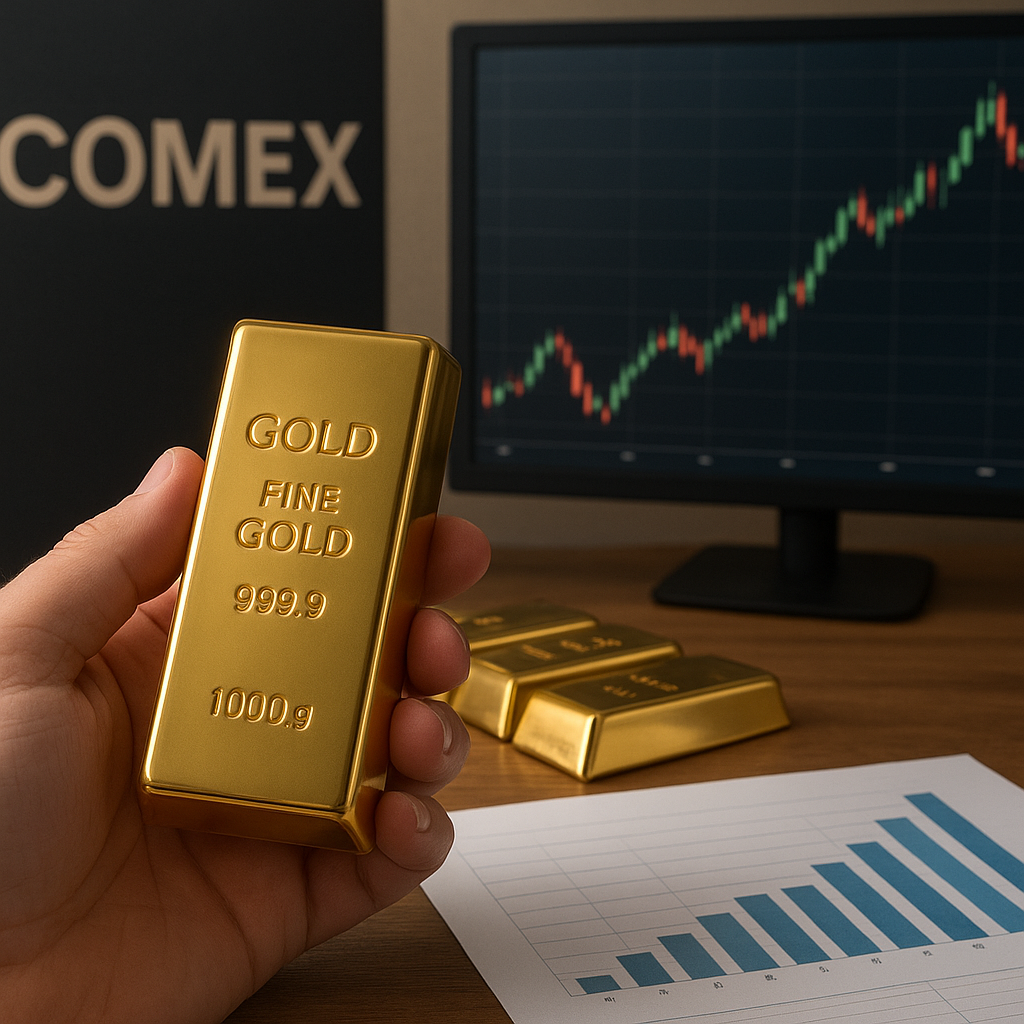
Gold markets have long captivated investors, governments, and industries alike. The interplay between supply, demand, and speculative forces often hinges on centralized exchanges where contracts trade daily. One such pivotal marketplace is COMEX, a division of the CME Group, which stands at the heart of gold’s global valuation. Through an intricate web of trading mechanisms, COMEX facilitates a transparent pathway for price formation, risk transfer, and market participation.
The Evolution of COMEX and Market Structure
Established in the early 1930s, COMEX consolidated several regional exchanges to create a unified platform for metals trading. Over decades, it has evolved into the world’s premier venue for gold futures and options transactions. Key milestones in its development include:
- Introduction of standardized futures contracts, setting precise terms for quantity, quality, and delivery.
- Implementation of electronic trading systems in the late 1990s, enhancing accessibility and speed.
- Merger with the Chicago Mercantile Exchange in 2008, amplifying global reach.
These advancements fostered deeper liquidity and established COMEX as the dominant price benchmark for gold. Traders ranging from central banks to individual speculators rely on the exchange’s continuous order flow to gauge market sentiment.
Mechanisms of Price Discovery
Price discovery is the process by which markets determine the fair value of an asset through trading activity. COMEX employs several features to streamline this process:
Order Book Transparency
Real-time visibility into bid and ask quotations empowers participants to assess supply-demand imbalances. Large institutional orders and high-frequency trades both contribute to a robust order book.
Futures Contract Specifications
Standardization in contract size (100 troy ounces), delivery months, and quality (99.5% purity) ensures that trades are fungible and easily transferable. This uniformity reduces friction and enhances price comparability.
Open Outcry and Electronic Matching
While electronic platforms dominate, the open outcry pits still exist to handle complex trades. Combined, these mechanisms allow for efficient price formation under various market conditions.
- Hedging strategies by producers and consumers use futures to lock in prices, influencing spot market levels.
- Speculative participants gauge macroeconomic data and geopolitical events, amplifying volatility around key announcements.
- Arbitrage opportunities between COMEX and over-the-counter markets align prices globally.
Global Factors Influencing World Gold Price
Beyond the exchange’s internal dynamics, a range of external variables shape gold’s valuation:
Monetary Policy and Interest Rates
When central banks pursue loose monetary policies or maintain near-zero risk management rates, gold often benefits as investors seek alternatives to fiat currencies. Conversely, rising interest rates can dampen demand for non-yielding assets.
Geopolitical Tensions
Periods of political instability or international conflicts spur safe-haven buying. COMEX’s vast derivatives market allows participants to access protective positions swiftly, driving spot prices upward.
Currency Fluctuations
Since gold is primarily priced in US dollars, a weaker dollar makes gold cheaper for holders of other currencies. This dynamic supports global demand, especially in emerging markets.
Supply-Demand Fundamentals
Mining output, recycling rates, and central bank purchases constitute primary supply-side factors. On the demand front, jewelry consumption, industrial applications, and ETF inflows all contribute to the overall balance.
Innovation and Future Outlook
COMEX continues to refine its offerings, integrating new technologies and contract types to meet evolving market needs:
- Introduction of micro gold futures, catering to smaller investors and broadening market access.
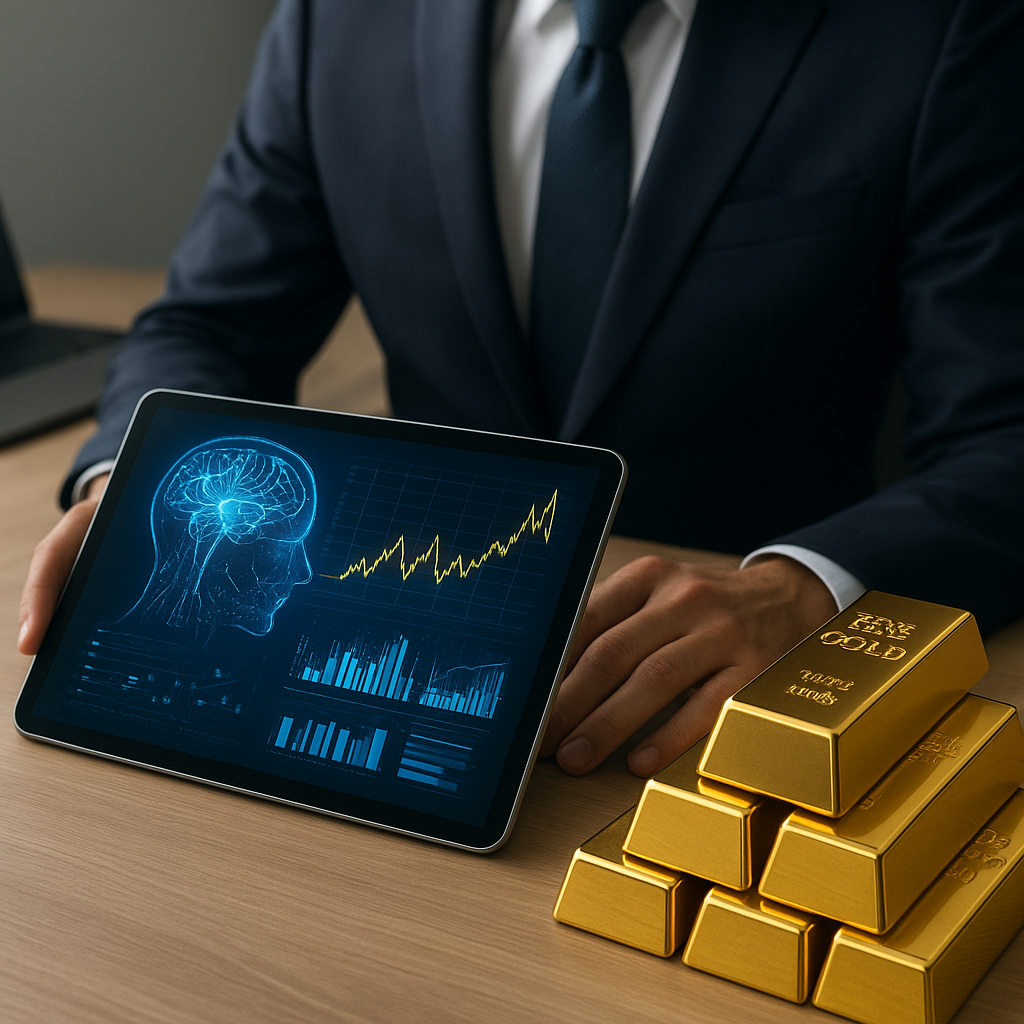
- Enhanced data analytics tools, leveraging machine learning to provide predictive insights on transparency and liquidity patterns.
- Blockchain-based settlement trials, aiming to reduce counterparty risk and streamline post-trade operations.
Looking ahead, interoperability between COMEX and global clearinghouses may further solidify gold’s role as a cornerstone asset in diversified portfolios. Technological upgrades are likely to enhance price discovery, reduce transaction costs, and attract new categories of participants.
Conclusion
The interplay of standardized contracts, real-time trading, and global economic forces positions COMEX at the epicenter of gold’s valuation. By delivering a transparent, liquid, and innovative marketplace, it ensures that gold prices reflect the consensus of countless market actors. As digital transformation accelerates and geopolitical uncertainties persist, COMEX’s role in facilitating efficient price determination will remain indispensable for stakeholders worldwide.