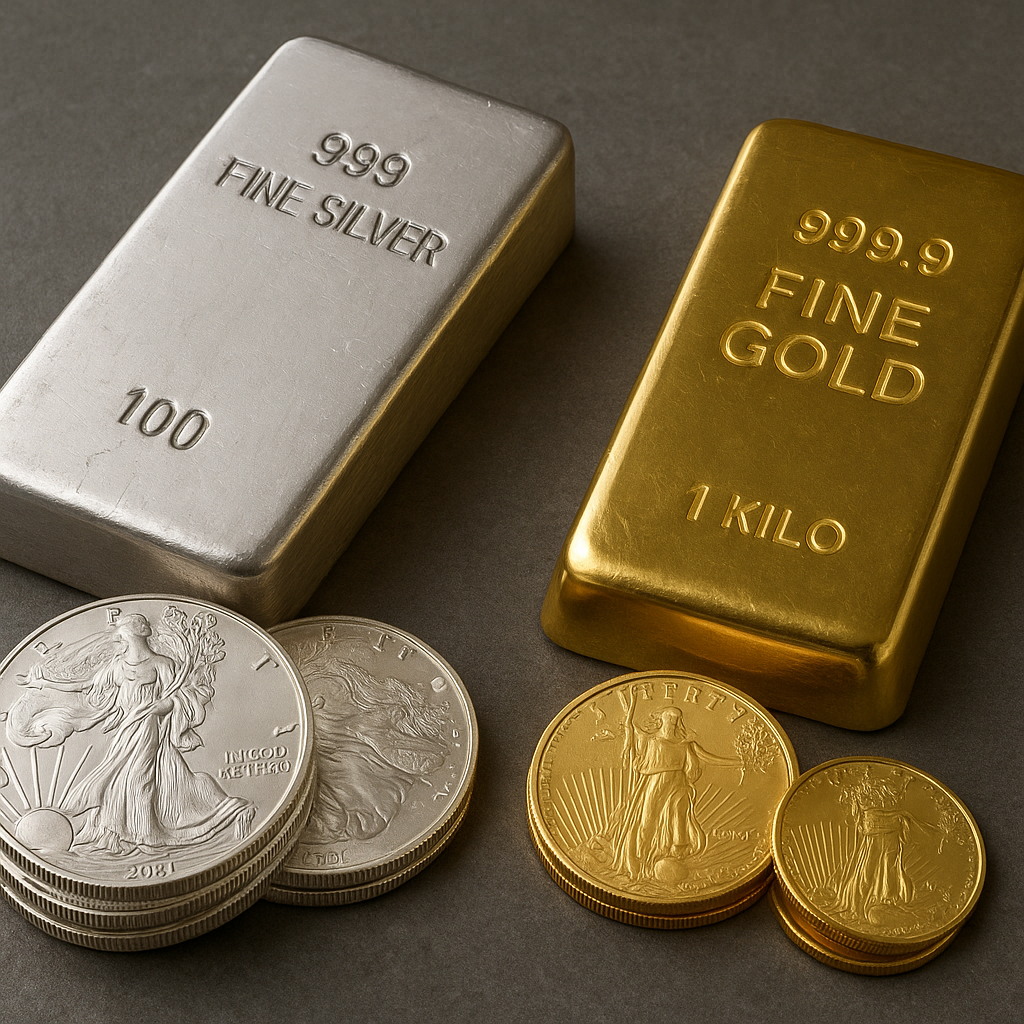
The global **gold** market operates on a delicate balance of supply and demand, influenced by a variety of financial instruments and participants, among which gold leasing plays a pivotal role. By providing additional channels for bullion to enter and exit the market, leasing arrangements can shape **market liquidity**, influence **pricing**, and affect strategic holdings maintained by institutions. This article delves into the mechanics of gold leasing, examines its impact on world gold prices, and explores the regulatory and economic environment that governs these transactions.
Gold Leasing: Mechanisms and Participants
Gold leasing refers to the practice whereby holders of physical gold agree to lend bars or ounces to borrowers in exchange for a lease fee, effectively a rental rate expressed as an annualized percentage of the notional value. Generally, the following parties participate:
- Central banks and sovereign wealth funds that possess large reserves and seek to earn additional yield.
- Bullion banks and trading houses that require metal for settlement, short positions, or inventory management.
- Industrial end-users and jewelry manufacturers interested in minimizing the cost of raw material acquisition.
- Hedge funds and speculators who engage in advanced arbitrage between gold, futures, and related derivatives.
Under a typical leasing transaction, Party A (the lender) transfers gold to Party B (the lessee) for a predetermined lease term. The lessee pays a lease rate—called the “gold lease rate” (GLR)—and is obliged to return an equivalent quantity of gold at maturity. In place of physical delivery, the parties often settle in cash, with the notional gold value multiplied by the agreed lease rate.
Beyond the pure lending of bullion, some variations include “unallocated” agreements, where the lessee obtains a claim on gold from the lessor’s general pool, increasing counterparty risk but improving operational flexibility.
Impact on Market Liquidity and Pricing Dynamics
Gold leasing can significantly enhance liquidity by mobilizing idle reserves held by central banks, introducing additional supply into the market. This influx of available metal tends to depress spot prices in the short run, although the effect varies depending on global demand conditions and the scale of leasing volumes.
Short-Term Price Effects
When lease rates are low or negative, the cost of borrowing gold becomes very attractive for producers of derivative products. Consequently:
- Traders may borrow gold to sell in the spot market, anticipating a price decline or engaging in “carry trades” by holding cash proceeds and purchasing gold futures.
- The added supply exerts downward pressure on the spot price, amplifying volatility in periods of speculative fervor or sudden shifts in lease rates.
Long-Term Considerations
Over extended horizons, persistent low lease rates can indicate an ample supply of physical metal relative to demand. This may signal that central banks and large holders are comfortable with their reserve allocations and willing to monetize part of their holdings. Conversely, spiking lease rates often foreshadow tightening liquidity conditions, as bullion becomes scarcer for lending, potentially presaging upward pressure on gold prices.
Market participants frequently monitor gold lease rates alongside complementary metrics such as the London Bullion Market Association (LBMA) forward rates and the London gold fix. In times of stress—financial crises, geopolitical events, or central bank policy shifts—lease rates can serve as an early indicator of underlying supply constraints.
Interplay with Derivatives and Arbitrage Strategies
Leased gold finds its way into various derivatives markets, from futures contracts on COMEX or TOCOM to exchange-traded funds (ETFs) and over-the-counter (OTC) forwards. Arbitrageurs exploit discrepancies between:
- Spot and futures prices, capturing the “roll yield” when futures trade at a contango or backwardation.
- Lease rates and repo financing costs, executing triangular trades that can lock in risk-free profits.
- Differences in regional price spreads, moving metal from one geography to another by utilizing leasing to satisfy delivery obligations.
During periods when the cost of storing physical bullion is high relative to lease rates, traders may borrow gold cheaply and invest in long-term storage or rent safekeeping, pocketing the spread. This dynamic underscores how leasing interlinks with broader financing markets, notably the repo market and secured lending facilities.
Regulatory Landscape and Risk Management
Despite its benefits, gold leasing poses certain risks if not properly managed. Key considerations include:
- Counterparty risk: Borrowers may default on returning the metal, especially during market dislocations.
- Collateral adequacy: Ensuring that cash or securities posted against leased gold retains value and liquidity.
- Operational risk: Safeguarding against errors in settlement, transfer, and custody of physical metal.
Regulatory authorities and industry bodies have introduced frameworks to mitigate these risks. The LBMA’s Responsible Sourcing Program and the Financial Action Task Force (FATF) guidelines establish best practices for anti-money laundering (AML) and Know Your Customer (KYC) protocols. Meanwhile, central banks often impose concentration limits on leasing volumes relative to total reserves, capping potential market disruptions.
Financial reforms following the global crisis have enhanced transparency in derivatives reporting, indirectly benefiting the gold leasing market by illuminating large open positions and counterparty exposures. Such transparency contributes to improved risk assessment and fosters confidence among institutional participants.
Future Outlook and Strategic Implications
Innovations in digital gold platforms and tokenization present new frontiers for leasing. By leveraging blockchain-based smart contracts, counterparties can automate lease rate adjustments, settlement, and collateral management, reducing operational friction. Tokenized gold assets may also integrate seamlessly with decentralized finance (DeFi) protocols, unlocking liquidity for retail investors and smaller institutions.
However, the advent of digital solutions must contend with the enduring appeal of physical bullion holdings. Central banks continue to regard gold as a strategic reserve asset, while private investors view it as a hedge against inflation and currency debasement. As long as these fundamental drivers persist, gold leasing will remain a critical mechanism for optimizing reserve management and sustaining market liquidity.
In an environment where global monetary policies oscillate between ultra-loose and tightening stances, monitoring lease rates, repo costs, and derivatives flows will provide market participants with invaluable insights. Institutions that master the synergies between leasing strategies, **arbitrage**, and risk management stand to gain a competitive edge in the ever-evolving world gold price landscape.