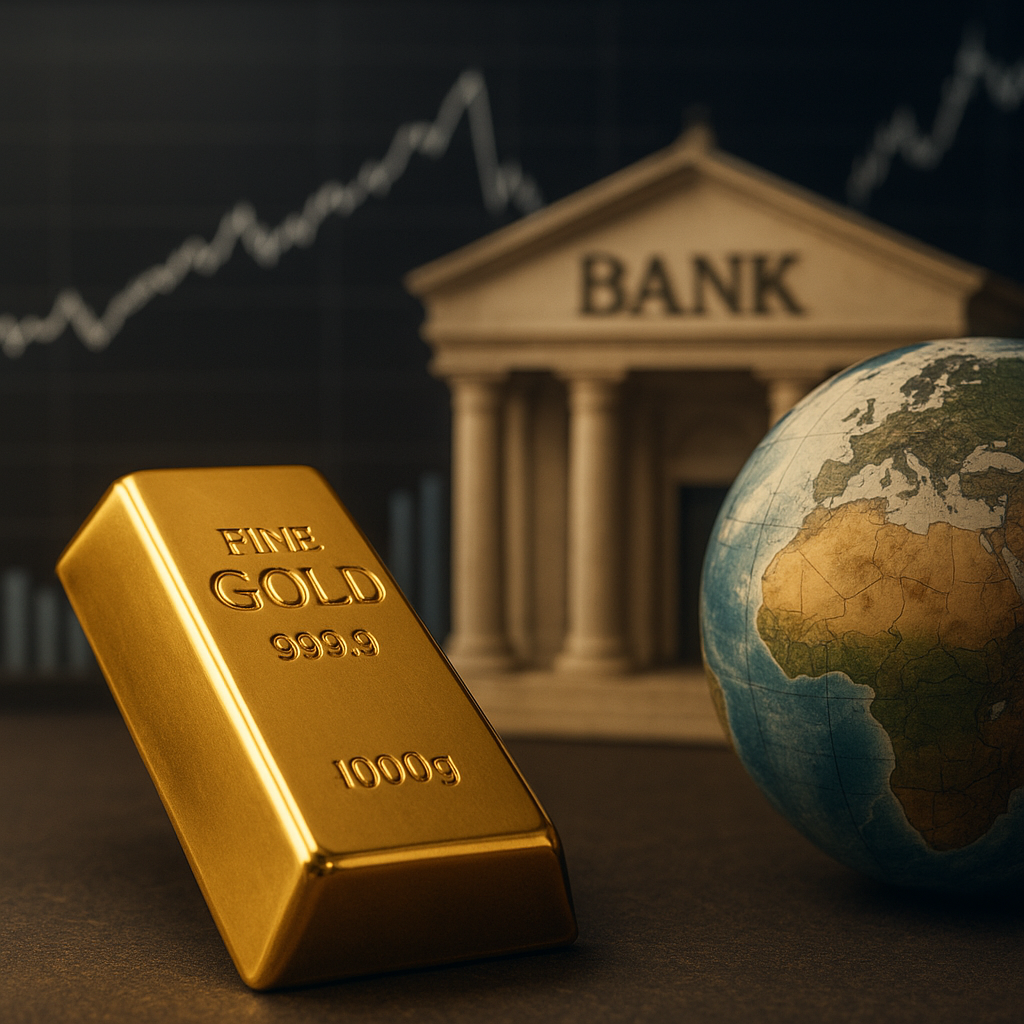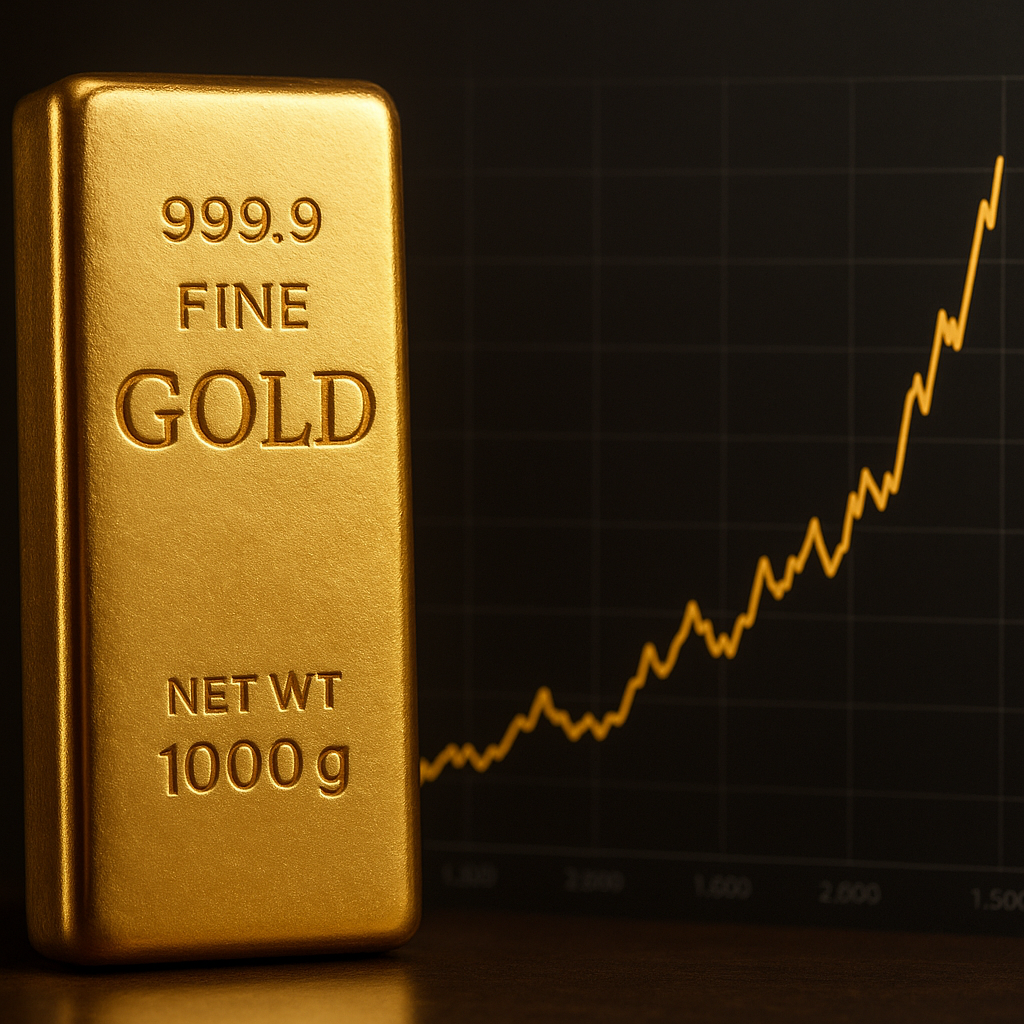
The global landscape of the gold market is shaped by a complex interplay of economic indicators, geopolitical tensions, and evolving consumer preferences. As prices fluctuate on a daily basis, both investors and industry professionals remain vigilant about the latest trends in refining techniques and purity standards. This article delves into the mechanics of world gold pricing, the various methods employed in refining, and the critical benchmarks that ensure the integrity and value of every ounce traded worldwide.
Factors Influencing World Gold Prices
Understanding the forces behind gold valuations requires a deep dive into multiple sectors. From central bank policies to jewelry demand, several elements drive the precious metal’s trajectory on global exchanges.
Macroeconomic Drivers
- Inflation and Currency Depreciation: As fiat currencies lose purchasing power, investors often flock to gold as a hedge. A weaker dollar typically translates into higher gold prices on international markets.
- Monetary Policy: Interest rate decisions by the Federal Reserve, the European Central Bank, and other major institutions affect gold’s allure. Lower rates reduce opportunity costs for holding non-yielding assets like gold.
- Global Debt Levels: Rising national debt can amplify concerns about long-term fiscal stability, bolstering gold’s status as a bullion asset.
Geopolitical and Market Sentiment
- Political Tensions: Conflicts, trade disputes, and sanctions create risk-off environments. Gold often spikes as a safe-haven alternative during geopolitical unrest.
- Stock Market Volatility: Sharp downturns in equities tend to redirect capital into gold, seen as an asset with lower correlation to traditional markets.
- Investor Behavior: Purchases of gold-backed exchange-traded funds (ETFs) can influence short-term price swings based on fund inflows and outflows.
Supply and Demand Dynamics
- Mining Output: Annual production levels in leading countries like China, Australia, and Russia directly affect available physical supply.
- Central Bank Reserves: Changes in bullion reserves held by national treasuries signal institutional confidence in gold as a store of value.
- Jewelry and Industrial Use: Consumer demand in growing markets such as India and China adds a substantial layer of sustained consumption.
Modern Gold Refining Techniques
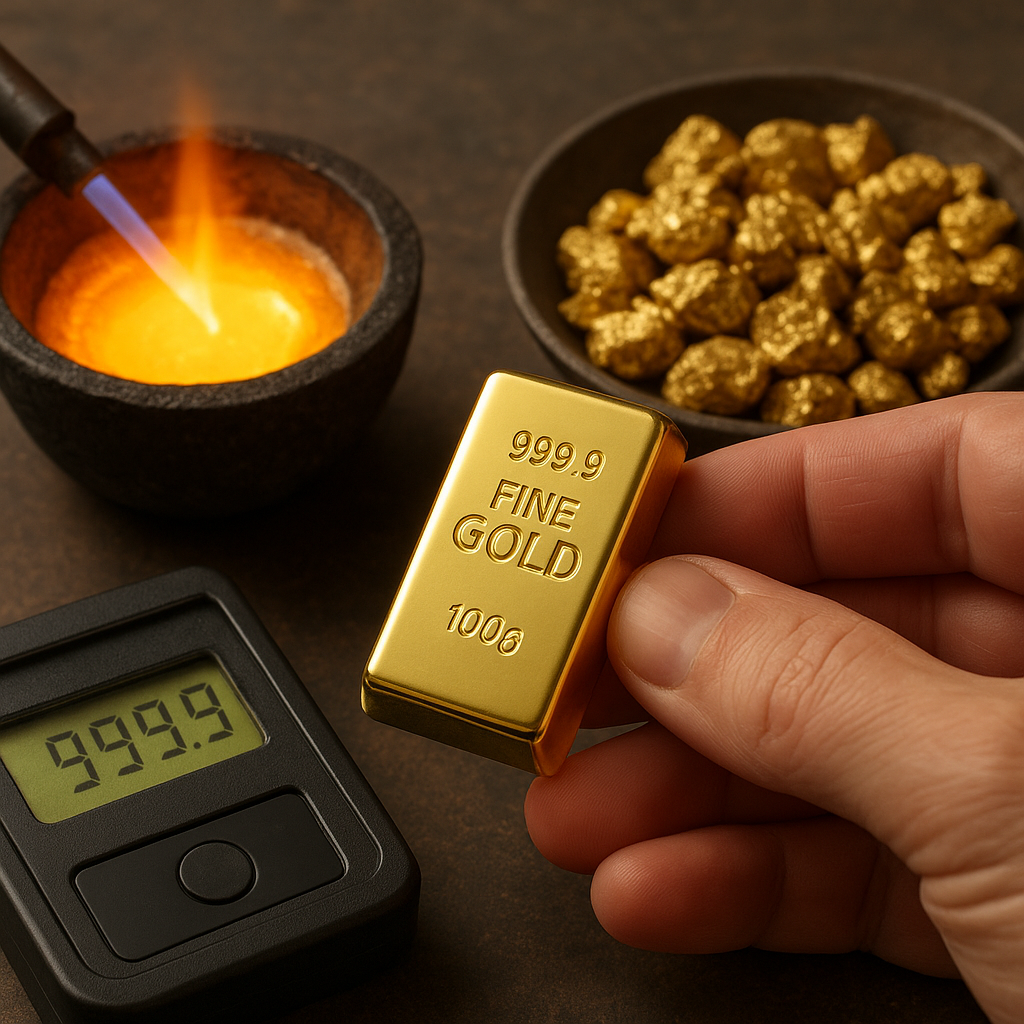
Refining converts crude gold recovered from mines or recycled sources into a highly refined form. The objective is to remove impurities—metals such as silver, copper, and lead—to achieve the target level of purity.
Fire Assay Method
The assay process, also known as cupellation, is a traditional but highly accurate approach. It involves the following steps:
- Sample Preparation: A representative sample of gold ore or metal is weighed and mixed with fluxes.
- Fusion: The mixture is melted in a high-temperature furnace, allowing undesirable base metals to oxidize and separate.
- Cupellation: The molten mass is poured into a porous cupel, which absorbs oxides, leaving behind a bead of precious metal.
Fire assay yields gold with >99% accuracy in purity measurement, making it the industry standard for certification.
Aqua Regia Refining
A more contemporary chemical technique, refining with aqua regia (a mixture of hydrochloric and nitric acid) dissolves gold selectively:
- Dissolution: Crude gold is oxidized and solubilized, separating it from base metals.
- Precipitation: Gold is then precipitated out of solution using reducing agents, producing a fine powder.
- Melting and Casting: The purified powder is melted and cast into bars or granules with exceptionally high purity.
This method can achieve purity levels up to 99.99%, qualifying for investment-grade or industrial applications.
Electrolytic Refining
Electrolytic processes employ electrical current to refine gold to ultra-high purity:
- Anode Preparation: Impure gold is shaped into plates that serve as the positive electrode.
- Electrolyte Solution: A gold-chloride or gold-cyanide solution conducts current between electrodes.
- Cathode Deposition: Pure gold ions migrate and deposit onto a cathode surface, while impurities remain in the solution or form anode slimes.
Electrolytic refining is favored for its environmental control and ability to produce bars meeting the strictest global standards.
Purity Standards and Certification
Buyers and sellers rely on standardized benchmarks to gauge the quality and authenticity of refined gold products. Certification bodies and hallmarking systems ensure trust across borders.
Karat System
The karat metric quantifies the proportion of gold in an alloy out of 24 parts:
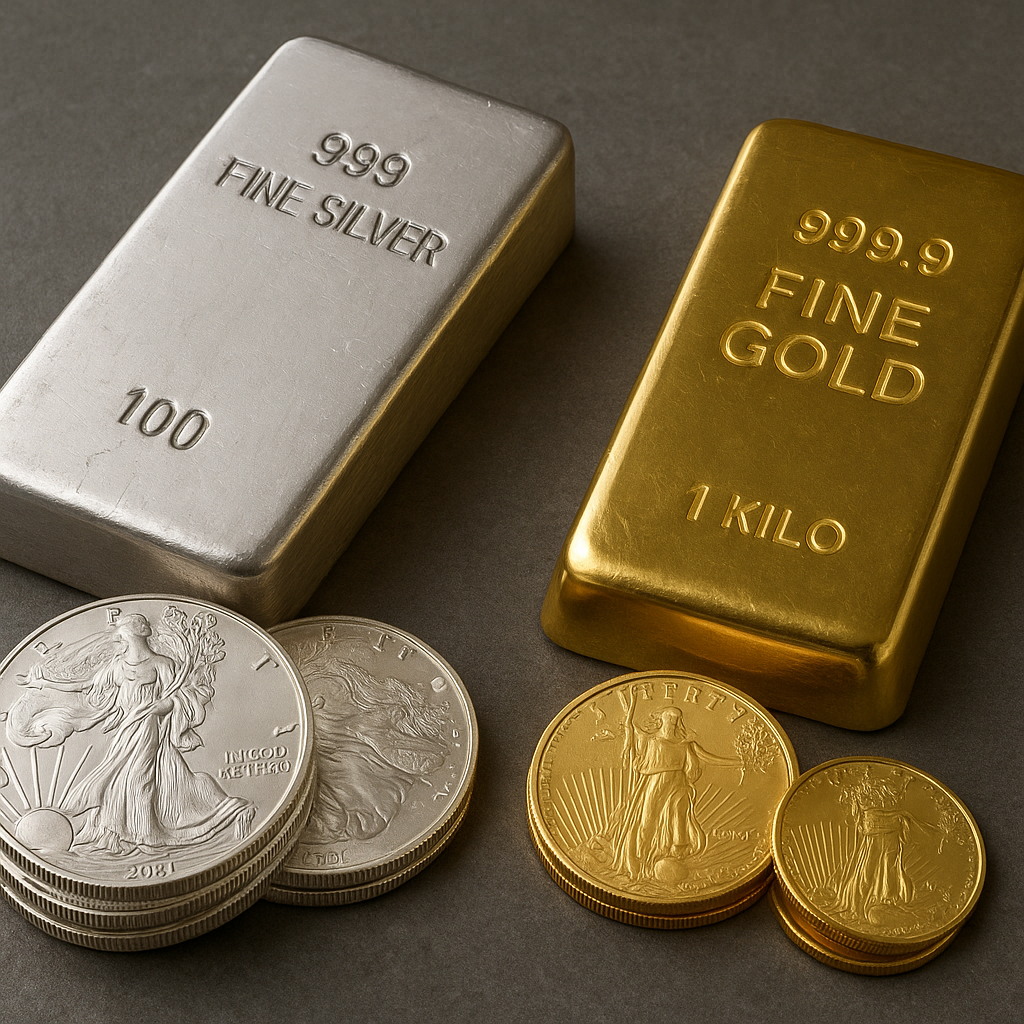
- 24K (99.9+% gold): Considered pure gold for investment-grade bars and coins.
- 22K (91.7% gold): Common in jewelry, balancing malleability and durability.
- 18K (75% gold) and below: Used in decorative applications where strength is critical.
Fineness Scale
International trade prefers the fineness representation, denoting parts per thousand of pure gold:
- 999.9 (four nines fine): The highest obtainable standard in the market, often required by central banks and high-end mints.
- 995, 990: Widely accepted for investment bars and coinage.
- 916, 875, 750: Jewelry-grade levels with specific regional preferences.
Global Certification Authorities
- London Bullion Market Association (LBMA): Sets the Good Delivery List, a hallmark for refinery accreditation.
- Swiss Better Gold Association (SBGA): Promotes responsible sourcing and sustainable practices in supply chains.
- Responsible Jewelry Council (RJC): Ensures ethical standards across mining, processing, and retail sectors.
Implications for Investors and Industry Players
Whether you are a private investor, a jewelry manufacturer, or a financial institution, staying informed about refining methods and purity standards is crucial for safeguarding value. Transparent assays and reliable certifications underpin confidence in every transaction.
Investment Strategies
- Physical Bullion: Opting for bars and coins with 999.9 fineness backed by LBMA accreditation.
- Gold ETFs: Accessing market exposure without handling physical metal, though quality depends on the custodian’s storage and grading processes.
- Atomic Swaps and Digital Gold: Emerging platforms promise instant settlements tied to authenticated, high-purity reserves.
Commercial Considerations
- Jewelry Manufacturing: Balancing karat levels to meet design specifications while ensuring hallmark compliance.
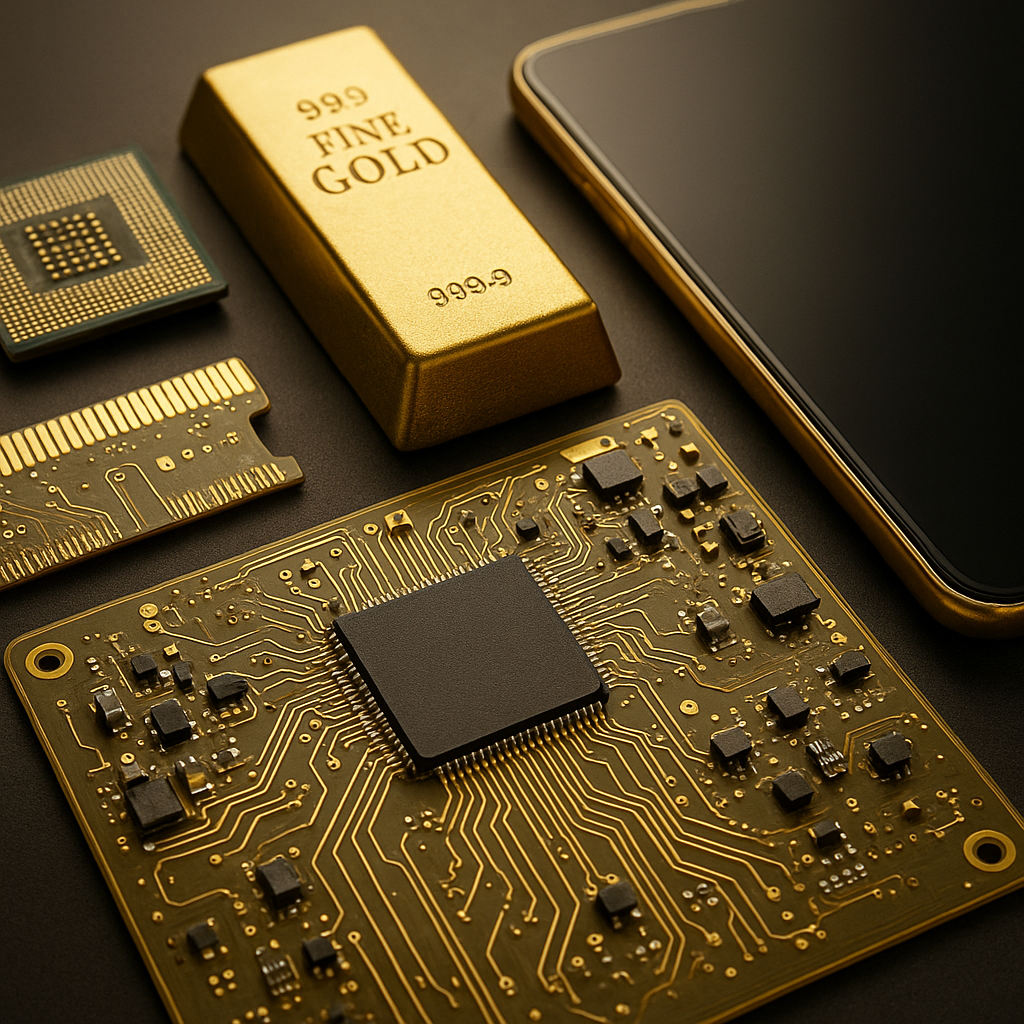
- Industrial Applications: Purchasing gold with specific impurity thresholds for electronics, medical devices, and aerospace components.
- Recycling and Scrap Refining: Verifying source material quality before submitting to refineries, optimizing recovery yields.
Future Trends
- Digital Traceability: Blockchain-based assay records promise end-to-end transparency in refining and distribution.
- Sustainable Refining: Advances in green chemistry aim to reduce environmental impact of acid-based processes.
- Automated Grading: AI-driven analysis could revolutionize on-site purity assessment, speeding up transactions.
As the world gold price continues to evolve amid shifting macroeconomic landscapes, a clear grasp of refining methodologies and purity benchmarks remains indispensable. Rigorous quality controls, ethical sourcing, and robust certification mechanisms are set to define the next frontier of trust and efficiency in the global gold ecosystem.