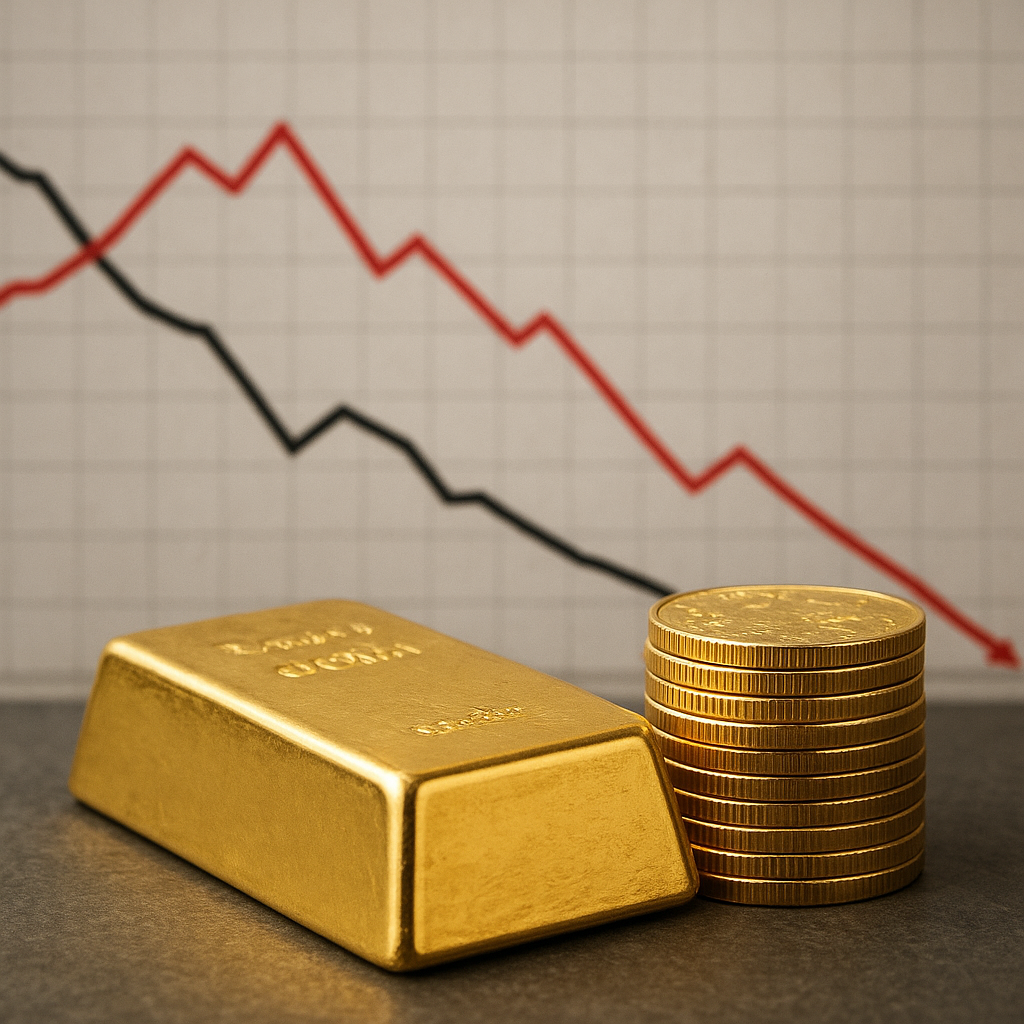
In recent years, fluctuations in the global gold market have offered a unique lens through which analysts gauge the health and ambitions of regional and world economies. Beyond its intrinsic allure, gold remains a safe-haven asset, reflecting shifts in geopolitics, monetary policy, and investor sentiment. As prices ebb and flow, patterns emerge that speak volumes about trade tensions, debt levels, and the appetite for currency diversification.
Historical Patterns and Price Dynamics
Tracing gold’s journey from the 1970s to the present reveals recurring cycles of exuberance and correction. Each major price spike corresponds to a period of crisis or uncertainty. By examining these cycles, we can discern how global actors have responded to shocks—be they oil crises, banking collapses, or sovereign-debt emergencies.
Key Milestones in Gold Pricing
- 1971–1980 Bull Run: Following the end of the Bretton Woods system, gold soared above $800 an ounce, driven by rampant inflation and weakening confidence in fiat currencies.
- 1990s Stability: A period of relative price calm coincided with robust economic growth across North America and Western Europe, as markets favored equities over bullion.
- 2008 Financial Crisis: A dramatic resurgence took gold to historic highs near $1,900, underlining its appeal when credit markets liquidity dried up.
- 2020 Pandemic Peak: Unprecedented monetary stimulus and supply-chain disruptions propelled prices past $2,000, underscoring gold’s role in hedging against systemic risks.
These milestones illustrate that when investors fear currency devaluation or fiscal strain, they flock to bullion. Conversely, periods of stability and low interest rates often divert capital toward stocks and bonds, causing gold to retreat.
Drivers Behind Modern Gold Price Movements
Several interlinked factors currently shape the trajectory of world gold prices. Understanding each driver allows us to anticipate turning points and assess the broader economic outlook.
Central Bank Policies and Reserve Accumulation
Major central banks hold thousands of tons of gold as part of their foreign exchange reserves. Recent years have witnessed large-scale purchases by emerging-market institutions seeking to reduce reliance on the US dollar. Heightened buying from China, India, and Russia has boosted prices and signaled a shift toward a more multipolar reserve system.
Inflation Expectations and Real Yields
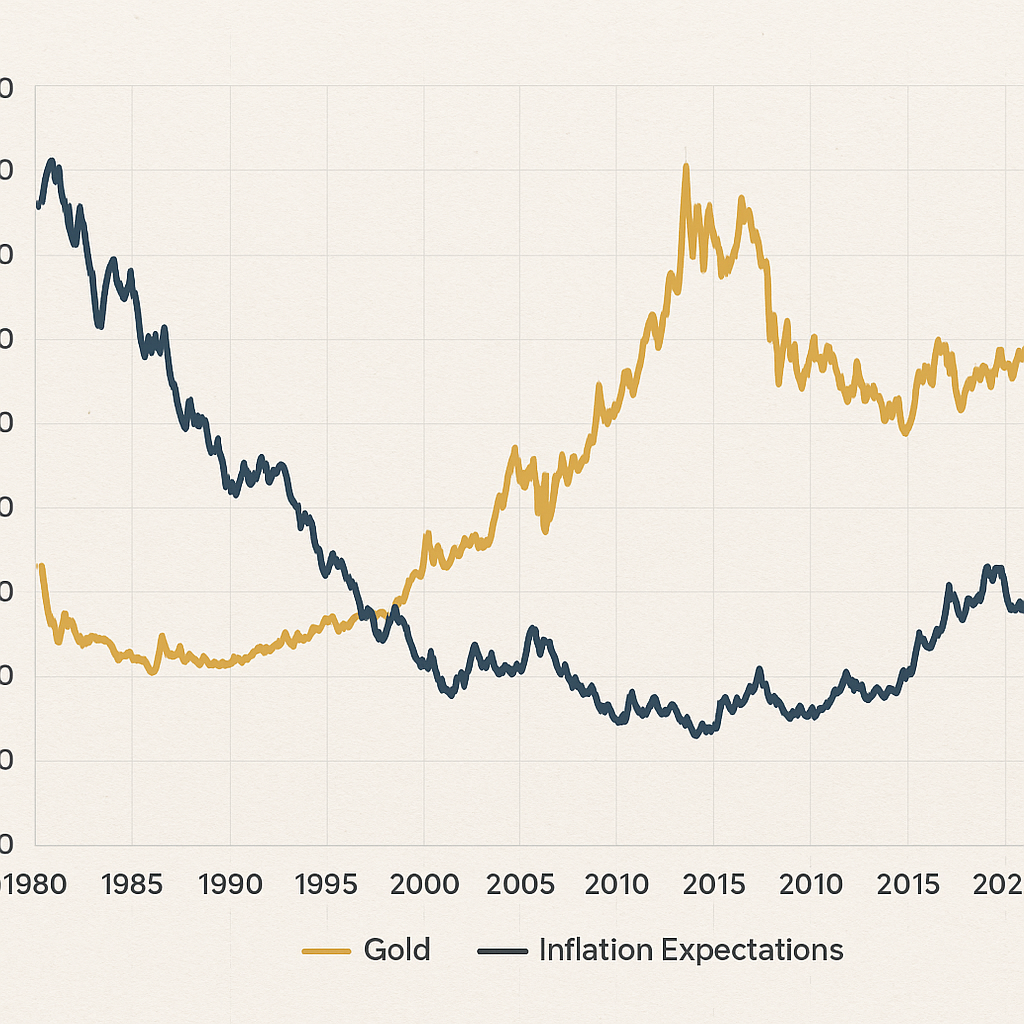
Gold does not offer coupon payments, so its attractiveness is inversely correlated with real interest rates. As inflation expectations climb, real yields on government bonds often dip into negative territory, prompting investors to seek alternatives. When rates rise to combat inflation, bullion may underperform until yields stabilize.
Geopolitical Tensions and Safe-Haven Demand
Conflicts in key regions, trade disputes, and diplomatic standoffs elevate volatility across asset classes. Gold purchases frequently surge when stock markets wobble or when the risk of sanctions threatens cross-border transactions. In such moments, the metal’s status as a sovereign-free asset shines.
Currency Fluctuations and Market Sentiment
Movements in the US dollar index often correlate inversely with gold. A stronger dollar makes bullion more expensive for holders of other currencies, weighing on demand. Conversely, a weaker greenback tends to buoy gold prices, as global buyers find it cheaper to acquire physical bars or exchange-traded products.
Implications for Global Stability and Future Trends
Current patterns in gold pricing offer insights into deeper economic realities. Rather than serving as a mere commodity, gold functions as a diagnostic tool that reveals undercurrents shaping world affairs.
Rebalancing of International Reserves
- Shifting away from dollar dominance highlights growing resilience among emerging economies.
- Diversification into gold mitigates exposure to unilateral financial sanctions.
- Accumulation trajectories reflect confidence—or lack thereof—in existing monetary frameworks.
Monetary Policy Crossroads
Central banks face a delicate balance between taming inflation and sustaining growth. Persistent gold purchases suggest skepticism about long-term currency stability and may influence interest-rate strategies. In instances where policymakers hesitate to tighten credit, bullish signals for gold intensify.
Technology, Mining, and Supply Constraints
Innovations in extraction and recycling have modestly expanded supply, yet new mine development often lags demand. Environmental regulations and geopolitical hurdles in producing regions can curtail output. Supply tightness can thus amplify price moves during demand surges.
Role of Gold in Portfolio Construction
Institutional and retail investors increasingly incorporate bullion within diversified portfolios to hedge against systemic shocks. Allocation models now account for correlations between gold, equities, and cryptocurrencies. Depending on risk appetite, holdings range from 5 percent to 15 percent of overall assets.
Assessing Long-Term Outlook
As global economies navigate mounting debt, political fractiousness, and climate-related disruptions, gold’s allure is unlikely to wane. Several trends merit close attention:
- Digital Gold Platforms: Blockchain-based ownership and tokenization may democratize access, boosting liquidity and narrowing physical-premium spreads.
- Emerging-Market Demand: Growing middle classes in Asia and Africa could elevate physical jewelry and investment flows.
- Green Energy Transitions: Mining practices aligned with sustainability standards will command premiums and reshape supply dynamics.
By monitoring these forces, stakeholders can leverage gold price movements as a real-time barometer of global stability, risk sentiment, and the evolving architecture of international finance.