The interplay between the United States dollar and global gold prices has long intrigued economists, investors, and policymakers alike. As the world’s primary reserve currency, the dollar exerts a profound influence on commodity markets. When the greenback weakens, gold often emerges as a beneficiary, drawing interest as a store of value. This article explores why gold tends to rally during periods of dollar weakness, examines historical precedents, and offers insight for market participants navigating this dynamic environment.
Factors Driving the Relationship Between Gold and Currency Fluctuations
Several interrelated forces shape the bond between a declining dollar and rising gold prices. Understanding these forces helps explain why gold frequently behaves as it does when the dollar loses ground.
Inflationary Pressures and Real Yields
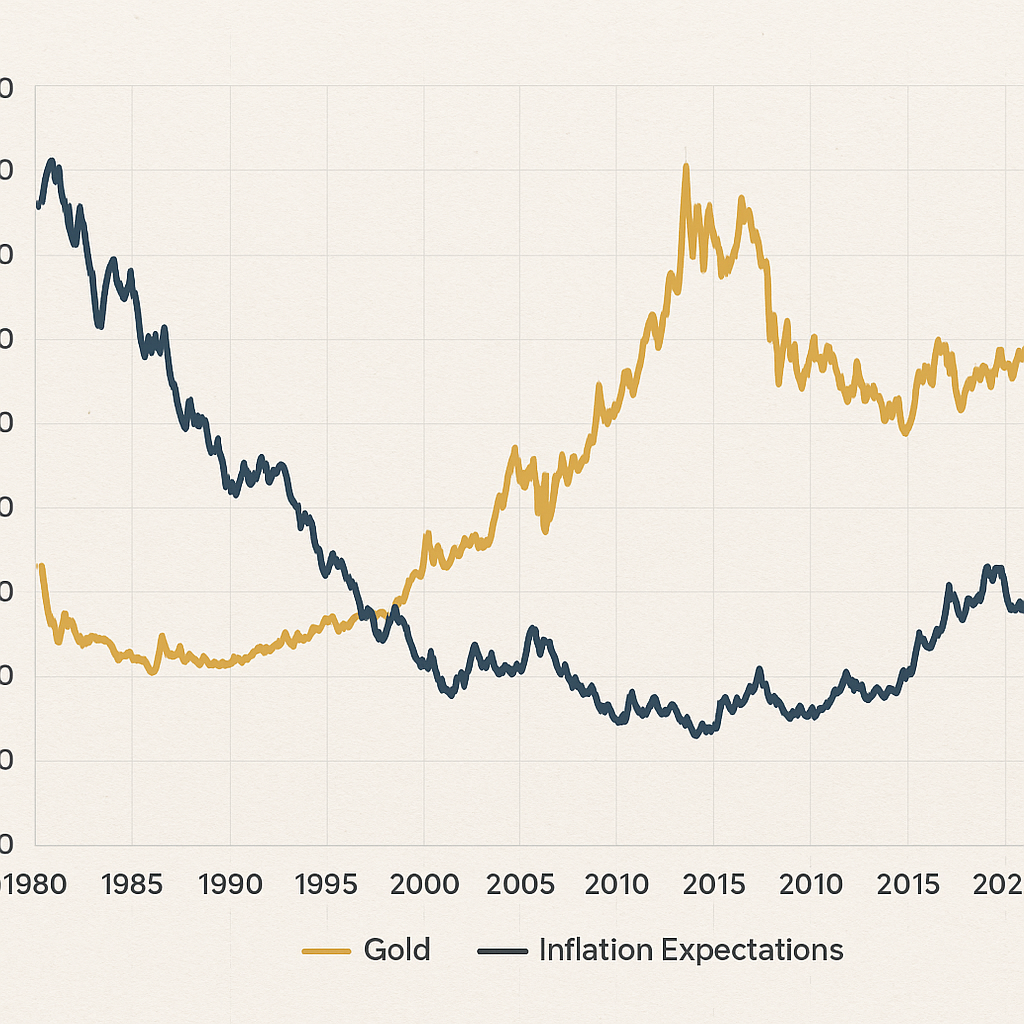
When central banks pursue expansionary monetary policy—cutting interest rates or purchasing large quantities of government debt—inflation expectations often rise. In that context, real interest rates (nominal rates minus inflation) may turn negative, reducing the opportunity cost of holding non-yielding assets such as gold. Investors seeking to protect purchasing power often flock to gold, pushing the demand higher and driving up its price.
Safe-Haven Appeal
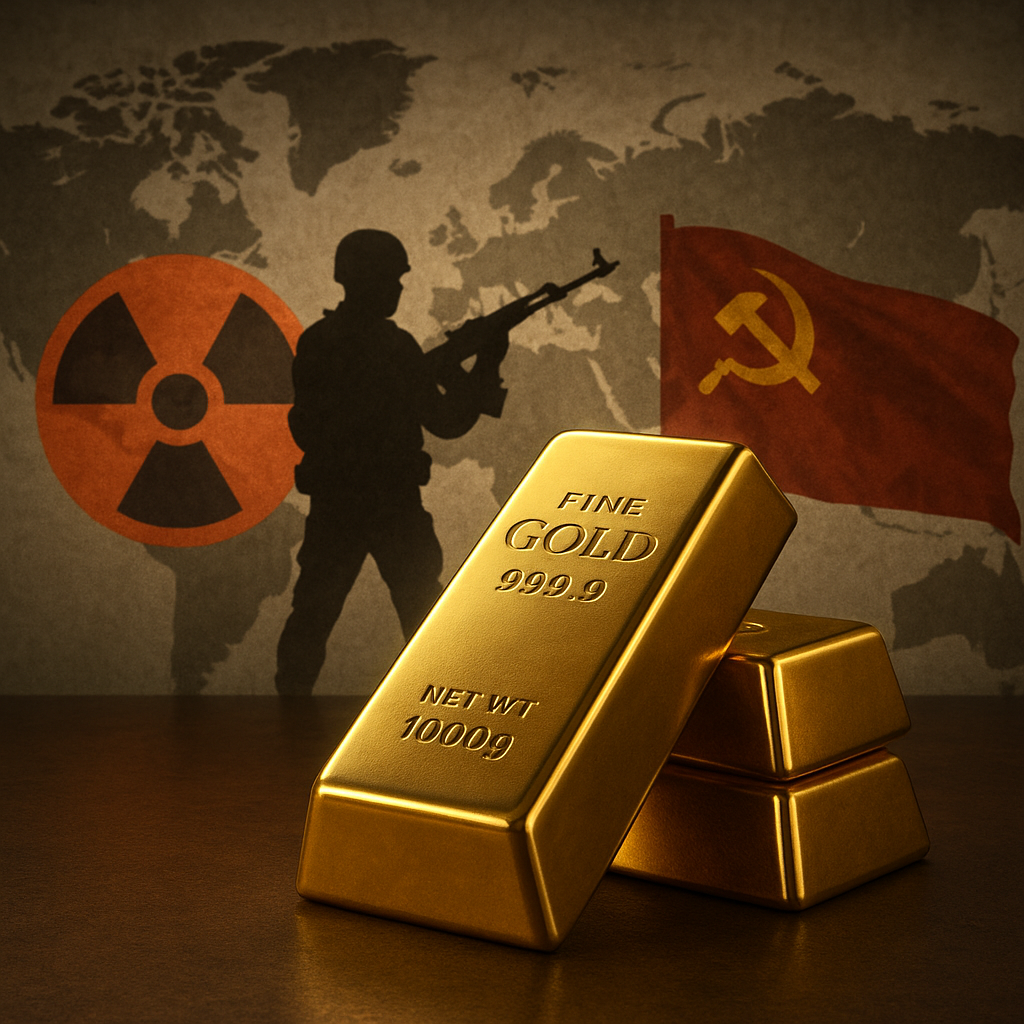
Gold’s reputation as a safe-haven asset intensifies when financial markets face uncertainty. A weaker dollar can signal concerns about the health of the U.S. economy, prompting risk-averse capital to shift into gold. This reallocation amplifies gold’s price appreciation, especially during episodes of heightened volatility or geopolitical tensions.
Reserve Asset Diversification
Central banks play a pivotal role in the gold-dollar nexus. As they aim to diversify foreign-exchange portfolios, a depreciating dollar encourages them to increase allocations to tangible assets like gold. These official purchases bolster gold’s status as an alternative reserve assets, reinforcing the inverse correlation with the dollar.
Historical Episodes of Dollar Depreciation and Gold Surges
Historical data offers clear examples of gold’s outperformance during U.S. currency weakness. By reviewing specific periods, one can appreciate the recurrent nature of this relationship.
The 1970s Stagflation Crisis
Following the collapse of the Bretton Woods system in 1971, the dollar underwent substantial devaluation. Concurrently, the U.S. faced rising unemployment and inflation—a phenomenon dubbed “stagflation.” Gold soared from around $35 per ounce to over $800 by 1980. Investors turned to gold as confidence in the dollar evaporated, illustrating how inflationary concerns can trigger massive demand for bullion.
The Early 2000s Commodity Boom
In the early 21st century, expansive fiscal and monetary measures contributed to a weakening dollar. From 2001 to 2011, gold rallied from roughly $270 to $1,900 per ounce. The metal’s ascent coincided with rising oil and commodity prices. Many speculators and hedge funds recognized gold’s potential as an effective hedge against currency debasement and purchased large quantities, accelerating the uptrend.
Post-Global Financial Crisis Environment
During the 2008 financial meltdown, the Federal Reserve unleashed several rounds of quantitative easing. While initial flight-to-quality flows benefited the dollar, successive asset purchases eroded its value. Gold responded robustly, reclaiming and surpassing previous highs. This era underscored how aggressive monetary easing and deteriorating real yields can catalyze gold demand.
Implications for Investors and Market Participants
Recognizing the gold-dollar interplay is crucial for crafting robust investment strategies. Whether viewed as a tactical trade or strategic allocation, gold’s performance during dollar slumps offers multiple angles of engagement.
- Portfolio Diversification: Incorporating gold can reduce overall risk, particularly when U.S. equities and bonds become vulnerable to dollar-driven downturns.
- Inflation Protection: Investors worried about eroding purchasing power may allocate to gold as a long-term inflation hedge.
- Risk Management: During spikes in market volatility, gold can function as an anchor, mitigating drawdowns in broader asset classes.
- Currency Exposure: Those holding foreign currencies or international bonds should consider gold as a cushion against unexpected dollar moves.
Commodity traders and financial institutions often monitor key economic indicators—such as U.S. Consumer Price Index readings, Federal Reserve policy statements, and Treasury yield movements—to anticipate shifts in the dollar-gold correlation. By staying attuned to central bank actions and geopolitical developments, market participants can better position themselves ahead of potential currency-driven rallies in gold.
Strategies for Navigating a Weakening Dollar Environment
When anticipating further dollar depreciation, investors can employ various strategies to harness gold’s traditional relationship with the currency. Below are several approaches to consider:
- Physical Acquisition: Purchasing bullion coins or bars provides direct exposure, free from counterparty risk. Storage considerations and premiums over spot price are key factors.
- Gold ETFs: Exchange-traded funds offer liquid and cost-efficient access to gold. Although they carry management fees, they provide ease of entry and exit without the complexities of physical custody.
- Mining Equities: Investing in gold mining companies can yield leveraged returns. However, this approach introduces operational risks, geopolitical exposures, and sensitivity to production costs.
- Futures and Options: Derivative instruments enable leveraged positions and sophisticated hedging. Traders should be mindful of margin requirements and potential for rapid losses.
- Structured Products: Some banks offer tailored notes linking returns to the performance of gold relative to the dollar. These can suit investors seeking specific payoff profiles but may involve credit risk.
Regardless of the chosen vehicle, it is vital to assess one’s risk tolerance, investment horizon, and cost structure. Regularly rebalancing allocations ensures that gold retains its intended role—whether as a temporary refuge or a permanent component of a diversified portfolio.
Future Outlook and Key Considerations
Looking ahead, the interaction between the dollar and gold will remain a cornerstone of global financial markets. Several elements will influence the trajectory:
- Monetary Policy Divergence: Shifts in policy stances among the Federal Reserve versus other major central banks can amplify currency moves and fuel gold rallies.
- Debt Sustainability: Growing sovereign debt burdens may put downward pressure on the dollar and elevate inflation expectations, bolstering gold demand.
- Geopolitical Risks: Heightened tensions or trade disputes often spark safe-haven flows into gold at the expense of the dollar.
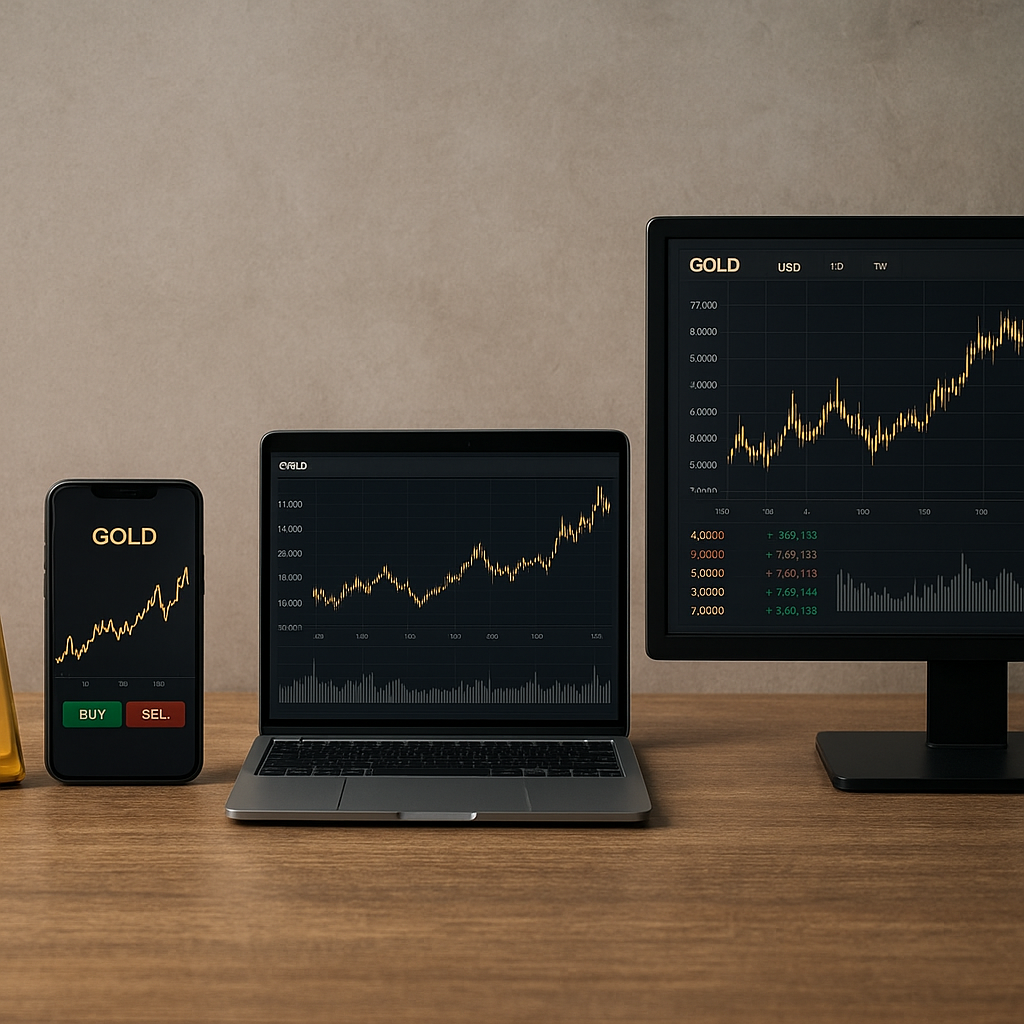
- Technological Adoption: Emerging platforms for trading and storing digital gold tokens could broaden access and influence liquidity dynamics.
By tracking these developments, investors and policymakers alike can better anticipate the ebb and flow of this time-tested relationship. As long as the dollar remains the world’s reserve benchmark, its fluctuations will continue to cast a long shadow over gold’s price behavior, offering both challenges and opportunities for those who seek to navigate the intertwined currents of currency and commodity markets.