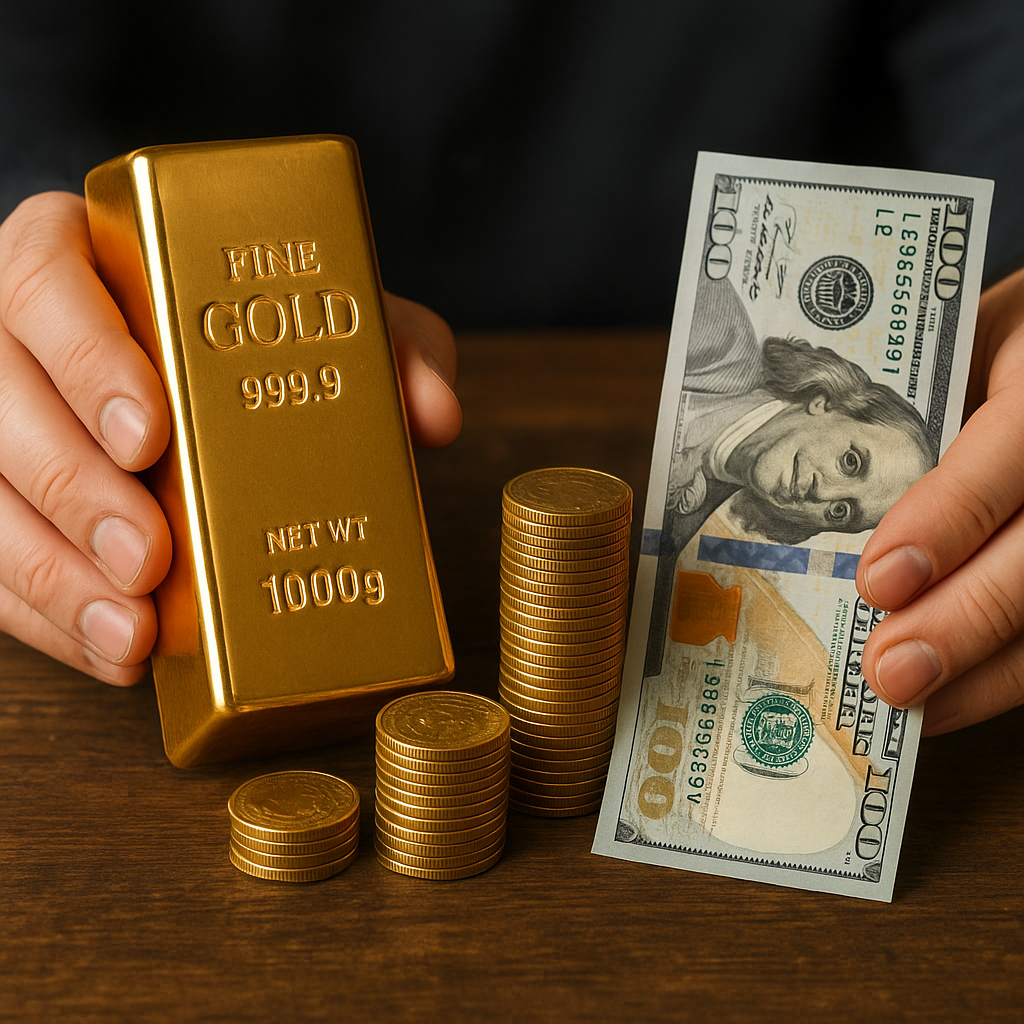
The enduring allure of gold transcends mere monetary value, embedding itself deeply in culture, finance, and global trade. As the benchmark for stability and a time-honored store of wealth, the world gold price offers unique insights into economic health, investor sentiment, and geopolitical tensions. This article delves into the multifaceted nature of gold markets, exploring historical roots, key price drivers, investment strategies, and emerging trends shaping its trajectory.
Historical Roots and Cultural Resonance
For millennia, gold has symbolized power, prosperity, and divine favor. Ancient civilizations coined gold into jewelry and currency, attributing mystical properties to its lustrous sheen. Over centuries, empires amassed treasuries brimming with gold, cementing its status as the ultimate reserve asset.
Monetary Systems and the Gold Standard
The 19th and early 20th centuries witnessed the rise of the gold standard, where national currencies were backed by fixed quantities of gold. This system provided unparalleled price stability and fostered international trade by offering predictable exchange rates.
- Britain’s adoption in 1821 set a global precedent.
- The U.S. Gold Standard Act of 1900 defined the dollar in terms of 23.22 grains of gold.
- Suspendion of convertibility in 1933 marked the system’s decline.
Cultural and Religious Significance
Beyond economics, gold occupies a sacred place in rituals and ceremonies across continents. From the gilded temples of Asia to the wedding dowries of Europe, this commodity carries profound symbolic weight.
Market Mechanics and Price Drivers
Unlike most raw materials, gold’s value is influenced by factors far beyond simple supply and demand. Below are the primary forces shaping the world gold price:
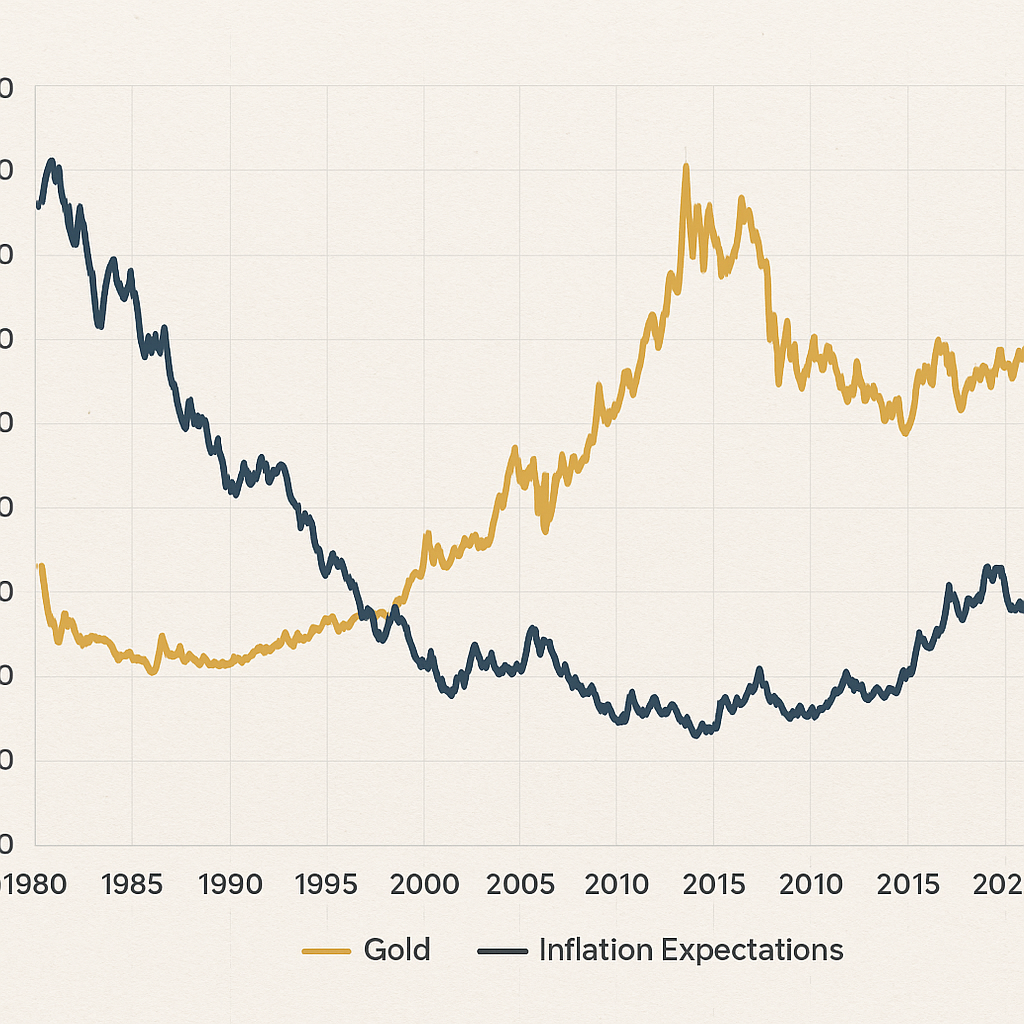
- Inflation and Real Yields: Gold often outperforms when real interest rates are negative, as it bears no coupon and benefits from rising consumer prices.
- Central Banks Interventions: Official institutions collectively hold over 34,000 tonnes of gold. Their buying or selling can sway price directions significantly.
- Geopolitical Uncertainty: Tensions in the Middle East or trade disputes can trigger safe-haven flows into gold, boosting its premium.
- Market Sentiment: ETF inflows and speculative positioning in futures markets often amplify price moves on both the upside and downside.
- Mining Production and Exploration Costs: Geographic concentration in regions like South Africa and Australia means that operational challenges can restrict supply.
Role of Currency Movements
The U.S. dollar’s strength is inversely correlated with gold. A weaker dollar enhances gold’s appeal to foreign buyers, while a strong greenback tends to cap price increases.
Impact of Technological Advances
Innovations in mining and refining have reduced extraction costs, but environmental regulations and community resistance can limit new mine developments. These dynamics keep the demand for existing reserves robust.
Investment Strategies and Portfolio Integration
Gold occupies a unique niche in diversified investment portfolios, offering liquidity and an effective hedge against market turmoil. Institutional and retail investors approach gold through several channels:
- Physical Bullion and Coins: Direct ownership appeals to purists but incurs storage and insurance costs.
- Exchange-Traded Funds (ETFs): Products like GLD and IAU provide easy market access without the complexities of physical custody.
- Futures and Options: Derivatives offer leverage but come with margin requirements and potential for rapid losses.
- Gold Mining Stocks: Equity in producers and explorers can amplify gains, though they carry operational and geopolitical risks.
Allocating Gold in Portfolios
Financial advisors typically recommend an allocation of 5–10% to gold for diversification. This range balances potential returns against the opportunity cost of non-yielding assets.
Tax and Regulatory Considerations
Depending on jurisdiction, capital gains taxation and import duties can affect net returns. Investors should remain cognizant of legal frameworks governing cross-border bullion movements.
Emerging Trends and Future Outlook
As global economies navigate unprecedented challenges, the world gold price is poised to respond to evolving market realities:
Central Bank Accumulation
A resurgence of gold buying by emerging-market banks in Asia and Eastern Europe underscores a shift toward non-dollar reserves. This trend underpins long-term demand growth.
Digital Gold and Tokenization
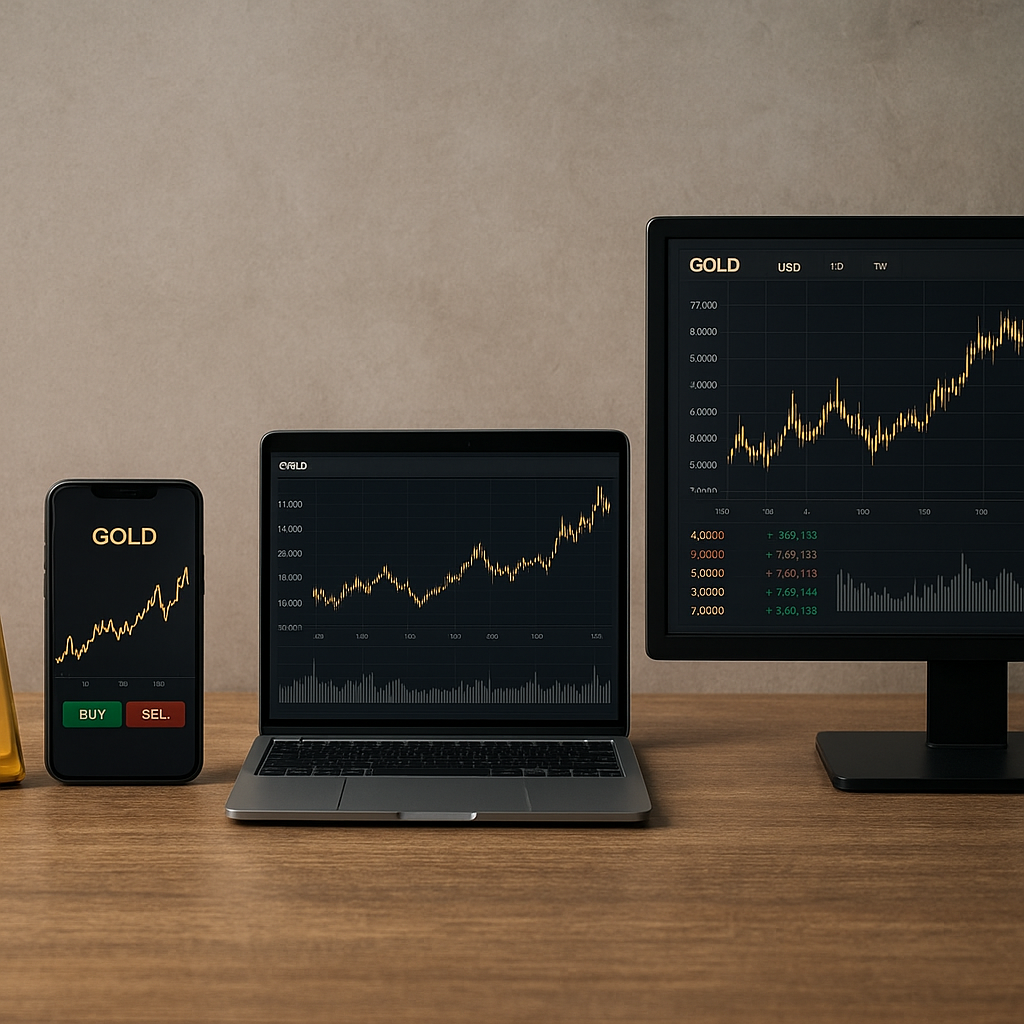
Blockchain technology has ushered in tokenized gold platforms, where investors can own fractional, digitally verifiable ounces. This innovation boosts accessibility and diminishes custody concerns.
Environmental, Social, and Governance (ESG) Factors
Heightened scrutiny of mining practices drives producers toward greener operations. ESG-compliant gold draws premiums, reflecting investor willingness to pay for ethically sourced metals.
Potential Market Catalysts
- Monetary stimulus tapering by major central banks.
- Shifts in real yield trajectories amid tightening cycles.
- Renewed geopolitical flashpoints triggering safe-haven demand.
- Technological disruptions in mining and refining efficiency.
Conclusion
Gold’s enduring status as a global benchmark springs from its unique combination of scarcity, cultural resonance, and financial utility. Its price dynamics reflect a tapestry of economic forces—from monetary policy to geopolitical winds—making gold an indispensable asset for investors seeking stability and long-term growth prospects.