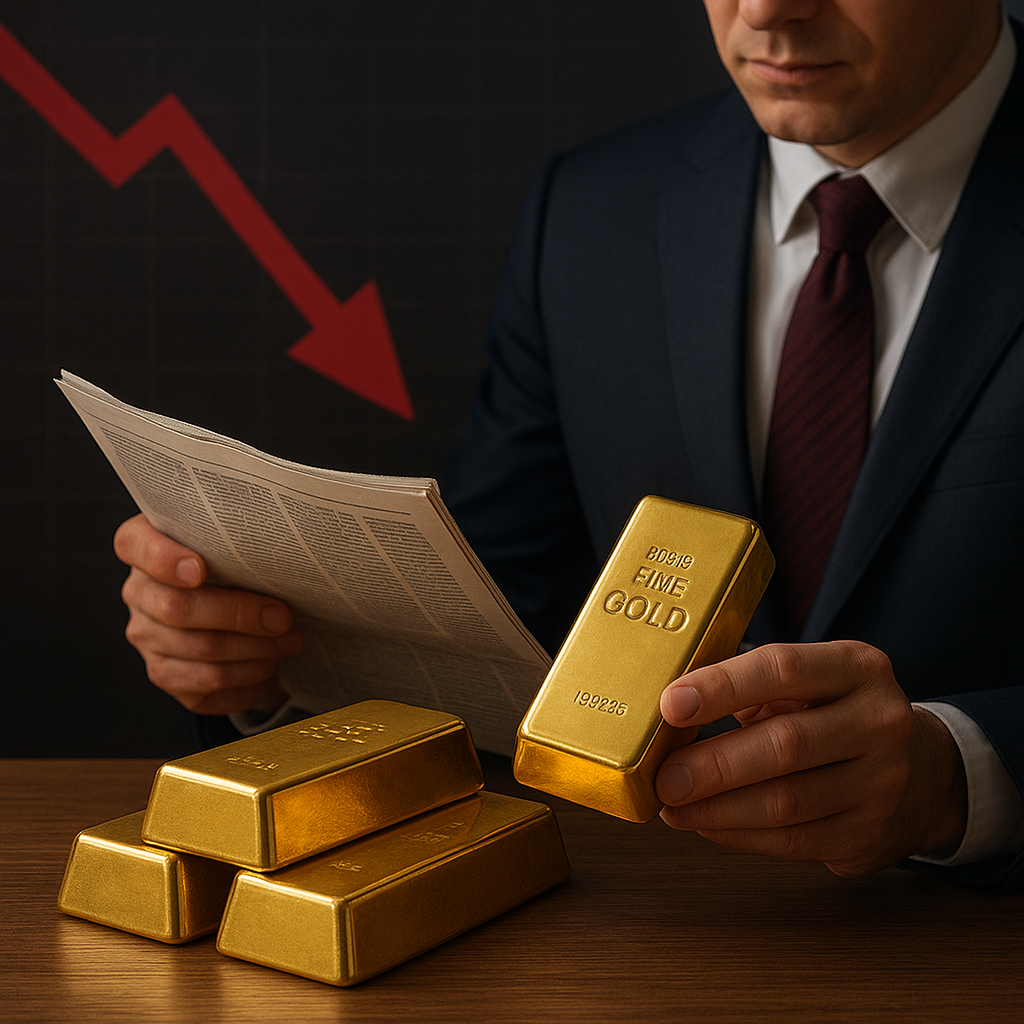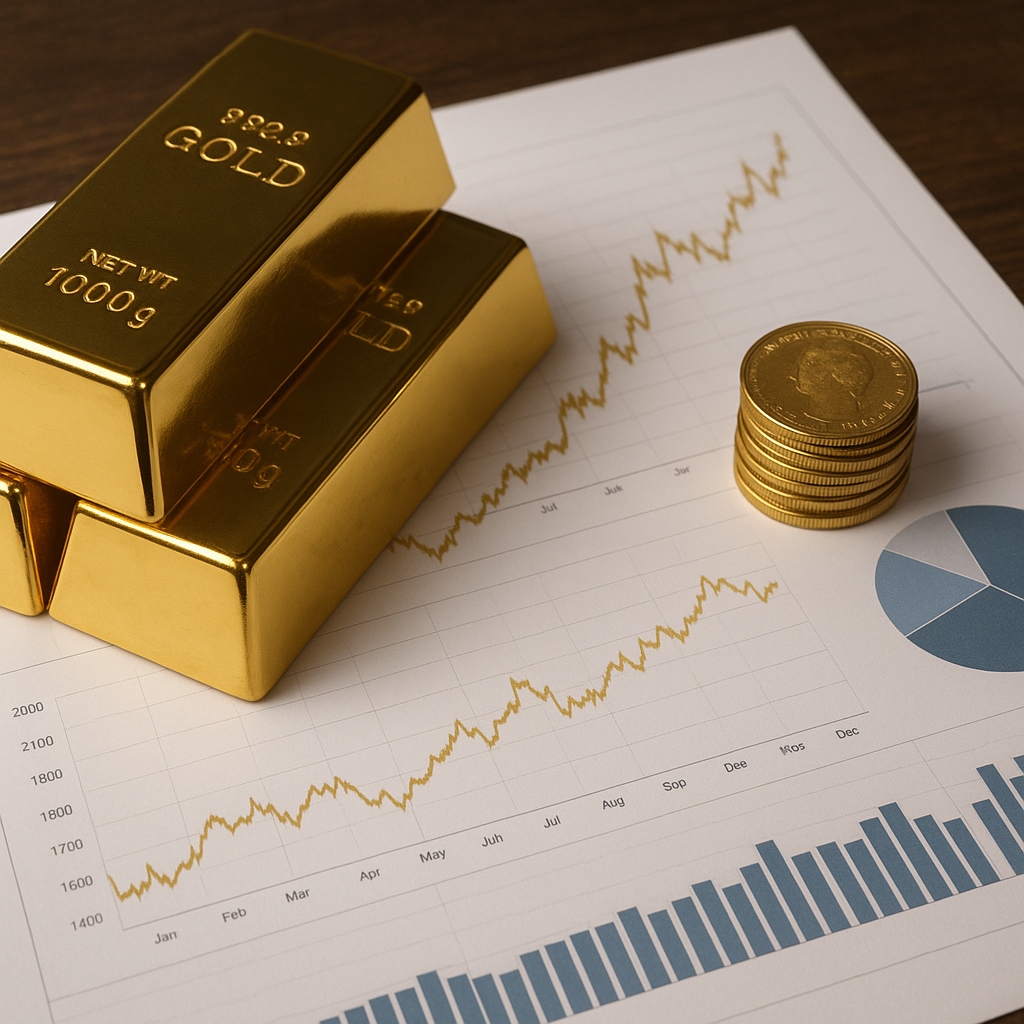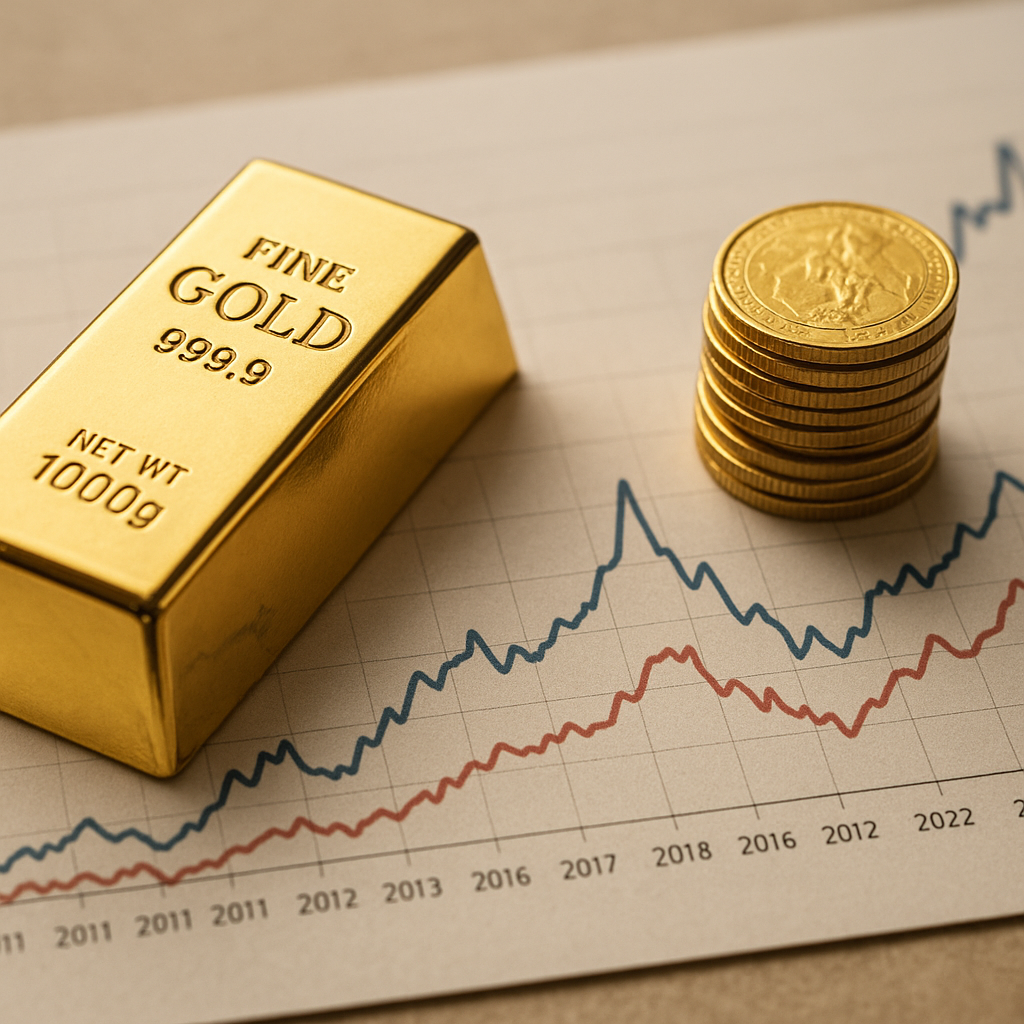
The interplay between global banking crises and the precious metals market has long fascinated economists, investors, and policymakers alike. While many assets suffer during episodes of financial turmoil, gold often shines as a beacon of stability. This article delves into the complex relationship between banking sector distress and surges in gold demand, shedding light on historical precedents, the key drivers behind investor behavior, and the ensuing impact on the world gold price.
Historical Patterns of Gold as a Crisis Hedge
The link between gold and financial upheavals stretches back centuries. When banks falter, confidence in fiat currencies and credit markets can erode rapidly. In such moments, gold’s intrinsic qualities and its perception as a safe-haven asset prompt investors to flock to the yellow metal, pushing prices upward.
Case Study: 2008 Financial Crisis
As the collapse of Lehman Brothers in September 2008 triggered a global banking meltdown, gold prices experienced one of their sharpest rallies in modern history. From around $800 per ounce at the beginning of the year, prices vaulted past $1,000 by March 2008 and eventually peaked above $1,200 by late 2009. Key factors included:
- Deepening credit crunch and evaporation of liquidity in interbank markets
- Massive central bank interventions and quantitative easing measures
- Heightened market volatility and plunging equity valuations
Investors, fearing currency debasement and further banking failures, seized on gold to preserve purchasing power and stabilize portfolios.
Interwar Period and the Great Depression
During the 1929 stock market crash and the ensuing Great Depression, gold backed many national currencies. As banking systems teetered, hoarding increased dramatically. Countries that clung to the gold standard found their economies restricted, eventually abandoning it to regain monetary flexibility. Still, private demand surged, underscoring gold’s dual role as both a monetary anchor and a private wealth store.
Drivers Behind Gold Demand During Banking Turmoil
Understanding why gold shines brightest when banks falter requires unpacking several interrelated drivers:
- Loss of Confidence: Bank runs and systemic failures undermine trust in deposit insurance and fiat money.
- Portfolio Diversification: Gold’s historically low correlation with equities and bonds makes it an effective hedge against systemic risk.
- Inflation Hedging: Aggressive monetary easing to rescue banking institutions can stoke fears of future inflation, boosting gold’s appeal as an inflation-resistant asset.
- Regulatory Arbitrage: In times of stricter capital requirements or bank closures, investors may shift to gold to circumvent regulatory constraints.
- Central Bank Reserve Strategies: Central banks often increase their gold reserves during crises to bolster trust in national financial systems and diversify away from other sovereign bonds.
Combined, these factors create a potent cocktail that drives both private and official buyers toward the gold market.
Implications for World Gold Price and Investors
Spikes in demand during banking crises are reflected almost immediately in the global gold price. Several dynamics come into play:
Central Bank Buying and Reserves Strategy
Amid banking instability, many central banks accelerate their gold purchases. This trend, observed in recent crises, underscores gold’s status as a strategic reserve asset. By diversifying away from foreign currency reserves, central banks seek to reduce exposure to counterparties and foreign policy risks. Such large-scale acquisitions can exert upward pressure on prices, especially when mined supply remains inelastic in the short term.
Retail and Institutional Investor Behavior
Retail investors, spooked by deposit freezes or emergent bank closures, often convert cash holdings into gold bars or coins. Meanwhile, institutional investors—hedge funds, pension funds, and sovereign wealth funds—allocate larger portions of their portfolios to gold ETFs and futures contracts. This dual-front buying amplifies market participation. At the same time, leveraged positions can fuel short-term price jumps, though they may also lead to sudden corrections once panic subsides.
Future Prospects and Market Dynamics
Given the cyclical nature of banking crises, gold’s allure is unlikely to wane. However, evolving market structures and technological advances may influence price movements. Key considerations include:
- Digital Currencies and Stablecoins: The rise of private digital assets backed by gold could reshape demand patterns, offering investors new channels to access the metal.
- Mining Production Constraints: Environmental regulations and declining ore grades may limit supply growth, leaving prices sensitive to demand shocks.
- Geopolitical Tensions: Cross-border financial sanctions and currency wars can trigger gold buying as nations and institutions seek a neutral, universally accepted asset.
- Interest Rate Policies: Central bank decisions on interest rates impact opportunity costs of holding non-yielding assets like gold, influencing its attractiveness relative to bonds.
Ultimately, banks and governments play pivotal roles in shaping the macroeconomic environment. As long as systemic vulnerabilities persist, investors will continue to regard gold as a bulwark against crises, and its price will mirror that enduring confidence.