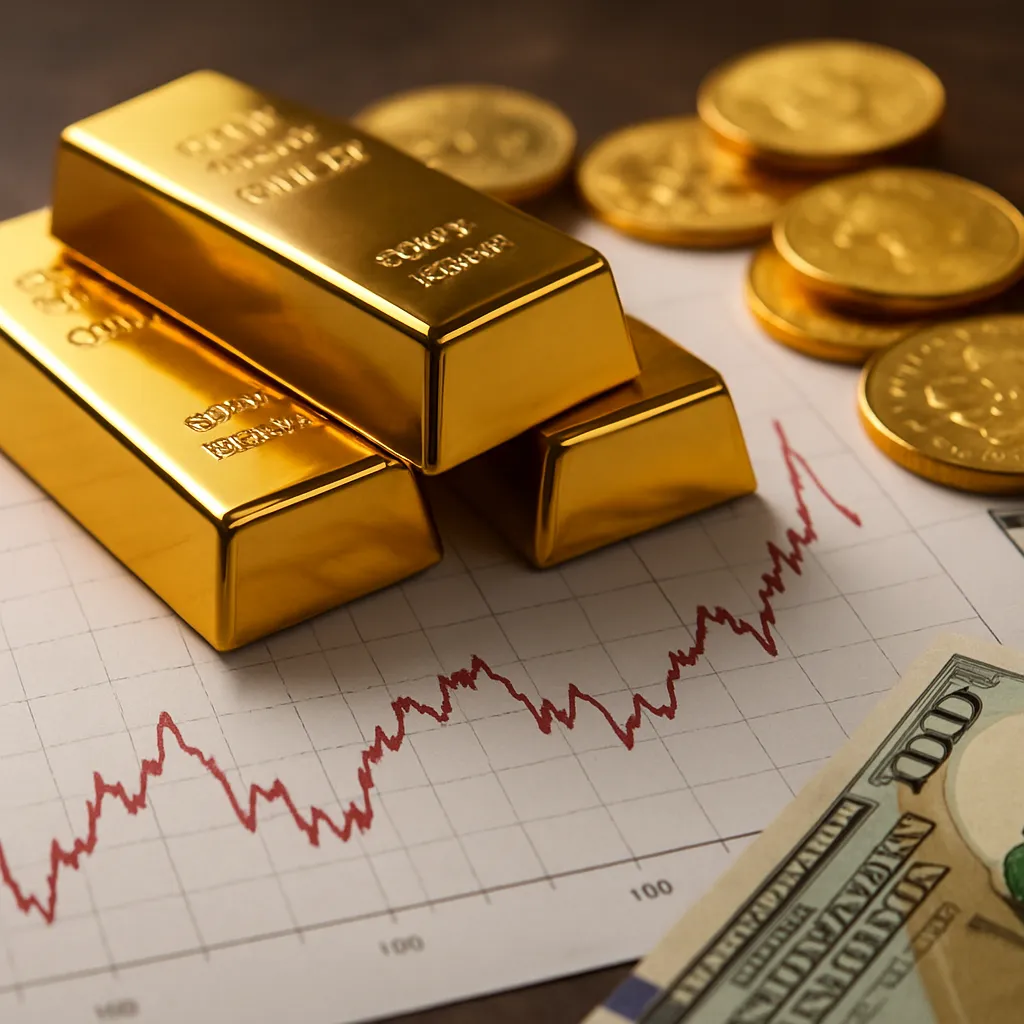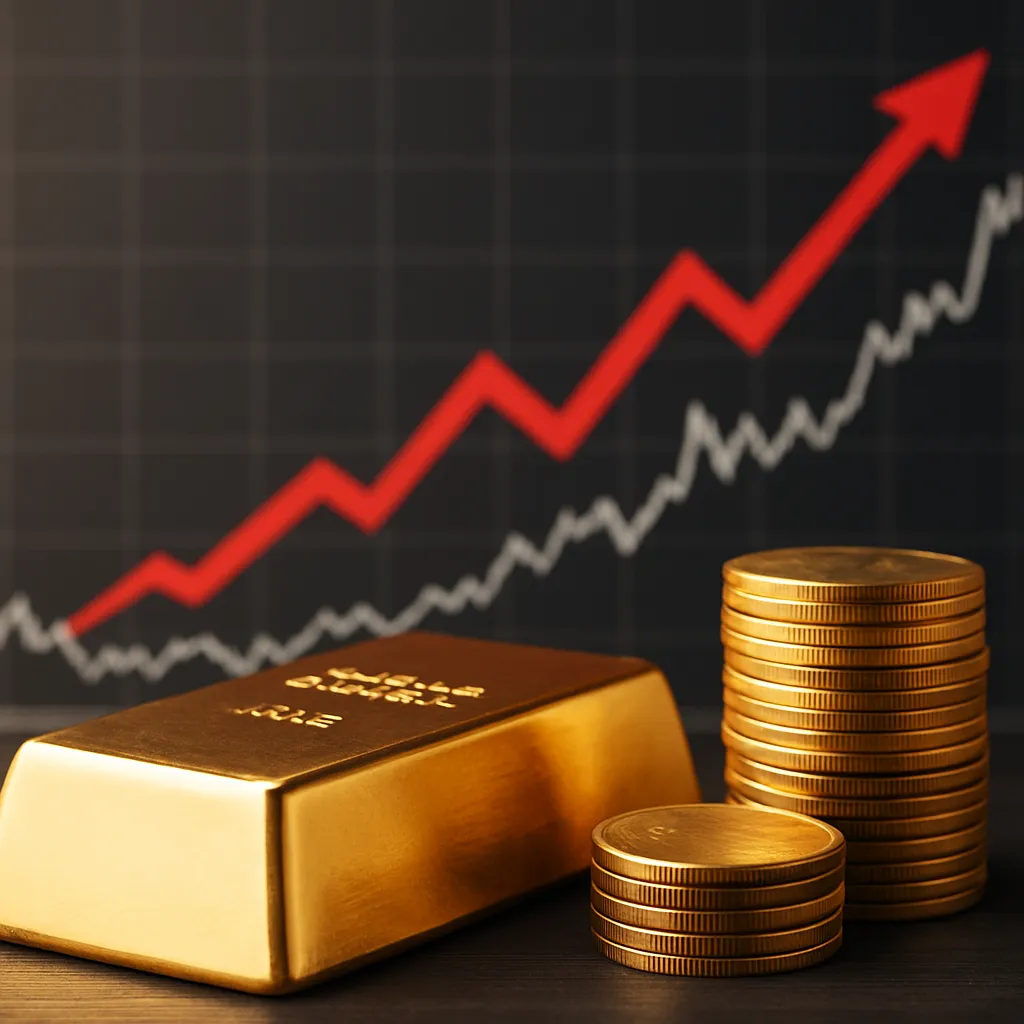
Gold markets exhibit remarkable movements in the days leading up to significant economic announcements, with prices frequently climbing as investors reposition their portfolios. By examining the interplay of psychological, economic, and historical factors, we can better understand why gold often outshines other assets just before major central bank meetings, employment reports, or inflation data releases.
Market Psychology and Anticipation
The moments before an economic announcement are defined by heightened volatility and uncertainty. Traders and institutional investors alike seek to manage their exposure to potential shocks by shifting into assets that have historically offered stability. Gold, recognized as a reliable hedge against financial turbulence, naturally attracts capital when forecasts become murky.
- Risk-off Sentiment: As the probability of bearish outcomes rises, investors move away from equities and high-beta assets, opting for instruments that tend to hold value.
- Safe-Haven Demand: Gold’s centuries-long reputation as a safe-haven asset compels asset managers and private investors to increase allocations just before data releases.
- Speculative Positioning: Hedge funds often increase long positions in futures or options, anticipating sharp moves should the announcement surprise the market.
- Volatility Spikes: Implied volatility in currency and bond markets feeds back into gold demand, as traders seek to cushion portfolios.
Moreover, algorithmic trading strategies react instantaneously to shifts in market sentiment. Many quantitative models incorporate implied volatility indices and cross-asset correlations, causing automated systems to scale up gold acquisitions whenever risk measures cross predefined thresholds.
Global Economic Indicators and Gold’s Role
While psychological drivers play a substantial role, fundamental forces rooted in global economic data are equally critical. Gold prices are sensitive to expected changes in inflation, interest rates, and currency valuations. Investors closely monitor releases such as Consumer Price Index (CPI), Producer Price Index (PPI), and Purchasing Managers’ Index (PMI) across major economies.
Inflation Expectations and Real Yields
Gold does not pay interest or dividends, so its opportunity cost relates directly to real yields on government bonds. When inflation expectations outpace nominal yields, real yields decline, making gold more attractive. In the days before inflation reports, forecasts of higher-than-anticipated CPI readings can drive gold prices upward as traders price in potential monetary policy adjustments.
Central Bank Actions and Liquidity
Announcements from major central banks—including the Federal Reserve, European Central Bank, and People’s Bank of China—carry immense weight. Investors assess minutes, forward guidance, and policy statements to gauge future liquidity conditions. An environment of ample liquidity and loose monetary policy typically favors gold, as negative real interest rates reduce the cost of holding a non-yielding asset.
- Quantitative Easing Expectations: Increased asset purchases by central banks can weaken fiat currencies, bolstering gold prices.
- Rate Hike Speculation: Even modest expectations of rate increases often lead to choppy markets, prompting gold demand as a hedge.
- Currency Interventions: Speculation about foreign exchange interventions can generate cross-market flows into gold, especially if a country’s reserves are expected to diversify.
In emerging markets, foreign exchange pressure can be acute. Anticipated policy shifts by major economies often trigger fund reallocation from emerging-market bonds to bullion, amplifying price moves.
Historical Cases of Pre-Announcement Surges
Historical episodes illustrate how gold responds to pre-announcement dynamics. Examining these case studies reveals patterns that repeat across cycles.
2013 Federal Reserve Taper Tantrum
In mid-2013, whispers of tapering the Fed’s quantitative easing program prompted a brief spike in gold prices. Despite later declines, the immediate reaction saw a surge of more than 4% in the two days preceding Chairman Bernanke’s testimony. Investors raced to protect positions amid fears of tightening liquidity.
2016 Brexit Referendum
Although not a traditional economic release, the June 2016 Brexit vote served as a proxy for uncertainty. In the days before the referendum, gold rallied more than 5% on speculation of a shock vote. The market’s expectation of turbulent economic consequences drove record inflows into exchange-traded funds, underlining gold’s role as a crisis hedge.
2020 Pandemic-Era Announcements
During the initial COVID-19 outbreak, gold exhibited dramatic surges before emergency central bank meetings. In March 2020, gold prices climbed nearly 10% in the week leading up to coordinated rate cuts by the Fed and the Bank of England. Worries about systemic risk fueled by the health crisis drove investors toward bullion, reinforcing its function as an insurance policy against market breakdowns.
These episodes demonstrate that whether the catalyst is monetary, fiscal, or geopolitical, the common denominator is elevated uncertainty. Gold’s unique characteristics—scarcity, universal acceptance, and lack of counterparty risk—make it a natural destination for capital when everyone awaits the next major announcement.
Strategies for Navigating Pre-Announcement Gold Moves
Investors looking to capitalize on or manage these surges can adopt several approaches:
- Staggered Entry: Gradually building positions to avoid unfavorable average prices if the announcement defies consensus.
- Options Hedging: Buying call options or collars to limit downside while retaining upside potential.
- Cross-Asset Diversification: Balancing gold with Treasury bonds and select equities to mitigate extreme swings.
- Technical Analysis: Monitoring key resistance levels and momentum indicators to time entries and exits.
Ultimately, understanding the interplay between world gold price dynamics and major economic data releases enables more informed decision-making. By recognizing the signals sent by market participants and tracking historical reactions, investors can position themselves ahead of significant announcements and harness the intrinsic power of gold as a portfolio cornerstone.