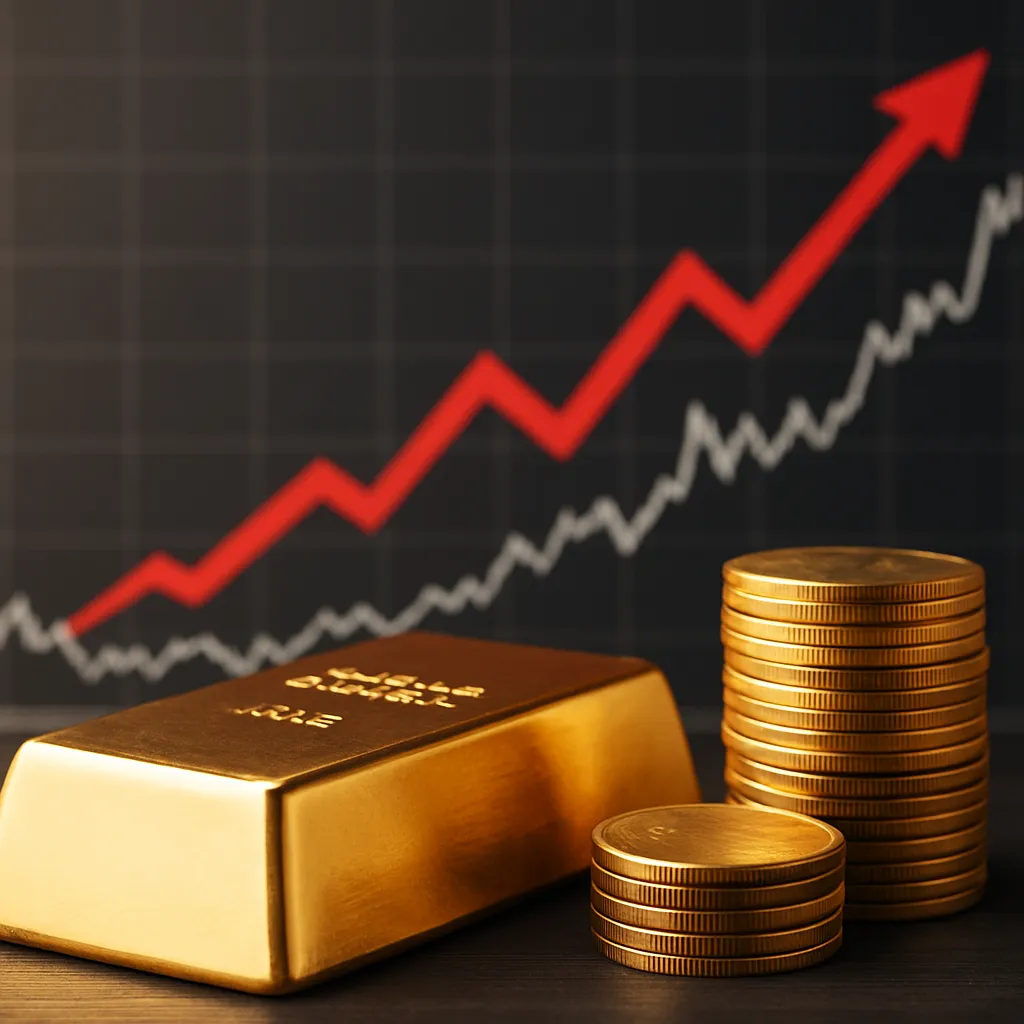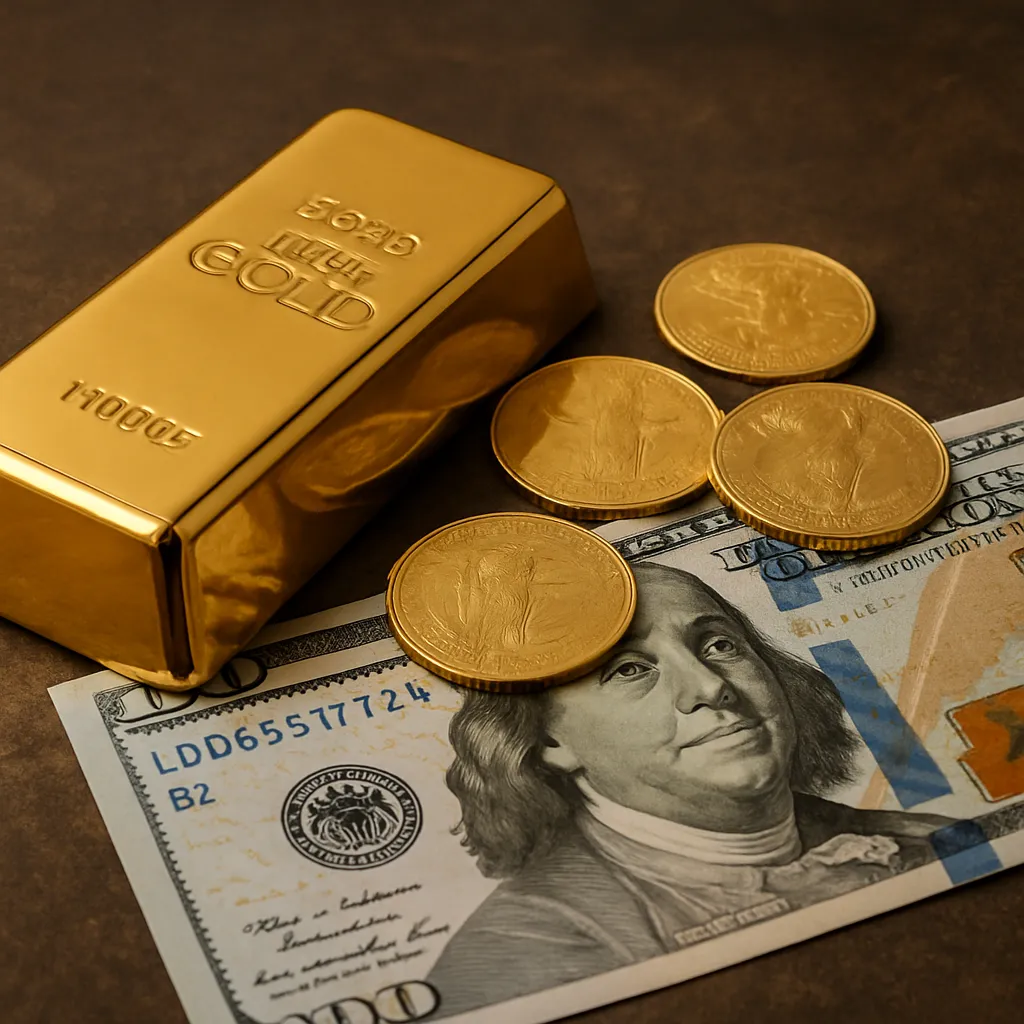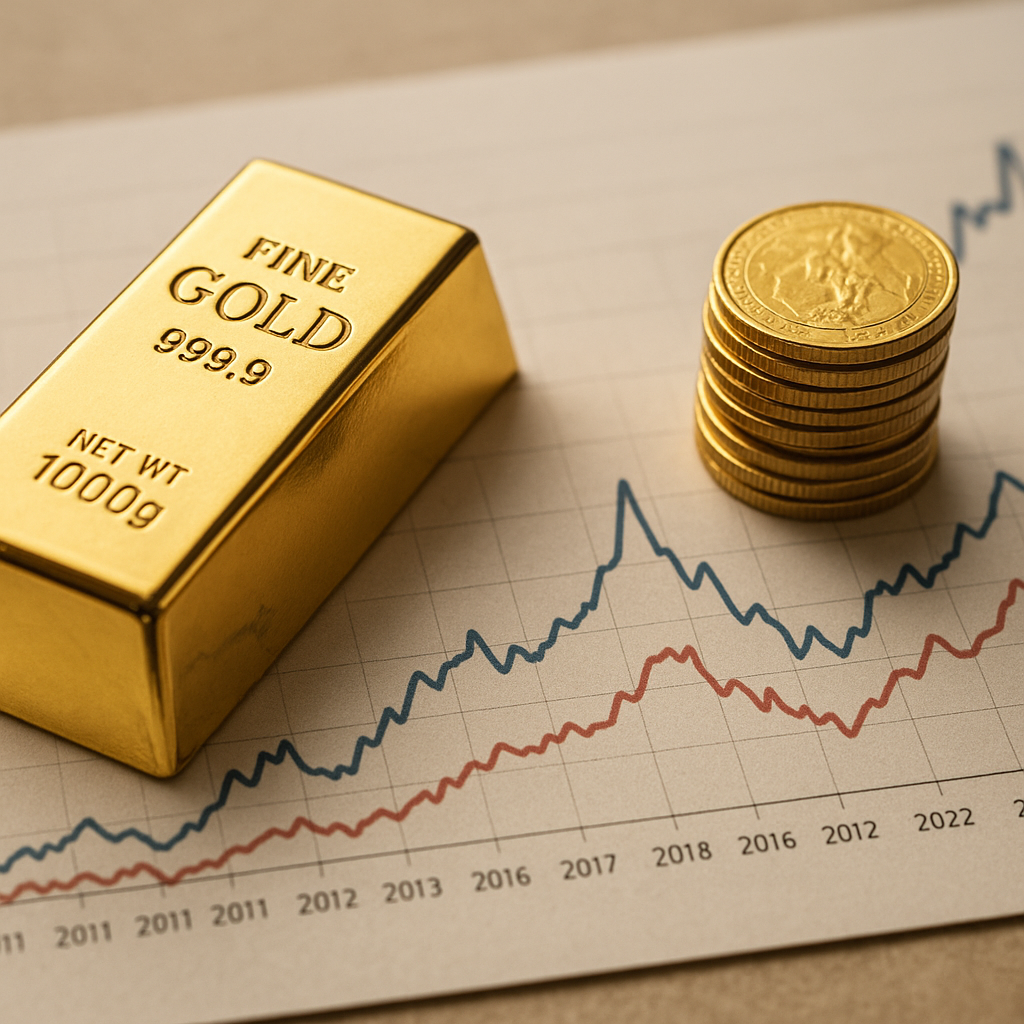
Periods of intensified financial uncertainty often prompt a surge in interest toward gold, as market participants seek refuge from systemic instabilities. When bank failures, liquidity crunches, or abrupt shifts in credit availability emerge, the allure of a safe-haven asset grows stronger. This phenomenon, observed repeatedly over decades, underscores the critical role that gold continues to play in a diversified investment strategy.
Historical Role of Gold as a Safe-Haven Asset
Since antiquity, societies have ascribed enduring value to gold due to its scarcity, malleability, and resistance to corrosion. Over centuries, it evolved from ancient coins to modern bullion bars, sustaining its appeal across shifting financial regimes. During the Great Depression and the stagflation of the 1970s, for instance, gold provided a bulwark against steep declines in paper currency purchasing power. Central banks and sovereign wealth funds have long held significant gold reserves, underscoring its perception as a store of value when monetary policy loses traction.
Today’s financial ecosystem is far more complex, populated by high-frequency trading algorithms and derivative instruments. Yet gold’s intrinsic qualities—its universality and non-sovereign nature—enable it to retain a central role in portfolios when conventional assets falter. The metal’s price behavior during episodes of banking stress is a testament to its historical pedigree as a pillar of wealth preservation.
Drivers of Gold Demand During Banking System Stress
When commercial banks face solvency concerns or undergo rapid withdrawals, liquidity evaporates from broader credit markets. Investors, worried about counterparty risk and the solvency of financial intermediaries, redirect capital toward tangible stores of value. Several key factors drive this migration:
- Flight to Safety: Under duress, market participants seek assets with minimal default risk. Gold, unencumbered by issuer creditworthiness, emerges as an obvious choice.
- Hedging Against Volatility: Banking crises often trigger extreme swings in equity and bond markets. Gold’s low or negative correlation to those assets enhances its effectiveness as a hedge.
- Inflation Fears: Central banks frequently respond to systemic stress by injecting liquidity or cutting interest rates, raising concerns about future inflation. As a tangible commodity, gold offers protection when fiat currencies’ purchasing power erodes.
- Geopolitical Tensions: Banking fragility can coincide with geo-strategic conflicts. Political uncertainty reinforces gold’s reputation as a neutral reserve asset unaffected by geopolitical alignments.
- Portfolio Diversification: Modern asset allocation theories advocate for exposure to non-correlated instruments. Gold’s price movements often diverge from equities and fixed income, boosting risk-adjusted returns.
Central Bank Behavior
Central banks often increase their gold reserves during periods of external pressure on the banking system. This strategic accumulation reflects a desire to shore up national balance sheets and mitigate currency volatility. When the International Monetary Fund and World Gold Council report upticks in central bank purchases, it signals institutional confidence in gold’s role as a crisis buffer.
Impact on World Gold Prices
Global gold prices are shaped by the interplay of supply constraints and demand surges. In times of banking system stress, the demand curve shifts markedly to the right, exerting upward pressure on prices. Key dynamics include:
- Physical Demand: Retail investors and high-net-worth individuals, wary of digital banking vulnerabilities, acquire bullion and coins. Seasonal festivals in Asia further amplify this demand spike.
- Exchange-Traded Funds (ETFs): Gold-backed ETFs provide a liquid, exchange-traded alternative to physical holdings. During crisis episodes, ETF inflows surge as institutional investors rebalance to mitigate systemic risk.
- Futures and Options Markets: Derivative positioning can exaggerate price moves. When speculators anticipate escalating bank stress, they often establish long positions, amplifying positive feedback loops in price discovery.
- Mining Supply Constraints: Gold production cannot be ramped up quickly. Mine expansions require significant capital and lengthy permitting processes. Thus, acute supply inelasticity contributes to price spikes when demand intensifies.
Historical episodes, such as the 2008 Global Financial Crisis, illustrate these dynamics vividly. Gold climbed from approximately $800 per ounce in early 2008 to over $1,800 by late 2011, driven by deep-seated concerns about financial institution solvency and aggressive monetary easing.
Strategies for Investors During Banking Crises
Investors seeking to incorporate gold into their portfolios during stressful banking episodes should consider multiple allocation strategies:
- Direct Ownership: Purchasing physical bars or coins ensures complete control over the asset, bypassing counterparty risk. However, storage and insurance costs must be considered.
- Gold ETFs: For those prioritizing liquidity and ease of trading, ETFs like GLD or IAU offer exposure without the logistical burdens of physical storage.
- Gold Mining Stocks: Equity in mining firms can offer leveraged exposure to gold prices. Yet this route introduces operational risks related to mine productivity and geopolitical upheaval in mining jurisdictions.
- Gold Futures and Options: Sophisticated investors may utilize derivatives to tailor their exposure, employing strategies such as collars or spreads to manage downside risk while preserving upside potential.
- Allocated vs. Unallocated Accounts: Allocated accounts guarantee specific bars held in trust, whereas unallocated accounts represent mere claims on a pool of bullion, exposing the holder to counterparty credit risk.
Achieving an optimal balance between these vehicles depends on an investor’s risk tolerance, time horizon, and views on proximal banking sector developments. A well-constructed gold allocation—ranging from 5% to 15% of total portfolio value—can materially enhance resilience during turbulent periods.
Outlook and Future Considerations
While gold’s status as a crisis hedge is well established, several emerging trends could reshape its role in coming years. Digital gold tokens, powered by blockchain technology, promise to democratize access and reduce custody costs. Simultaneously, environmental and social pressures on mining operations may constrain future supply growth, underpinning long-term price support.
Moreover, as central banks in emerging markets continue to diversify reserves away from the US dollar, gold’s share of official holdings is poised to increase. This structural shift suggests that, even in periods of relative banking sector calm, underlying demand fundamentals for gold remain robust.
In sum, the persistent appeal of gold during episodes of banking stress highlights its multifaceted utility—as a store of value, a portfolio diversifier, and a hedge against both volatility and inflation. For investors navigating uncertain financial waters, a measured allocation to gold can serve as a stabilizing anchor amid the ebb and flow of global markets.