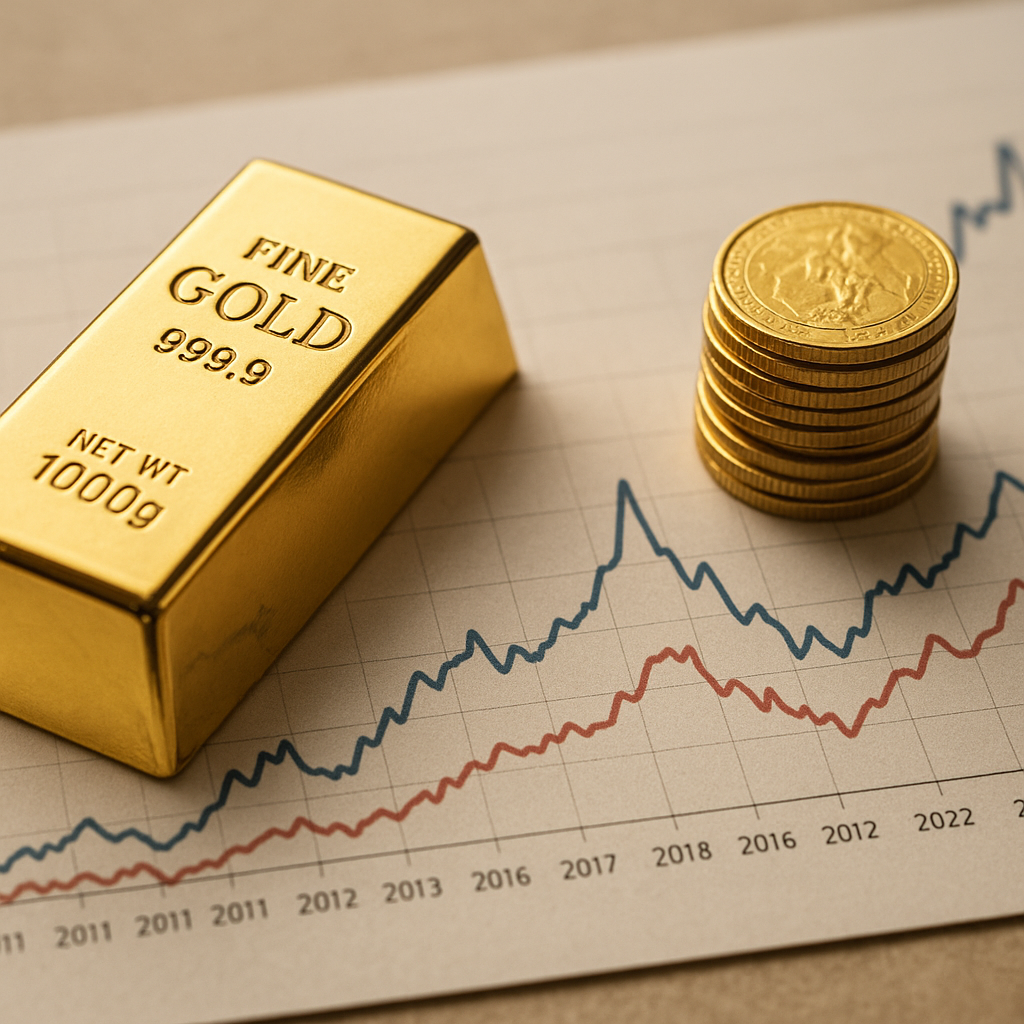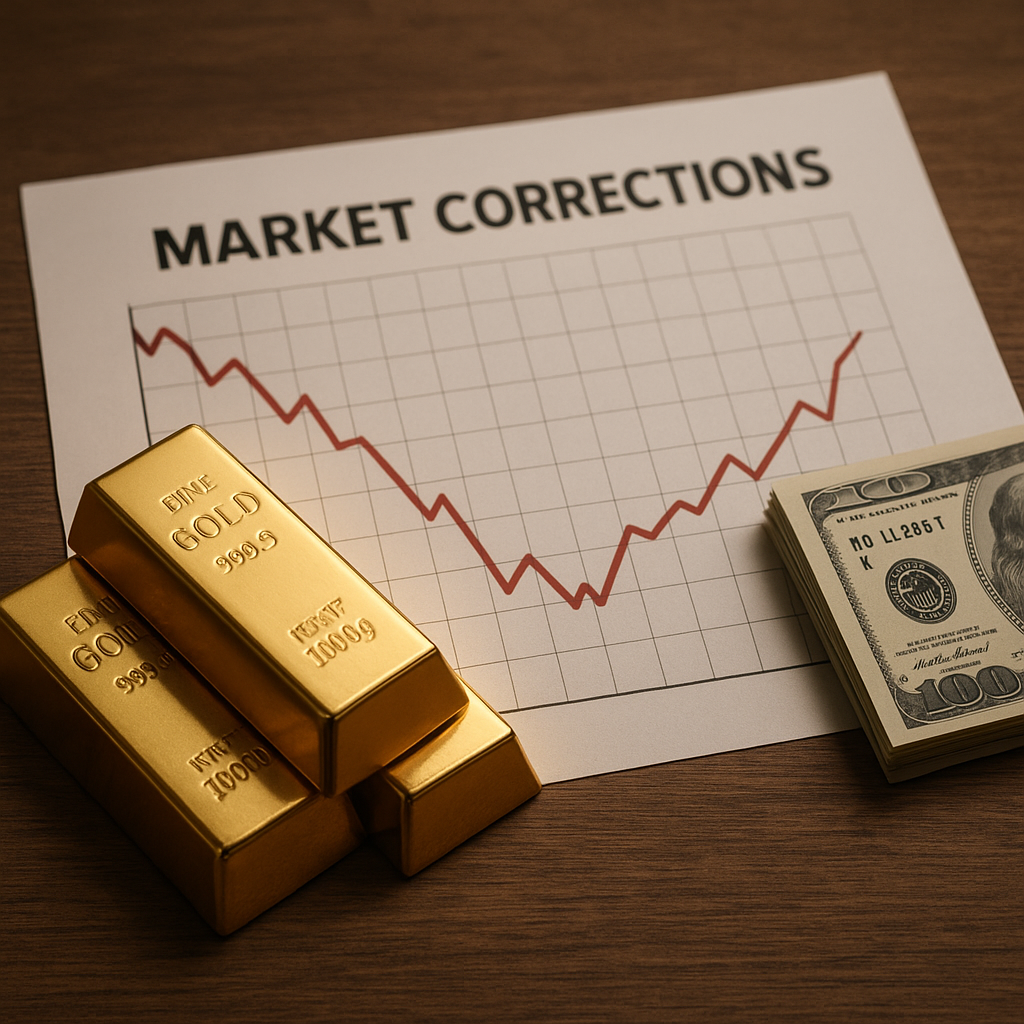
Market corrections often trigger a search for reliable assets that can withstand economic headwinds and preserve capital. Amid these periods of uncertainty, gold consistently emerges as a preferred choice. Its unique combination of historical value, intrinsic properties, and dynamic relationship with global markets makes it an indispensable tool for savvy investors. Exploring the mechanics of gold’s appeal during downturns sheds light on broader portfolio management strategies and the evolving landscape of the world gold price.
Global Economic Uncertainty and Market Volatility
Shifts in economic indicators, geopolitical tensions, and policy changes inject volatility into stock, bond, and currency markets. Investors often grapple with unpredictable swings in asset values, and when confidence wanes, attention turns to commodities that exhibit a countercyclical profile. Gold’s reputation as a safe-haven asset is rooted in centuries of use as a store of wealth.
- Inflation pressure: When central banks pursue aggressive monetary easing, investors fear diminished purchasing power of fiat currencies.
- Currency depreciation: Emerging markets and advanced economies alike contend with fluctuating exchange rates, eroding returns on global portfolios.
- Political instability: Elections, trade disputes, and sanctions can upend market sentiment overnight.
Such factors often manifest in sharp equity sell-offs. During these episodes, correlations between stocks and gold weaken, allowing gold to exhibit negative or near-zero correlation—an attribute highly valued in diversification strategies.
The Role of Gold as a Safe-Haven Asset
Why does gold outperform alternative assets during corrections? Its unique physical and psychological attributes converge to foster demand in critical moments:
- Scarcity: Gold’s finite supply and labor-intensive extraction processes underpin its intrinsic value.
- Non-yielding nature: Unlike bonds or dividend stocks, gold pays no interest, positioning it outside the interest-rate-sensitive asset class.
- Liquidity: A mature global market enables swift entry and exit at transparent prices, even in turbulent times.
- Psychological anchor: Generations of investors associate gold with stability and wealth preservation.
These traits contribute to a phenomenon known as the “flight to quality,” where capital migrates from risk-on to risk-off assets. Historically, gold prices have advanced when equity benchmarks register steep declines, demonstrating its capacity to bolster portfolio resilience.
Factors Influencing World Gold Price Dynamics
Understanding the fluctuations in the world gold price requires a multi-faceted approach. Several interrelated factors shape daily, monthly, and long-term trends:
Monetary Policy and Real Yields
Central bank actions directly affect real interest rates (nominal rates minus inflation). Lower or negative real yields increase the opportunity cost of holding cash or bonds relative to gold, making the metal more appealing for capital preservation.
Currency Movements
Gold is predominantly priced in US dollars. When the dollar weakens, gold becomes cheaper for holders of other currencies, stimulating demand. Conversely, a strong dollar can impose downward pressure on gold’s nominal price.
Geopolitical Turbulence
Conflict, trade wars, and policy uncertainty widen risk premiums across financial markets. In such environments, central banks and sovereign wealth funds often bolster foreign reserves with gold, directly influencing world demand.
Investment and Jewelry Demand
Flows into exchange-traded funds (ETFs) tied to gold holdings represent an important barometer of investor sentiment. Simultaneously, cultural affinities in regions like South Asia drive seasonal jewelry purchases, injecting cyclicality into demand patterns.
Mining Supply and Operational Costs
Extraction output, labor expenses, and energy prices determine the long-term cost curve for gold production. Disruptions from strikes, environmental regulations, or technical setbacks can constrict supply, exerting upward pressure on prices.
Strategies for Investors Using Gold During Corrections
To harness gold’s benefits effectively, investors can employ a range of tactical and strategic approaches. Allocating a defined percentage of assets to gold, often between 5% and 15%, can mitigate drawdowns without sacrificing long-term growth potential.
- Physical bullion: Bars and coins provide direct ownership but require secure storage and insurance.
- Gold ETFs: Offer convenient exposure with intraday liquidity, though subject to management fees and counterparty risk.
- Futures and options: Advanced instruments allowing leverage and hedging but demanding expertise in margin management.
- Gold mining equities: Provide leveraged exposure to changes in the metal’s price but carry operational and geopolitical risks.
Timing also plays a role. Some investors prefer gradual accumulation on dips to average cost basis, while others execute tactical buys when technical indicators signal oversold conditions. Regardless of method, maintaining discipline and aligning allocations with risk tolerance is crucial.
Conclusion
Market corrections underscore vulnerabilities within conventional asset classes. In these periods, gold’s unique blend of tangible intrinsic value, historical prominence, and dynamic price behavior invites investors seeking to preserve wealth and manage volatility. By understanding underlying drivers of the world gold price and integrating gold thoughtfully into diversified portfolios, market participants can enhance stability and build pathways toward enduring financial preservation.