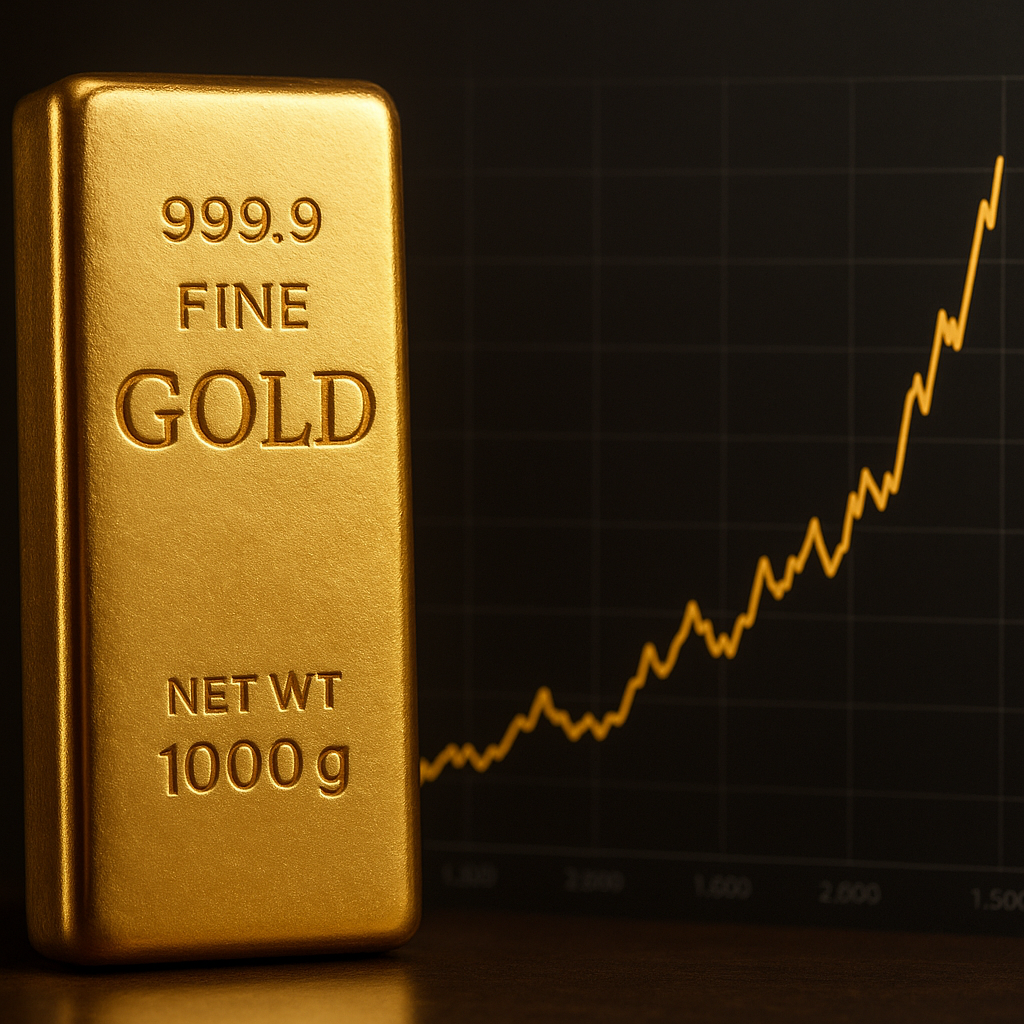
The gold market has captured global attention as investors, policymakers, and analysts weigh its prospects under unprecedented financial conditions. A convergence of economic imbalances, shifting central bank policies, and growing geopolitical unease has fueled speculation that gold could soon breach the $3,000 per ounce milestone. Throughout this article, we will explore the complex interplay of forces shaping the metal’s trajectory, from macroeconomic catalysts to supply constraints and evolving investor sentiment.
Macro Drivers of the Gold Price Surge
A series of broad economic trends has set the stage for a potential rally in the price of gold. As major economies grapple with persistent inflationary pressures, real interest rates have plummeted or even turned negative, reducing the opportunity cost of holding a non-yielding asset like gold. At the same time, central banks around the world have maintained ultra-accommodative monetary policy, pumping liquidity into financial markets and signaling a willingness to keep rates lower for longer.
Several key factors underpin this macroeconomic backdrop:
- Currency debasement: Massive fiscal stimulus measures and expanding money supply raise concerns that fiat currencies may lose purchasing power, prompting a flight toward precious metals.
- Rising global debt levels: Sovereign and corporate debt burdens have swelled, leaving policymakers fewer options for stabilization without resorting to unconventional measures.
- Low or negative real yields: With inflation outpacing benchmark interest rates, real returns on government bonds are unattractive relative to gold’s perceived store of value.
- Fiscal deficits: Large budget shortfalls in advanced economies heighten sovereign risk, reinforcing gold’s role as a hedge.
Taken together, these dynamics create fertile ground for upward pressure on bullion, as investors seek protection against fiscal and monetary excesses.
Supply Constraints and Production Challenges
On the supply side, the gold market faces structural headwinds that could tighten global availability in the years ahead. While new discoveries continue, geological and logistical obstacles complicate large-scale production. Many top mining jurisdictions are grappling with stringent environmental regulations, labor disputes, and rising extraction costs.
- Declining ore grades: Established mines are yielding lower concentrations of gold, requiring greater capital expenditure to maintain output.
- Regulatory hurdles: Tougher environmental standards and permitting delays extend project timelines and inflate costs.
- Geopolitical risk: Operations in certain regions are vulnerable to political unrest or shifting resource nationalism policies.
- Supply chain bottlenecks: Shortages of critical equipment and skilled labor have slowed development of new mining projects.
Given these challenges, mining companies may struggle to meet rising demand, potentially leaving the market under-supplied if consumption continues to climb. That imbalance sets the stage for sharp price appreciation, especially if any single jurisdiction faces a major production shortfall.
Investor Behavior and Market Sentiment
Investor positioning and collective psychology play a crucial role in driving gold’s momentum. Over the past year, central banks have emerged as aggressive buyers, adding significant tonnage to their reserves. Meanwhile, investment flows into gold-backed exchange-traded funds have surged, reflecting growing confidence in gold’s status as a safe-haven asset.
Key sentiment indicators include:
- ETF holdings: Record inflows into gold ETFs signal institutional appetite for metal exposure without direct ownership complications.
- Hedge fund positioning: Futures market data shows speculators increasing net long positions, betting on further price upside.
- Retail demand: Jewelers and individual investors in emerging markets often ramp up purchases when prices break critical technical levels.
- Options pricing: Elevated implied volatility in gold options suggests traders are bracing for larger price swings.
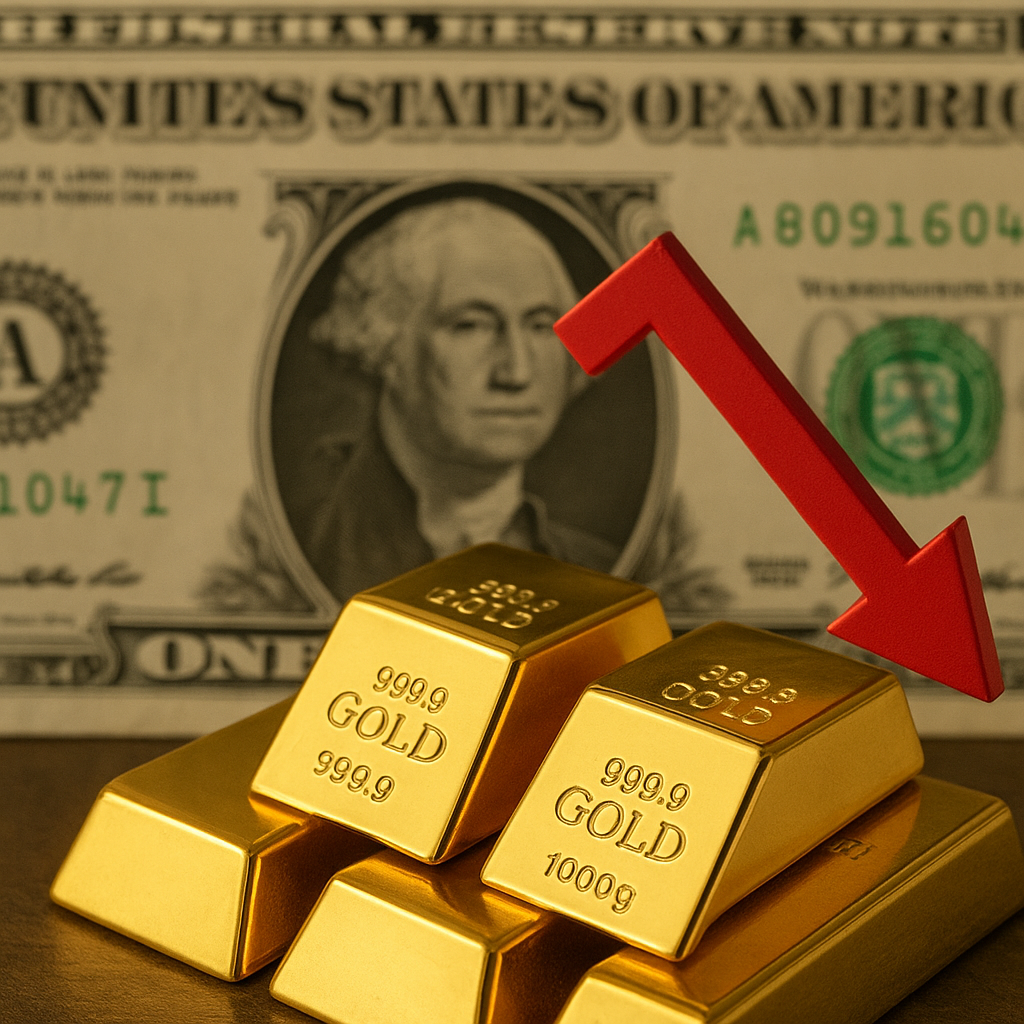
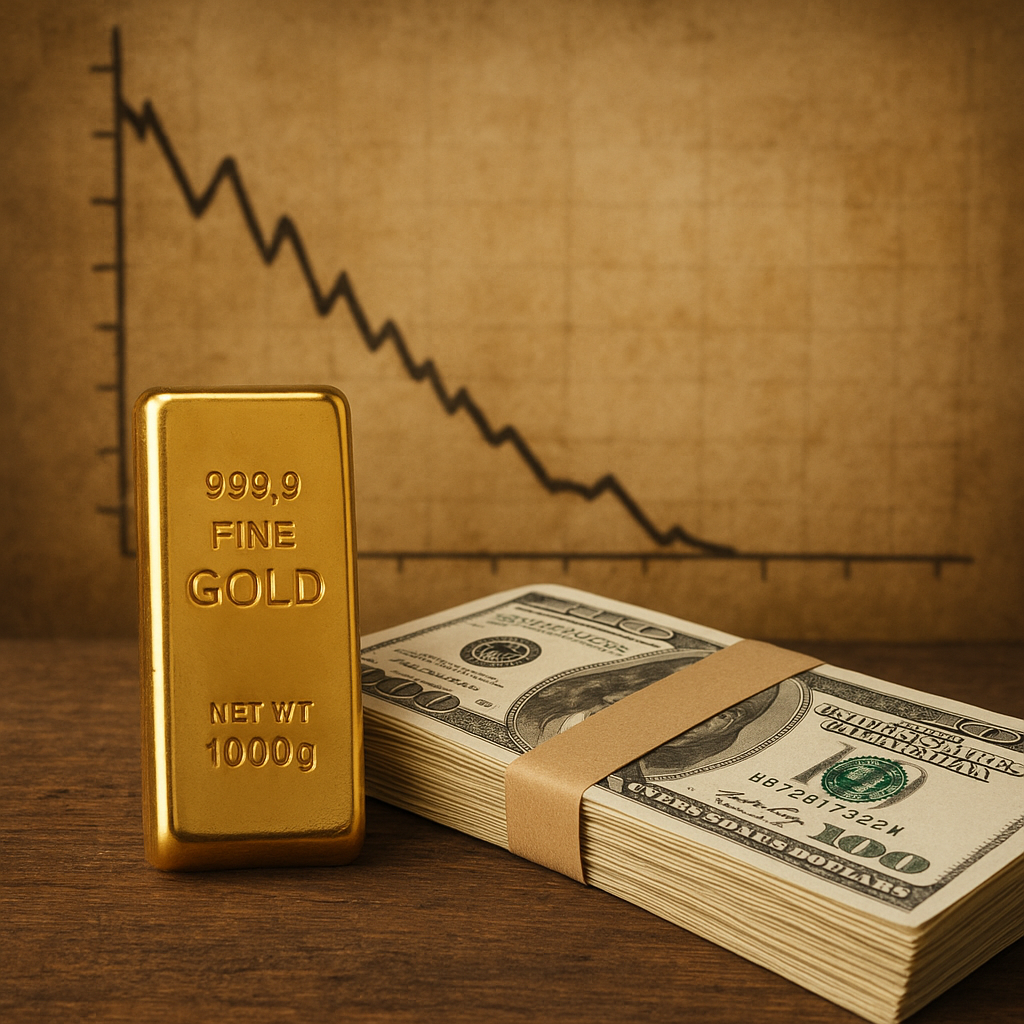
Additionally, the interplay between gold and the U.S. dollar remains pivotal. A weakening dollar tends to lift gold prices, while dollar strength can dampen bullion’s appeal. With major central banks hinting at divergent policy paths, currency fluctuations could amplify gold’s volatility.
Looking Toward the Future: Will Gold Reach 3,000?
Projected gold prices hinge on a confluence of unpredictable factors. If inflation persists above targets, central banks might hesitate to tighten policy too swiftly, extending the low-rate environment that favors precious metals. Conversely, an unexpected economic rebound could trigger rapid rate hikes, raising real yields and potentially capping gold’s rally.
Scenario analysis often cites the following triggers for a surge to $3,000 per ounce:
- Higher-than-anticipated inflation readings, eroding confidence in central bank credibility.
- A sharp rise in geopolitical risk, such as intensified conflicts or trade wars.
- Renewed bouts of market volatility, driving investors out of equities and into alternative assets.
- Continued aggressive purchases by central banks seeking to diversify away from fiat currency reserves.
- Supply disruptions in major mining regions that constrain physical availability.
Moreover, technological innovations in mining or breakthroughs in recycling used electronics could alter the supply picture, while shifts in consumer preferences—such as increased demand for gold in green technologies or digital payment platforms—might further elevate consumption patterns.
In sum, the path to $3,000 per ounce is neither straight nor guaranteed, but the alignment of economic, political, and market forces provides a compelling case for tracking gold closely. As the global financial system navigates uncharted territory, gold’s timeless appeal as a hedge and store of value may once again shine through.