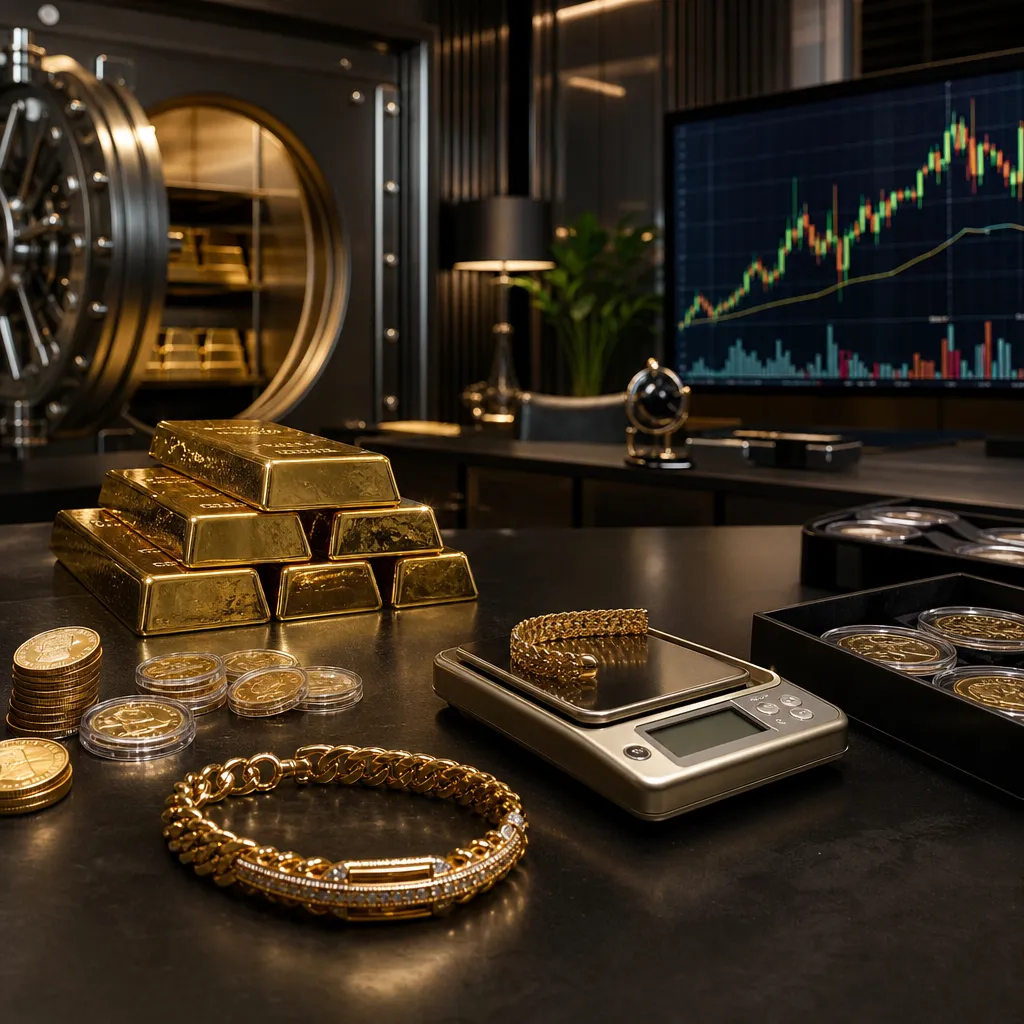
A gold bracelet’s value depends on more than its appearance. If you want to know what a bracelet is worth, the key questions are its weight, gold purity, condition, brand, and whether you are looking at retail value, resale value, or melt value. Those three numbers can differ dramatically. This guide explains how to assess a gold bracelet realistically, how buyers usually price it, and what matters most before you sell, insure, or purchase one.
The most important point is simple: jewelry price is not the same as gold value. A bracelet bought from a jeweler includes labor, design, retail markup, and sometimes brand premium. If you sell it later, many buyers focus mainly on the amount of recoverable gold. Understanding that gap helps you avoid unrealistic expectations.
What “gold bracelet value” actually means
When people ask about gold bracelet value, they may mean very different things. A bracelet can have one value in a jewelry store, another in the second-hand market, and another as scrap sent to a refiner.
| Value Type | What It Represents | What Usually Drives It | Typical Buyer |
|---|---|---|---|
| Retail value | The price a consumer pays to buy the bracelet new | Gold content, craftsmanship, brand, design, overhead, markup | Jewelry customer |
| Resale value | The price a private buyer, pawn shop, or second-hand dealer may pay | Gold content, condition, style, demand, authenticity | Reseller or private buyer |
| Melt value | The value of the gold content alone | Weight, purity, current gold price, refining deduction | Scrap gold buyer or refiner |
| Insurance value | The amount it may cost to replace the bracelet | Current retail replacement cost | Insurer or appraiser |
The main takeaway is that melt value is often the floor, not the full story. A plain broken bracelet may trade near scrap value, while a designer piece in excellent condition may command much more.
The first things to check: purity, weight, and markings
Before estimating value, identify the bracelet correctly. The most useful starting details are the karat mark, the total weight, and whether the bracelet is solid gold, hollow, plated, or gold-filled.
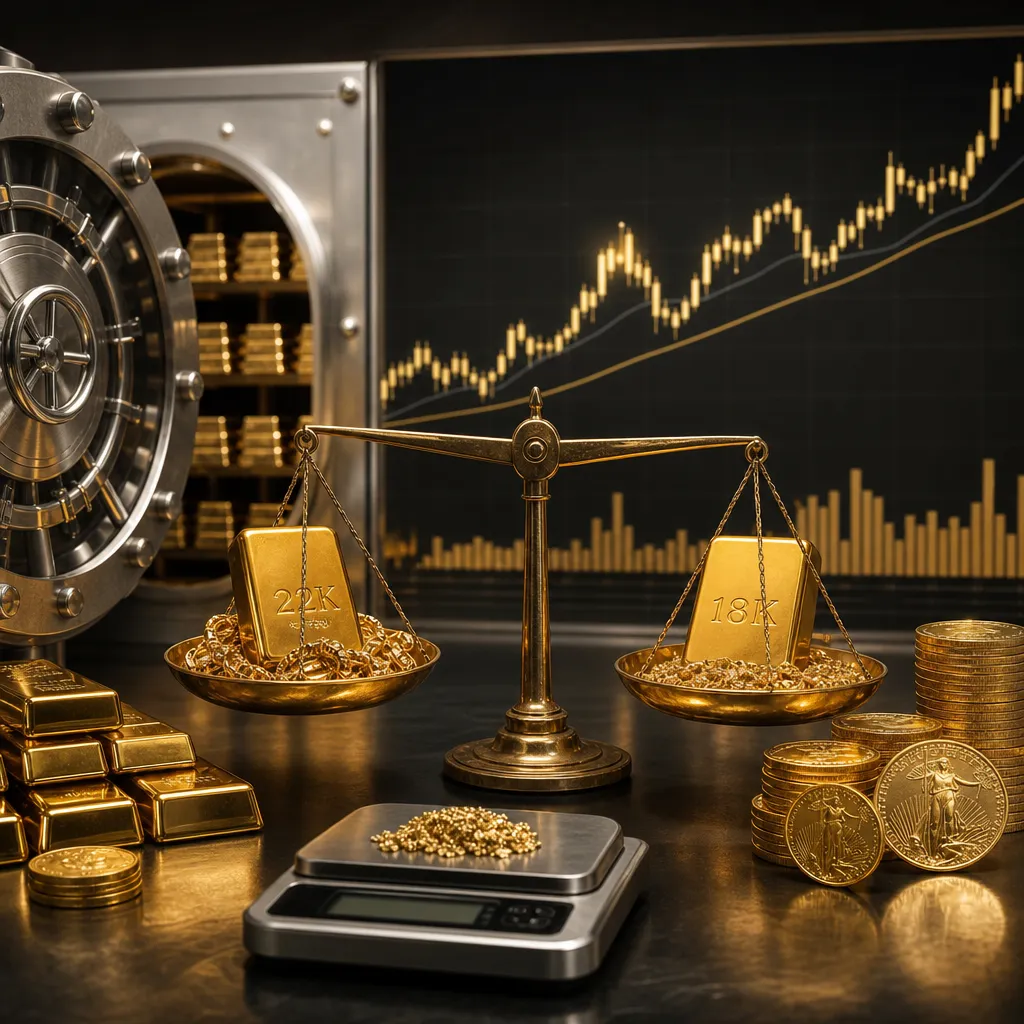
Common marks include 24K, 22K, 18K, 14K, 10K, 585, 750, or 916. These marks indicate purity, not total bracelet value. A heavier 14K bracelet may contain more actual gold than a very light 18K bracelet.
| Karat | Approximate Purity | Fine Gold Content | Practical Meaning |
|---|---|---|---|
| 24K | 99.9% pure | Very high | Mostly pure gold; uncommon for everyday bracelets in some markets because it is softer |
| 22K | 91.6% pure | High | Common in some jewelry markets; strong gold value but still softer than lower-karat alloys |
| 18K | 75.0% pure | Moderately high | Popular for fine jewelry; balances purity with better durability |
| 14K | 58.5% pure | Moderate | Very common; lower gold content but more durable for daily wear |
| 10K | 41.7% pure | Lower | Often the minimum legal gold standard in some markets; value relies more heavily on weight |
If there is no hallmark, or if the mark looks suspicious, buyers may test the bracelet with acid, XRF analysis, or another verification method. Unverified jewelry usually receives a more conservative offer.
How to calculate a gold bracelet’s melt value
Melt value is the starting point for plain or scrap jewelry. It estimates how much the bracelet’s gold content is worth based on the current market price of pure gold.
The basic process is:
- Find the bracelet’s total weight.
- Convert the purity to a decimal.
- Multiply total weight by purity to get fine-gold weight.
- Multiply the fine-gold weight by the current gold price in the relevant unit.
Formula: Melt value = total weight × purity × current gold price per gram
Example calculation
Assume a bracelet weighs 20 grams and is marked 18K. Since 18K gold is 75% pure, the bracelet contains approximately 15 grams of fine gold.
If the current gold price per gram for pure gold is known, you would multiply that figure by 15. That gives a rough melt value before any dealer spread, refinery fee, or purchase discount. In practice, most buyers do not pay full spot value for scrap jewelry.
Why your bracelet may sell for less than its melt value estimate
Many sellers are surprised when an offer comes in below their own calculation. That is normal. A melt value estimate is theoretical; a cash offer reflects business costs and risk.
Buyers often deduct for testing uncertainty, refining losses, handling costs, price volatility, and profit margin. If stones must be removed, that can also affect the offer. Some bracelets contain non-gold parts such as steel springs, clasps, pins, or solder alloys that reduce the recoverable gold content.
| Factor | Effect on Offer | Why It Matters |
|---|---|---|
| Buyer margin | Lowers payout versus theoretical melt value | The buyer needs room for refining cost and resale profit |
| Testing uncertainty | May reduce offer | If purity is not fully verified, the buyer prices more cautiously |
| Non-gold components | Reduces payable gold weight | Clasps, springs, fillers, and attached parts may not be pure gold |
| Market volatility | May reduce offer | Gold prices can move before the buyer resells or refines the piece |
| Damage or breakage | Often pushes valuation toward scrap | Broken jewelry has less resale appeal as a finished item |
| Stones or decorative elements | May not add much unless valuable and documented | Many buyers focus mainly on gold unless gemstones are authenticated |
This is why two buyers may quote materially different prices for the same bracelet. One may intend to resell it as jewelry; another may only value it as scrap.
When design, brand, and craftsmanship matter more
Not every gold bracelet should be treated like scrap. Some pieces deserve a resale valuation rather than a melt-only valuation. This is especially true for designer jewelry, antique pieces, signed bracelets, and popular styles that still have strong second-hand demand.
A bracelet from a recognized luxury house may trade well above its gold content if it has clear hallmarks, original packaging, and strong buyer interest. Handcrafted bracelets can also carry value from workmanship, especially if they are heavy, distinctive, and in excellent condition.
However, style premiums are not guaranteed. Fashion changes, and many ordinary pre-owned bracelets lose most of their original retail markup. In the second-hand market, buyers often pay for what they can resell quickly, not what the original owner paid.
Solid gold, hollow, plated, and filled bracelets: a critical distinction
One of the biggest valuation mistakes is assuming all gold-looking bracelets have significant gold value. They do not.
| Bracelet Type | Gold Content | Typical Valuation Approach | Main Risk |
|---|---|---|---|
| Solid gold | Gold alloy throughout | Weight and purity are central | Overlooking non-gold findings or solder |
| Hollow gold | Gold alloy shell but less total gold than size suggests | Valued by actual weight, not physical size | Assuming a large bracelet must be highly valuable |
| Gold plated | Thin surface layer over base metal | Usually little to no scrap gold value | Confusing plating marks with solid-gold marks |
| Gold filled | Thicker bonded gold layer over base metal | Generally worth more than plated, but far less than solid gold | Overestimating recoverable gold |
If a bracelet is plated or filled, its resale value depends more on wearability and brand than on bullion content. For melt calculations, those items are in a very different category from solid gold jewelry.
How buyers usually value a bracelet in the real world
Different buyers use different valuation methods. Knowing this helps you choose the right market.
- Pawn shops often focus on quick-turn liquidity and may offer less than specialty gold buyers.
- Scrap gold buyers usually value by weight and purity, with little premium for design.
- Jewelers may pay more for pieces they can refurbish and resell.
- Auction houses or estate dealers may be appropriate for antique, signed, or collectible pieces.
- Private buyers may pay more than scrap if the bracelet is attractive and authenticated, but the process is slower and less certain.
If your bracelet is plain, broken, mismatched, or outdated, scrap pricing may be the realistic benchmark. If it is branded, unusual, or collectible, a resale route may produce a better outcome than immediate melt-based selling.
Practical steps to estimate your bracelet’s value accurately
A good estimate comes from combining a gold-content calculation with market judgment.
- Check the hallmark and verify whether the bracelet is solid gold.
- Weigh it accurately, ideally in grams, and note whether the weight includes charms or stones.
- Calculate fine-gold content using the purity level.
- Compare against the current gold price for pure gold in your local currency.
- Adjust for buyer deductions if you are estimating scrap payout rather than theoretical melt value.
- Assess brand and condition to determine whether resale value may exceed scrap value.
- Get multiple quotes if you intend to sell.
If the bracelet includes diamonds or colored gemstones, separate appraisal may be necessary. Many routine gold buyers will not pay much for stones unless they are clearly identified, removable, and commercially valuable.
Common mistakes people make when valuing a gold bracelet
The most frequent error is using the spot price of pure gold and applying it directly to the bracelet’s full weight. That ignores purity. A 14K bracelet is not 100% gold, and a large bracelet may be hollow.
Another common mistake is assuming the original purchase price sets a floor for resale. It does not. Retail jewelry pricing includes labor, rent, branding, marketing, and margins that are rarely recovered in a normal resale.
People also overestimate the value of damaged or unfashionable pieces, or underestimate branded and collectible ones. The right valuation method depends on what the item really is: bullion-like scrap, wearable second-hand jewelry, or a premium branded piece.
FAQ
How do I know if my gold bracelet is worth more than scrap?
If the bracelet is from a recognized brand, has a desirable design, is in excellent condition, or has collectible appeal, it may be worth more than melt value. Plain, damaged, or generic bracelets are more often priced close to scrap.
Is a heavier bracelet always more valuable?
Usually, more weight increases value, but only if the bracelet contains meaningful gold content. Purity matters, and a hollow bracelet can be less valuable than it looks. A smaller solid 18K bracelet may contain more gold than a larger plated or hollow piece.
What is the difference between 18K and 14K bracelet value?
An 18K bracelet contains a higher percentage of gold than a 14K bracelet, so two bracelets of equal weight would not have the same melt value. The 18K piece would generally contain more fine gold. However, actual value still depends on total weight, condition, and marketability.
Why is my bracelet worth less than what I paid at the jewelry store?
Retail jewelry prices include labor, design, packaging, operating costs, and markup. When you resell, many buyers focus on gold content and second-hand demand rather than original retail price.
Do gemstones in a gold bracelet increase the value?
Sometimes, but not automatically. Small accent stones may add little in a scrap transaction. Larger or higher-quality stones may add value if they are authentic, documented, and marketable on their own.
Can I use the current gold spot price to price my bracelet exactly?
No. Spot gold is a benchmark for pure gold in the wholesale market. A bracelet has alloy metals, possible non-gold components, manufacturing features, and resale frictions. Spot price is useful for estimation, but not a final cash offer.
Should I weigh the bracelet with charms and stones attached?
You can start with total weight, but for a better estimate you should identify parts that are not gold. Buyers may deduct for stones, steel springs, clasps, or decorative elements that do not contribute to recoverable gold content.
Sources
- LBMA – gold price benchmark and market reference information
- World Gold Council – gold market and jewelry valuation research
- CME Group – gold futures and gold pricing market information