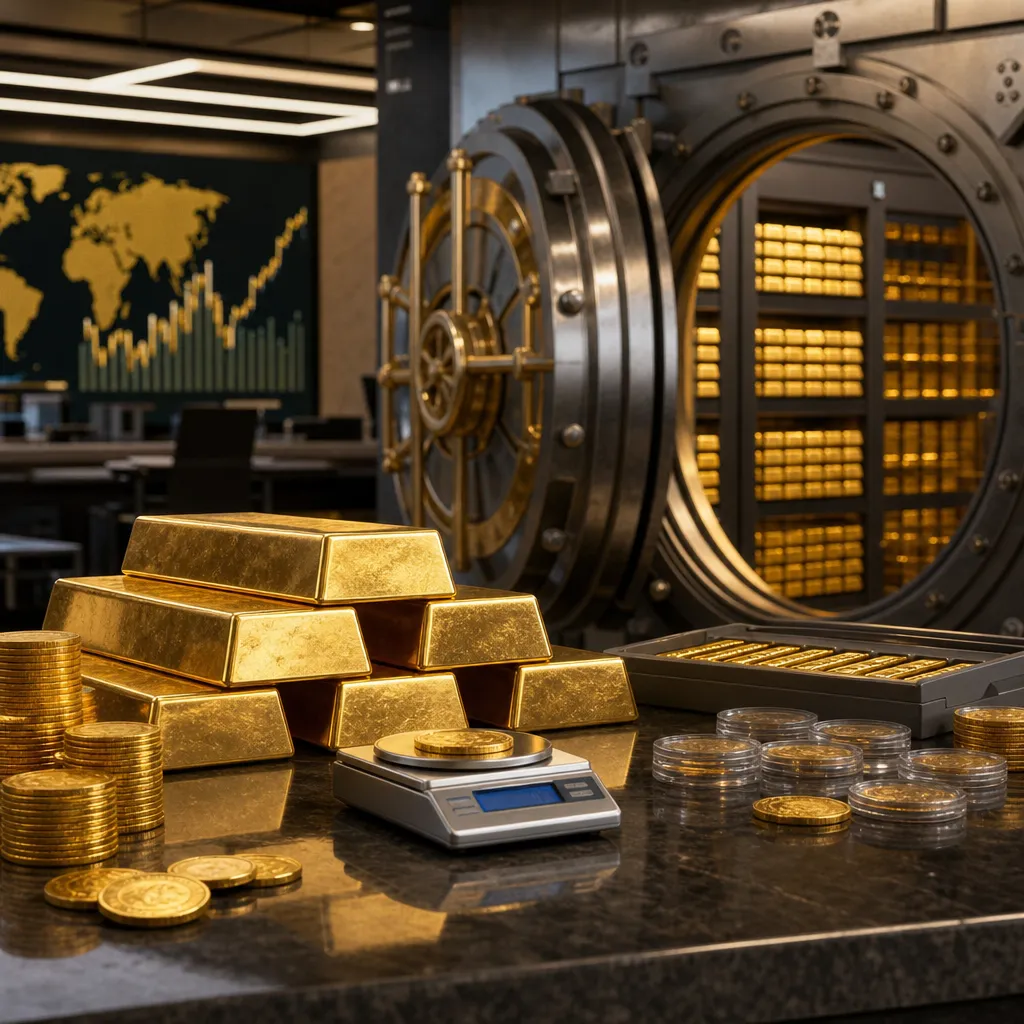
The global gold market has long been recognized as a cornerstone of financial stability and wealth preservation. As investors seek to navigate the complexities of the precious metals space, commodities like gold offer a blend of intrinsic value, historical appeal, and modern trading opportunities. This article delves deep into the mechanisms behind the price discovery of gold, the structure of futures and options contracts, and the strategies employed by market participants to manage risk management and capitalize on volatility.
Gold Price Dynamics on the World Stage
Gold’s status as a universally accepted store of value means its price is influenced by a mosaic of economic and geopolitical factors. Central banks continuously adjust their reserves, while retail and institutional buyers respond to shifts in interest rates, currency valuations, and global growth forecasts. The following elements play a pivotal role in shaping the liquidity and movement of gold prices:
- Interest Rate Policies: Lower real interest rates often boost gold demand as the opportunity cost of holding non-yielding assets decreases.
- Currency Fluctuations: A weaker US dollar, in which gold is predominantly priced, tends to support higher gold valuations.
- Geopolitical Uncertainty: Conflicts, trade tensions, and political crises drive heightened demand for safe-haven assets.
- Inflation Expectations: Anticipated rises in consumer prices can enhance gold’s appeal as an inflation hedge.
- Supply Constraints: Mining production trends and central bank sales impact the physical supply side.
Understanding these drivers provides the foundation for informed engagement in futures and derivatives markets.
Gold Futures Contracts Unveiled
A gold futures contract is a standardized agreement traded on exchanges such as COMEX or the Tokyo Commodity Exchange. Participants commit to buy or sell a defined quantity of gold at a specified price on a future date. Key features include:
- Contract Size: Typically 100 troy ounces per contract, with smaller mini-contracts also available.
- Price Quotation: Denominated in US dollars per troy ounce, ensuring transparency.
- Margin Requirements: Traders deposit an initial margin to secure the position and face daily mark-to-market margin calls.
- Delivery Mechanism: While most contracts are closed out before expiry, physical delivery options exist for bullion holders.
By leveraging futures, traders can gain leverage to control larger positions with a fraction of the capital. This amplifies potential gains but also intensifies downside exposure. Hedgers, such as jewelry manufacturers and central banks, use futures to lock in prices and mitigate speculation-driven swings.
Options on Gold: Strategies and Benefits
Gold options grant the right, without the obligation, to buy (call) or sell (put) futures contracts at a predetermined strike price before expiration. This flexibility fosters a variety of trading and hedging approaches:
Strategic Approaches
- Protective Puts: Gold owners buy put options to establish a floor price, limiting losses if the market declines.
- Covered Calls: Traders holding futures sell call options to generate premium income, offsetting carrying costs.
- Straddles and Strangles: Neutral strategies that profit from significant price moves, regardless of direction.
- Spreads: Combinations of calls or puts at different strikes or expirations to fine-tune risk and reward profiles.
Options on gold offer asymmetric payoffs, allowing participants to benefit from upside moves while capping downside to the premium paid. This hedging tool is invaluable during periods of elevated uncertainty or for portfolio insurance.
Key Market Participants and Recent Trends
The gold derivatives landscape features a diverse set of actors, each with unique objectives and time horizons. Recognizing their roles can shed light on market behavior:
- Hedge Funds: Pursue directional and relative-value strategies, exploiting short-term mispricings and momentum.
- Commercial Hedgers: Gold miners and consumers lock in prices to stabilize revenues or costs.
- Central Banks: Employ futures and spot purchases to manage reserves and currency stability.
- Retail Investors: Access gold derivatives via ETFs, certificates, or direct futures accounts.
- Proprietary Trading Firms: Provide liquidity, engage in high-frequency arbitration, and facilitate efficient price discovery.
Emerging Trends
In recent years, several notable developments have reshaped the gold trading environment:
- ESG-Driven Demand: Mining companies with sustainable practices attract premium valuations, influencing futures pricing.
- Digital Platforms: Online brokers and mobile apps democratize access to futures and options, increasing participation.
- Algorithmic Strategies: Automated models detect arbitrage opportunities across global venues, enhancing market efficiency.
- Central Bank Digital Currencies: Potential CBDC launches may alter currency reserve dynamics and impact gold’s role.
- Geopolitical Shifts: Trade realignments and regulatory changes in major economies drive recurring volatility spikes.
As the landscape continues to evolve, understanding the interplay between global macro forces and derivative structures remains critical for any serious market participant.