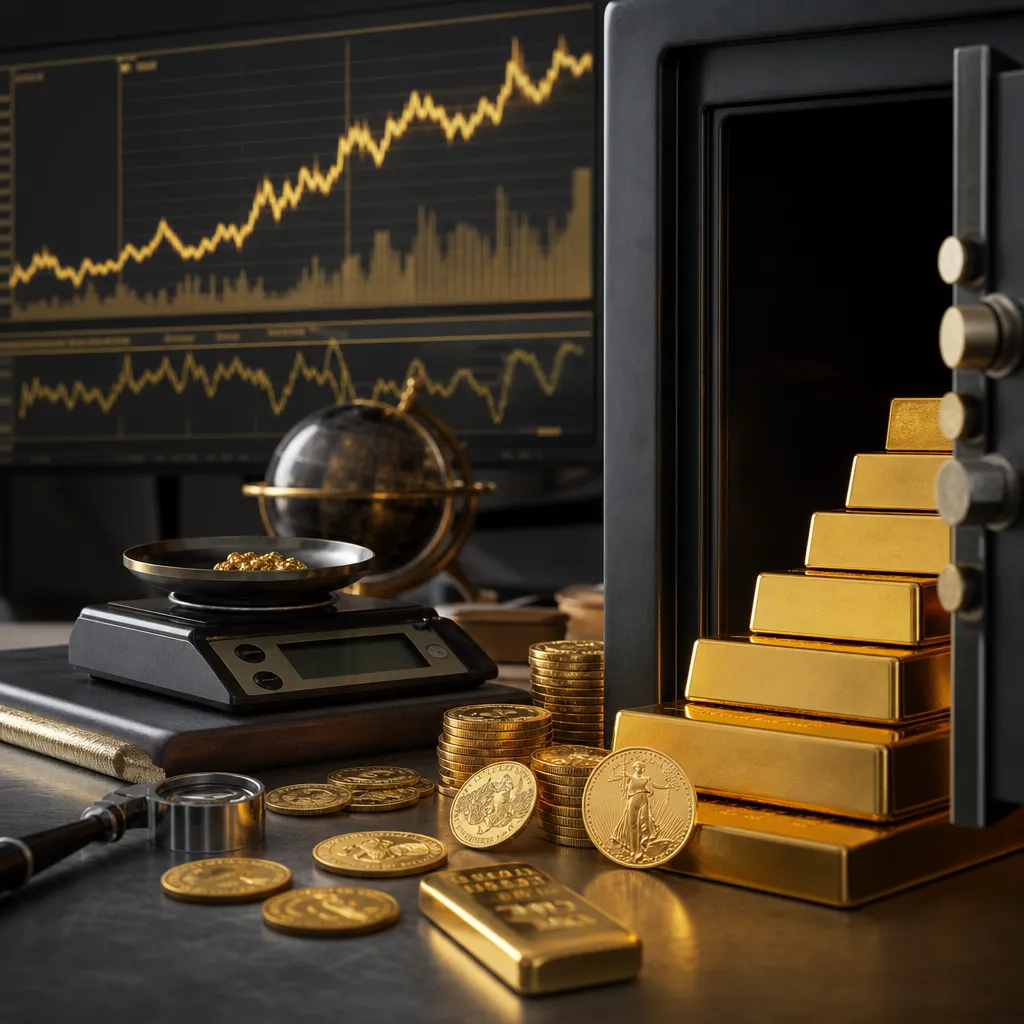
The dynamics of the world gold price often reveal striking contrasts when viewed through the lens of emerging markets. While global factors like central bank policies and geopolitical tensions play a crucial role, local conditions such as inflation rates, currency stability, regulatory frameworks, and cultural preferences can significantly sway the trajectory of gold valuations. This article delves into the multiple reasons why gold behaves differently across emerging economies, exploring how unique macroeconomic environments, capital flows, demand-supply dynamics, and geopolitical tensions shape its performance.
Differences in Macroeconomic Environments
Macroeconomic variables underpin the appeal of gold as both a store of value and a hedge against uncertainty. In many emerging economies, persistent inflation and volatile growth patterns heighten the demand for precious metals. Key differences include:
- Inflationary Pressures: Emerging markets often experience higher and more unpredictable inflation than developed nations. As local currencies lose purchasing power, gold becomes a preferred asset to preserve wealth.
- Interest Rate Divergence: Central banks in developing countries may maintain elevated interest rates to combat inflation or support their currency, affecting the opportunity cost of holding non-yielding gold.
- Economic Growth Volatility: Sudden downturns or policy shifts can spur rapid capital flight into safe-haven assets, boosting gold demand.
These factors illustrate why, at times, gold in certain emerging markets can trade at significant premiums or move in patterns that deviate from the global benchmark.
Currency Fluctuations and Capital Flows
Currency stability is a pivotal determinant of local gold prices. In economies plagued by sharp exchange rate moves, the currency component can amplify gold’s attractiveness:
Exchange Rate Pass-Through
When a national currency weakens against the US dollar, domestic gold prices often climb more steeply than the dollar price of gold alone. This pass-through effect reflects both import costs and speculative demand.
Cross-Border Capital Movements
Inflows and outflows of capital, driven by shifts in investor sentiment or changes in global risk appetite, can exert strong pressure on both local currencies and gold markets. For instance:
- Mass repatriation of foreign funds may prompt central banks to raise rates, dragging on gold demand.
- Periods of capital flight intensify local gold purchases as residents seek a safe-haven asset.
Together, these forces create distinct gold pricing behaviors across emerging jurisdictions.
Local Demand, Cultural and Investment Patterns
Consumer preferences and traditional uses of gold vary enormously between countries. While institutional investors influence global supply-outlook forecasts, retail demand often drives local market movements:
- In South Asian markets, gold jewelry accounts for a large share of annual demand, making prices seasonal around festivals and weddings.
- Sovereign wealth funds and central banks in certain emerging nations actively accumulate gold as part of their reserve diversification strategies.
- Local perceptions of gold as a secure family inheritance bolster consistent demand, irrespective of global macro trends.
These consumption patterns can result in price spikes at regional events, distancing the local demand curve from global averages.
Regulatory and Market Structure Variations
Regulations governing gold trading, import duties, taxes, and reporting standards differ widely, influencing market liquidity and pricing:
Import Tariffs and Duties
High import duties in some countries inflate the local price of gold bars and coins, creating a persistent gap with the international spot price. In contrast, open-market economies with minimal tariffs tend to exhibit closer alignment with global benchmarks.
Trading Infrastructure
Established exchanges and clearing mechanisms in certain emerging markets deliver greater liquidity, tighter bid-ask spreads, and enhanced price discovery. Conversely, over-the-counter markets with limited transparency can suffer from wider spreads and periodic illiquidity.
Regulatory clarity around gold ownership, transaction reporting, and anti-money laundering requirements also shape investor confidence and transactional volumes.
Impact of Geopolitical Risks and Safe-Haven Appeal
Gold’s reputation as a safe-haven asset becomes especially pronounced amid regional conflicts, political instability, or economic sanctions. In emerging markets:
- Heightened risk aversion among local investors often translates into sudden buying surges.
- Cross-border tensions can trigger logistical challenges in gold imports, temporarily disrupting local supply.
- Restricted access to foreign currencies during crises makes gold one of the few reliable vehicles for preserving purchasing power.
Such episodes underscore the role of gold as a crisis hedge, sometimes leading to pricing deviations far greater than those observed in mature economies.
Strategies for Navigating Emerging Market Gold
Investors seeking exposure to emerging market gold should consider a balanced approach that integrates global and local factors:
- Diversification across geographies and asset classes to mitigate region-specific shocks.
- Monitoring macro indicators—especially inflation and supply chain developments—to gauge local price trajectories.
- Staying attuned to regulatory changes and import duty adjustments that could alter cost structures.
By appreciating the unique drivers at play in emerging markets, investors can more effectively position their portfolios to capture the potential upside of local gold price movements while managing inherent risks.