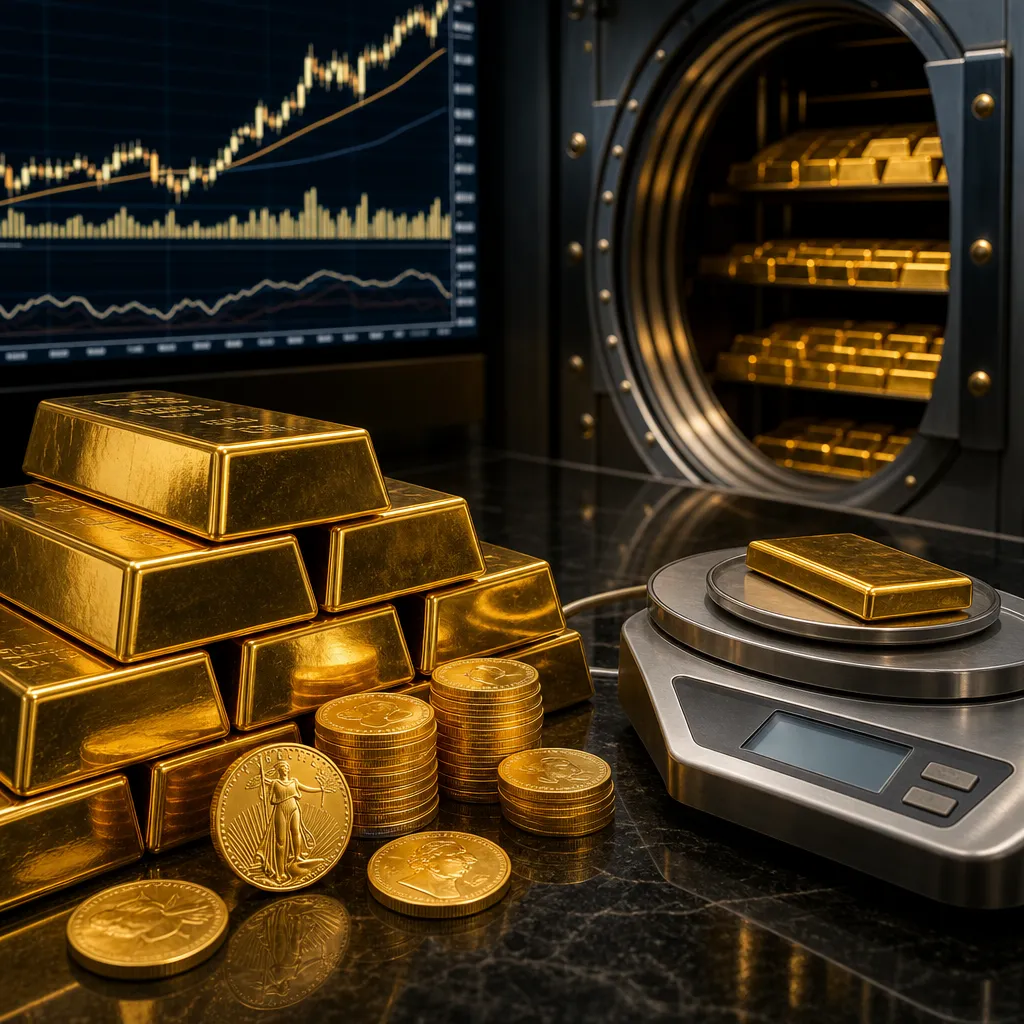
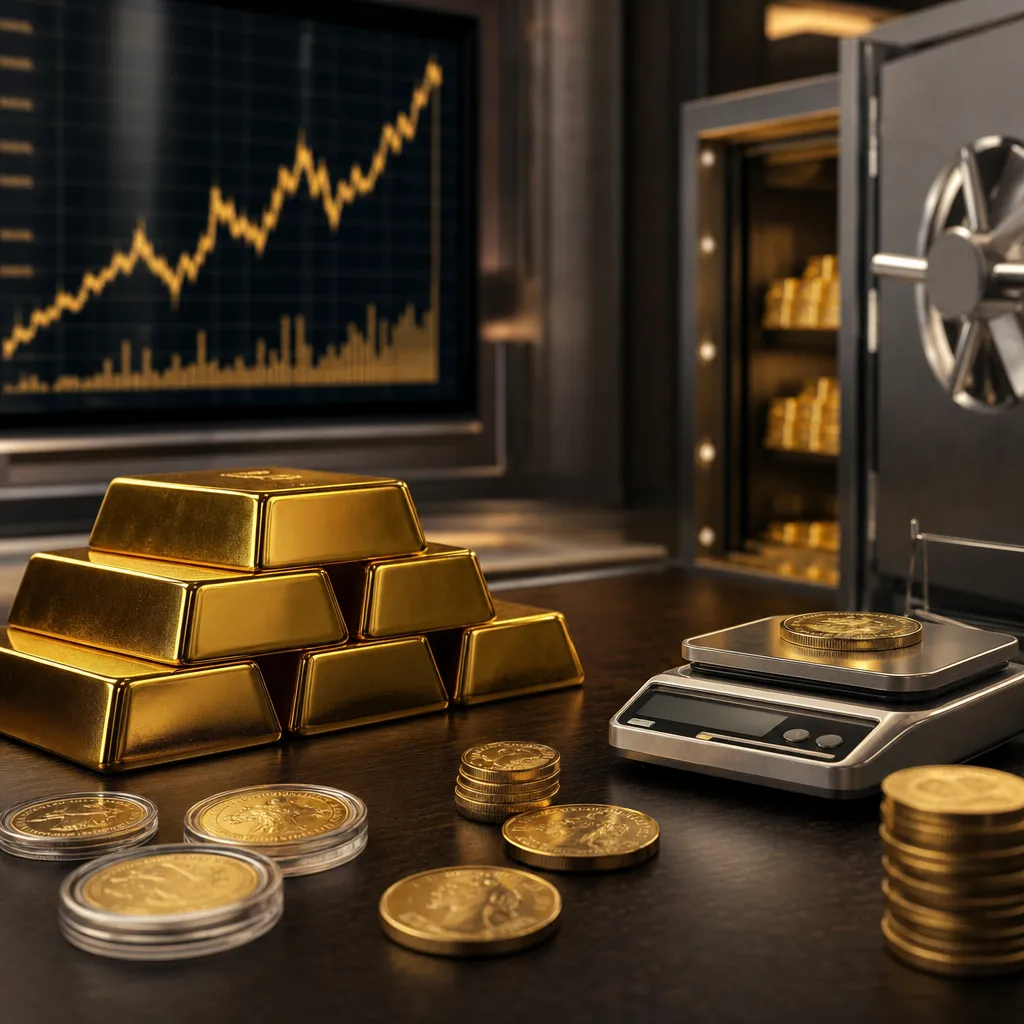
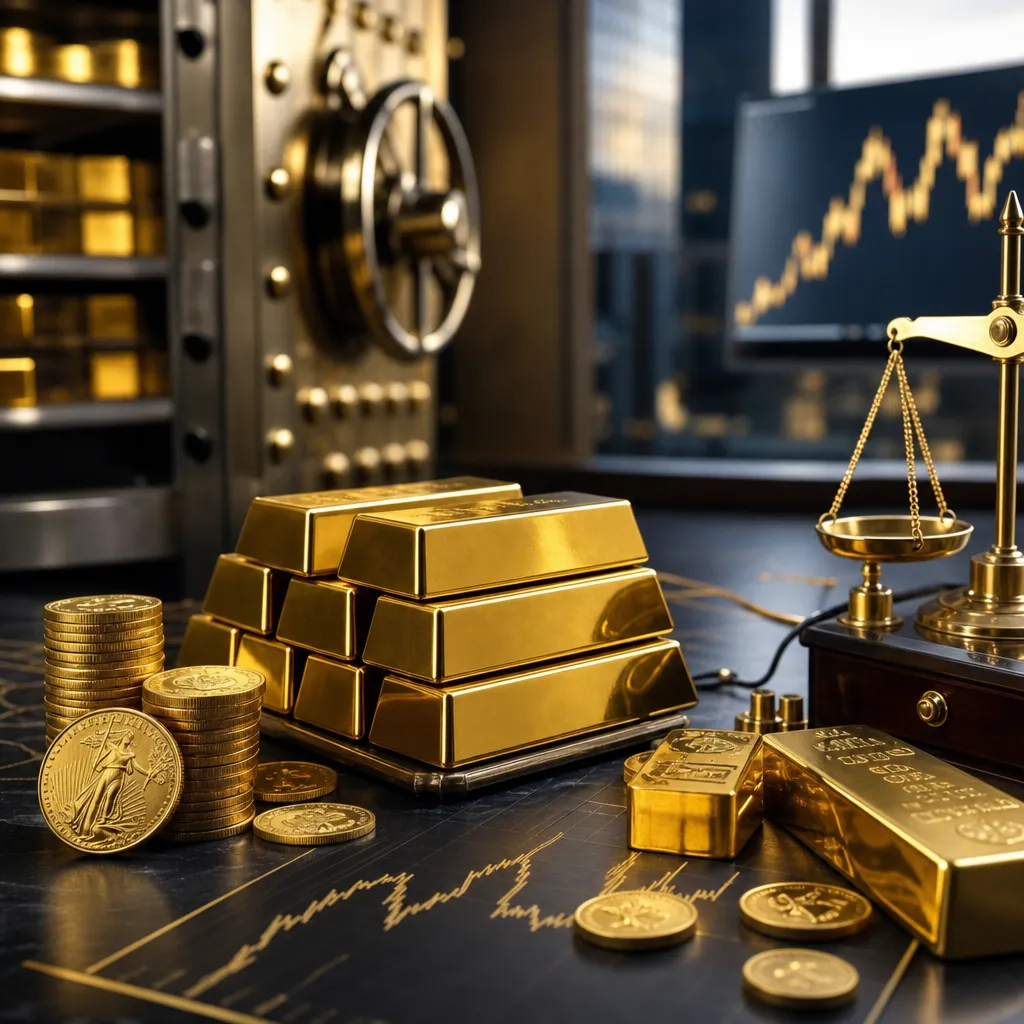
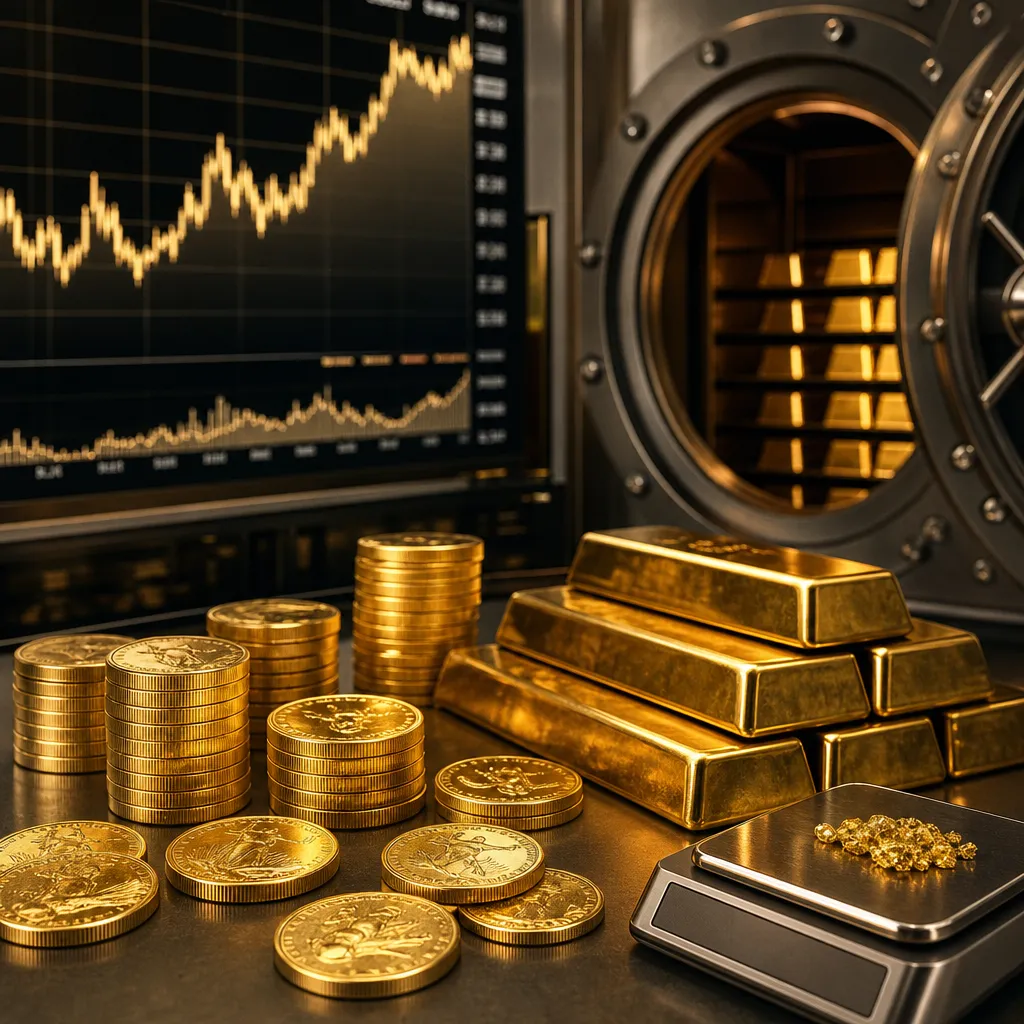
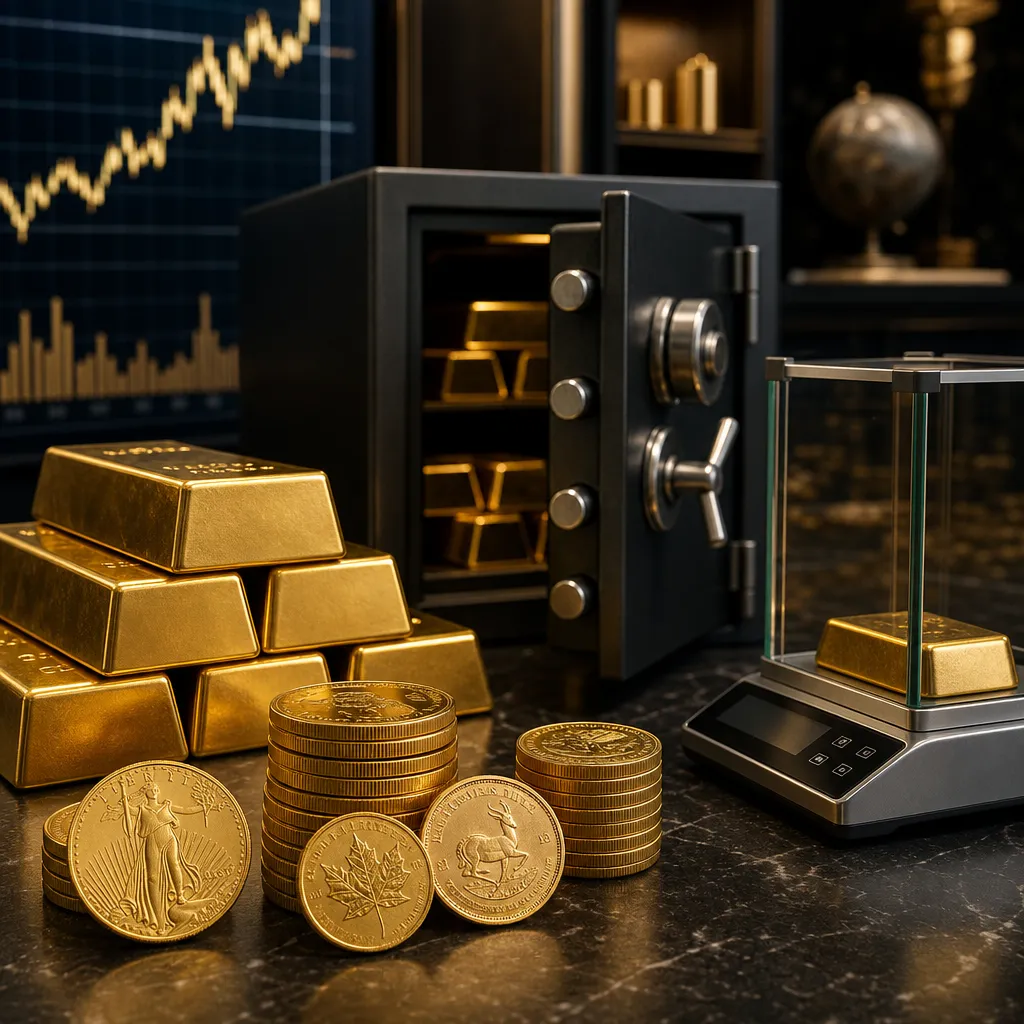
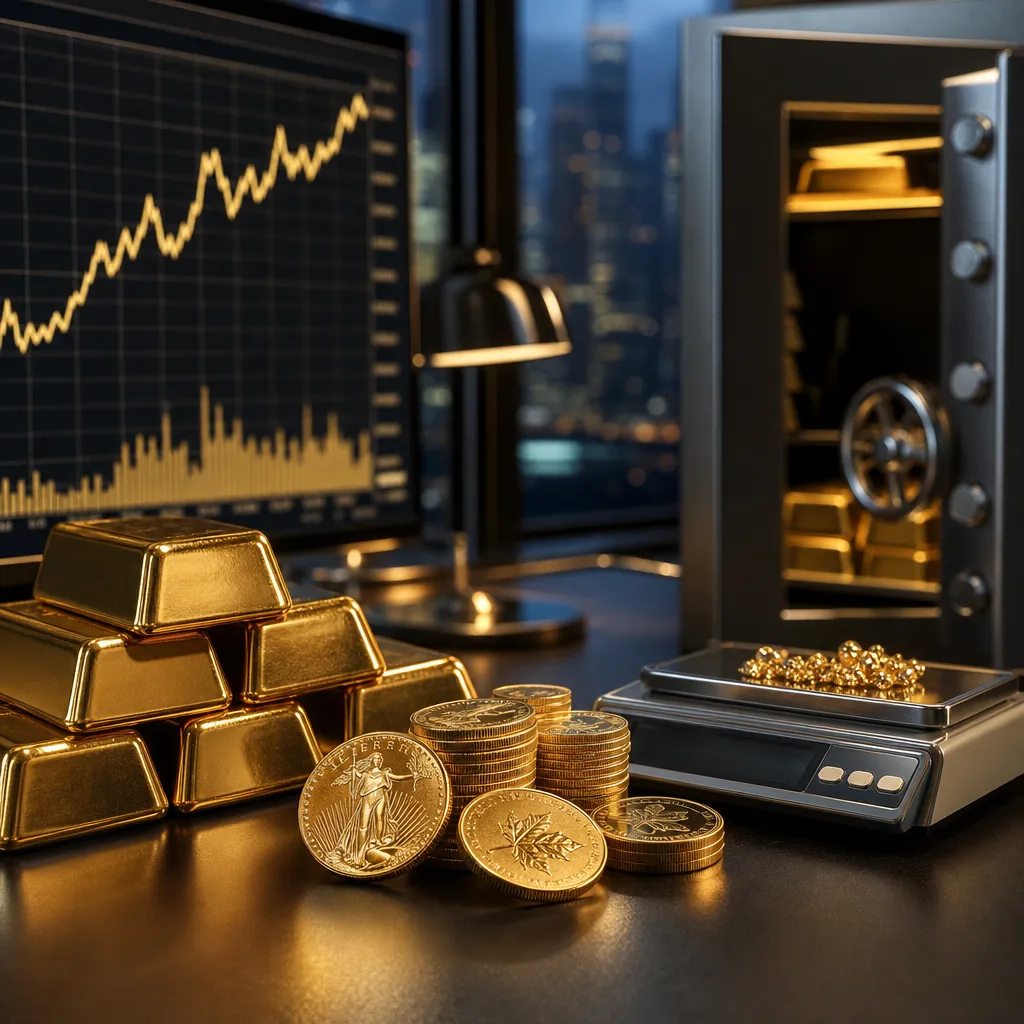
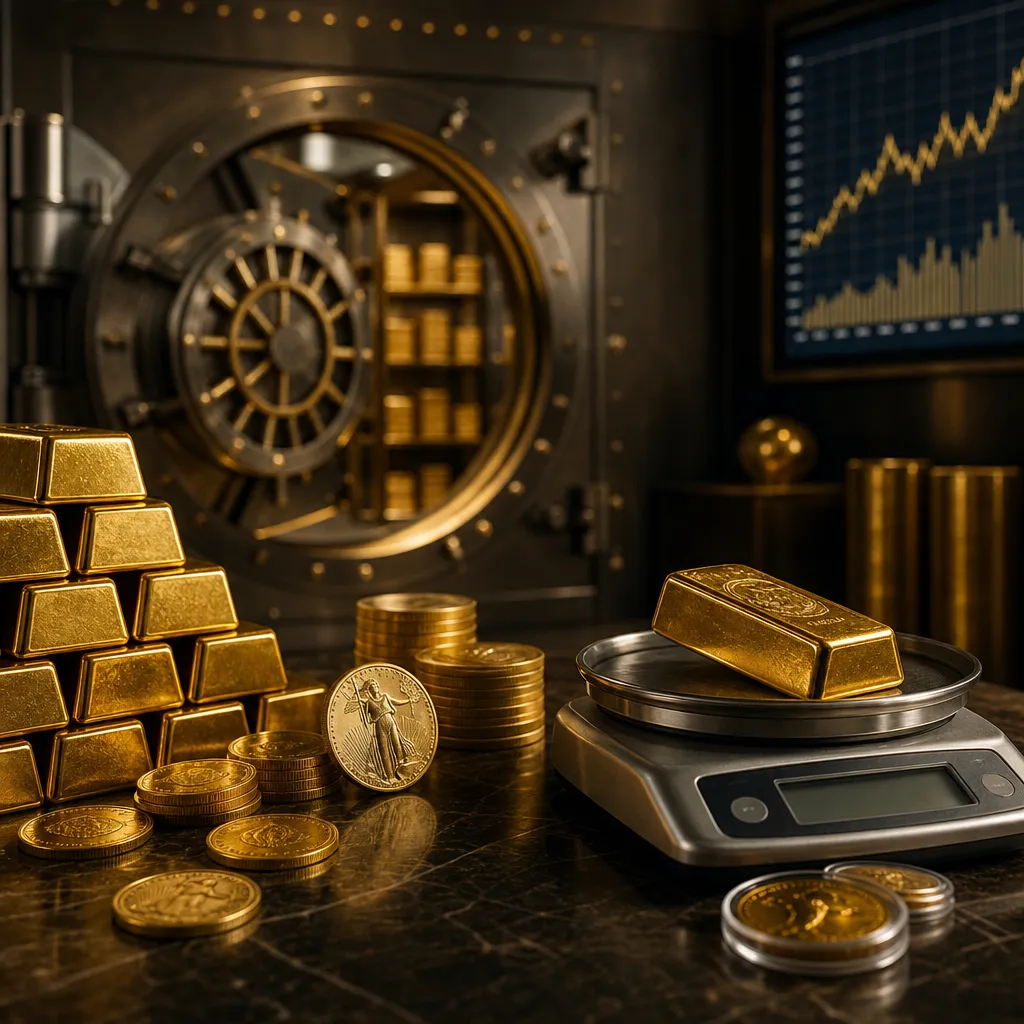
The enduring allure of gold has prompted countless analysts to explore its historical patterns. Drawing on data from multiple financial centers, researchers seek to decode price fluctuations and forecast future movements. By adopting systematic approaches, one can transform raw figures into actionable insights for both short-term traders and long-term holders. This article delves into the core aspects of examining world gold price data, highlighting critical trends, influencing forces, and proven analytical methods.
Global Trends in Gold Pricing Over Decades
Since the early 1970s, when major economies abandoned the fixed exchange rate system, gold has experienced dramatic swings. A sustained bull run in the late 1970s catapulted prices to unprecedented highs before a multi-year correction in the 1980s and 1990s. The turn of the millennium ignited another rally, driven by geopolitical tensions and central bank policies. Observing price trajectories across decades reveals cycles that often correlate with broader economic cycles, making pattern recognition an essential skill for analysts.
Charting gold values against major currency strengths can uncover inverse relationships—when the U.S. dollar weakens, gold frequently rallies. This dynamic underscores the metal’s role as a hedge. Likewise, tracking volumes alongside price changes can signal shifts in market sentiment long before major movements unfold. Incorporating intermarket comparisons, such as oil or equity indices, may also shed light on potential turning points, as investors rotate capital between assets based on relative risk and reward.
Examining long-term charts helps uncover recurring phases: accumulation, breakout, consolidation, and distribution. Each phase presents distinct trading opportunities: accumulation zones often precede upward spikes, while distribution areas can hint at impending downturns. By plotting historical peaks and troughs, one can establish a benchmark for future support and resistance levels, laying groundwork for robust decision-making.
Key Factors Influencing Gold Prices
Gold does not move in a vacuum; multiple drivers shape its market value. Macroeconomic indicators like interest rates, inflation, and currency strength exert the most direct influence. When real yields fall below zero, demand for non-yielding assets such as bullion typically surges, reflecting investors’ quest for a store of value.
- Monetary Policy: Central bank rate decisions and quantitative easing programs directly affect opportunity cost, thus fueling shifts in metal purchases.
- Inflation Expectations: Rising consumer prices often lead to increased gold allocations as a hedge against currency erosion. The link between CPI readings and gold demand underscores this relationship.
- Geopolitical Tensions: Political unrest and conflict encourage flows into safe-haven assets. Periods of heightened uncertainty tend to coincide with abrupt price spikes.
- Physical Demand: Jewelry and technology usage, especially in emerging markets, can create seasonal or cyclical surges in consumption.
- ETF Flows: Exchange-traded funds track investor sentiment in real time. Net inflows often align with price rallies, signaling fresh buying interest.
Understanding the interplay between these forces equips analysts to anticipate short-term swings and long-term trends. Identifying which factors dominate a given period is crucial for crafting responsive strategies.
Effective Methods for Analyzing Historical Data
Transforming raw price data into meaningful patterns requires rigorous techniques. Data cleaning must precede any statistical modeling to remove anomalies, missing entries, or erroneous spikes. Once the dataset is reliable, analysts can apply a suite of methods:
- Moving Averages: Simple and exponential moving averages help smooth out noise and highlight prevailing trends over selected timeframes.
- Time Series Decomposition: Separating data into trend, seasonal, and residual components uncovers hidden cycles and irregular movements.
- Regression Analysis: Multivariate regressions can quantify relationships between gold prices and explanatory variables like interest rates or stock indices.
- Volatility Modeling: GARCH-type models capture evolving volatility levels, aiding in risk assessment and derivative pricing.
- Fourier Transforms: Frequency domain methods detect periodicities that might not be visible in time-domain charts.
Combining these approaches under a unified framework allows for robust scenario testing. For instance, coupling a regression model with volatility forecasts delivers more nuanced projections, essential for effective risk management.
Tools and Techniques for Data Interpretation
Modern analysts leverage diverse platforms to streamline computations and generate visual insights. Popular choices include Python’s pandas and statsmodels libraries, R’s tidyverse suite, as well as specialized software like MATLAB. For those preferring user-friendly interfaces, spreadsheet solutions enriched with add-ins can suffice for basic tasks.
Visualizations play a pivotal role in conveying patterns. Interactive dashboards enable real-time filtering by date ranges or market events, while heat maps and candlestick charts reveal regional or temporal hotspots. Advanced users may deploy machine learning algorithms—random forests, neural networks, or support vector machines—to classify market regimes or predict short-term price movements based on historical signatures.
Interdisciplinary integration further enhances analytical depth. Combining fundamental research—tracking central bank reserves, mining output, and jewelry consumption—with technical signals expands the scope of insights. This hybrid approach ensures that both macroeconomic context and price dynamics inform portfolio adjustments. Investors seeking optimal diversification often position gold alongside equities, bonds, and alternative assets, using historical correlations to calibrate portfolio allocations.
Ultimately, proficiency in data sourcing, cleaning, modeling, and visualization forms the backbone of any competent analysis. Armed with these skills and an appreciation for gold’s multifaceted drivers, analysts and investors can navigate turbulent markets with confidence and precision.