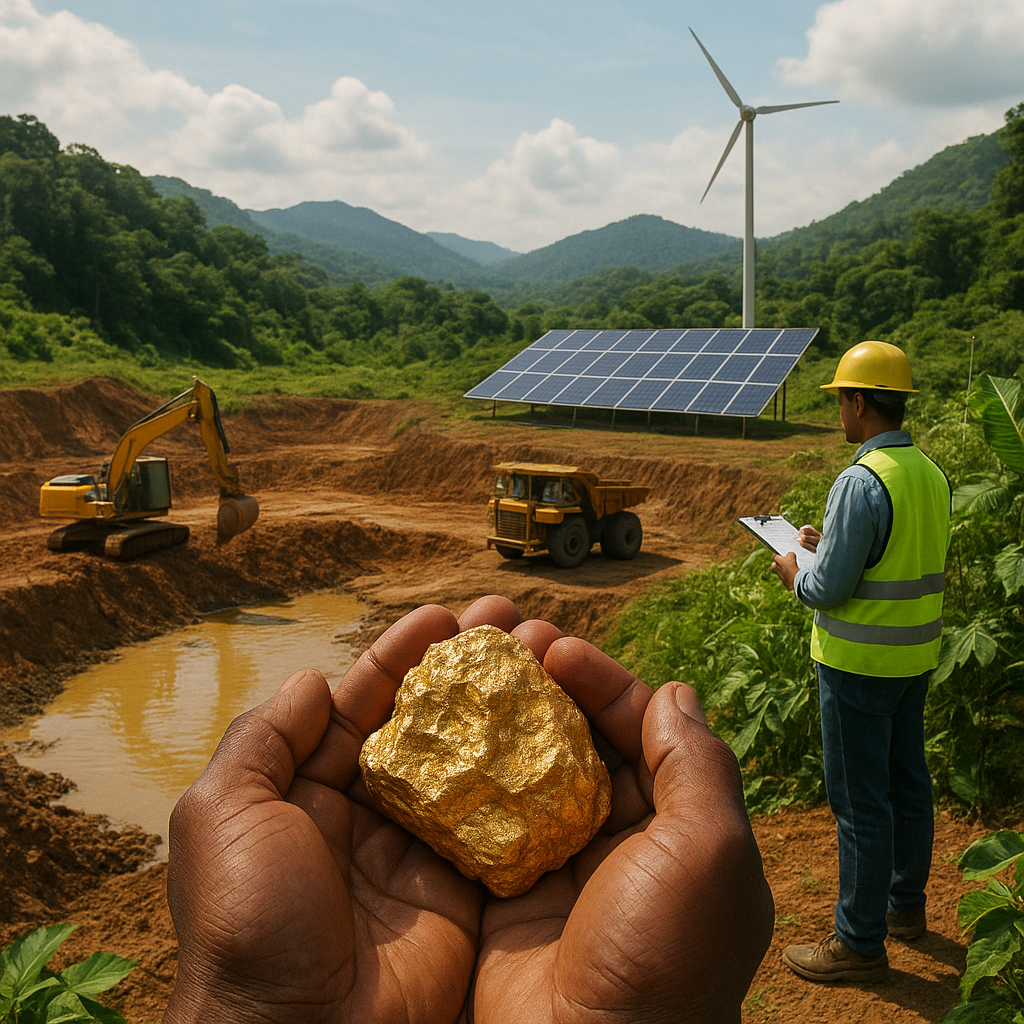
The global mining industry stands at a crossroads where profitability must align with responsibility. As the world seeks new sources of precious metals, the spotlight on gold has intensified. Investors, governments, and communities alike demand a model that balances economic growth with ethical commitments and environmental protection. This article explores the interplay between the world gold price and the strategies reshaping mine operations under the banners of sustainability and ethical stewardship.
Global Gold Price Dynamics and Market Drivers
The world gold price serves as a barometer for global economic health, reflecting shifts in currency strength, interest rates, and geopolitical tensions. Historically, gold has been prized as a hedge against inflation and a safe haven during crises. In recent years, fluctuations in central bank policies and increased demand from emerging markets have introduced additional layers of complexity.
Factors Influencing Price Movements
- Central bank reserves adjustments and their impact on supply
- Currency fluctuations, especially against the US dollar
- Global economic indicators such as GDP growth and inflation rates
- Geopolitical events that trigger risk-off behavior among investors
These elements interact in real time, subjecting gold to episodes of market volatility. For mining companies, anticipating these shifts is crucial for budgeting, project planning, and maintaining stakeholder confidence.
Advances in Ethical Mining Practices
Traditional mining operations have faced scrutiny over labor conditions, community displacement, and ecological degradation. The push for ethical mining is reshaping industry standards. Companies are now evaluated not only on output but also on their alignment with internationally recognized frameworks.
Certification and Accountability
- Adoption of the Responsible Jewellery Council (RJC) Code of Practices
- Integration of third-party audits to verify compliance
- Transparency in reporting to ensure traceable origins of extracted material
By embracing these measures, miners reduce reputational risks and open access to markets demanding ethically sourced gold. In parallel, end consumers grow more discerning, preferring jewelry and financial products backed by responsible extraction stories.
Sustainability and Environmental Stewardship
As environmental considerations move to the forefront, mining outfits are scrutinizing their environmental impact more rigorously. Efforts focus on reducing water usage, mitigating tailings risks, and restoring ecosystems post-extraction.
Water Management and Biodiversity Protection
- Closed-loop water systems to minimize freshwater consumption
- Revegetation programs that reestablish native plant species
- Wildlife corridors designed to preserve natural migrations
These initiatives reflect a commitment to long-term site rehabilitation, essential for meeting the expectations of regulators and local communities. Additionally, they reinforce the narrative that gold mining can coexist with ecological resilience.
Technological Innovations Shaping the Industry
Breakthroughs in technology are transforming how gold is discovered, extracted, and processed. Automation, digitalization, and advanced analytics drive efficiency and reduce the carbon footprint of operations.
Key Technological Trends
- Use of drones and satellite imagery for precise exploration
- Machine learning models that optimize ore grade predictions
- Electric and autonomous haul trucks to cut emissions
- Real-time monitoring systems for water and air quality
These tools not only boost productivity but also strengthen the social license to operate by demonstrating proactive risk management. Furthermore, integrating renewable energy sources—solar, wind, and hydro—supports cleaner power for processing plants and remote camps.
Reinforcing Responsible Supply Chains
Ensuring that gold remains conflict-free throughout its journey from mine to market is paramount. Supply chain transparency has become a non-negotiable demand among regulators and ethical investors.
Traceability Mechanisms
- Blockchain-based ledgers to record each transfer of bullion
- Digital passports for mineral batches to verify origin and custody
- Collaborations with downstream partners to align standards
By embedding oversight at every stage, stakeholders can mitigate the risks of illicit mining and smuggling. This approach buttresses investor confidence and meets stringent regulations such as the OECD Due Diligence Guidance for Responsible Supply Chains of Minerals.
Future Outlook for Investors and Communities
Looking ahead, the interplay between the world gold price and evolving societal norms will shape the sector’s trajectory. Investors increasingly weigh not just financial returns but also the social and environmental footprints of their portfolios. Meanwhile, mining developers targeting new deposits are compelled to engage with local populations from the earliest exploratory stages.
Collaborative Models of Development
- Profit-sharing agreements that bolster regional economies
- Capacity-building programs for local workforces
- Joint monitoring committees with community representation
Such frameworks aim to distribute benefits equitably, ensuring that host regions gain sustainable livelihoods in tandem with resource extraction. In doing so, they help stabilize operations, protect social harmony, and enhance long-term project viability.
Conclusion of Emerging Trends
The evolution of the gold mining industry underscores a profound shift: profitability is inseparable from responsibility. As market dynamics continue to reflect concerns over climate change, human rights, and governance, miners that champion supply chains free from exploitation and prioritize ecosystem resilience will lead. The future of gold rests on bridging traditional strengths—resilience in the face of market volatility—with new pillars of ethical and sustainable practice.