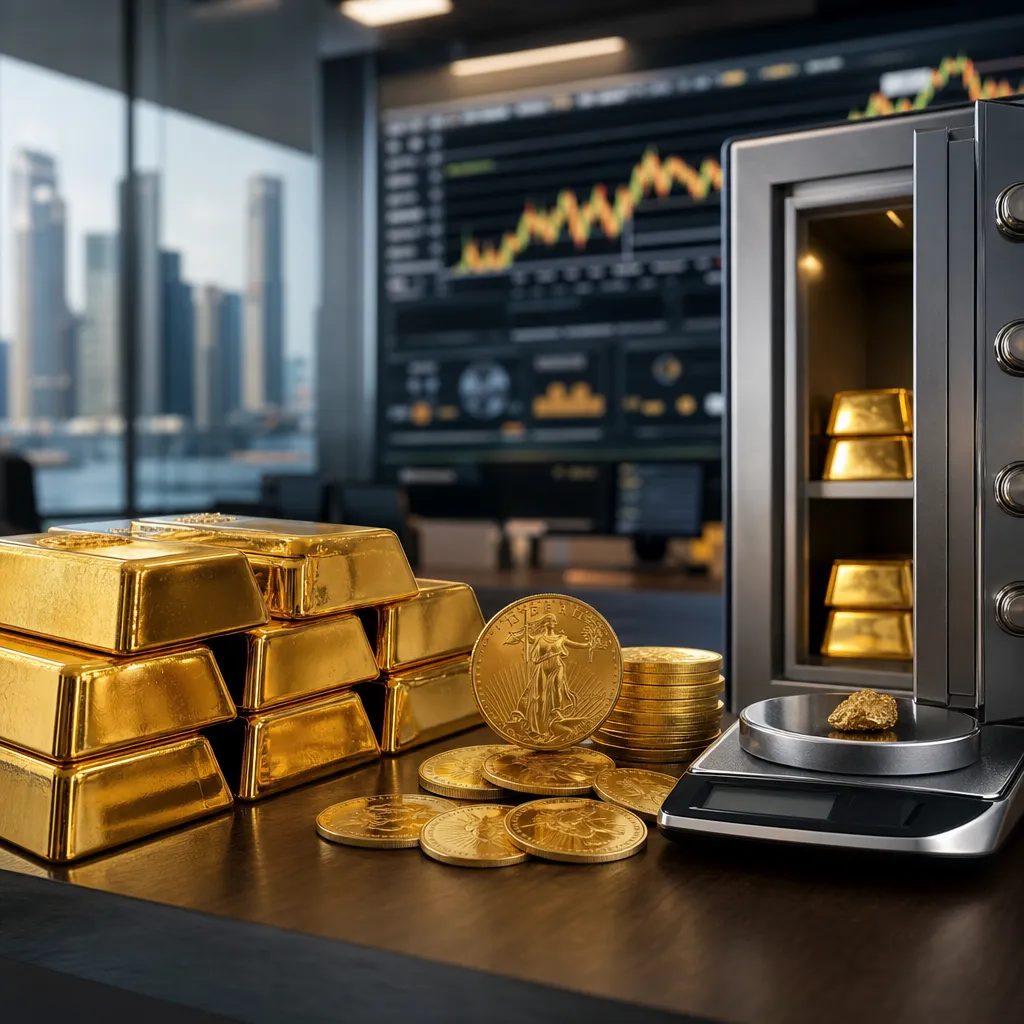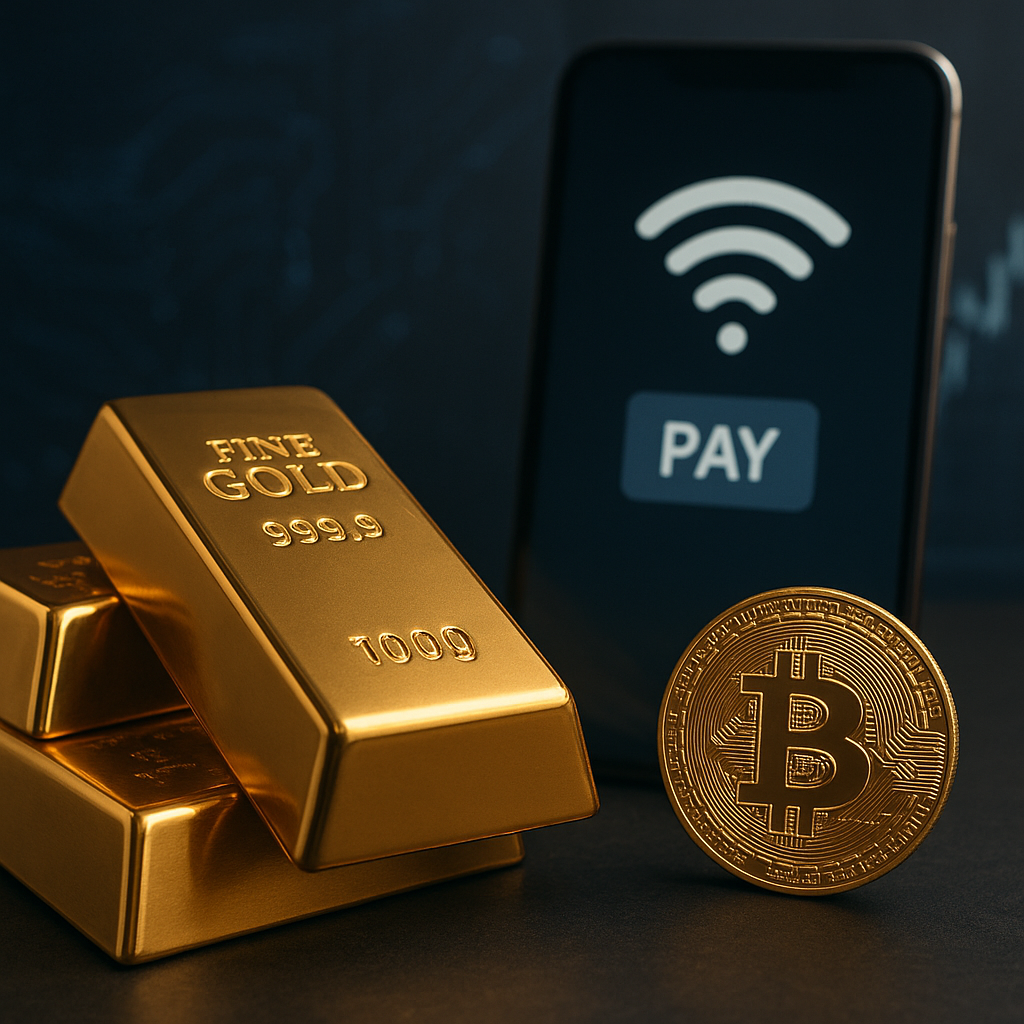
The rapid shift toward a cashless economy has ignited debates about the enduring importance of gold. Despite rising digital payment platforms, mobile wallets, and central bank digital currencies (CBDCs), investors continue to view gold as a pillar of stability and a powerful hedge against economic turmoil. This article explores the evolving role of gold in a society increasingly detached from physical currency, examining global price dynamics, portfolio strategies, and technological innovations shaping the future of this ancient metal.
The Enduring Value of Gold in a Digital Era
Since antiquity, gold has served as a universal store of wealth, prized for its scarcity, malleability, and resistance to corrosion. Today’s digital economy, dominated by instantaneous electronic transfers, might seem poised to render gold obsolete. Yet, throughout history, gold has proven remarkably adaptable, maintaining its allure even as payment methods have transformed from barter and coins to credit cards and digital wallets.
Historical Resilience
Gold’s performance across centuries of crises underlines its unique appeal:
- Inflation Hedge: Gold prices often surge when fiat currencies depreciate.
- Flight to Safety: During market crashes, investors flock to safe-haven assets.
- Central Bank Reserves: Nations hold gold to balance reserve portfolios.
These characteristics make gold a cornerstone in mitigating systemic risks, a quality that technology alone cannot replicate.
Global Gold Price Trends
Monitoring the world gold price reveals telling patterns:
- Steady Appreciation: A long-term upward trajectory driven by limited supply and growing demand.
- Volatility Spikes: Sharp price movements aligned with geopolitical tensions and financial shocks.
- Currency Fluctuations: Inverse relationship with the US dollar, the primary pricing currency.
Recent years have witnessed record rallies, particularly when central banks injected massive liquidity into financial systems. With many countries approaching negative real interest rates, the carry cost of holding gold has diminished, further enhancing its appeal.
Gold’s Role in Financial Portfolios
Incorporating gold into investment strategies is more than a nod to tradition. Its unique qualities as an asset class complement stocks, bonds, and real estate, offering diversification benefits that can enhance risk-adjusted returns.
Portfolio Diversification
Gold’s near-zero correlation with equities and certain commodities is critical for constructing balanced portfolios. Key advantages include:
- Risk Reduction: Gold cushions portfolios during equity market downturns.
- Liquidity: Easily traded on global exchanges, gold provides quick access to cash.
- Global Demand: Central banks, investors, and industries sustain long-term pull.
Financial advisors often recommend a diversification allocation to gold ranging between 5% and 15% of total assets, depending on risk tolerance and market outlook.
Institutional and Retail Demand
Two powerful forces underpin gold markets:
- Central Banks: Since the 2008 crisis, many central banks have resumed net purchases to bolster reserves.
- Retail Investors: Exchange-traded funds (ETFs) and digital platforms lower barriers for individual participation.
The increasing accessibility of gold-backed ETFs has democratized exposure, enabling investors to tap into liquidity without physical storage concerns. Additionally, physical bars and coins remain popular for those seeking direct ownership.
Innovations and the Path Forward
The intersection of gold and digital innovation promises to transform how investors acquire, store, and trade this precious metal. As society embraces a fully electronic payment landscape, innovations are emerging to ensure gold’s relevance.
Tokenization and Blockchain
By leveraging distributed ledgers, tokenized gold platforms create digital assets representing fractional ownership of physical holdings. Benefits include:
- Transparency: Real-time auditing of reserves via smart contracts.
- Fractional Ownership: Reduced minimum investment thresholds.
- Global Accessibility: 24/7 trading across borders without traditional settlement delays.
Several startups and established exchanges now offer tokenized gold tokens, turning the metal into a programmable financial instrument. This convergence of technology and tradition could significantly expand gold’s user base in emerging markets.
Regulatory and Security Challenges
Despite its promise, digital gold faces obstacles:
- Custodial Risks: Ensuring that digital tokens are fully backed by physical reserves.
- Regulatory Oversight: Harmonizing international standards for AML, KYC, and asset audits.
- Cybersecurity: Protecting digital wallets and trading platforms from breaches.
Regulators worldwide are collaborating on frameworks to address these concerns. As governance structures mature, confidence in tokenized gold is expected to grow, offering a robust alternative to conventional holdings.
Future Outlook
Looking ahead, gold’s role in a cashless society remains multifaceted. Key drivers include:
- Monetary Policy: Prolonged low-interest rates and expansive quantitative easing fuel demand.
- Geopolitical Uncertainty: Tensions between major powers boost safe-haven flows.
- Technological Adoption: Widespread use of digital gold platforms enhances market depth.
For investors, gold is not just a relic of the past but a dynamic asset capable of evolving alongside digital finance. Its combination of investment virtues and cutting-edge applications positions gold at the forefront of wealth preservation strategies in an increasingly cashless world.
Conclusion
As electronic payments and CBDCs proliferate, gold’s enduring allure and intrinsic attributes continue to secure its status within diversified portfolios. Through embracing digital innovations—such as tokenization and blockchain-enabled trading—gold transcends its historic role, evolving into a next-generation asset. For those charting a path in a cashless economy, integrating gold offers a time-tested safeguard against volatility, a hedge against inflation, and a bridge between centuries-old tradition and the future of global finance.