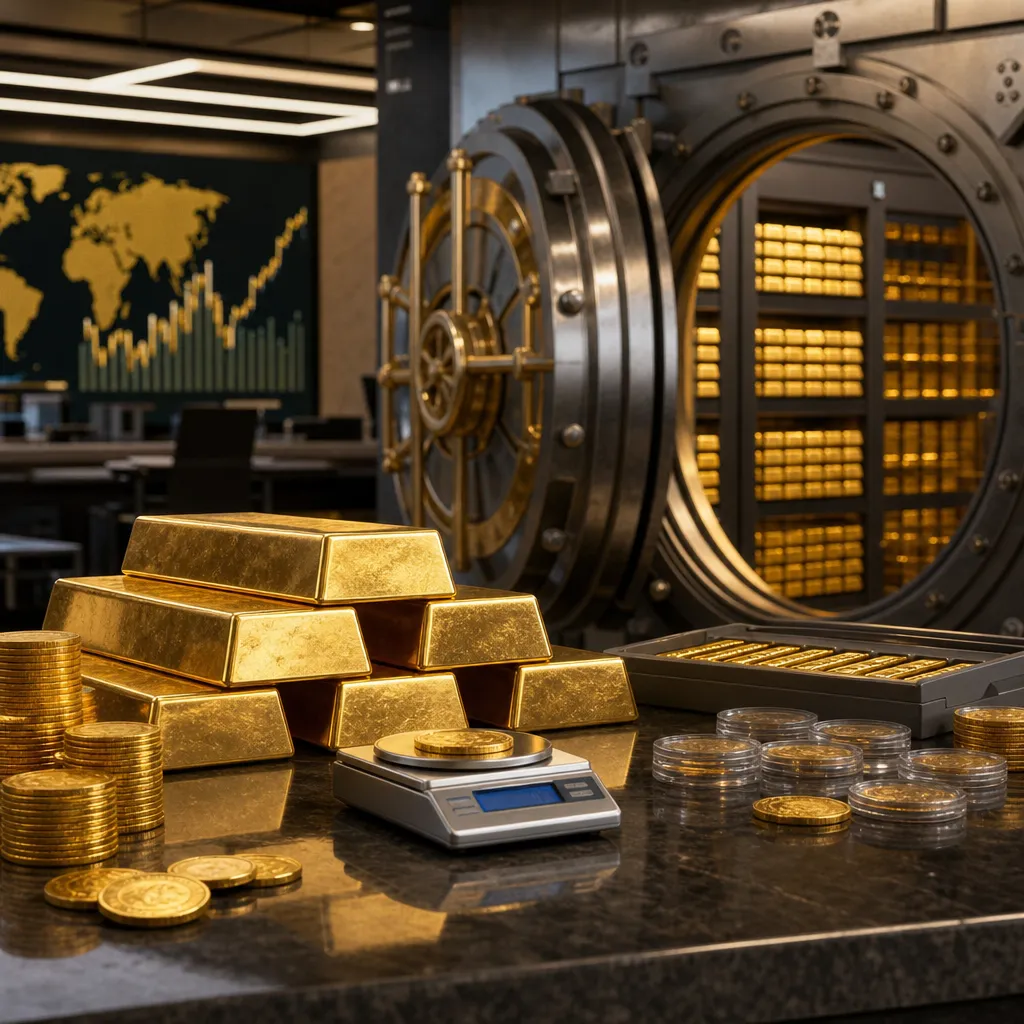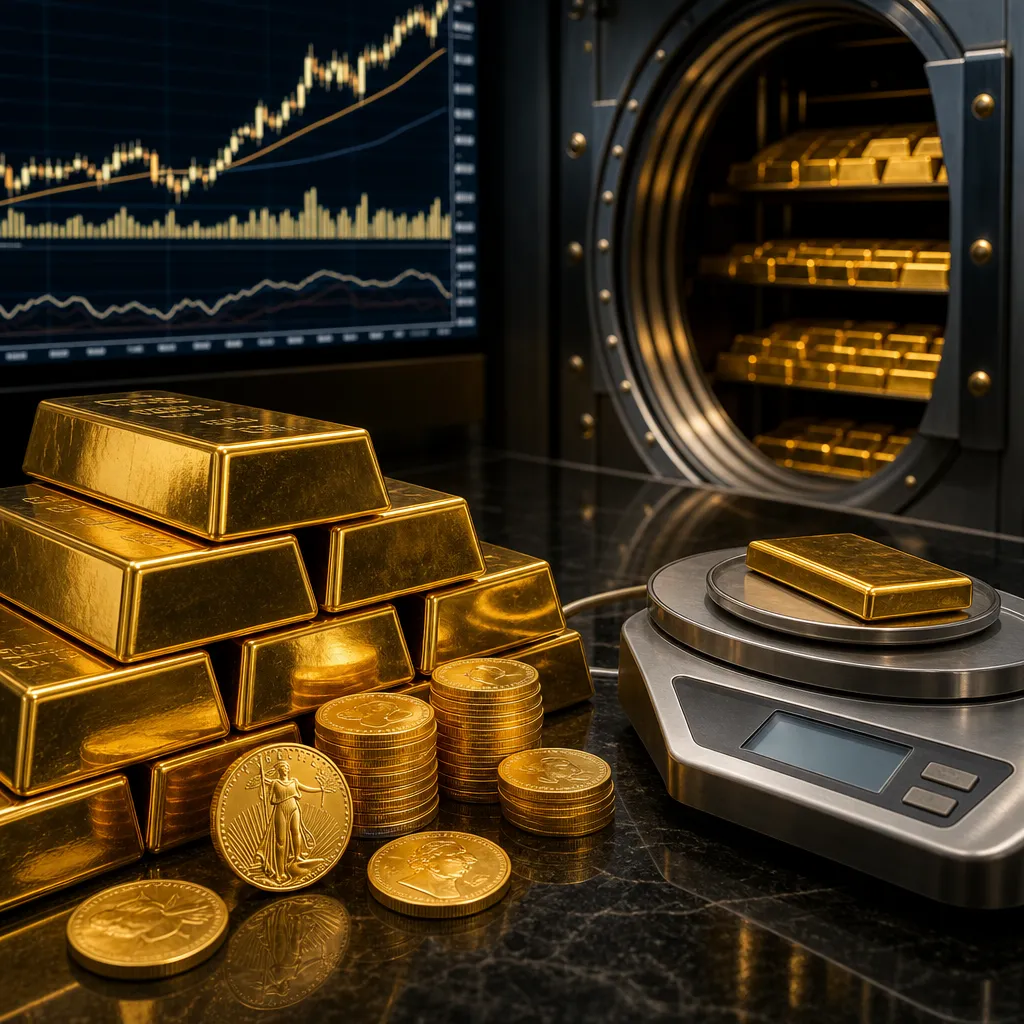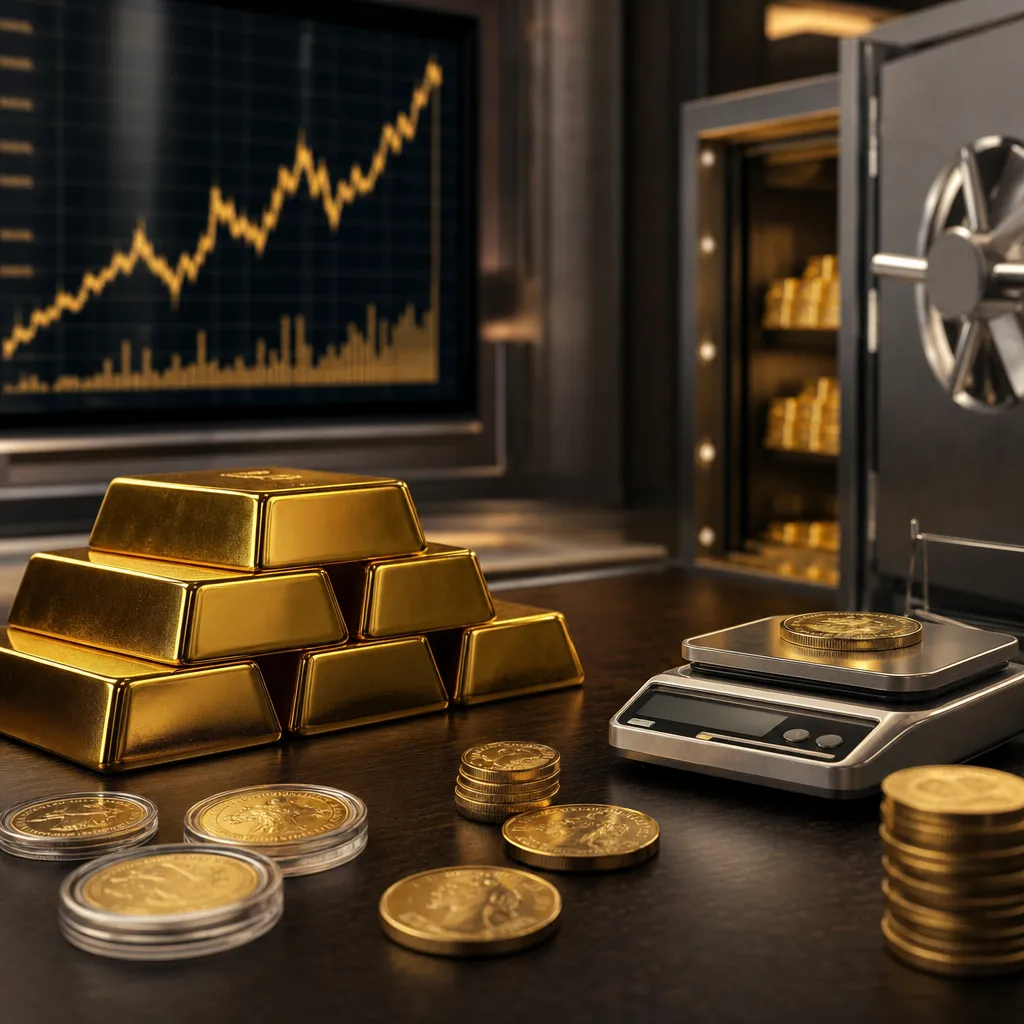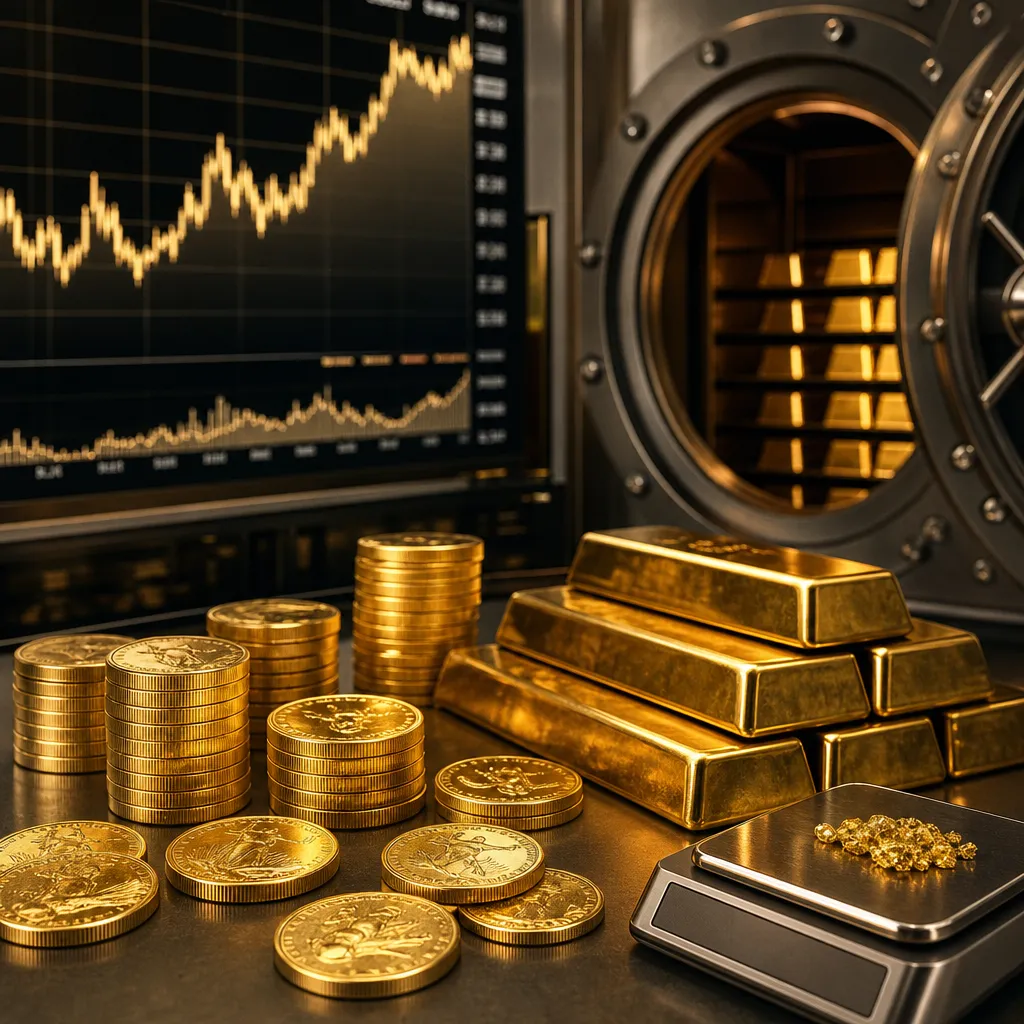
The intricate relationship between inflation expectations and gold futures represents a focal point for investors, analysts, and policymakers worldwide. As central banks navigate monetary policy and global economic indicators fluctuate, the dynamics influencing the gold market become increasingly complex. By exploring the interplay between projected price levels, futures contracts, and the broader forces at work in international markets, this article examines how stakeholders position themselves to benefit from or defend against shifting economic tides.
Inflation Expectations and Market Sentiment
Inflation projections often serve as a primary driver behind asset allocation decisions. When forecasts point to an acceleration in price pressures, market participants tend to seek instruments that offer a natural hedge against eroding purchasing power. Among these, gold has remained a perennial favorite, prized for centuries as a reliable store of value. Meanwhile, inflation expectations themselves can feed off market sentiment, financial data releases, and commentary from influential institutions.
Key Drivers of Inflation Forecasts
- Central bank policy announcements and minutes
- Government fiscal stimulus measures
- Commodity price fluctuations, including oil and industrial metals
- Labor market data, wage growth, and unemployment rates
- Global supply chain disruptions and geopolitical tensions
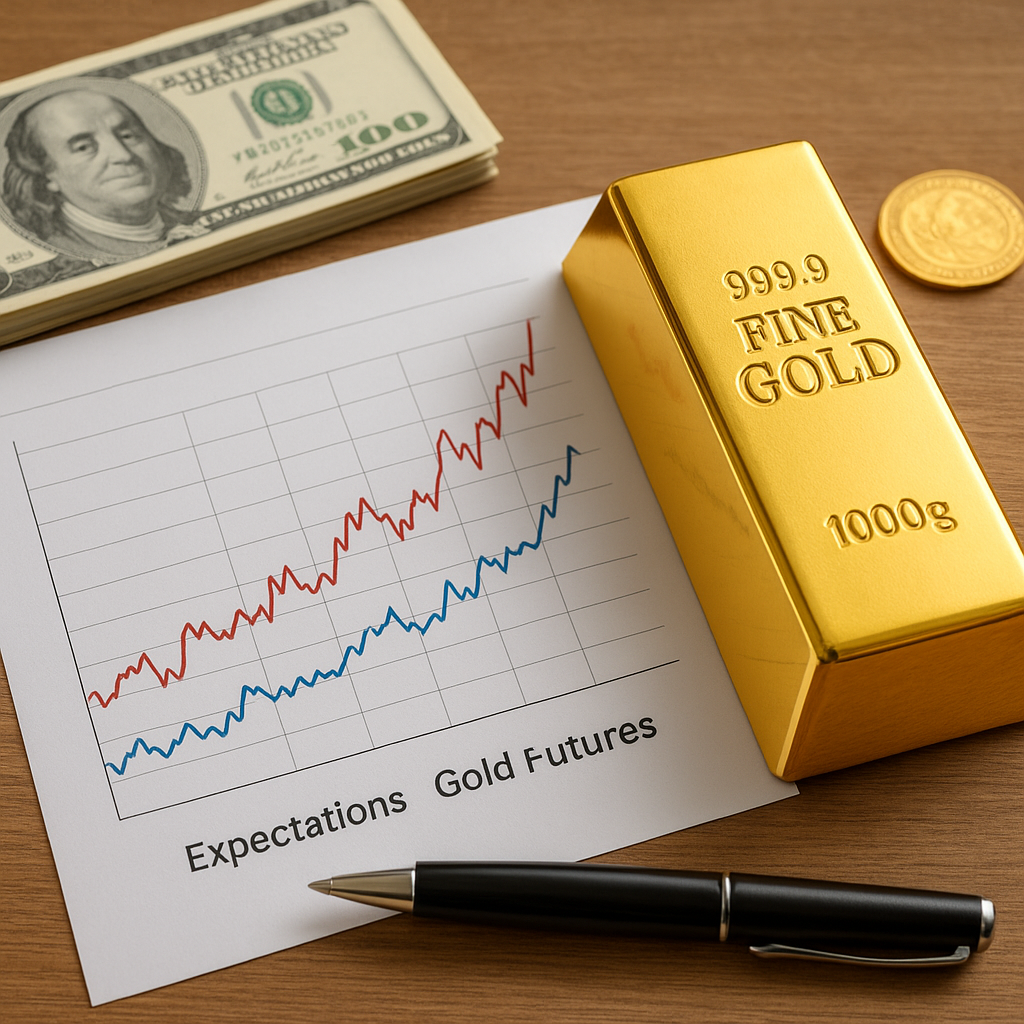
Driven by these factors, participants in gold futures markets continuously recalibrate their positions. The correlation between rising inflation forecasts and increased long positions in futures contracts underscores traders’ collective expectation that real yields will decline, bolstering the allure of a non-yielding asset like gold.
Mechanics of Gold Futures Trading
Understanding the underpinnings of futures contracts is crucial for grasping how the market digests inflation expectations. A gold futures contract obligates the holder to buy or sell a specified quantity of gold at a predetermined price on a future date. Exchanges such as the COMEX in New York and the TOCOM in Tokyo provide centralized venues for clearing and settlement, ensuring transparency in price discovery.
Margin Requirements and Leverage
Futures trading often involves significant leverage, as participants can control large volumes of physical gold with a relatively small capital outlay. However, exchanges impose initial and maintenance margin requirements to mitigate counterparty risk. An abrupt shift in volatility may trigger margin calls, forcing traders to adjust positions rapidly and sometimes leading to amplified price swings.
Role of Speculators and Commercial Participants
- Hedgers: Producers, refiners, and jewelers who aim to lock in prices for future needs
- Speculators: Traders and fund managers seeking profit from anticipated price movements
- Arbitrageurs: Market players capturing price discrepancies across different maturities or exchanges
Speculative positioning often intensifies around key economic data releases, such as Consumer Price Index (CPI) reports or Producer Price Index (PPI) updates. A surprise uptick in inflation data can trigger rapid long-covering rallies, while unexpectedly low readings may spark profit-taking and short-covering among bullish participants.
Global Dynamics of World Gold Prices
While inflation expectations have a pronounced effect, multiple global forces converge to shape day-to-day pricing. Exchange rates, interest rate differentials, and liquidity conditions in major financial centers all contribute to the supple yet intricate tapestry of world gold price movements.
Currency Movements and Cross-Border Flows
The value of the US dollar holds particular significance for gold markets due to the commodity’s dollar-denominated pricing. A stronger dollar typically casts a shadow over international demand by making gold more expensive for holders of other currencies. Conversely, dollar weakness can ignite cross-border buying as importers find the metal more affordable. Sovereign wealth funds and central banks also intervene periodically to rebalance reserves, influencing the supply and demand equilibrium.
Economic Growth and Safe-Haven Demand
In periods of robust global growth, industrial demand for gold—especially in electronics and manufacturing—may rise modestly. Yet, most of gold’s appeal stems from its reputation as a financial safe haven. During episodes of market stress or geopolitical strife, investors often allocate capital to bullion and futures contracts to preserve wealth. The resulting spike in futures open interest and premiums reflects heightened demand for protection against unforeseen shocks.
Key Influences on Price Trajectories:
- Interest rate expectations in major economies
- Quantitative easing or tightening programs
- Cross-border capital flows and regulatory changes
- Seasonal buying patterns, such as festivals and weddings in Asia
- Physical market liquidity constraints or surpluses
Investor Strategies and Risk Management
For both institutional and retail investors, crafting a coherent approach to gold futures in light of evolving inflation forecasts involves careful calibration of risk and opportunity. Tactical positioning can yield substantial gains, but misjudgments may lead to significant losses, especially in highly leveraged environments.
Diversification and Portfolio Allocation
Allocating a portion of a diversified portfolio to gold, either through spot bullion, exchange-traded funds (ETFs), or futures contracts, can enhance overall resilience. By acting as a counterbalance to equities and bonds during inflationary spikes, gold contributes to reducing portfolio drawdowns. However, investors must consider the liquidity of their chosen vehicle: futures offer agility and transparency, while physical holdings provide direct ownership without roll risk.
Roll Strategies and Calendar Spreads
Managing futures positions across different delivery months involves rollovers, which carry costs or benefits depending on market structure—contango or backwardation. Traders may employ calendar spreads to profit from anticipated shifts in term structure, effectively betting on the narrowing or widening of price differentials between near-term and deferred contracts. Such tactics require robust analysis of storage rates, interest rates, and seasonal demand cycles.
Monitoring Central Bank Activity
Central banks play a pivotal role in molding both inflation expectations and gold market sentiment. Purchases from emerging market institutions can inject fresh demand, lifting futures prices. Meanwhile, policy rate decisions and forward guidance influence real yields, altering the relative attractiveness of non-yielding assets. Investors closely track minutes and speeches to glean insights into potential shifts in reserve diversification strategies.
Ultimately, navigating the link between inflation expectations and gold futures demands a multifaceted approach, integrating macroeconomic indicators, technical analysis, and an appreciation for market psychology. By understanding the root causes of price movements and deploying prudent risk management techniques, market participants can effectively position themselves for evolving economic landscapes.