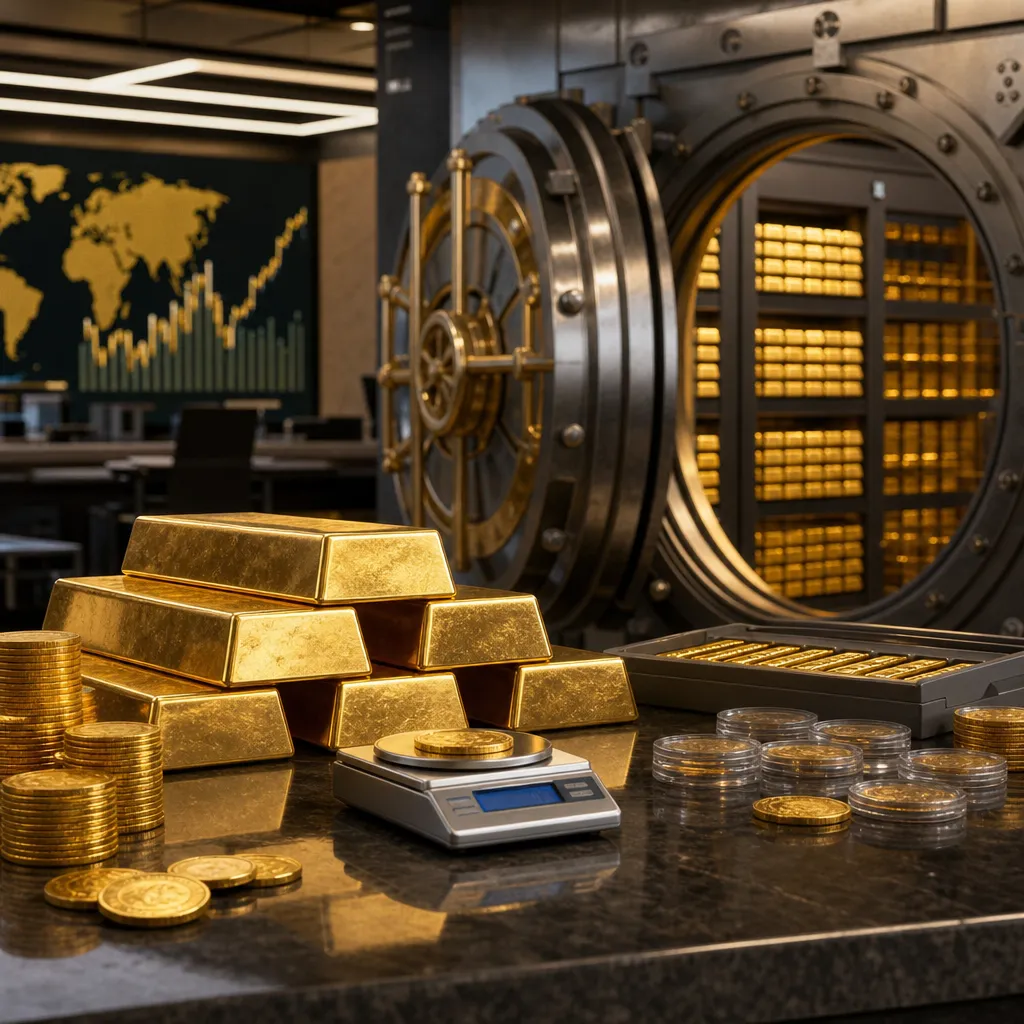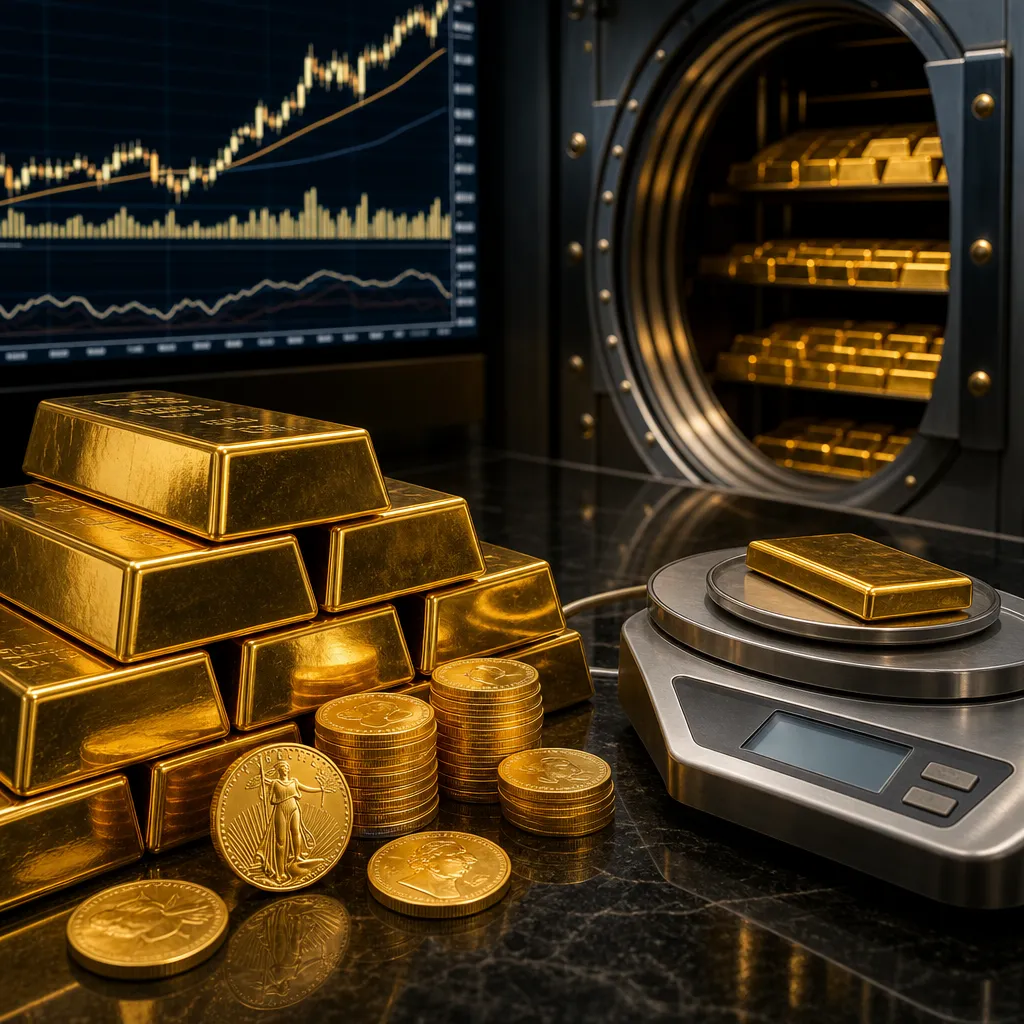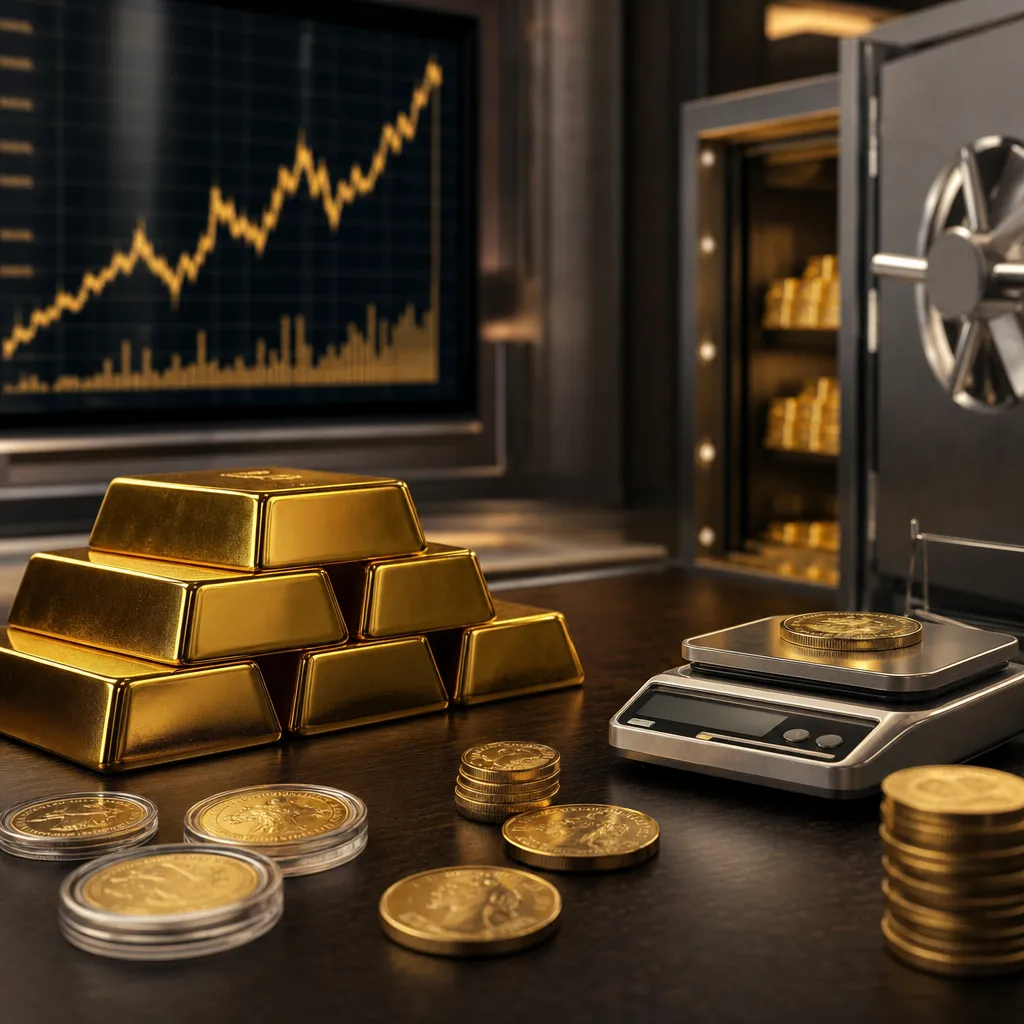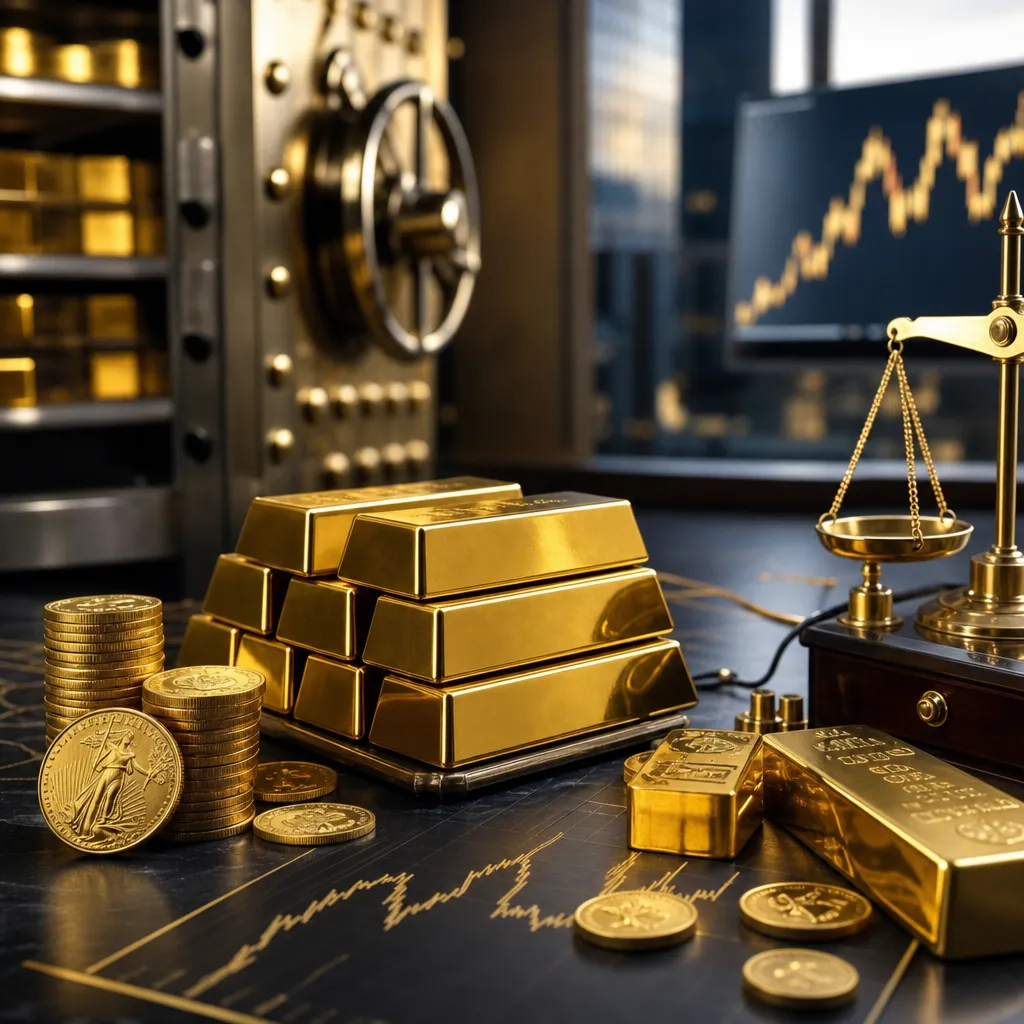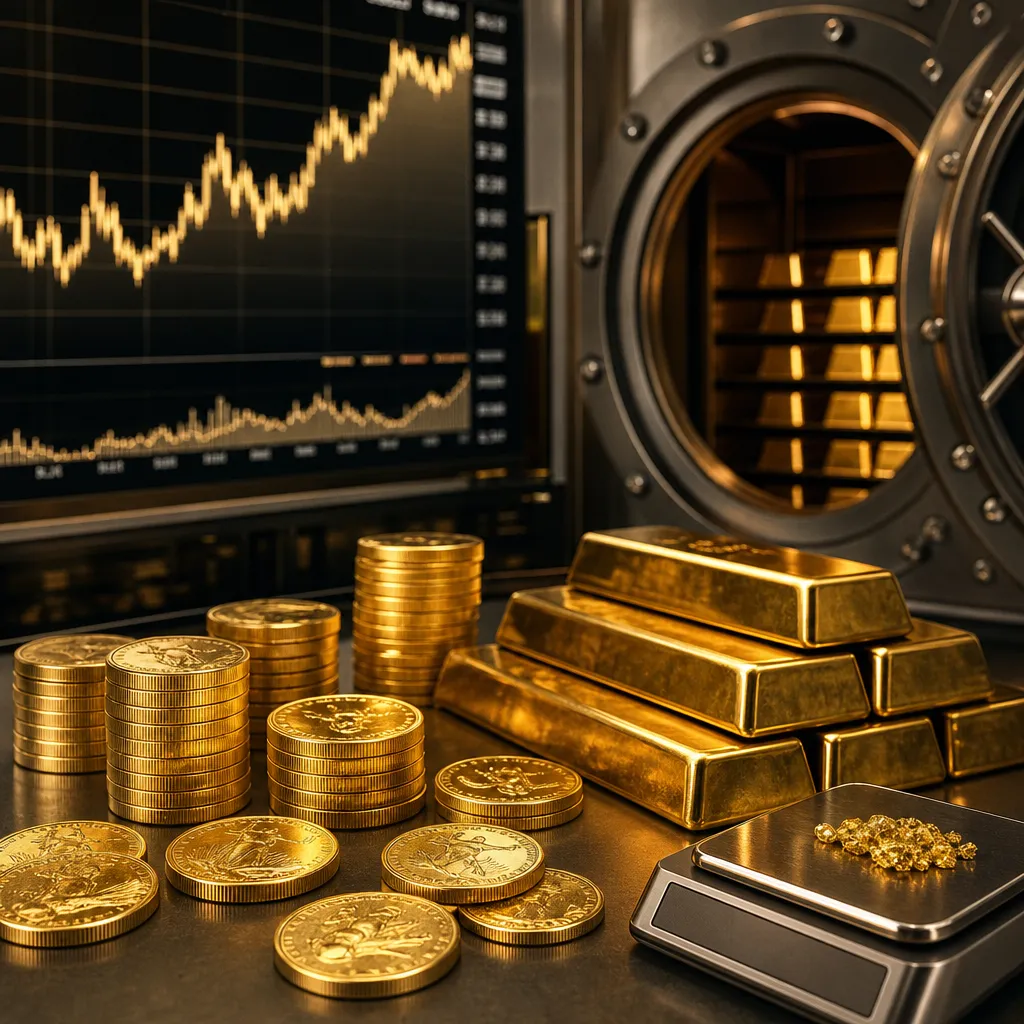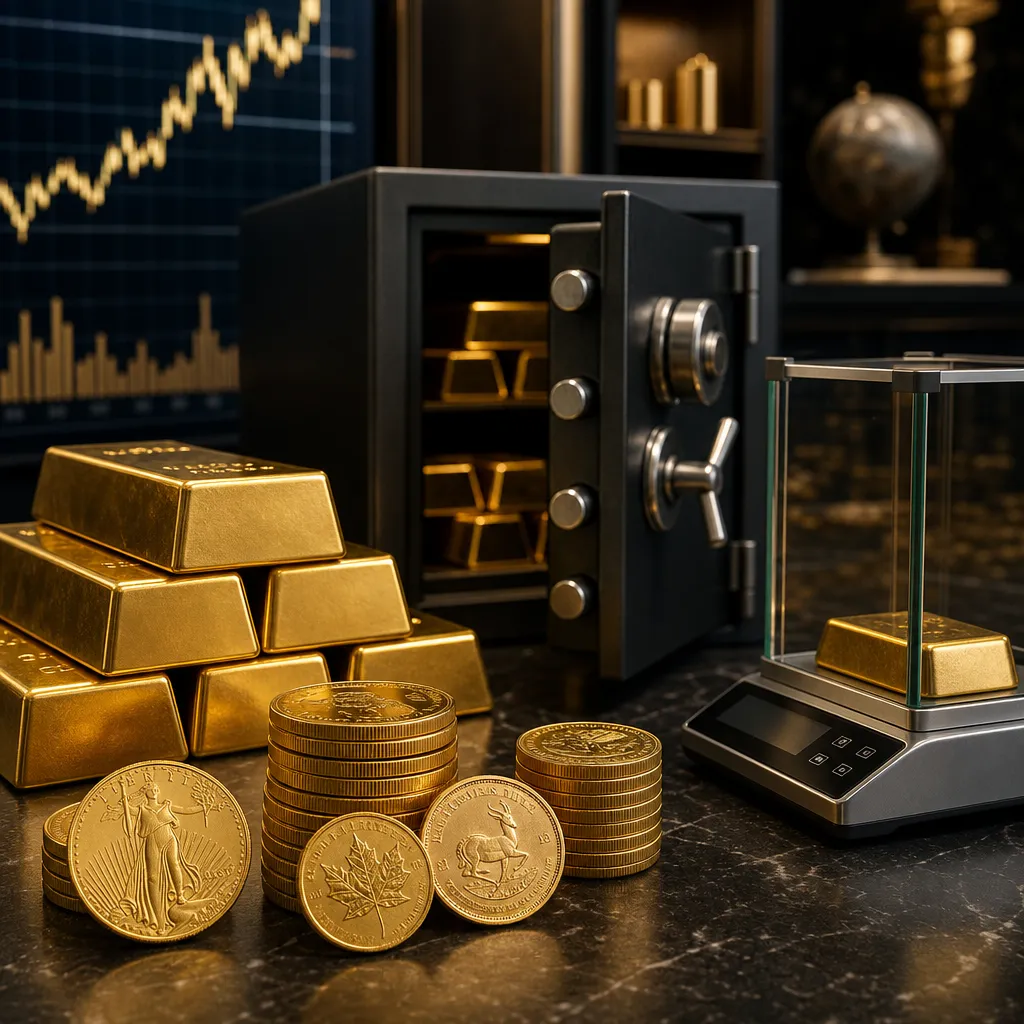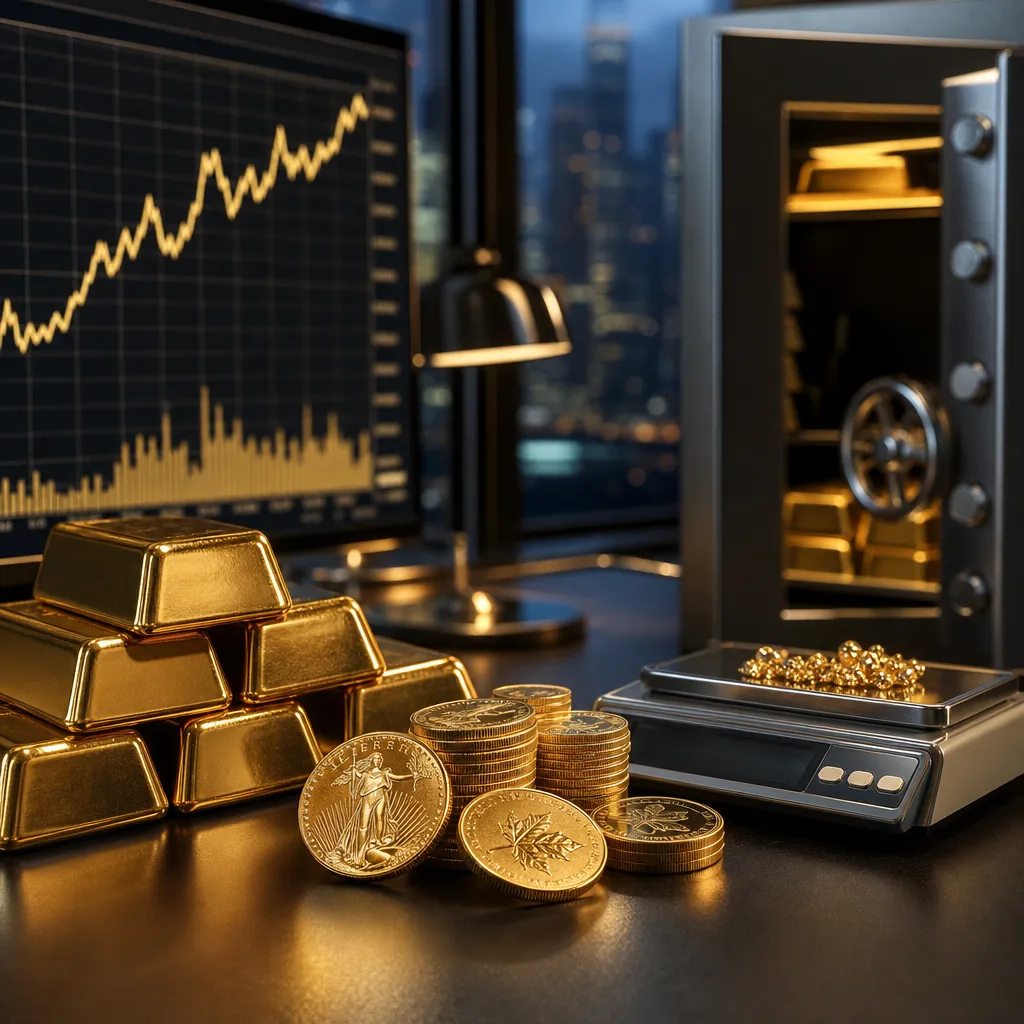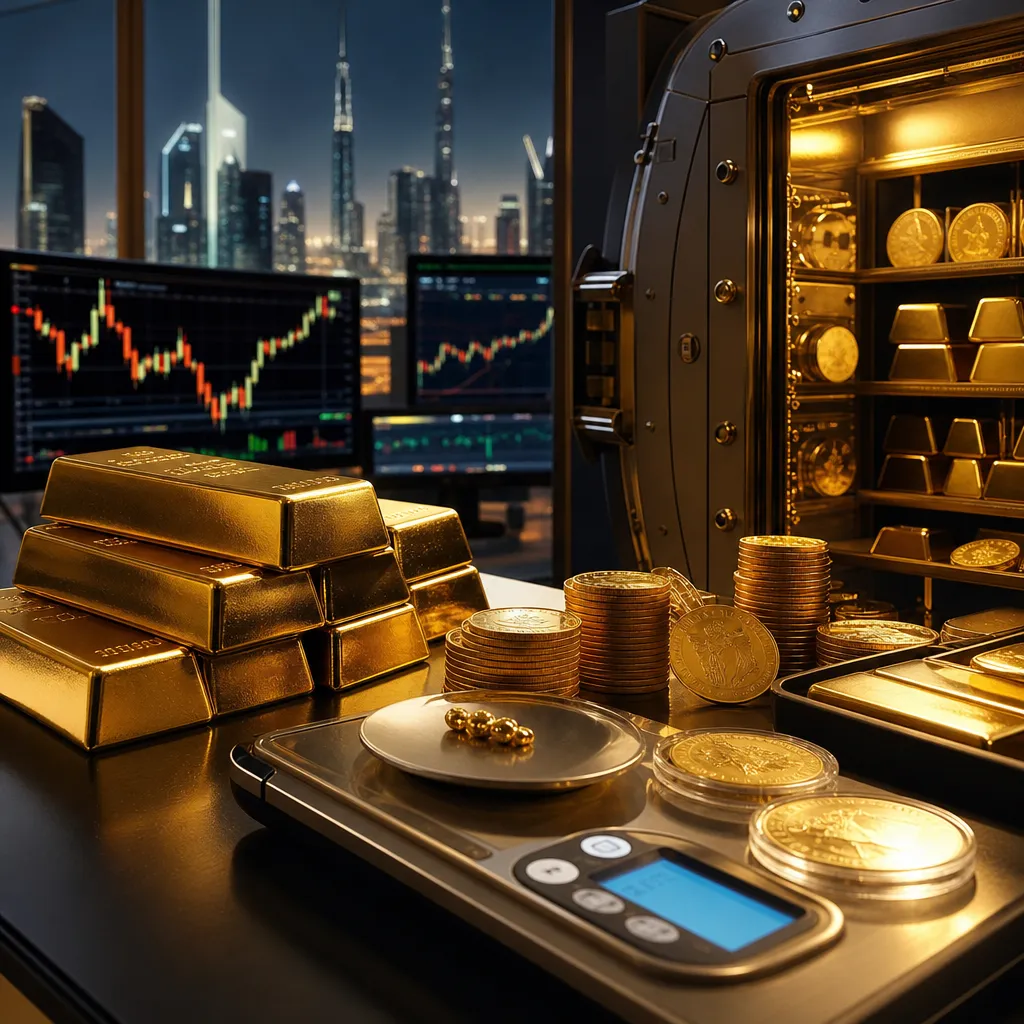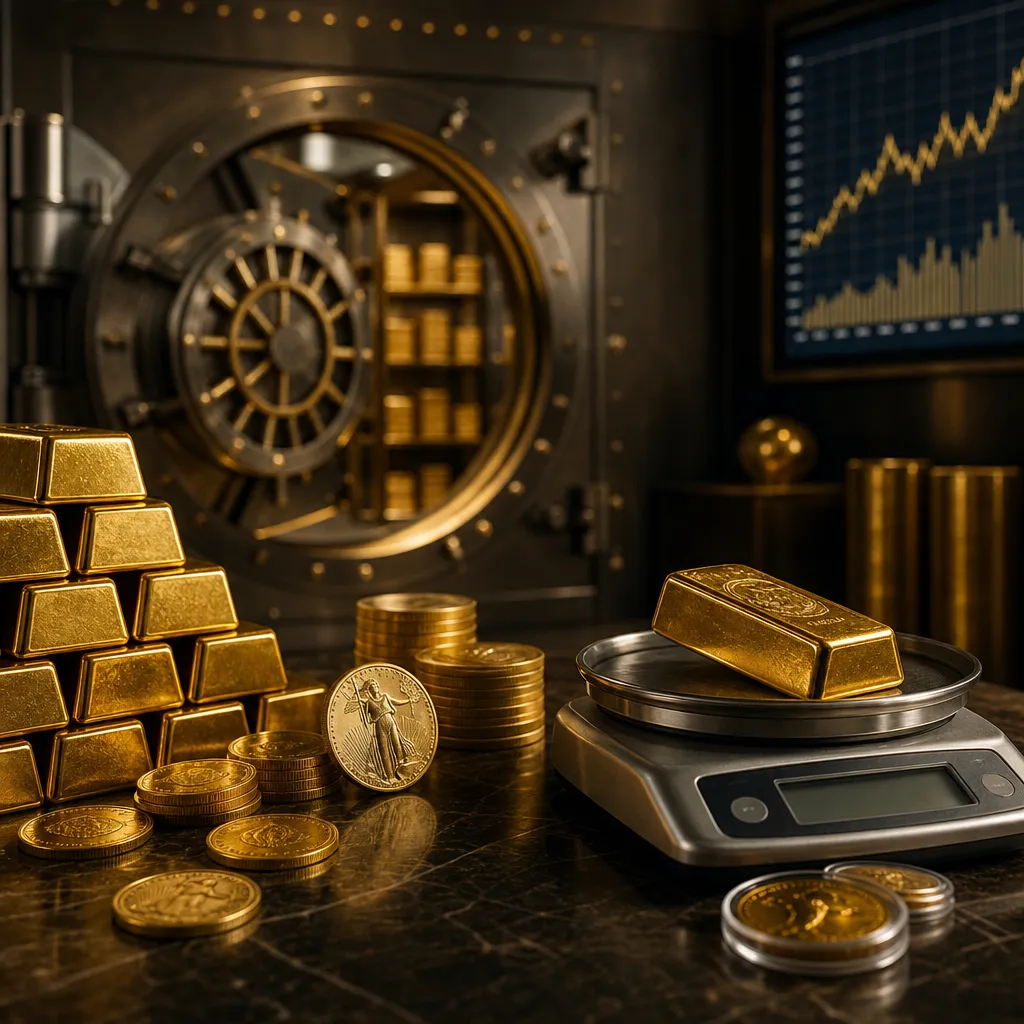
Gold has fascinated civilizations for millennia, serving not only as a symbol of power and beauty but also as an enduring store of value. From ancient kings adorning themselves with ornamental pieces to modern investors seeking a hedge against economic uncertainty, the allure of gold remains unmatched. In a world marked by fluctuating currencies and unpredictable markets, this precious metal continues to shine as a beacon of stability and trust. The following exploration delves into the reasons behind gold’s appeal, the forces shaping its price on the global stage, and the drivers of its persistent demand.
Historical Significance of Gold
Long before paper money and digital transfers, societies recognized the unique attributes of gold. This metal’s rarity, durability and captivating luster made it an ideal medium of exchange and a symbol of wealth. In ancient Egypt, gold was associated with the sun god Ra, embodying immortality and divine authority. The liquidity of gold coins enabled trade routes to flourish across continents, while vast hoards stored by rulers secured their influence and power.
Throughout the centuries, gold’s value remained remarkably stable. Even when empires fell or currencies collapsed, gold preserved purchasing power. During the collapse of the Roman Empire, for instance, debased coinage lost credibility, yet gold bars and solidus coins retained public trust. In the 19th century, the adoption of the gold standard further solidified its reputation, linking national currencies to fixed amounts of gold and fostering international trade under a uniform system.
Despite the eventual abandonment of the gold standard in the 20th century, the memory of gold as a resilient safe haven endures. Governments and central banks around the globe continue to hold substantial reserves, reflecting a collective belief in gold’s ability to protect against currency devaluation and geopolitical turmoil.
World Gold Price Dynamics
The price of gold is determined by a complex interplay of market forces, economic indicators and investor sentiment. Traded on major commodity exchanges like the London Bullion Market Association (LBMA) and the COMEX division of the New York Mercantile Exchange (NYMEX), gold quotes reflect real-time supply and demand. Several key elements influence its value:
- Inflation Expectations: When inflation accelerates, the purchasing power of fiat currencies erodes. Investors turn to gold as a hedge, driving up its price.
- Interest Rates: Lower real interest rates reduce the opportunity cost of holding non-yielding assets such as gold, making it more attractive relative to bonds and savings accounts.
- Currency Movements: A weakening of major currencies like the US dollar often leads to a rise in gold prices, since gold is priced and traded in USD globally.
- Geopolitical Tensions: Conflict or political instability prompts investors to seek the relative safety of gold, increasing demand and pushing prices higher.
- Central Bank Activity: Purchases or sales of gold reserves by central banks can have significant market impact, signaling confidence or caution regarding future economic prospects.
These factors can create pronounced periods of volatility in the world gold price. For example, during the 2008 financial crisis, gold surged from around $800 per ounce to over $1,000 within months as markets panicked. More recently, the uncertainty stemming from global trade disputes and pandemic-related stimulus measures has fueled fresh record highs beyond $2,000 an ounce.
Key Drivers of Gold Demand
Understanding why gold remains desirable requires examining both investment motives and practical uses. Demand for gold broadly falls into the following categories:
- Investment Demand: Individuals and institutions purchase gold bars, coins and exchange-traded funds (ETFs) to diversify portfolios, seeking a reliable hedge against inflation and market downturns.
- Central Bank Purchases: In recent years, emerging and developed economies alike have ramped up gold acquisitions to bolster foreign exchange reserves and reduce reliance on the US dollar.
- Jewelry and Luxury Goods: Cultural and aesthetic factors drive significant consumption, particularly in India and China, where gold ornaments are integral to weddings and festivals.
- Industrial and Technological Applications: Electronics, aerospace and medical equipment industries use gold for its excellent conductivity, corrosion resistance and biocompatibility.
Among these, investment and central bank demand wield the greatest influence on prices. In periods of economic expansion, jewelry purchases dominate. Conversely, when uncertainty sets in, portfolio managers and sovereign wealth funds step in, reinforcing gold’s status as a safe haven asset.
Strategies for Investors
For those looking to capitalize on gold’s enduring appeal, several approaches exist:
- Physical Ownership: Buying bullion coins or bars ensures direct access to the metal, though storage and insurance costs must be considered.
- Gold-backed ETFs: Exchange-traded funds offer convenient exposure without the logistical challenges of physical storage.
- Mining Stocks and Funds: Investing in exploration and production companies provides leverage to rising gold prices, but introduces operational and geopolitical risks.
- Derivative Instruments: Futures and options contracts allow sophisticated traders to speculate on price movements or hedge existing positions.
Whichever method one chooses, maintaining an appropriate allocation to gold—often recommended between 5% and 15% of a diversified portfolio—can enhance resilience against market swings and currency devaluation.
Future Outlook for Gold Prices
Looking ahead, several trends are poised to shape the trajectory of the world gold price:
- Monetary Policy Responses: Continued quantitative easing and negative real rates in major economies may support further upside.
- Emerging Market Growth: Rising wealth in Asia and Latin America could amplify jewelry and investment demand.
- Technological Innovation: New applications in green technology and electronics might increase industrial consumption.
- Regulatory Developments: Shifts toward digital currencies by central banks could either complement gold as a diversification tool or challenge its status.
Regardless of the path, gold’s fundamental characteristics—scarcity, physical tangibility and universal acceptance—continue to reinforce its position as the ultimate store of value. As the global economy navigates uncharted waters, gold stands ready to illuminate the way through periods of turbulence and transformation.