The global trade in jewelry crafted from precious metals has long fascinated both investors and fashion enthusiasts. Among these metals, gold continues to stand out for its unique blend of intrinsic value and aesthetic appeal. Yet, consumers often notice that the price of what seems like identical pieces of jewelry can vary dramatically from one country to another. Understanding the multifaceted reasons behind these discrepancies requires a dive into purity standards, taxation, market demand, and more.
Factors Influencing Global Prices
International Spot Rates and Currency Fluctuations
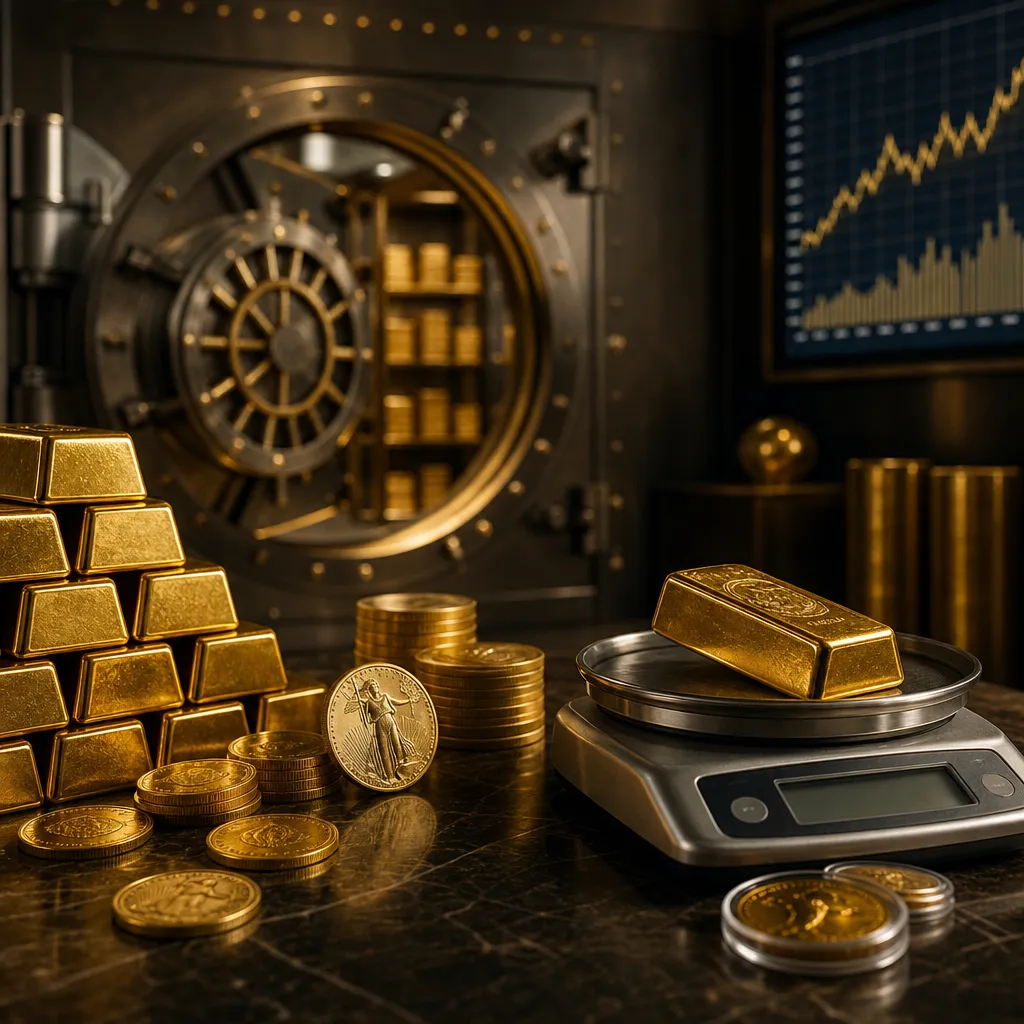
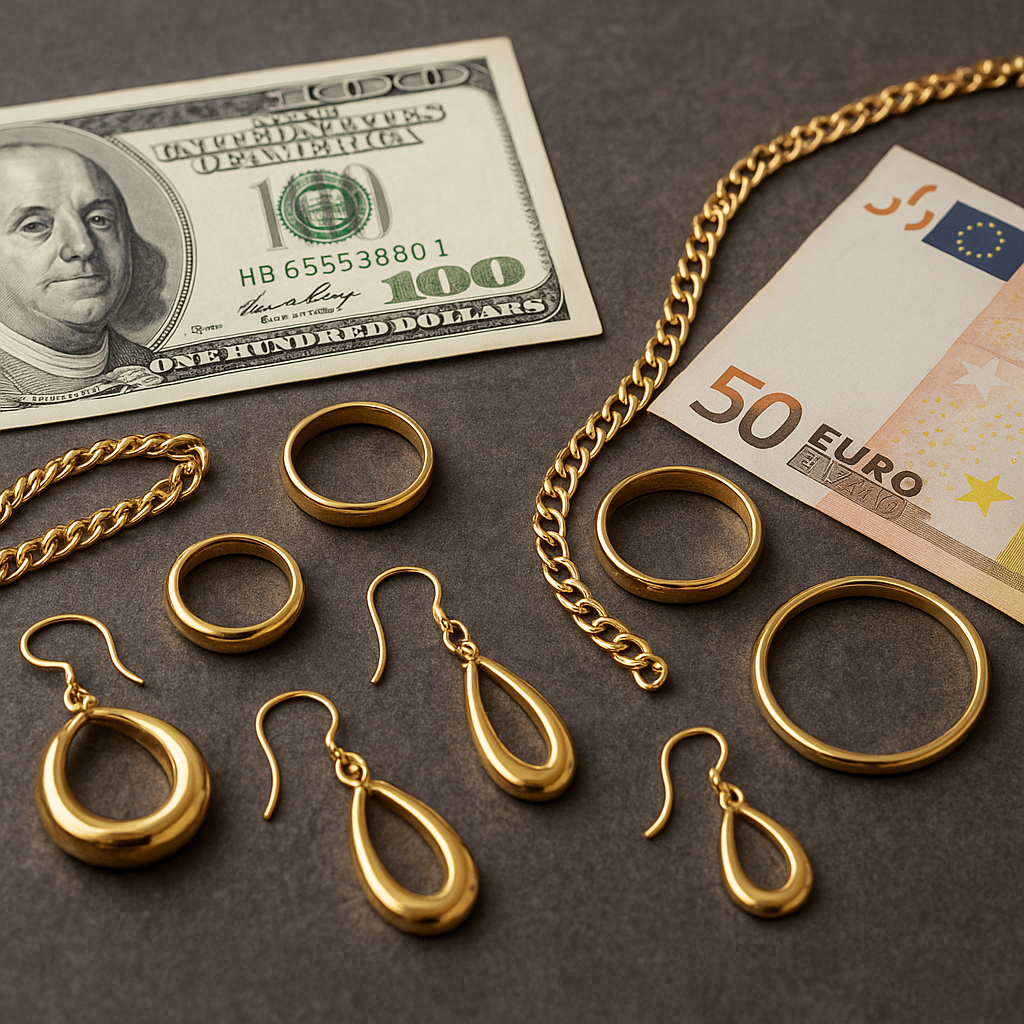
The foundation for any discussion about jewelry costs starts with the international gold spot rate, which reflects the price per troy ounce of pure metal on major exchanges such as the London Bullion Market Association and COMEX. While spot rates are quoted in major currencies like the US dollar or euro, local buyers pay in their national currency. Hence, abrupt changes in exchange currencies can make gold jewelry significantly more expensive or cheaper overnight. This volatility is often driven by foreign exchange reserves, central bank policies, and speculative trading.
Purity Standards and Hallmarking Practices
Not all gold jewelry is created equal. The term “karat” denotes the proportion of gold in the alloy: 24K being pure gold, while 18K or 14K contain additional metals for increased durability and color variation. Different countries enforce distinct hallmarking regulations to certify purity. In regions with strict enforcement, consumers pay a premium knowing the declared karat is accurate. Conversely, in areas with lax oversight, uncertified alloys can undercut prices but carry higher risks of misrepresentation.
Cost of Raw Materials and Refining
The efficiency of local gold refineries and the quality of raw materials directly affect production costs. Advanced refineries that utilize modern refining techniques, such as electrowinning and acid refining, tend to yield higher purity with minimal waste. However, they face steep capital and energy costs. In contrast, smaller or artisanal refineries may charge less for their services but produce lower-grade gold, impacting the final jewelry price due to potential reprocessing or quality control measures.
Impact of Local Market Dynamics
Taxation, Duties, and Tariffs
One of the most significant contributors to price variance is the local tax regime. Import duties on precious metals can range from nearly zero in free-trade zones to upwards of 15–20 percent in protectionist economies. Many nations impose value-added tax (VAT) or goods and services tax (GST) on jewelry, sometimes calculated on both material cost and craftsmanship. In addition, luxury taxes may target high-end jewelry with elevated total weights or gemstones, further widening the price gap between countries.
Labor Costs and Craftsmanship
Handcrafted designs command higher prices, especially in regions with a reputation for exceptional workmanship. The cost of skilled labor varies widely: European ateliers may charge premium rates for intricate filigree and engraving, whereas manufacturers in parts of Asia or Africa can offer competitive pricing due to lower wage structures. The complexity of design, time investment, and the local availability of artisans all feed into the final retail price.
Distribution Channels and Retail Markup
After production, jewelry moves through supply chains that include wholesalers, distributors, and retailers. In some markets, large chains benefit from economies of scale, negotiating lower wholesale prices and passing savings to customers. Conversely, independent boutiques with limited inventory often maintain high markups to cover fixed overhead, such as high-rent shopping districts or elaborate showrooms. Additionally, online platforms introduce a new dynamic: lower overhead but potential shipping and insurance costs that can still inflate the final purchase price.
Role of Macroeconomic and Geopolitical Elements
Global Supply and Demand Balances
At the macro level, fluctuations in supply and demand have a profound impact. Major gold-producing countries like China, Australia, and Russia control substantial mine output. Any disruption—strikes, natural disasters, regulatory changes—can tighten global supply and push prices upward. Meanwhile, demand spikes during festival seasons, political uncertainty, or inflationary periods spur central banks and private investors to acquire greater quantities of physical gold and jewelry, creating upward pressure on prices.
Geopolitical Risk and Safe-Haven Investment
Gold’s role as a safe-haven asset during times of geopolitical tension is well documented. Heightened risk in certain regions can drive local buyers to accumulate gold jewelry as both investment and portable wealth. As a result, domestic demand surges, causing local premiums over the international spot rate. In some emerging markets, where access to banking is limited, gold jewelry doubles as a convenient store of value.
Monetary Policy and Interest Rates
Central bank policies influence the opportunity cost of holding non-yielding assets like gold. Low interest rate environments make gold more attractive compared to bonds or savings accounts. This dynamic amplifies import volumes for jewelry, boosting local premiums. Conversely, when rates rise, investors may shift towards interest-bearing instruments, tempering gold demand and moderating price escalation.
Conclusion
Discrepancies in gold jewelry prices across the globe arise from a complex interplay of factors. From the foundation laid by international spot rates and tariffs to the nuanced effects of local craftsmanship costs, each stage of production and distribution adds a unique premium. Layered atop macroeconomic variables—such as currency volatility, supply disruptions, and shifting investment patterns—the landscape becomes a mosaic of forces shaping what consumers ultimately pay. Understanding these dynamics empowers buyers to make informed decisions, whether they seek timeless adornment or a tangible asset to hedge against future uncertainty.