The global gold landscape is shaped not only by shifting economic forces but also by the intricate framework of authenticity and quality controls that underpin every ounce traded. From the historical origins of validation to modern technological advances, the roles of hallmark inspection and stringent purity benchmarks profoundly influence the world gold price. Understanding these mechanisms empowers consumers, investors, and policymakers to navigate a complex arena where trust and transparency determine value.
Origins and Significance of Gold Hallmarks
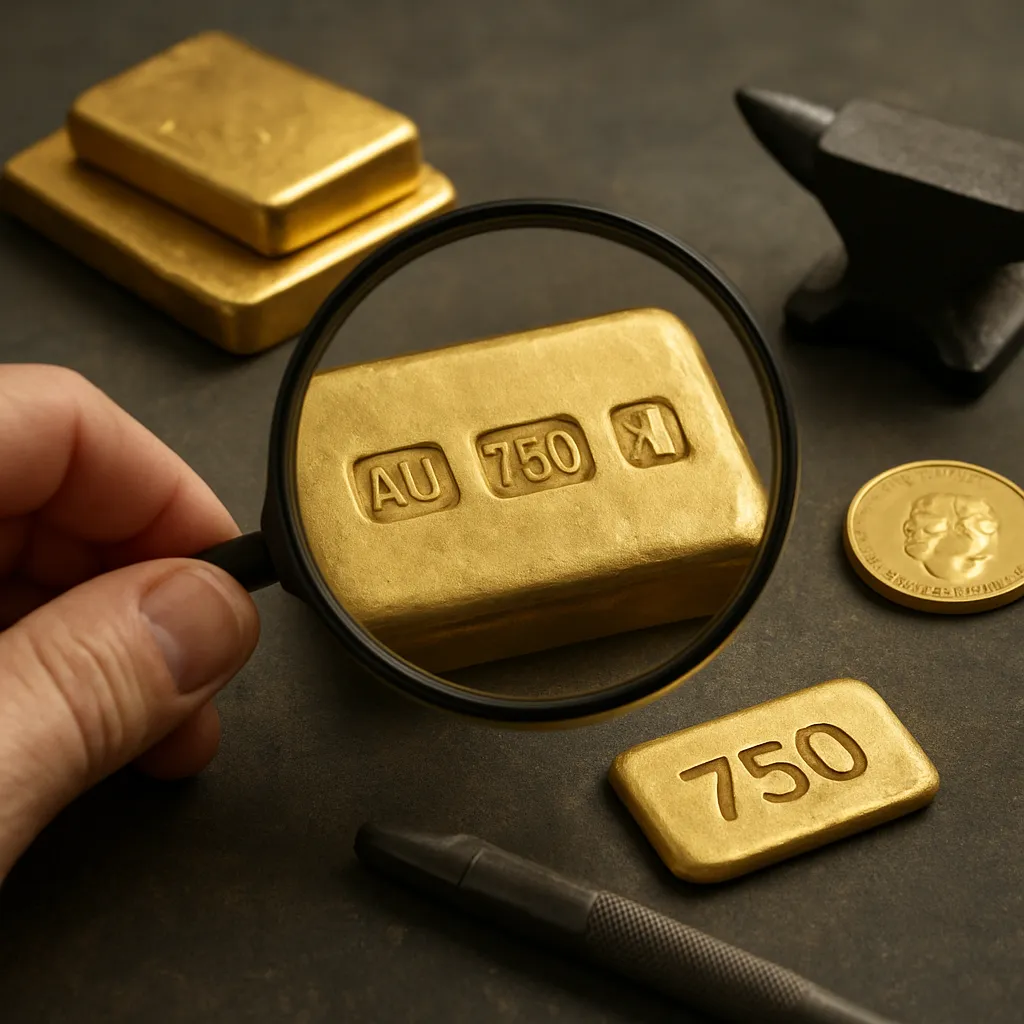
Gold hallmarking dates back centuries, initially as a sovereign guarantee that protected monarchs’ treasuries. Over time, hallmarking evolved into a universally respected method to certify an item’s gold content and origin. Today, assay offices in major financial centers such as London, Zurich, and Hong Kong examine precious metal articles for compliance with statutory standards. A certified assay mark ensures that buyers receive exactly what they pay for, preventing unscrupulous practices like alloy dilution or counterfeit stamping.
Key Functions of Hallmark Systems
- Authentication: Confirms the genuine nature of the metal.
- Quality Assurance: Verifies the declared fineness of gold pieces.
- Consumer Protection: Shields end-users from substandard or fake materials.
- Traceability: Links every bar or coin to its place of assay and mint.
Purity Standards and Karat Classifications
The concept of purity in gold trading hinges on the measure of fine gold relative to other metals in an alloy. Purity is typically expressed through the karat system or millesimal fineness, each reflecting the proportion of pure gold per 24 parts or per 1,000 parts respectively. Common purity grades include:
- 24K (999–999.9 fineness): Nearly 100% pure gold, preferred for bullion and reserves.
- 22K (916 fineness): Standard in many jewelry markets, balancing malleability and strength.
- 18K (750 fineness): High-end jewelry grade, prized for color richness.
- 14K (585 fineness): Robust choice for everyday wearable designs.
Spot prices quoted on bullion exchanges reflect 24K valuations. Lower-purity items trade at discounts proportional to their fine gold content. This direct relationship underscores why precise hallmarking and purity declarations are critical for accurate market valuation.
Global Drivers of the World Gold Price
While hallmarking and purity establish baseline quality, the actual price per ounce swings under the influence of broader economic variables. Gold’s reputation as a hedge against inflation amplifies demand when fiat currencies weaken. Simultaneously, low or negative real interest rates diminish the opportunity cost of holding non-yielding bullion. Key factors include:
- Geopolitical Tensions: Political uncertainty often triggers safe-haven flows.
- Central Bank Purchases: Central banks actively adjust their reserves, affecting global demand.
- Mining Output and Recycling: Variations in supply from mines and scrap gold recycling.
- Exchange-Traded Funds: Gold-backed ETFs influence physical demand and liquidity.
These drivers interact continually with hallmark and purity frameworks. Investors insist on volatility mitigation through secure, certified assets, pushing premium prices for hallmark-assured products even during bullish cycles.
Technological Innovations in Assaying and Tracking
Advancements in spectrometry and non-destructive testing have revolutionized how assay offices confirm metal content. Techniques such as X-ray fluorescence (XRF) and laser-induced breakdown spectroscopy (LIBS) deliver rapid, precise analyses without harming specimens. Beyond lab equipment, blockchain platforms are emerging to record every assay event, forging immutable chains of custody for bars and coins. Such innovations enhance transparency, allowing buyers to verify hallmark origins and purity readings via digital ledgers.
Benefits of Cutting-Edge Tools
- Speed: Immediate readings accelerate minting and trading processes.
- Accuracy: Microscopic precision reduces margin of error in fineness measurement.
- Security: Digital seals and QR codes linked to blockchain records prevent tampering.
Investment Considerations and Premium Structures
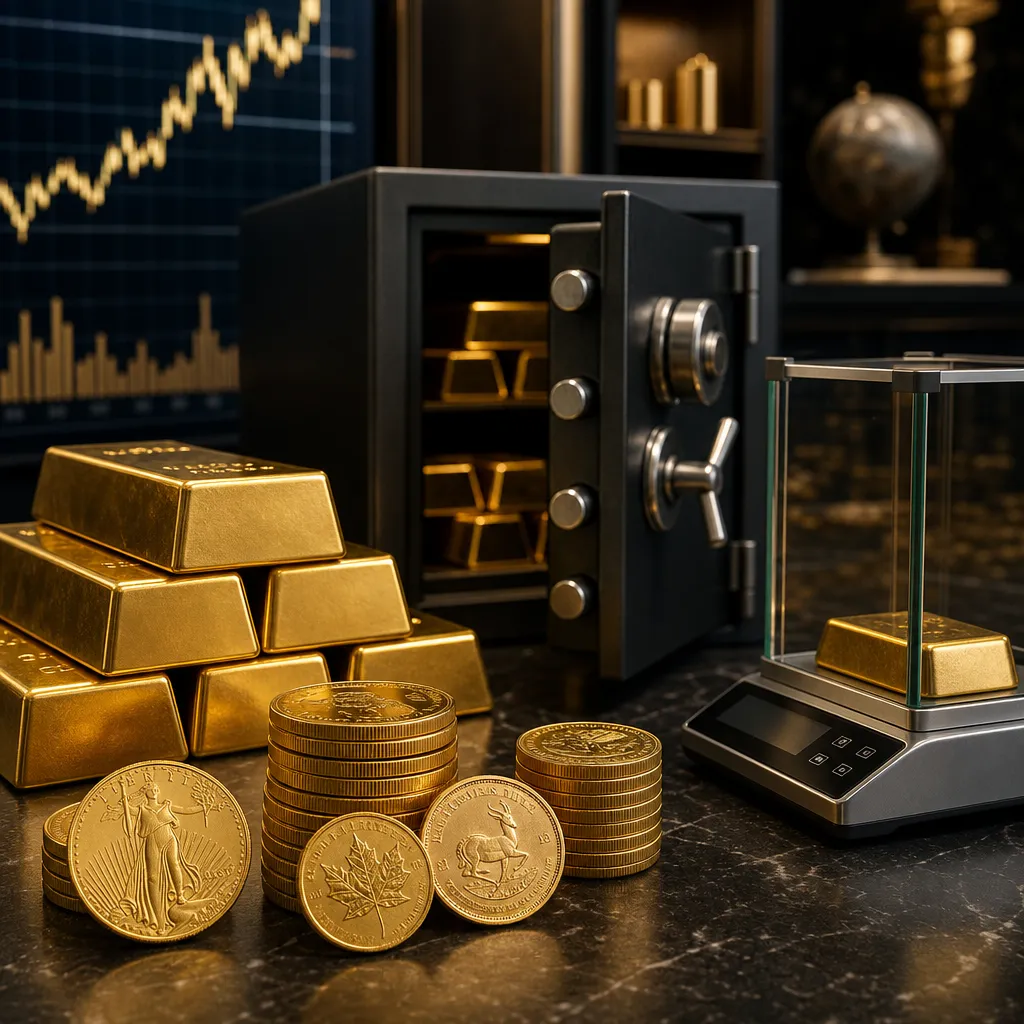
Gold investors must weigh the balance between purchase premiums and resale liquidity. Hallmarked bullion typically carries a modest premium above spot price due to assay fees and brand reputation. However, the guaranteed quality and ease of resale often offset additional costs. When selecting bars, coins, or jewelry for investment purposes, factors to evaluate include:
- Assay Office Reputation: Recognized institutions offer smoother secondary market transactions.
- Bar vs. Coin Form: Coins may command collectible value but often at higher premiums.
- Purity Grade: Higher fineness yields less discount at exit, aligning closer to spot price.
- Storage and Logistics: Certified vaulting services enhance security but incur fees.
Strategies for Optimal Entry and Exit
Seasoned investors often stagger purchases to capitalize on dips and hedge against sudden price spikes. When liquidating, presenting fully hallmarked items to reputable dealers or auction houses ensures faster settlement and minimal markdowns. In markets with stringent hallmarking laws, such as the European Union or the United Kingdom, standardized labels expedite cross-border trades.
Regulatory Landscape and Consumer Rights
Each jurisdiction imposes unique hallmarking regulations to protect consumers and maintain fair trade. While some countries mandate assay office marks on all gold articles, others permit manufacturer self-certification under strict audits. Regulatory bodies enforce penalties for non-compliance, deterring unscrupulous practices that could erode trust in the precious metals sector. Travelers, collectors, and investors benefit from understanding these rules to ensure lawful import, export, and taxation of gold items.
Major Hallmarking Authorities
- London Assay Office (UK)
- Swiss Assay Offices (e.g., Zurich, Geneva)
- International Precious Metals Institute (IPMI)
- National Measurement Institutes (e.g., NIST in the USA)
Ultimately, the intersection of heralded hallmark tradition with advanced purity certification reinforces gold’s enduring status as a reliable store of value. By appreciating the mechanics behind every mark and fineness figure, market participants can navigate price fluctuations with greater confidence, ensuring that their physical gold holdings remain a cornerstone of diversified portfolios.