Over the last hundred years, the relentless ascent of gold has stood as a remarkable testament to its enduring value. From the turbulent aftermath of world conflicts to the era of floating exchange rates, investors and policymakers have consistently turned to this precious metal as a reliable store of wealth. The interplay between global inflationary pressures, shifting geopolitical landscapes, and evolving monetary policy frameworks has propelled gold to outperform nearly every major currency in circulation. The following exploration delves into the multifaceted dynamics that have driven the world gold price upward, offering insights into the forces that underpin gold’s storied legacy and hint at its future trajectory.
Historical Trajectory of Gold versus Fiat Currencies
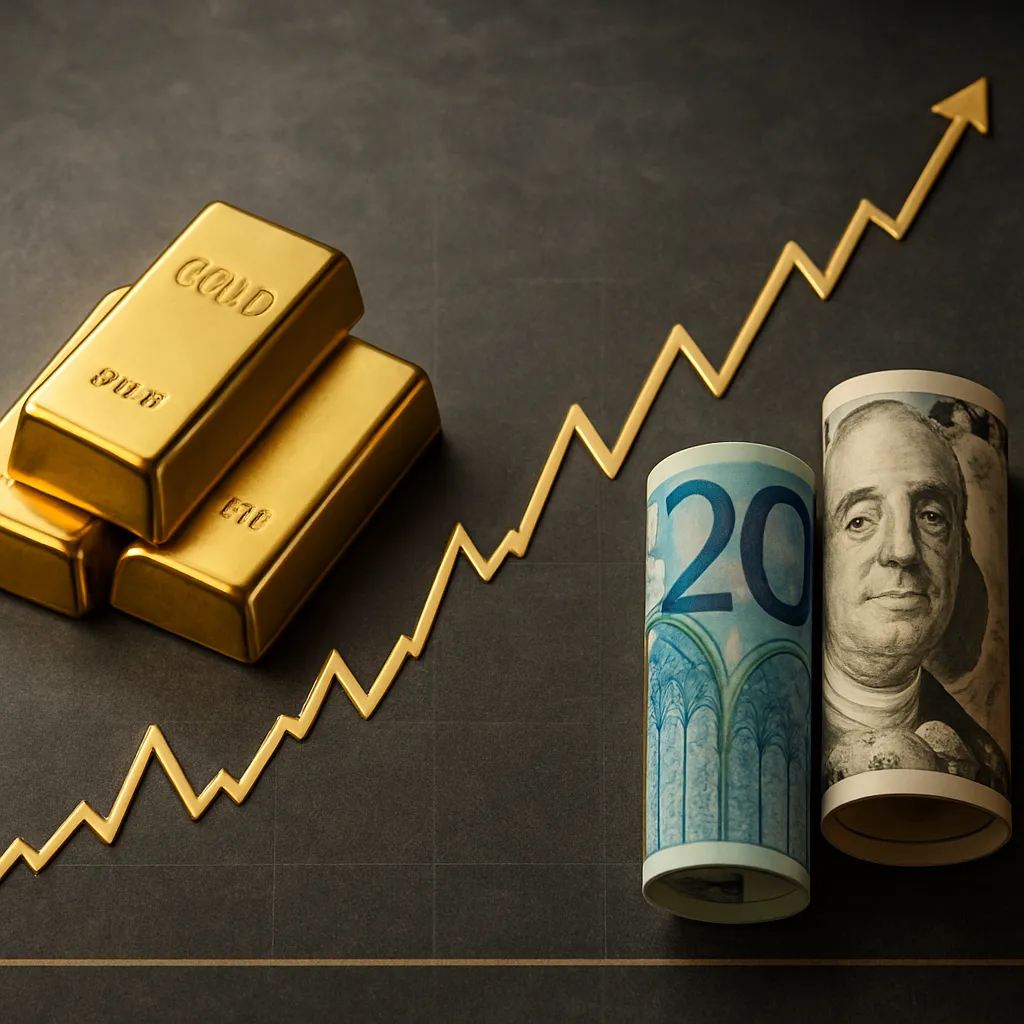
During the early twentieth century, the predominance of the gold standard anchored many economies to a fixed price per ounce, limiting currency fluctuations but also constraining central banks’ ability to respond to crises. When the system began to unravel in the 1930s and was permanently abandoned in 1971, prices of gold were allowed to float freely, revealing its true market value. Since that pivotal shift, the price per troy ounce has surged from approximately $35 to well over $1,800, marking an increase of more than 5,000%. By contrast, leading fiat currencies such as the US dollar, euro, and yen have suffered gradual erosion against broad baskets due to persistent monetary expansion.
The post–Bretton Woods era witnessed periods of explosive gold rallies punctuated by extended consolidations. For instance, the oil shocks of the 1970s and the inflationary spike of the early 1980s sent prices soaring beyond $800. Decades later, the 2008 financial crisis ignited renewed interest in safe assets, triggering a climb from below $700 to a peak above $1,900. Across these cycles, gold’s performance eclipsed that of major currencies, which were repeatedly devalued to stimulate growth. This century-long pattern highlights gold’s unique role as a hedge against currency debasement and systemic risk.
Charting gold’s real return—adjusted for consumer price index movements—underscores its resilience. While occasional drawdowns occurred, especially in bull runs across stock and property markets, gold provided positive real returns over most rolling 10-, 20-, and 30-year horizons. Traditional safe-haven assets, including government bonds and cash, struggled to keep pace once inflation was accounted for. Consequently, prudent portfolio managers increasingly allocated a portion of assets to gold, acknowledging its exceptional track record relative to fiat alternatives.
Key Economic Forces Shaping Gold Prices
A confluence of factors underlies gold’s persistent strength. Chief among these is the interplay of supply and demand within the physical market. Annual mine production has grown only marginally, rising at a compound rate of around 1.5%, while recycling bolsters supply irregularly. On the other hand, demand from central banks, investors, and even industrial users has climbed steadily. Central bank purchases have become a dominant driver, with many institutions seeking to diversify reserves away from the dollar and euro.
Inflationary expectations and real interest rates exert profound influence on gold’s appeal. When real yields on government securities turn negative, the opportunity cost of holding non-yielding gold diminishes, making the metal more attractive. In contrast, periods of rising real rates often coincide with softening gold prices. Yet even in bouts of monetary tightening, geopolitical uncertainty can override rate effects, propelling investors back to the metal. Over the past decade, unprecedented quantitative easing programs across major economies have depressed yields, underpinning elevated gold valuations.
Geopolitical tensions and currency wars also play pivotal roles. Episodes such as Brexit, trade disputes, and regional conflicts have spurred intermittent rushes into gold, as participants seek refuge from volatile currency swings. The prospect of currency devaluations, capital controls, and sovereign debt crises adds to gold’s insurance appeal. To illustrate, institutional buyers often increase exposures when sovereign creditworthiness erodes, preferring an asset unencumbered by counterparty or political risk.
Investment demand, both from retail and professional spheres, remains a cornerstone of the global gold price mechanism. Vehicles such as exchange-traded funds (ETFs) have democratized access, allowing small investors to obtain bullion-like exposure without physical storage hassles. At the same time, high-net-worth individuals and family offices continue to acquire bars, coins, and allocated accounts. Together, these groups contribute to a broad base of robust demand, offsetting limited growth in mine output and making the supply/demand balance a perpetual bullish catalyst.
Implications for Investors and Institutions
In portfolio construction, gold often serves as both a diversification tool and a hedge against extreme tail risks. Modern portfolio theory underscores its low or negative correlation with equities and bonds, particularly during market drawdowns. Consequently, even modest allocations—typically ranging from 5% to 15%—can enhance risk-adjusted returns and reduce drawdown magnitudes. Institutions such as sovereign wealth funds and pension plans have progressively recognized these benefits, incrementally adding to their gold holdings over recent years.
For central banks, gold functions as a strategic reserve asset. Beyond diversification, it conveys credibility, signaling commitment to sound reserve management. Countries with large gold reserves often command stronger borrowing terms and enjoy greater fiscal flexibility. Indeed, in times of dire fiscal stress, central banks can leverage gold via swap lines or outright sales, providing liquidity when traditional channels falter. This dynamic further cements gold’s stature as an indispensable element of public sector portfolios.
Retail investors must navigate specific considerations. Physical ownership entails storage, insurance, and liquidity trade-offs. While local bullion dealers offer tangible possession, premium costs can be significant. Conversely, paper-based instruments deliver convenience but introduce counterparty exposure. The decision between allocated vs. unallocated accounts, sovereign-guaranteed bars vs. privately minted coins, and spot vs. futures contracts requires careful evaluation of personal objectives, risk tolerance, and time horizons.
- Liquidity Profile: Physical gold may face broader bid-ask spreads than ETFs or futures.
- Cost Structures: Storage fees, insurance premiums, and dealer mark-ups impact net returns.
- Tax Considerations: Capital gains and VAT treatment vary by jurisdiction and holding form.
- Risk Management: Leveraged instruments introduce margin risk and potential forced selling.
- Currency Exposure: Gold prices often quoted in dollars, affecting local currency returns.
Looking Ahead: The Future of Gold in the Global Monetary System
As central banks continue to grapple with unprecedented debt levels and the specter of persistent inflation, gold is poised to retain its luster. Technological innovations in mining and refining may modestly expand supply, but environmental and regulatory constraints will likely cap rapid production growth. On the demand side, emerging markets, particularly in Asia, are witnessing rising middle-class wealth and cultural affinity for physical gold ownership, sustaining strong consumption trends.
Potential scenarios that could drive the next leg higher include escalated geopolitical fragmentation, renewed currency conflicts, and unconventional monetary strategies such as helicopter money. Each of these outcomes would elevate gold’s role as a safe-haven and crisis hedge. Simultaneously, digital assets and central bank digital currencies (CBDCs) could reshape payment networks, but are unlikely to dethrone gold’s intrinsic value or its function as an ultimate benchmark of monetary sovereignty.
Moreover, the evolving stance of key central banks toward gold accumulation may further tighten the supply/demand equilibrium. If major supranational institutions signal increased allocations—mirroring recent trends among emerging market peers—liquid global inventories could dwindle, amplifying price sensitivity to marginal shifts in demand. The interplay between traditional reserve management and innovative financial products will define gold’s path, but its centuries-long legacy suggests that its foundational role in preserving purchasing power remains unchallenged.
In summary, gold’s extraordinary performance relative to fiat currencies over the past century reflects its unique blend of scarcity, fungibility, and insurance value against volatility. Whether viewed through the lens of historical evidence or future scenarios, the metal stands ready to play a critical role in diversified portfolios and sovereign reserves alike, maintaining its status as the ultimate refuge when confidence in paper money falters.