The interconnection between foreign exchange markets and the global gold market is a dynamic force that profoundly impacts both investors and national economies. By examining how shifts in currency values influence the price of gold, one can gain insight into broader economic trends, investor sentiment, and the mechanisms by which central banks and speculators react to changing conditions. In this article, we explore the major factors that drive the relationship between exchange rates and gold prices, highlighting regional variations, case studies, and the implications for future market behavior.
Exchange Rate Dynamics and Gold Valuation
At its core, the price of gold is determined by the interplay between supply and demand in a multitude of currencies. Since gold is traded primarily in US dollars, fluctuations in the dollar’s value have a direct impact on gold prices denominated in other currencies. When the dollar weakens, gold becomes cheaper for holders of other currencies, often resulting in a surge in global demand and a subsequent rise in the dollar-denominated gold price. Conversely, a strengthening dollar can dampen demand abroad, exerting downward pressure on gold prices.
Currency Strength and Purchasing Power
- Appreciation of the revenue currency: A strong dollar reduces the cost of gold for international buyers, prompting increased demand.
- Depreciation of emerging market currencies: When local currencies fall, investors often turn to gold as a hedge against inflation and capital flight.
- Arbitrage opportunities: Traders exploit price differentials between markets, aligning gold prices across regions through currency conversions.
The Role of Interest Rates and Carry Trades
Interest rate differentials influence currency valuations and can indirectly affect the gold market. Higher interest rates in the US attract yield-seeking capital, strengthening the dollar. This can make non-yielding assets such as gold less attractive. Conversely, when rates fall, the opportunity cost of holding gold diminishes, often leading to a rally. Carry trade strategies—borrowing in low-rate currencies to invest in higher-yielding assets—can also swing capital flows and impact gold valuations across borders.
Regional Variations in Gold Pricing
While the dollar-centric gold price provides a global benchmark, local market conditions and currency movements create regional price disparities. Understanding these variations is crucial for investors seeking arbitrage profits or for central banks managing reserves.
Europe and the Euro
The euro’s performance against the dollar influences European gold demand and pricing. A weakening euro boosts the local price of gold, encouraging jewelry demand and retail investment. Conversely, a strong euro may curb retail purchases but can spur institutional buyers looking to diversify reserves.
Asia and the Renminbi
China’s gradual internationalization of the yuan has led to the development of a yuan-denominated gold fixing. Fluctuations in the renminbi can alter local gold prices and influence cross-border flows into Hong Kong and Shanghai markets. India, the world’s largest gold consumer, prices most gold imports in dollars but sells domestically in rupees. A depreciating rupee increases the rupee price of gold, dampening demand among price-sensitive consumers.
Emerging Markets and Local Currencies
In countries with volatile currencies—such as Turkey, South Africa, and Argentina—gold often serves as a store of value. Sharp currency devaluations can trigger spikes in local gold prices, reflecting heightened demand for capital protection. Local regulatory measures, import duties, and tax incentives further shape regional price dynamics.
Case Studies: Currency Shocks and Gold Surges
Examining specific episodes of currency turbulence highlights the resilience of gold as an asset and underscores the mechanisms by which exchange rate changes transmit into gold markets.
Turkey’s Lira Crisis (2018–2020)
The precipitous decline of the Turkish lira against the dollar led to a dramatic rise in the local gold price. As inflation soared, many Turkish investors turned to gold jewelry and bars as a means of preserving purchasing power. Central Bank interventions and regulatory measures—such as restrictions on gold lending—added complexity, but the overarching trend was clear: a collapsing currency fueled robust gold demand.
Argentine Peso and Inflation Shield
Argentina’s chronic high inflation and periodic peso devaluations have made gold an essential component of wealth preservation. Local gold prices in pesos often outpace official exchange rate adjustments, reflecting a parallel black-market rate that more accurately captures purchasing power. As the peso weakens, Argentines increase gold purchases, sometimes exceeding global averages on a per capita basis.
China’s Yuan Flexibility
With the introduction of a yuan-denominated gold benchmark and a series of controlled currency pivots, Chinese authorities have influenced domestic and international gold flows. When the People’s Bank of China allowed the yuan to weaken, gold imports surged, feeding demand in Shenzhen and Shanghai. Conversely, periods of yuan strength saw a reallocation of investment into equities and bonds, tempering gold’s appeal.
Implications for Investors and Policymakers
Recognizing the symbiotic relationship between exchange rates and gold prices is essential for crafting effective investment strategies and monetary policies.
- Portfolio diversification: Investors can mitigate currency risk by including gold as a non-correlated asset, especially in multi-currency portfolios.
- Central bank reserves: Policymakers may adjust gold holdings to counterbalance foreign exchange interventions and stabilize national reserves.
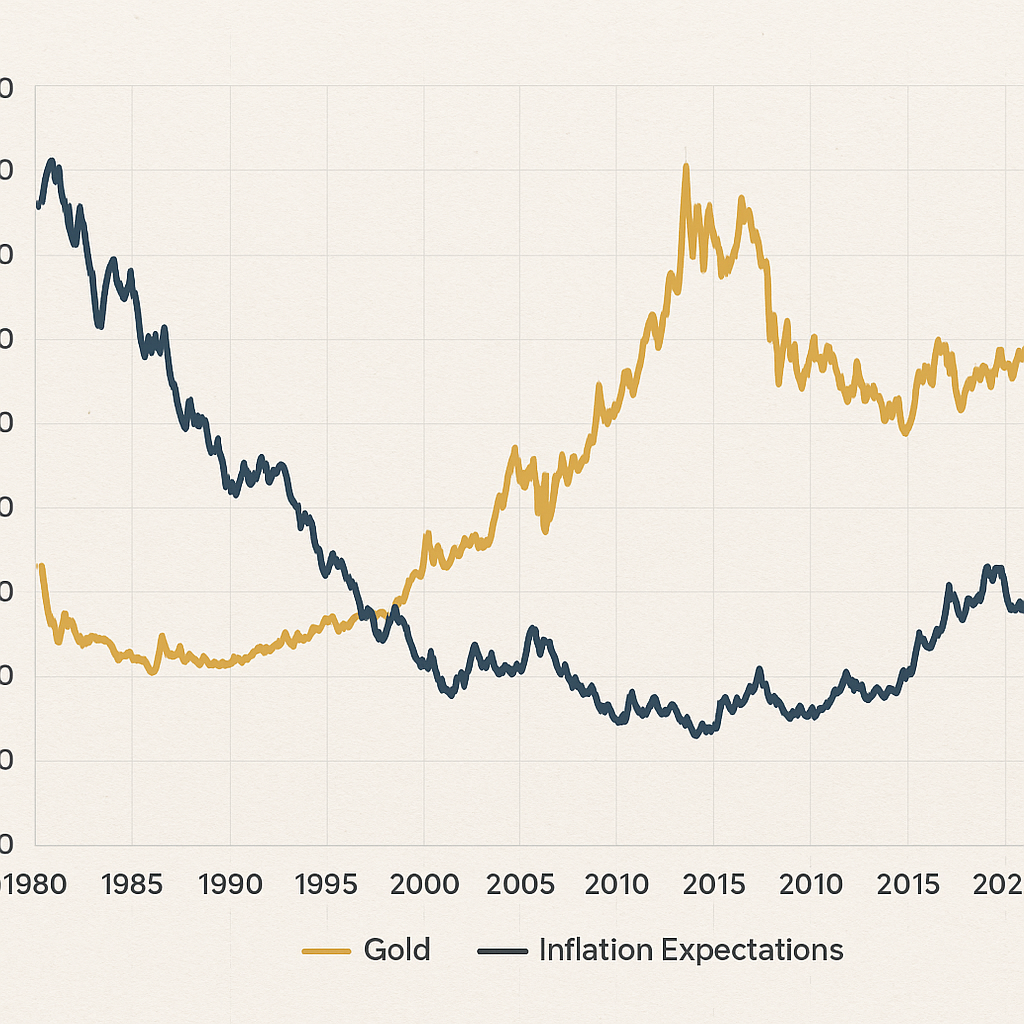
- Inflation expectations: Monitoring currency devaluation trends can offer early signals for potential gold price movements, guiding tactical asset allocation.
- Hedging strategies: Corporations exposed to foreign currency liabilities can use gold derivatives to hedge exchange rate volatility.
Future Outlook
Looking ahead, the interplay between digital currencies, evolving monetary policies, and geopolitical tensions will continue to shape gold’s role in global finance. The advent of central bank digital currencies (CBDCs) may alter currency liquidity dynamics, while ongoing dollar strength or fragility will determine gold’s performance in various regions. For investors and authorities alike, staying attuned to exchange rate trajectories is key to unlocking the potential of gold as both a strategic asset and a monetary anchor.