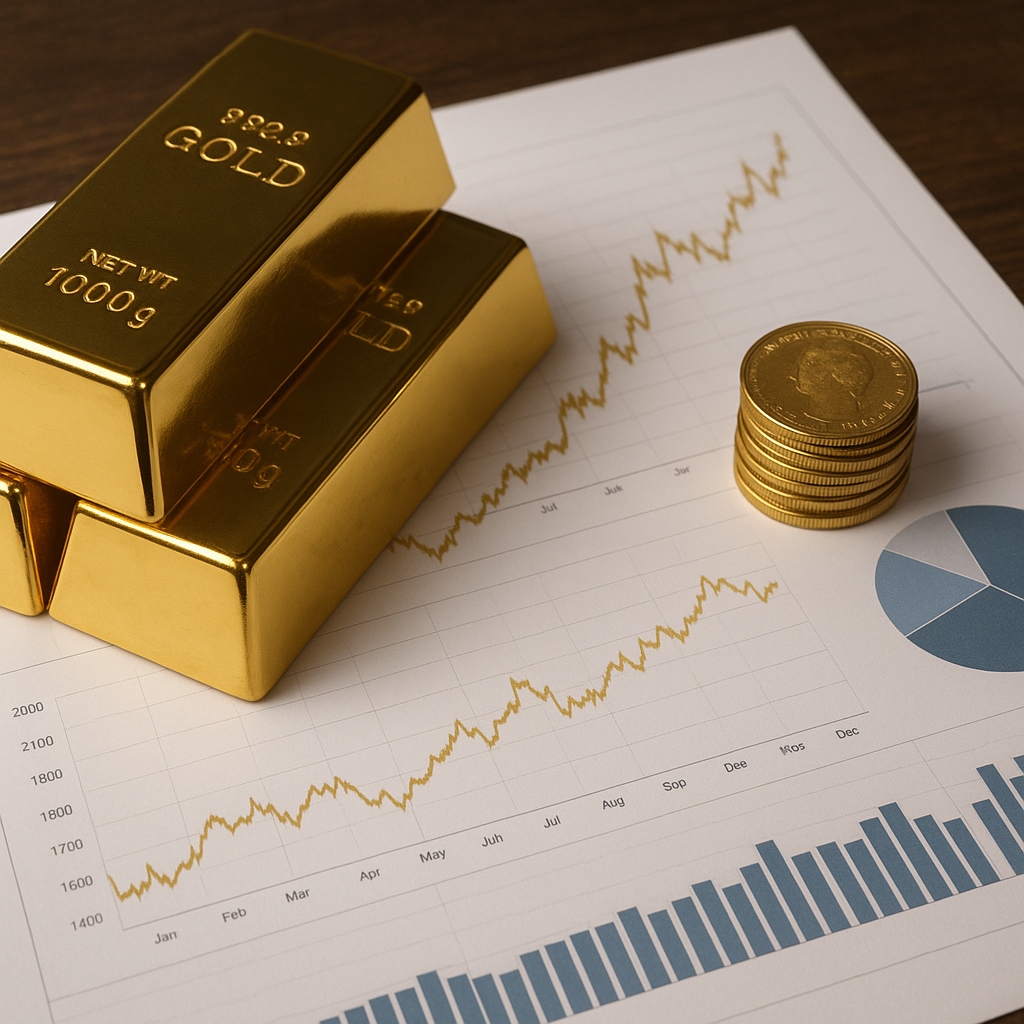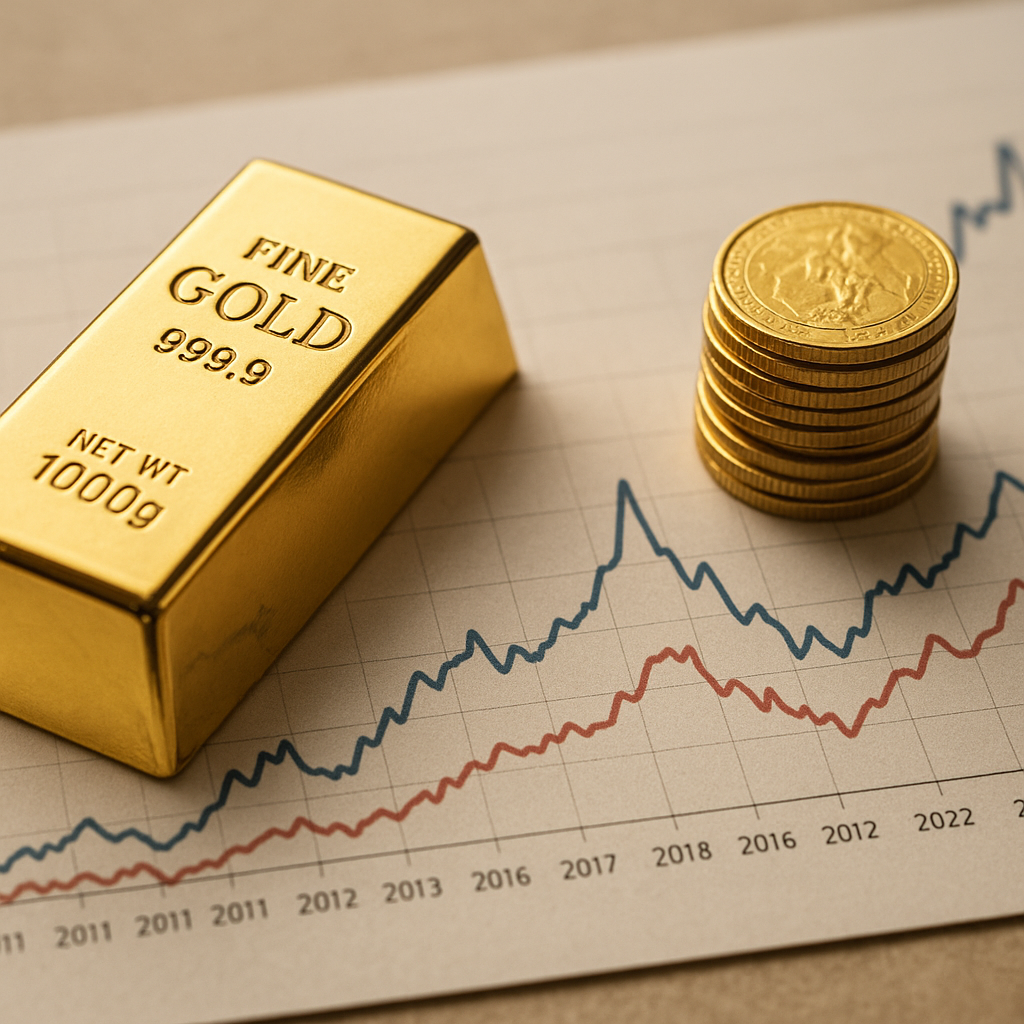
Gold has long held its status as a refuge for capital seeking safety against currency devaluation and economic disturbances. When the global flow of newly mined gold is interrupted, it can provoke a swift and sometimes dramatic response in world gold prices. Supply shortages, whether driven by natural calamities, logistical hurdles, or policy changes, can act as a powerful catalyst for price rallies. This article delves into the mechanisms by which these shortages influence the precious metal’s valuation, outlines real-world examples of such disruptions, and explores the broader implications for markets and investors.
Understanding the Dynamics of Gold Supply Shortages
The availability of gold on world markets depends fundamentally on two pillars: mining production and existing reserves entering circulation. When either pillar experiences a constraint, the inherent scarcity of gold becomes more pronounced, sending ripples through global pricing mechanisms.
Key factors causing supply shortages:
- Supply chain breakdowns: Transportation delays, port closures, and shortages of processing equipment can stall deliveries from mines to refineries.
- Labor disruptions: Strikes, health crises, or migration restrictions can reduce the workforce at major mining sites.
- Regulatory shifts: Sudden changes in mining permits, environmental guidelines, or export tariffs can choke off output.
- Geological incidents: Underground collapses, water inflows, or ore grade declines may force temporary or permanent mine shutdowns.
When these disruptions converge, they amplify each other. A logistical jam in one country might coincide with an environmental protest in another, compounding the overall shortage. Traders and investors scan these signals, ready to bid prices upward in anticipation of tightened availability.
How Shortages Translate into Price Rallies
The connection between constrained supply and rising gold prices is underpinned by basic economic principles of demand and supply. However, the gold market also incorporates unique psychological and structural factors:
- Safe-haven appeal: Gold’s reputation as a store of value gains prominence when other assets appear riskier.
- Futures market positioning: Fund managers and hedge funds may build leveraged positions to profit from anticipated price swings.
- Central bank policies: Additional purchases by central banks can intensify competition for limited physical gold.
- Currency fluctuations: A weakening of major currencies like the dollar often strengthens demand for gold as an alternate reserve.
When supply constraints emerge, these drivers magnify each other. Decreased mine output triggers immediate price increases, which then spur speculative buying. Such momentum can create a feedback loop, where rising prices encourage further accumulation, pushing the metal into a rapid rally phase.
Global Case Studies of Supply-Induced Rallies
South African Labor Strike, 2014
In early 2014, a prolonged labor strike in South Africa’s gold belt disrupted over 20% of the country’s annual production. As one of the world’s top five producers, South Africa’s slowdown immediately tightened the global balance. Between January and April 2014, gold futures climbed more than 10%, driven by concerns over extended outages.
Pandemic-Driven Mine Closures, 2020
The COVID-19 outbreak prompted governments to impose lockdowns, forcing mines in major producing regions—Australia, Canada, and Russia—to halt operations. Combined with heightened demand from investors seeking a hedge, gold surged from around $1,500 per ounce in March to over $2,000 per ounce by August. This rally highlighted how simultaneous supply and demand shocks can accelerate price moves.
Geopolitical Tensions in Central Asia, 2022
Political instability in Kyrgyzstan led to temporary shutdowns at large-scale mines, including significant losses in ore processing capacity. Though the direct output reduction was modest, the geopolitical risk premium caused futures traders to bid up prices, sparking a mid-year rally of nearly 8% on world exchanges.
Implications for Markets and Economies
Supply shortages in gold have ramifications beyond the commodity itself. Heightened volatility can spill over into currency markets, bond yields, and equities. For emerging economies that rely on gold exports, mineral policy becomes a tool of economic stability—or instability—depending on how sovereign authorities respond to supply shocks.
Regulators and policymakers may enact the following measures to address or leverage shortages:
- Strategic reserves adjustment: Selling from government-held gold stocks to stabilize domestic prices.
- Incentives for local refining: Encouraging onshore processing to reduce dependence on foreign facilities.
- Trade agreements: Negotiating cross-border partnerships to ensure steady import and export flows.
- Environmental safeguards: Balancing sustainability with the need for uninterrupted production.
While some governments use gold reserves to smoothen price spikes, others may tighten controls on private holdings, inadvertently exacerbating market anxieties and fueling further rallies.
Strategies for Investors in the Face of Shortages
Understanding the relationship between supply shocks and gold price movements is crucial for crafting resilient investment strategies. Key approaches include:
- Physical allocation: Holding a portion of one’s portfolio in bullion or coins to directly benefit from scarcity-driven price increases.
- Derivative instruments: Using futures and options to gain leveraged exposure while managing risk through hedging.
- Mining equities: Investing in companies poised to benefit from tight supply conditions, though this carries operational risk.
- Diversification: Combining gold with other commodities and defensive assets to mitigate portfolio drawdowns.
Active monitoring of global mine output reports, logistical bulletins, and geopolitical developments can provide early warning signals. By staying attuned to changes in the supply landscape, market participants can position themselves before shortages fully materialize.
Key takeaway: Supply shortages often serve as a powerful spark for gold price rallies, driven by the interplay of physical scarcity, investor psychology, and structural market forces. Those able to navigate these dynamics stand to capitalize on gold’s enduring role as a bulwark against uncertainty.