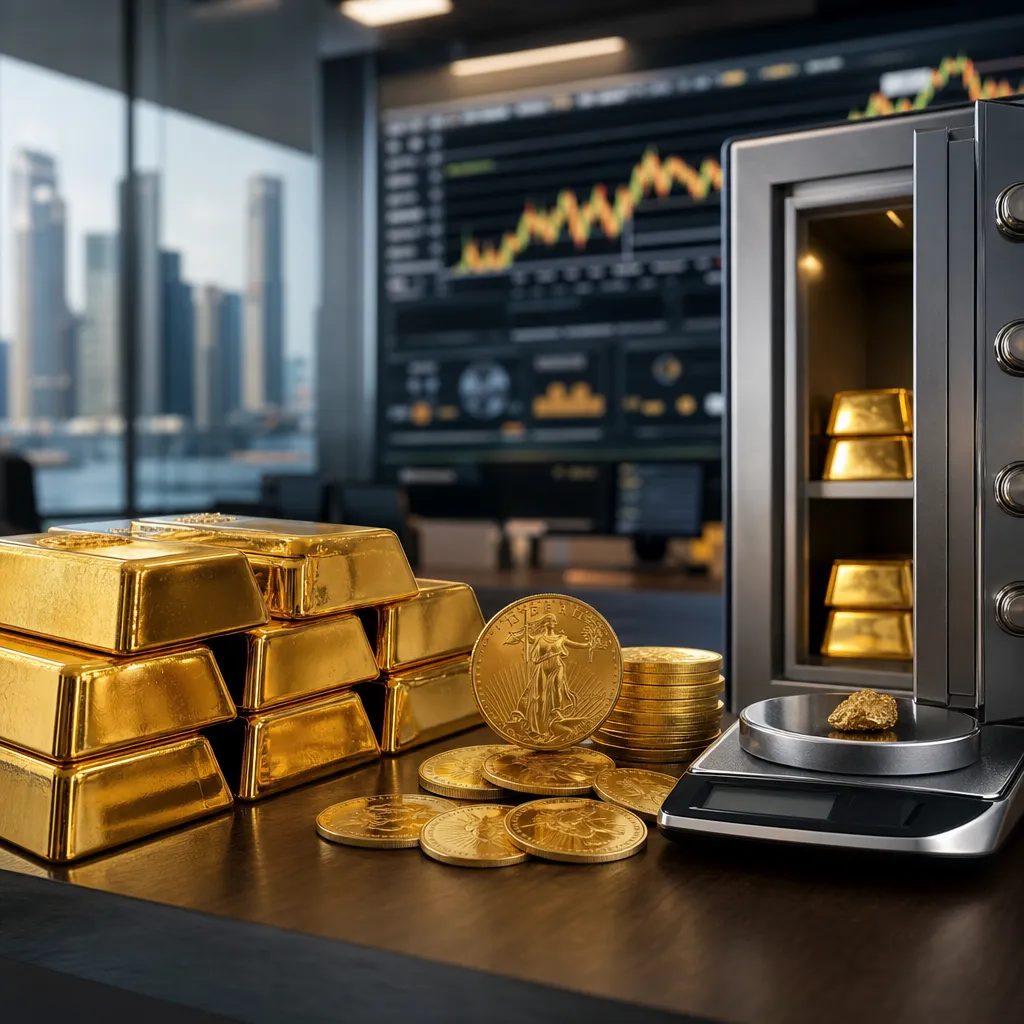
Throughout history, the gleam of precious metal has captured the imagination of civilizations, serving as a symbol of enduring value and a reliable store of wealth. As global economies encounter cycles of expansion and contraction, investors consistently turn their attention to gold to safeguard assets against uncertainty. This article examines how global price dynamics shape the role of gold in preserving generational prosperity and explores practical strategies for incorporating this timeless asset into a diversified financial plan.
Market Dynamics and Price Drivers
The trajectory of the world gold price is driven by a complex interplay of economic indicators, geopolitical events, and shifts in supply and demand. Understanding these factors offers critical insight into why gold often outperforms other investments during times of stress.
Supply Constraints and Mining Output
Global mining operations produce roughly 3,000 metric tonnes of gold annually, but new discoveries have slowed due to the depletion of easily accessible reserves. Regulatory hurdles and environmental concerns further exacerbate supply constraints, adding upward pressure on prices. Central banks also play a key role, with several emerging-market nations increasing their official gold reserves to diversify away from fiat currencies.
- Mining costs rise as ore grades decline, making extraction more expensive.
- Recycling of jewelry and electronics supplies around 1,200 tonnes yearly.
- State-owned and private refineries refine bullion for both investment and industrial use.
Demand-Side Influences
Jewelry remains the largest component of physical demand, especially in Asia. Investment vehicles—such as ETFs, futures contracts, and digital gold platforms—have broadened access for retail and institutional participants. Notably, central bank purchases and sovereign wealth funds often serve as catalysts for sharp price movements.
- ETF holdings climbed significantly after the last major market downturn.
- Emerging-market consumers favor gold as a cultural hedge against currency volatility.
- Technological applications in electronics and medicine maintain a baseline demand.
Gold as a Hedge Against Inflation
Inflationary pressures erode purchasing power, rendering conventional cash holdings less reliable over long periods. Gold’s unique characteristics position it as a robust hedge against rising consumer prices and currency devaluation.
Historical Correlation with Price Indices
Empirical studies reveal a positive correlation between gold returns and consumer price inflation, particularly when real interest rates fall below zero. During periods of aggressive monetary expansion—where central banks flood markets with liquidity—the volatility of fiat currencies intensifies, prompting investors to seek refuge in gold.
- 1970s stagflation saw gold jump over 2,000% in real terms.
- The 2008 financial crisis triggered record ETF inflows and price spikes.
- Post-2020 stimulus measures reignited gold’s appeal as an inflationary shield.
Comparative Performance with Other Commodities
While commodities such as oil and agricultural products also react to inflation, they are susceptible to supply chain disruptions and sector-specific risks. Gold offers broader resilience due to its universal acceptance, low counterparty risk, and intrinsic value.
Strategies for Accumulating and Transferring Wealth
Adopting a structured approach to gold ownership can strengthen intergenerational wealth transfer and ensure long-term financial security. Key considerations include the form of gold held, storage solutions, and legal frameworks for inheritance.
Physical vs. Paper Gold
Physical bullion—bars and coins—provides direct ownership with minimal counterparty exposure, but may involve storage and insurance costs. Paper gold instruments, such as futures or exchange-traded products, offer liquidity and lower transaction expenses but introduce counterparty credit risk.
- Bullion stores value reliably but requires secure vaulting and verification.
- Coins carry numismatic premiums influenced by rarity and condition.
- ETFs allow fractional exposure without physical handling.
Custodial and Vaulting Options
Choosing a reputable custodian with audited vault facilities is paramount. Allocated accounts guarantee specific bars are held in the client’s name, whereas unallocated accounts pool holdings, increasing counterparty risk.
- Allocated storage ensures legal title to designated metal.
- Unallocated arrangements operate more like banking deposits.
- Offshore vaults in jurisdictions with favorable trust laws aid privacy and asset protection.
Estate Planning Considerations
Proper documentation and legal structures—such as trusts or gifting strategies—simplify the transition of gold holdings to heirs. Incorporating gold into a will or creating a dedicated metal trust can minimize probate delays and potential tax liabilities.
Case Studies and Future Outlook
Real-world examples illustrate how families and institutions have leveraged gold to maintain purchasing power and pass wealth across generations.
A Family Office Perspective
A multigenerational family office adopted a 15% allocation to gold in its endowment portfolio following the 2008 crisis. Over the subsequent decade, this allocation preserved capital and contributed to overall portfolio stability, particularly during episodes of market turbulence like the COVID-19 selloff.
- Annualized return from gold allocation outpaced cash by 7% in periods of high inflation.
- Volatility-adjusted risk metrics improved when gold was blended with equities and bonds.
Central Bank Diversification
Several emerging-market central banks have increased gold reserves to hedge against U.S. dollar exposure. Their strategy includes purchasing bullion during price dips and rotating out of foreign-denominated fixed-income securities to balance currency risk.
- Reserve diversification reduced sovereign debt refinancing pressures.
- Gold’s uncorrelated returns offered a buffer during forex crises.
Looking Ahead
As digital currencies and novel financial products proliferate, gold remains a cornerstone of asset preservation. The evolving landscape—characterized by negative real yields and mounting public debt—suggests that prudent investors will continue to view gold as an indispensable tool for preservation and growth. Integrating this precious metal into a holistic wealth strategy ensures that future heirs inherit not only the monetary value but also the stability and legacy associated with generations of prudent stewardship.