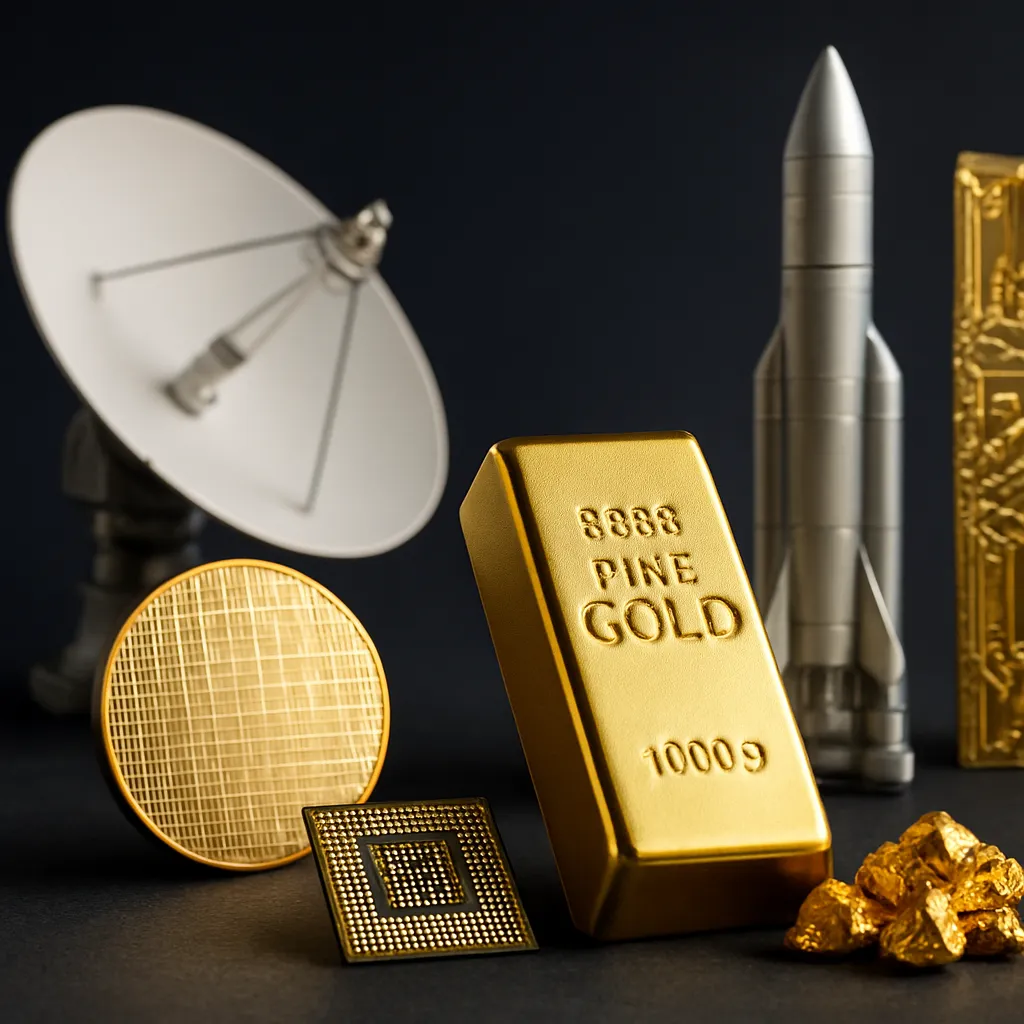
From the gleaming surfaces of spacecraft to the intricate circuits of our smartphones, the utilization of gold extends far beyond mere ornamentation. Its remarkable combination of properties not only influences the world gold price but also drives innovation in the most demanding technological arenas. This article delves into the reasons behind gold’s enduring value, its pivotal role in space exploration, and its transformative impact on high-tech industries.
1. Gold’s Unique Physical and Chemical Advantages
The appeal of gold begins with its rare physical and chemical characteristics, which set it apart from other metals.
1.1 Exceptional Conductivity
- One of gold’s primary advantages is its unparalleled conductivity. Even at microscopic thicknesses, gold provides a stable and efficient pathway for electrical signals, crucial for sensitive devices.
- Compared to silver and copper, gold resists tarnishing, ensuring long-term performance without frequent maintenance.
1.2 Superior Corrosion Resistance
- Unlike many metals that oxidize or corrode, gold remains chemically inert in most environments. This corrosion-proof nature makes it ideal for components exposed to harsh conditions, from deep-space vacuums to corrosive chemicals in laboratories.
- This durability reduces the risk of signal loss and mechanical failure over time, a critical factor for mission-critical applications.
1.3 Malleability and Reliability
- Gold’s remarkable ductility allows it to be drawn into films only a few atoms thick, facilitating innovations in nanoscience and flexible electronics.
- In addition, gold’s stable structure under temperature extremes ensures that devices can operate reliably in both subzero space and high-temperature industrial processes.
2. Satellite and Space Exploration Applications
In the realm of aerospace, where reliability is non-negotiable, gold plays several indispensable roles.
2.1 Thermal Control and Radiation Shielding
- Thin gold-coated films reflect infrared radiation, helping satellites maintain precise temperature ranges in the fluctuating extremes of space.
- By preventing overheating from solar radiation and retaining internal heat, these satellites ensure optimal performance of onboard instruments.
2.2 Electrical Connectors and Circuitry
- Gold-plated connectors guard against oxidation, preserving signal integrity in critical communication and data systems.
- High-frequency radio antennas often employ gold coatings to maximize transmission efficiency to and from Earth.
2.3 Reflective Layers and Optical Systems
- Gold’s high reflectivity in infrared wavelengths is exploited in telescope mirrors and sensor shields, enhancing the clarity and sensitivity of observational instruments.
- Spacecraft windows and camera lenses sometimes incorporate gold films to filter specific spectral bands, aiding in planet and star imaging.
3. High-Tech Industries and Emerging Innovations
Beyond space, gold’s versatility propels breakthroughs across a wide array of cutting-edge sectors.
3.1 Consumer Electronics and Miniaturization
- Smartphones, tablets, and wearable devices rely on gold-plated contacts within microchips to guarantee uninterrupted performance over countless connection cycles.
- The quest for ever-smaller components has driven extensive use of gold in electronics to reduce resistance and improve device longevity.
3.2 Nanotechnology and Biomedical Devices
- Gold nanoparticles serve as precision tools in medical diagnostics, leveraging their unique optical properties for high-sensitivity imaging and targeted drug delivery.
- Researchers exploit gold’s biocompatibility to develop implantable sensors and nanoscale machines capable of performing intricate tasks inside the human body, marking a revolution in nanotechnology and healthcare.
3.3 Green Technologies and Renewable Energy
- Fuel cells and advanced photovoltaic cells often incorporate gold catalysts to accelerate chemical reactions and improve efficiency.
- Gold’s resilience under corrosive electrolyte conditions ensures prolonged operational lifespans for next-generation clean energy systems.
4. World Gold Price Trends and Market Dynamics
Understanding the factors that shape the world gold price is essential for investors, policymakers, and industries that depend on this precious commodity.
4.1 Macroeconomic Drivers
- Periods of economic uncertainty and rising inflation often trigger increased gold purchases as a hedge against currency devaluation.
- Geopolitical tensions, currency fluctuations, and central bank policies collectively influence demand, causing price swings that ripple through the global market.
4.2 Industrial and Technological Demand
- Growth in aerospace projects, telecommunications infrastructure, and high-performance electronics fuels steady industrial demand for gold.
- Innovations in biomedical devices and renewable energy technologies have further expanded gold’s industrial footprint, placing upward pressure on prices.
4.3 Investment Vehicles and Portfolio Allocation
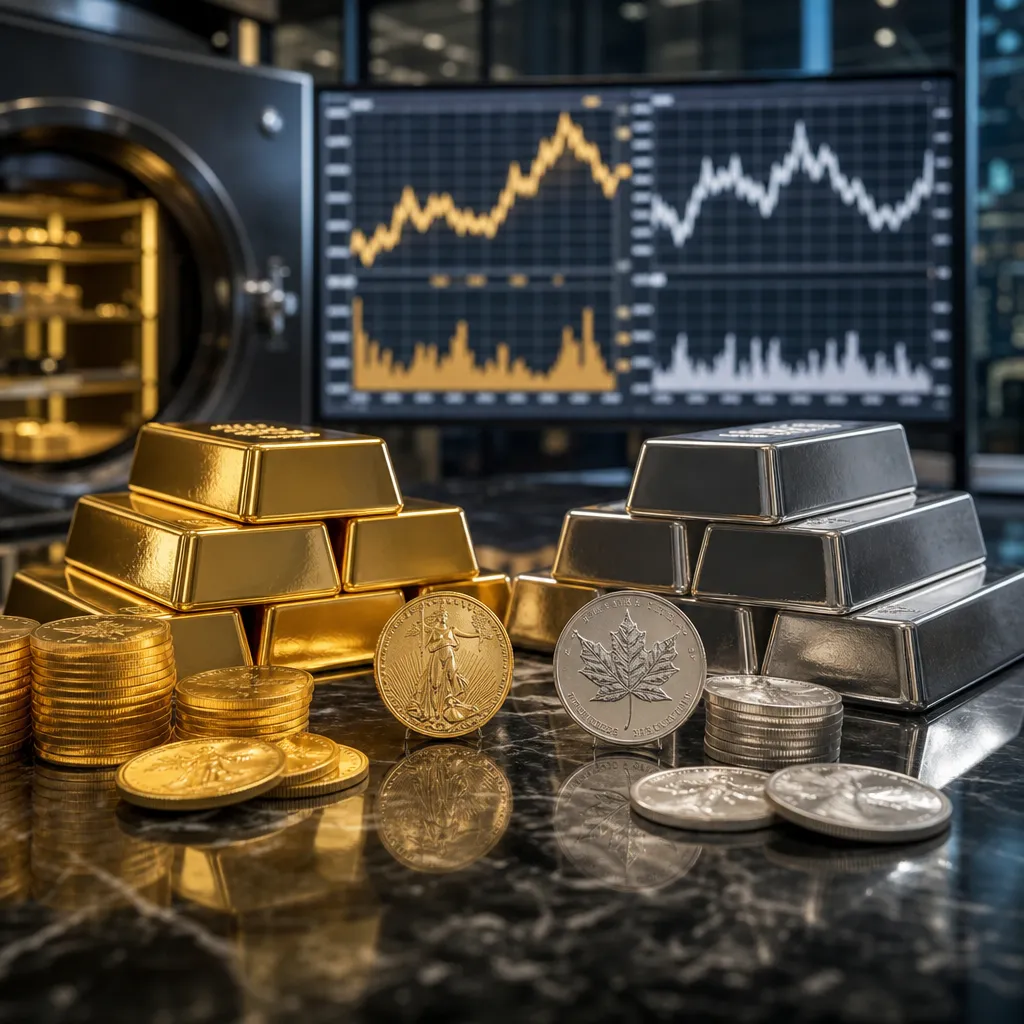
- Exchange-traded funds (ETFs), gold futures, and gold-backed coins offer investors flexible options to gain exposure to price movements without physically holding the metal.
- Institutional investment strategies often allocate a percentage of portfolios to gold as a diversification tool against market volatility.
5. Future Prospects and Strategic Considerations
As humanity ventures further into space and technology continues to accelerate, gold’s significance is poised to grow even more pronounced.
5.1 Sustainable Sourcing and Recycling
- Efforts to improve the ethical and environmental aspects of gold mining have gained momentum, with stricter regulations and greater emphasis on traceability.
- Recycling initiatives recover gold from electronic waste, reducing reliance on newly mined supplies and mitigating environmental impact.
5.2 Advances in Material Science
- Researchers are exploring gold alloys and composites that maintain key properties while reducing overall metal usage and cost.
- Breakthroughs in atomic-scale engineering could unlock new functionalities, such as self-healing circuits and ultra-high-frequency components, further embedding gold at the heart of advanced applications.
5.3 Geopolitical and Economic Shifts
- Emerging economies expanding their aerospace and telecommunications infrastructure will bolster industrial gold demand.
- Global strategic reserves and central bank gold acquisitions will continue to shape supply-demand balances and influence price trajectories.
From the vacuum of space to the microchips powering our daily lives, gold’s unparalleled properties make it an indispensable resource. As industries evolve and new frontiers beckon, this lustrous metal will remain a cornerstone of technological progress and a barometer of economic stability in an ever-changing world.