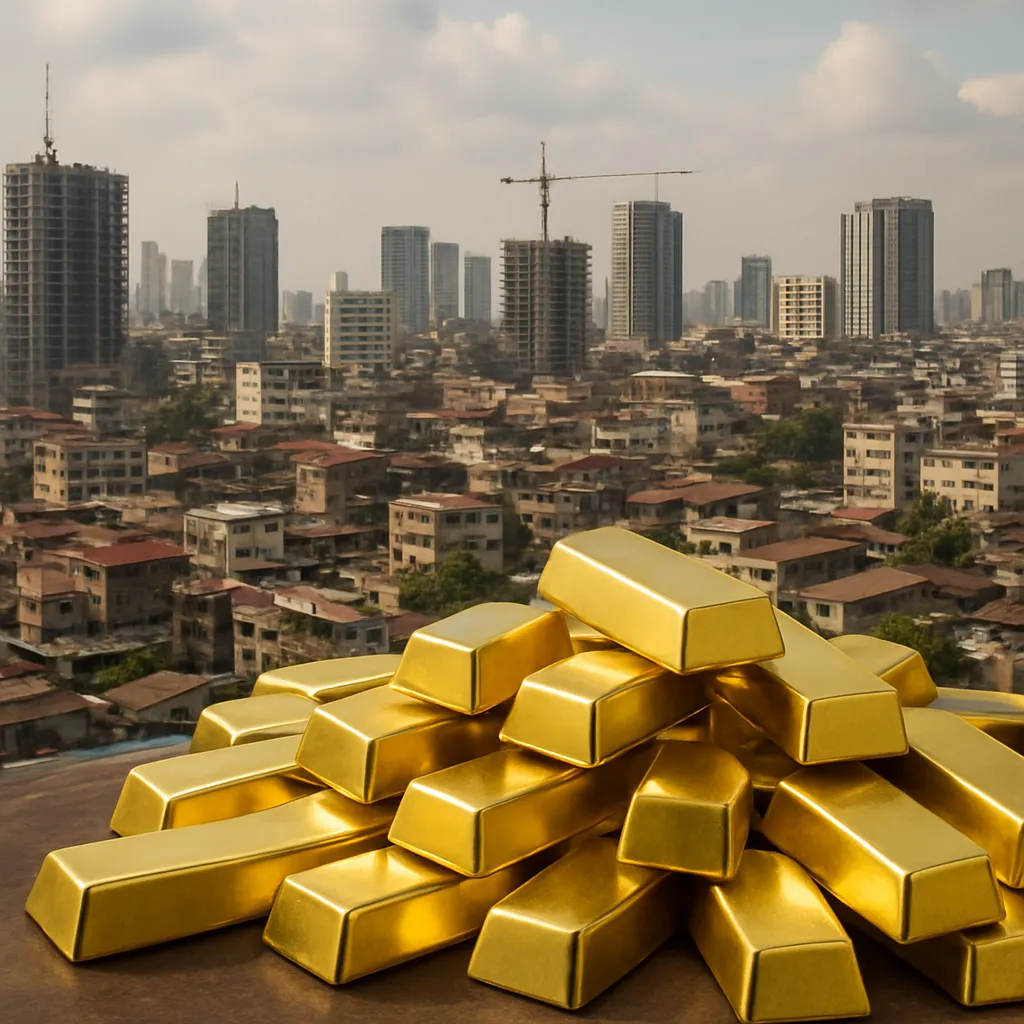
The rapid expansion of cities in many parts of Asia, Africa, and Latin America is reshaping global commodity markets. As more people move from rural areas into urban centers, patterns of consumption, saving, and investment undergo profound transformations. One metal stands out in this evolving landscape: gold. Its cultural significance, monetary history, and intrinsic value make it a magnet for new buyers in developing economies. This article explores how the surge of urbanization in these regions is driving up demand for gold and influencing the world gold price in unexpectedly powerful ways.
Urbanization and Economic Shifts
The shift from agrarian to urban living brings fundamental changes in income levels and spending habits. In rural settings, households often rely on subsistence farming and barter systems. Upon relocating to cities, families find access to formal employment, banking services, and consumer goods. This transition fosters disposable income flows, which in turn fuel purchases of non-essential items—among them, gold jewelry and coins.
Within newly formed city suburbs, the proliferation of shopping districts, retail outlets, and digital marketplaces makes acquiring gold easier than ever. Traditional goldsmiths share space with modern retailers who offer certified bars and investment-grade coins. After years of limited purchasing power, urban dwellers begin to view gold not merely as a cultural ornament but also as a pragmatic store of value. The element of volatility in local currencies further strengthens gold’s appeal. When national fiat money weakens, a chunk of household savings often shifts into tangible assets, with gold at the forefront.
Income Growth and Consumption Patterns
As incomes rise, discretionary spending tends to focus on status symbols. In many cultures, gifting gold during weddings or festivals remains a time-honored tradition. Urbanization accelerates these rituals by amplifying social visibility—higher incomes lead to larger gold purchases during celebrations, which in turn encourage producers to supply more. The compounded effect intensifies demand trajectories over time.
Gold Demand Dynamics in Emerging Cities
While jewelry accounts for a significant portion of gold consumption, investment motives have gained traction among urban residents. Financial education spreads more readily in urban hubs through seminars, media, and peer networks. This awareness of gold as a hedge against inflation and currency devaluation nudges families to diversify savings beyond bank deposits.
Retail Versus Investment Demand
Retail buyers in city markets often split their purchases between ornamental jewelry and bullion products. Jewelry remains a culturally ingrained form of wealth display, whereas bullion—coins and bars—caters to investment-minded consumers. The rising availability of limited-premium, certified bars (e.g., one-gram or five-gram) meets the needs of small-scale investors. This segmentation has driven specialized distribution channels, including mobile apps that allow users to buy fractional gold holdings backed by physical reserves.
- Casual investors diversify portfolios by adding gold to balance equities and bonds.
- High-net-worth individuals allocate a share to bullion to mitigate risks in local stock and real estate markets.
- Urban traders engage in small-scale arbitrage, buying from digital platforms and selling at premium in local shops.
These activities expand the breadth of gold’s appeal beyond traditional households. The combination of ornamental and investment demand creates a compound effect, intensifying pressure on global supplies.
Impact on World Gold Price
The convergence of higher consumption in developing-country cities with established demand from North America, Europe, and East Asia exerts upward pressure on the global price of gold. Gold markets, known for their sensitivity to macroeconomic indicators, respond to changing demand patterns almost immediately. When urban gold consumption rises, especially around culturally significant periods (e.g., Diwali in India or Eid in Pakistan), spot prices often spike.
Supply Constraints and Price Volatility
Mining output has plateaued in several key regions due to resource depletion and stricter environmental regulations. The inability to swiftly scale up supply means that surges in demand—driven by urbanization—translate directly into higher prices. Central banks in emerging markets, observing local consumer trends, sometimes increase their own gold reserves to stabilize national currencies. This action further tightens the supply-demand balance.
International investors track these developments closely. When data indicates stronger-than-expected gold purchases by urban consumers in developing nations, speculative flows enter futures markets. This amplifies short-term volatility, creating feedback loops between physical and paper gold markets. The result is a more dynamic—and sometimes unpredictable—global pricing environment.
Future Outlook and Strategic Implications
Urbanization in developing nations shows no signs of slowing down. United Nations projections estimate that by 2050, nearly two-thirds of the global population will reside in cities. As more inhabitants transition to urban lifestyles, the structural demand for gold will likely increase. Understanding these trends is critical for miners, retailers, central banks, and international investors.
Opportunities for Miners and Refiners
Mining companies can capitalize on this demand by securing long-term offtake agreements with jewelers and bullion producers in emerging markets. Investing in streamlined refining processes and accreditations (e.g., London Bullion Market Association certification) ensures that products meet the exacting standards of both local and international buyers.
Policy Considerations for Central Banks
Central banks may choose to adjust their reserve management strategies in light of shifting consumer behavior. By increasing gold holdings, they can offer a buffer against currency pressures exacerbated by urban credit expansion and rising living costs. Collaborative procurement, possibly through regional development banks, could help stabilize local gold prices and ensure steady supply for domestic markets.
Investor Strategies in a Changing Landscape
Global investors should allocate their portfolios with an eye on emerging-market urbanization trends. Integrating physical gold, gold-backed exchange-traded funds, and shares of mining companies provides diversified exposure. Those who monitor on-the-ground consumption patterns—festival-season demand surges, urban retail sales figures, and import statistics—will gain an informational edge in timing their positions.
The ascent of urban centers in developing nations is rewriting the playbook for gold demand. From jewelry shops on bustling streets to digital platforms offering fractional ownership, the pathways to gold have multiplied. As incomes rise and financial literacy spreads, families turn to gold for security, status, and savings. These intersecting factors shape the global gold market, pushing prices higher and creating new opportunities—and challenges—for all stakeholders involved.