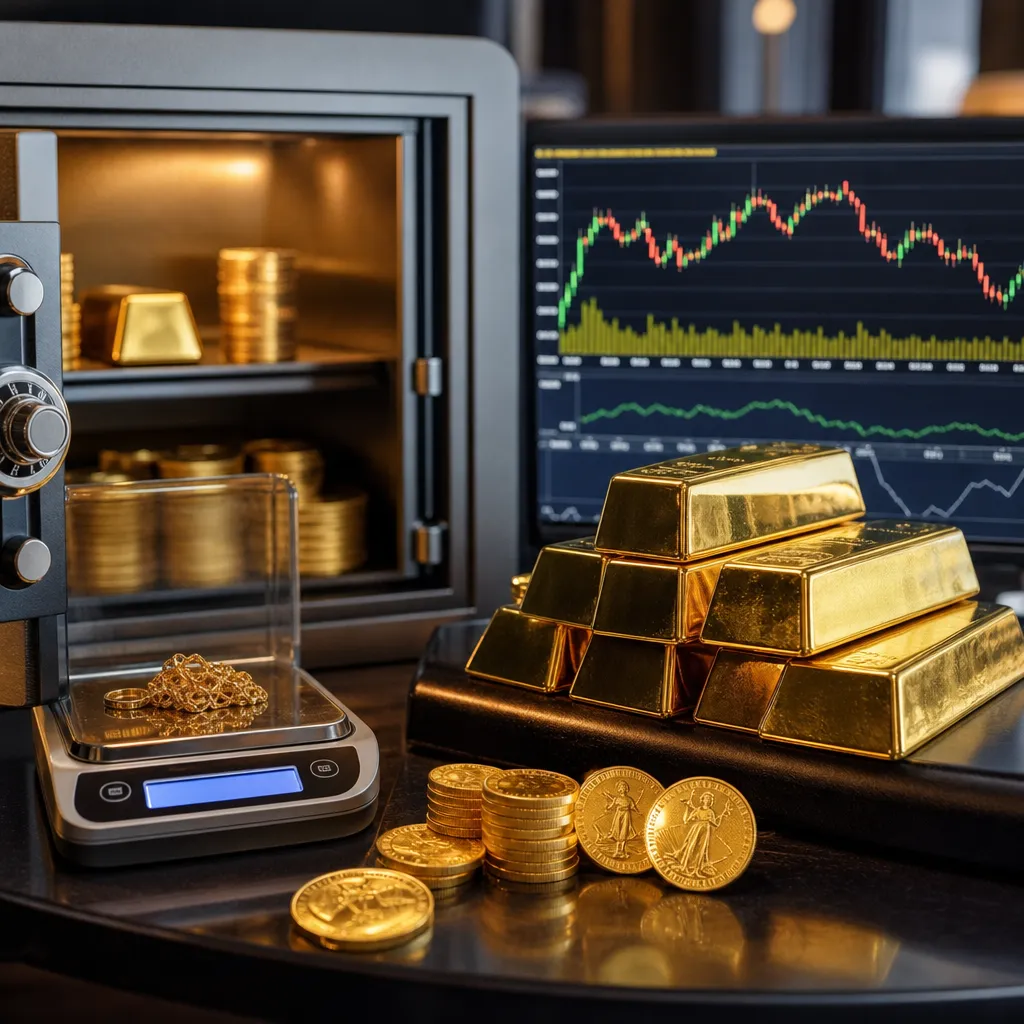
The steady glint of gold has fascinated civilizations for millennia, transcending mere ornamentation to become a symbol of enduring value. From ancient temples to modern vaults, the precious metal stands out in times of uncertainty. This article examines how gold functions as a form of crisis insurance, explores the global factors that shape the world gold price, and outlines strategies investors and policymakers use to manage risk and preserve purchasing power.
Market Dynamics and Global Drivers
The international gold market is a complex tapestry woven from supply considerations, demand patterns, and macroeconomic currents. Key elements influencing price movements include:
- Supply Constraints: Annual gold production hovers around 3,000 metric tons, with major contributions from countries like China, Australia, and Russia. Mining disruptions, regulatory changes, and rising extraction costs all tighten the available stock.
- Demand Trends: Jewelry fabrication, industrial uses, and central bank purchases form the triad of demand. In any given year, central banks can absorb up to 40% of annual supply, underpinning prices when other sectors slow down.
- Currency Fluctuations: A weaker US dollar typically boosts gold prices, as bullion becomes more affordable in other currencies. Conversely, a strong dollar can exert downward pressure.
- Interest Rates and Monetary Policy: Low real yields on bonds make non-yielding gold more attractive. When central banks implement quantitative easing or cut rates, gold often responds with upward momentum.
- Geopolitical Tensions: Regional conflicts, trade wars, and diplomatic standoffs drive demand for safe assets. Spikes in volatility encourage investors to flock to gold as a hedge against potential market dislocations.
As these factors interact, gold’s price exhibits pronounced swings. During episodes of heightened volatility, the yellow metal often outperforms equities, underscoring its role as a market stabilizer.
Historical Perspectives on Safe Haven Status
Across epochs, gold has maintained a reputation as a safe haven. In the aftermath of the 2008 financial crisis, for example, bullion rallied over 25% in a single year. Investors, shaken by plummeting stock indices and collapsing real estate values, sought refuge in tangible assets.
During the 1970s, amid soaring energy prices and double-digit inflation, gold surged from about $35 per ounce under the Bretton Woods system to over $800 by 1980. At that juncture:
- Persistent inflation eroded trust in fiat currencies.
- Oil embargos and geopolitical upheavals heightened uncertainty.
- Central banks began diversifying their reserves away from US Treasuries.
The 21st century has brought fresh chapters to this narrative. The European debt crisis, US-China trade tensions, and global pandemic shocks all triggered gold-buying frenzies. Each time, bullion’s intrinsic scarcity and universal appeal underpinned its ascendancy.
Investment Considerations and Portfolio Strategies
Incorporating gold into an investment portfolio enhances diversification and mitigates systemic risks. Common approaches include:
- Physical Bullion: Coins and bars offer direct ownership. Storage and insurance costs apply, but there is no counterparty risk.
- Exchange-Traded Funds (ETFs): Gold ETFs provide liquidity and convenience. They track spot prices closely, though management fees reduce net returns.
- Mining Stocks and Mutual Funds: Equity exposure can amplify gains when gold rallies but introduces corporate risk and operational uncertainties.
- Gold Futures and Options: Derivatives allow for leveraged positioning. They suit experienced traders and require careful margin management.
Optimal allocation levels vary based on risk tolerance, time horizon, and market outlook. Financial advisors often recommend a 5–15% gold weighting for those seeking balance between growth and preservation. During severe market downturns, this allocation can outperform traditional defensive assets like government bonds.
Role of Central Banks and Policy Implications
In recent decades, central banks have shifted from net sellers to net buyers of gold. Emerging economies such as China, India, and Turkey have increased reserves, viewing bullion as a tool to diversify away from US dollar holdings. This trend reflects broader ambitions:
- Reducing reliance on a single reserve currency.
- Enhancing financial sovereignty during global shocks.
- Projecting economic stability and credibility internationally.
Policy decisions regarding interest rates, quantitative easing, and fiscal stimuli all influence gold demand indirectly. When policymakers prioritize growth over inflation targets, real yields typically fall, and gold becomes more compelling. Conversely, aggressive rate hikes to combat inflation may temper bullion’s appeal in the short term, though long-term structural concerns often rekindle interest in the metal.
Geopolitical Risk Management
Governments and institutions also view gold as an instrument for risk management. Holding reserves in bullion provides a hedge against freezing of cross-border assets or financial sanctions. Unlike digital reserves, physical gold cannot be erased by cyberattacks or policy edicts, reinforcing its status as true insurance during geopolitical upheaval.
Emerging Trends and Future Outlook
Looking forward, several themes may shape the evolution of the gold market:
- Green Mining Technologies: Sustainable extraction methods could reduce environmental impact and stabilize supply.
- Digital Gold Currencies: Blockchain-based gold tokens promise instant settlement and enhanced transparency.
- Climate Change Policies: Stricter regulations may increase costs for major producers, affecting supply dynamics.
- Demographic Shifts: Growing affluence in Asia and Africa may bolster jewelry and investment demand.
As central banks navigate mounting debt loads and investors confront unprecedented monetary stimulus, gold’s dual role as a store of value and crisis responder will remain central. The metal’s enduring allure, combined with evolving market mechanisms, ensures that its price will continue to reflect the collective sentiment toward risk, stability, and wealth preservation.