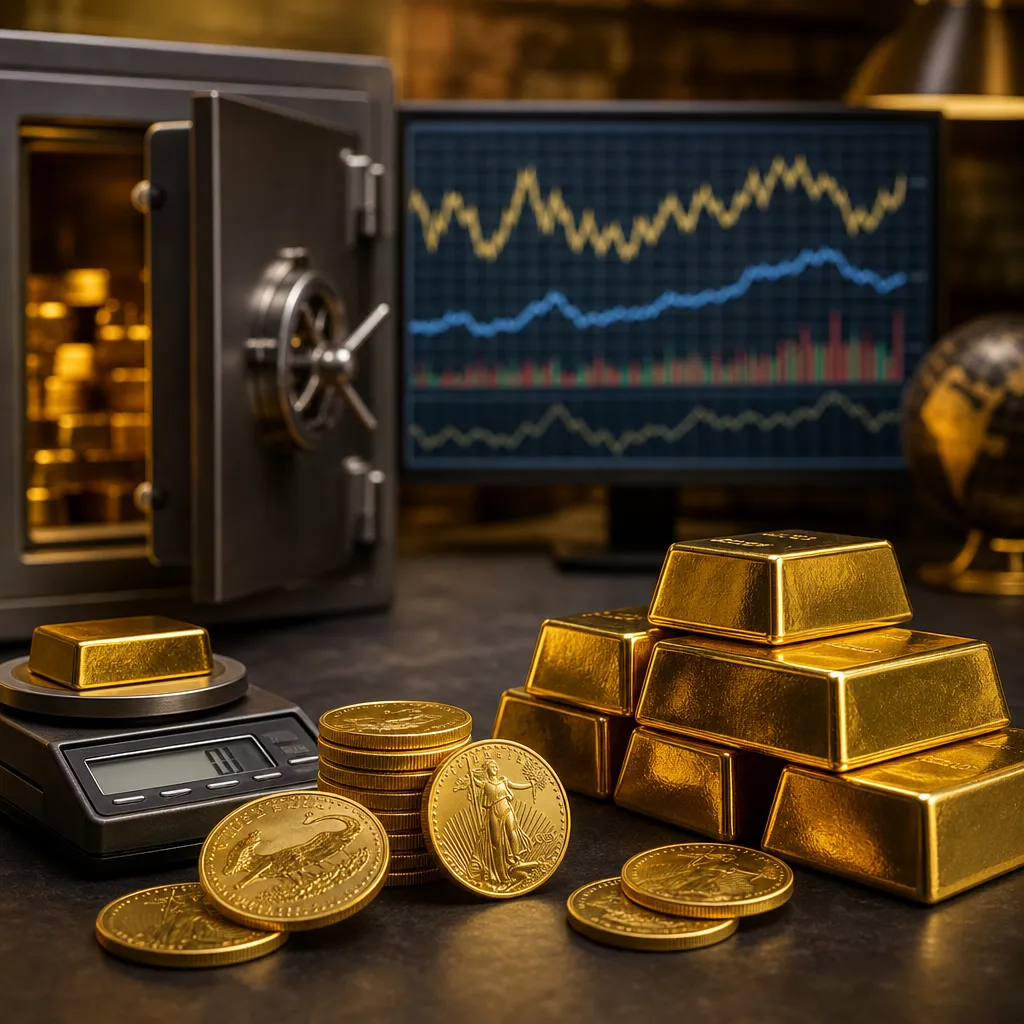
The enduring allure of gold transcends mere aesthetics, manifesting as a pillar of stability in an unpredictable financial landscape. As global markets navigate the tumult of currency fluctuations, monetary policy shifts, and geopolitical tensions, gold persistently demonstrates its capacity to preserve purchasing power and enhance portfolio resilience. This analysis explores the multifaceted role of gold, examining its status as a hedge, the mechanics driving the world gold price, and the strategic rationale underpinning institutional and private demand.
The Enduring Appeal of Gold as a Hedge
For centuries, investors have turned to gold to safeguard wealth. Its reputation as a safe-haven asset is rooted in the metal’s intrinsic qualities: scarcity, universal acceptance, and resistance to corrosion. Unlike fiat currencies, which can be devalued through excessive money printing or subject to policy constraints, gold retains an inherent store of value.
Inflationary Pressures and Purchasing Power
Inflation erodes the real value of paper money, prompting investors to seek protection. Historical analysis reveals that during periods of high inflation, gold prices typically trend upward. This relationship stems from gold’s ability to maintain relative purchasing power when the consumer price index climbs. As central banks around the globe adopt accommodative monetary policies—often expanding their balance sheets—gold emerges as a natural defense against currency debasement.
Currency Volatility and Exchange Rates
Fluctuating exchange rates can undermine economic stability, especially in emerging markets. When local currencies weaken, domestic consumers and businesses often buy gold to hedge against further depreciation. This dynamic is particularly evident in nations experiencing balance-of-payments crises or political instability. Consequently, upward pressure on the world gold price is frequently observed when major currencies undergo stress, reinforcing gold’s reputation as a reliable alternative.
- Preserves real returns in inflationary environments
- Offers diversification against currency devaluation
- Acts as a psychological bulwark during market turmoil
Central Banks and Institutional Demand
Central banks and sovereign wealth funds wield considerable influence over the global gold market. Their decisions to accumulate or divest gold reserves reflect broader strategic objectives, such as enhancing financial stability and diminishing reliance on any single currency.
Diversification of Reserves
Over the past decade, central banks—particularly in Asia and Eastern Europe—have significantly increased gold holdings. This trend underscores a deliberate shift toward reserve diversification. Holding substantial gold reserves can mitigate risks associated with geopolitical conflict and potential sanctions. As a result, official sector purchases have become a driving force behind sustained demand, anchoring the world gold price even when private investment slows.
Geopolitical Considerations
Heightened geopolitical tensions incentivize reserve managers to accumulate non-cash assets. Gold’s appeal in this context is twofold: it provides a liquid resource that transcends national borders, and it cannot be easily frozen or targeted by economic sanctions. This quality is particularly valuable for countries seeking financial autonomy. Consequently, geopolitical risk assessments are now integral to central bank gold acquisition policies.
- Mitigates exposure to a dominant currency like the US dollar
- Serves as an insurance policy against systemic shocks
- Enhances credibility and financial resilience
Price Drivers and Market Dynamics
The fluctuation of the world gold price is influenced by a complex interplay of supply, demand, and investor behavior. Recognizing these forces is crucial for forecasting future trends and understanding gold’s centrality in the global economy.
Mining Supply Constraints
Gold production is inherently limited by geology and the cost structure of extraction. As easily accessible deposits dwindle, mining companies must invest in deeper shafts and more sophisticated technology. These increased production costs can translate to higher prices, especially when demand remains robust. Furthermore, regulatory environments and environmental standards can restrict output growth, tightening supply and exerting upward pressure on prices.
Investment and ETF Flows
Exchange-traded funds (ETFs) have democratized gold investment, allowing retail and institutional investors to gain exposure without physical ownership headaches. Net inflows into gold ETFs often mirror sentiment toward risk assets; during equity sell-offs or bond market stress, gold ETF purchases surge. These aggregated flows can move the world gold price significantly, amplifying the asset’s role in risk-off scenarios.
- ETF inflows reflect collective risk aversion
- Speculative positions can exacerbate short-term price swings
- Physical demand remains a stabilizing force
Technological and Industrial Uses
Beyond its monetary function, gold has numerous industrial applications that contribute to demand. High conductivity and corrosion resistance make gold indispensable in electronics, telecommunications, and medical devices. As technological innovation accelerates—particularly in sectors like renewable energy and 5G infrastructure—industrial demand for gold may increase, supporting its long-term price trajectory.
Electronics and Connectivity
Gold’s superior conductivity and malleability make it ideal for high-reliability connectors, switches, and printed circuit board finishes. In an era of rapid digital transformation, the material’s unique properties ensure efficient performance under challenging conditions, stimulating consistent industrial off-take.
Medical and Dental Applications
Gold’s biocompatibility and resistance to bacterial growth render it valuable in dental restorations, implants, and certain diagnostic instruments. Although medical-grade gold shipments account for a smaller share of overall demand, they contribute to the metal’s multifaceted appeal and long-term relevance.
- Key component in precision electronics
- Essential for cutting-edge medical technologies
- Supports diversification of demand sources
Investor Strategies and Portfolio Construction
Incorporating gold into an investment portfolio demands strategic considerations. Portfolio theory highlights gold’s low correlation with equities and bonds, suggesting that even a modest allocation can enhance overall risk-adjusted returns.
Allocation Models
Advisors often recommend a gold allocation ranging from 5% to 15%, depending on risk tolerance and time horizon. This range strikes a balance between liquidity and the potential for capital appreciation. In periods of heightened uncertainty, some investors temporarily increase exposure, leveraging gold’s hedging properties.
Timing and Market Entry
Market timing in gold requires careful analysis of macro indicators—such as real interest rates, currency strength, and central bank activity. Contrarian investors may view price corrections as buying opportunities, while momentum players seek to ride established trends. Regardless of style, disciplined risk management remains paramount.
- Rebalance allocations to maintain target weightings
- Employ cost-averaging to mitigate volatility
- Monitor macroeconomic indicators for entry and exit signals