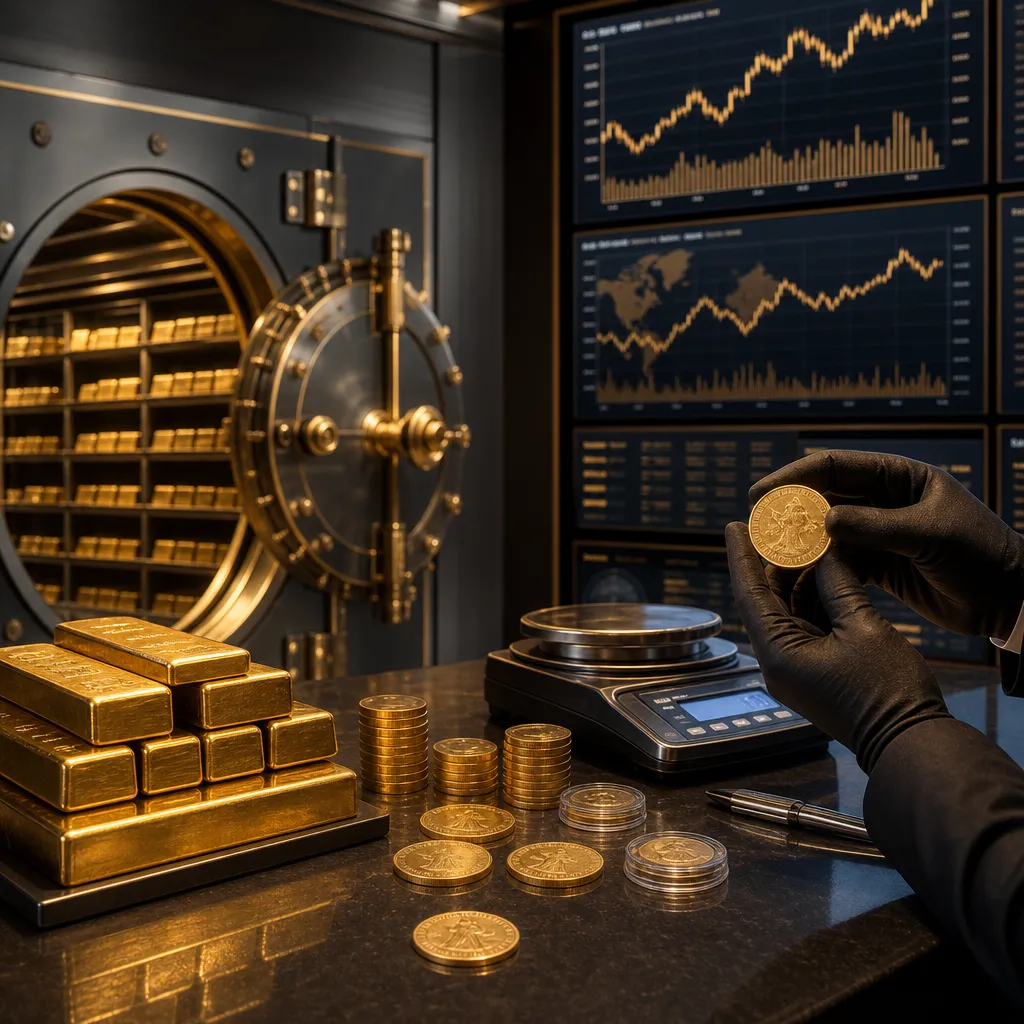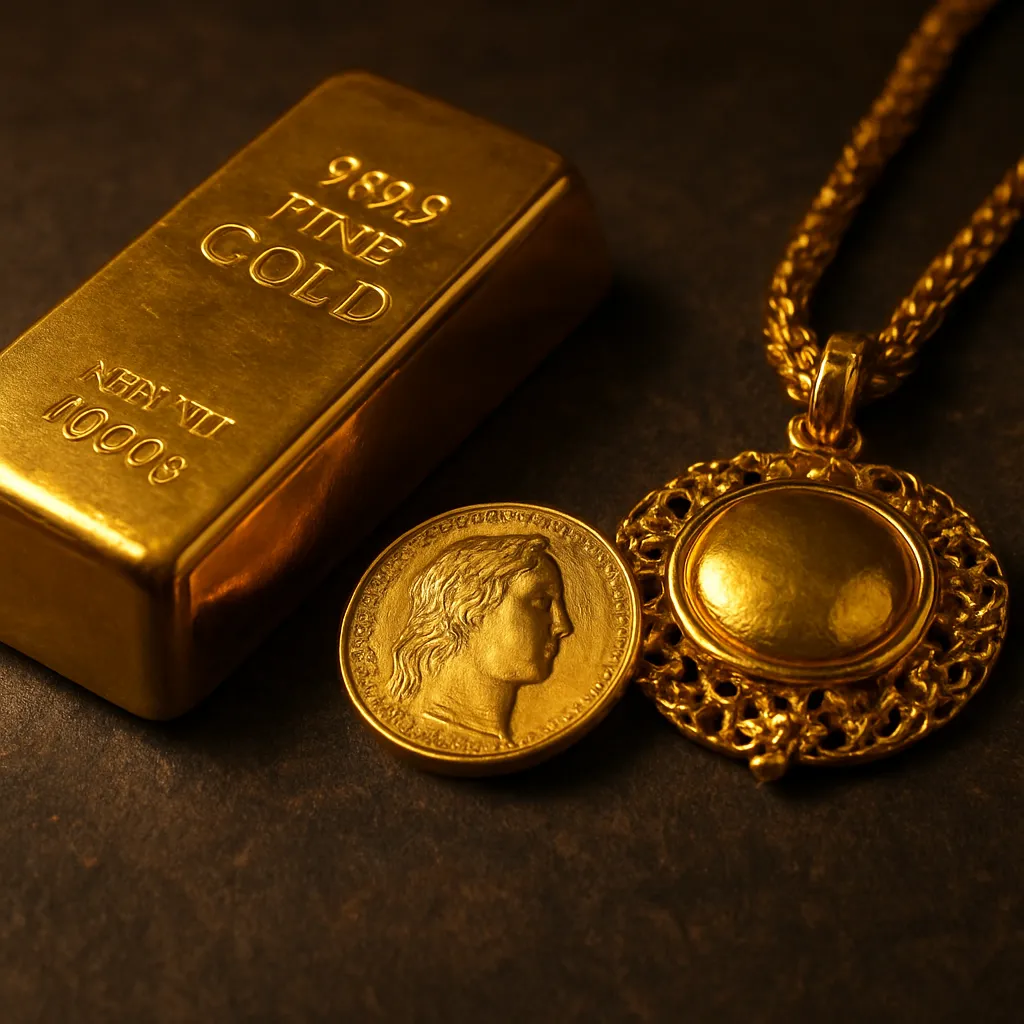
Gold has captivated human imagination for millennia, serving not only as a medium of exchange but also as a potent emblem of wealth and power. From the tombs of ancient pharaohs to the vaults of modern central banks, its allure remains unmatched. This article explores the enduring role of gold in world markets, examines the forces behind its price movements, and considers its cultural resonance across societies.
Historical Significance of Gold Across Civilizations
The story of gold begins in the earliest chapters of human civilization. Ancient Egyptians revered it as the flesh of gods and buried their rulers with lavish gold ornaments. Empires from the Roman to the Byzantine accumulated vast treasuries, minting gold coins that facilitated trade across continents. In Mesoamerica, the Aztecs and Incas prized gold as a sacred metal, using it in religious artifacts and ceremonies. In each of these settings, gold embodied durability and divine favor, forging a direct link between rulers and celestial authority.
During the Medieval and Renaissance eras, European monarchs amassed gold through conquest and colonization, most notably during the Spanish conquest of the Americas. The influx of American gold and silver reshaped financial systems, fueling price revolutions and enabling the rise of nation-states. By the 19th century, the advent of the Gold Standard solidified gold’s status as the backbone of global monetary systems. Nations pegged their currencies to fixed weights of gold, ensuring stability and fostering international trade. This era underscored gold’s function as a universal measure of value and a symbol of economic scarcity.
Fluctuations in World Gold Prices and Market Dynamics
Gold prices endure constant shifts driven by a complex interplay of factors. From investor sentiment to geopolitical tensions, the metal’s price per ounce reflects global dynamics.
- Central bank reserves: Central banks hold gold as part of their foreign exchange reserves, influencing demand when they buy or sell large quantities.
- Geopolitical events: Wars, conflicts, and diplomatic crises often spark safe-haven buying, causing gold prices to rise as investors seek security.
- Currency valuations: A weaker U.S. dollar typically boosts gold’s value in dollar terms, since it takes more dollars to purchase the same quantity of gold.
- Industrial and jewelry demand: Cultural traditions and technological uses drive consumption, particularly in India and China, which together account for a substantial share of global demand.
- Supply constraints: Mining output, exploration successes, and production costs affect available supply, thereby influencing price levels over time.
Influence of Currency Policies
Monetary policy decisions by major economies weigh heavily on gold prices. When central banks adopt accommodative stances—cutting interest rates or expanding balance sheets through quantitative easing—the opportunity cost of holding non-yielding gold diminishes. In such an environment, gold becomes more attractive relative to fiat assets, prompting price appreciation. Conversely, rising interest rates can temper gold demand by making interest-bearing investments more lucrative.
Impact of Supply and Demand
On the supply side, mining companies grapple with declining ore grades, rising labor expenses, and stricter environmental regulations. These factors can constrain production growth and elevate extraction costs, thereby supporting higher prices. Demand, meanwhile, remains robust in jewelry markets and industrial applications, including electronics and medical devices. Shifts in consumer preferences—such as rising demand for sustainable or conflict-free gold—also shape market trends.
Gold as a Hedge and Investment in the Modern Era
Investors worldwide view gold as a reliable hedge against inflation and currency debasement. During periods of accelerating consumer prices, gold often outperforms paper assets, preserving purchasing power. Additionally, when stock markets falter or geopolitical shocks unsettle financial systems, gold’s uncorrelated performance offers a form of portfolio diversification.
- Exchange-Traded Funds (ETFs): Gold-backed ETFs have democratized access, enabling retail and institutional investors to gain exposure without owning physical bullion.
- Physical bullion and coins: Bars and numismatic coins provide direct ownership and the psychological comfort of holding a tangible asset.
- Futures and options: Derivative markets offer leverage and strategic positioning, though they carry counterparty and margin risks.
- Digital gold platforms: Fintech innovations allow fractional ownership stored in secure vaults, blending convenience with the traditional value proposition of gold.
The interplay between gold and global financial trends remains dynamic. For instance, the rise of negative-yielding government bonds has accentuated gold’s appeal by removing interest rate opportunity costs. Meanwhile, concerns about government debt levels and fiscal deficits—particularly in major economies—have intensified gold’s role as a sovereign alternative to unstable fiat currencies. As central banks accumulate or divest gold reserves, headlines amplify price momentum, further reinforcing the metal’s status as a financial cornerstone.
Cultural and Symbolic Power of Gold
Beyond its market performance, gold retains profound cultural significance. In many societies, it symbolizes prosperity, good fortune, and achievement. Consider the tradition of gifting gold jewelry at weddings across South Asia or the awarding of gold medals at the Olympic Games. These practices underscore gold’s universal resonance as a token of excellence and commitment.
Artisans continue to craft intricate gold artifacts, from temple statues in Southeast Asia to filigree ornaments in the Middle East. Festivals such as Diwali in India witness surges in gold purchases, driven by beliefs in auspiciousness and family heritage. In the corporate world, gold-plated trophies and medallions commemorate milestones, reinforcing the link between gold and ultimate success.
Modern luxury brands incorporate gold into watches, electronics, and high-end fashion, further cementing its association with exclusivity. Even in digital realms, “gold” terminology persists—video game currencies, platinum loyalty tiers, and exclusive memberships all borrow the language of gold to signal premium status.
Key Takeaways
- Gold’s enduring value arises from its unique combination of scarcity and physical durability.
- Market forces such as monetary policy, supply constraints, and investor sentiment drive global price fluctuations.
- As a hedge against inflation and currency risk, gold remains a central component of diversified portfolios.
- Culturally, gold transcends economic function, symbolizing tradition, achievement, and enduring tradition.