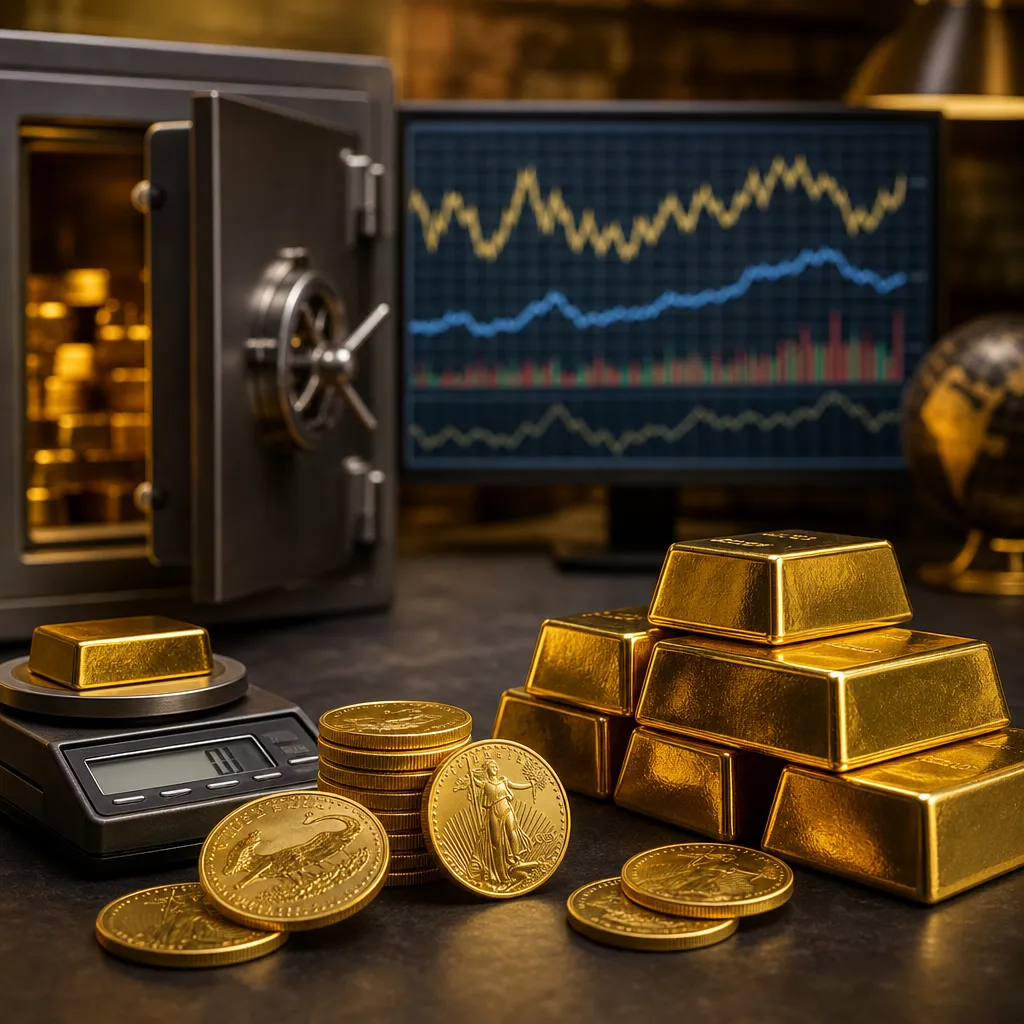
The enduring allure of gold transcends generations, embodying both cultural significance and financial might. As global economies navigate cycles of expansion and contraction, the yellow metal frequently shines brightest when other assets falter. This article delves into the forces behind why world gold prices often peak during economic slowdowns, examining the interplay of market sentiment, monetary policy, and investor behavior.
Understanding Gold as a Safe Haven
Gold’s reputation as a safe haven asset rests on centuries of trust and proven resilience. Unlike fiat currencies, which can be subject to devaluation through monetary expansion, gold maintains intrinsic value due to its scarcity, physical properties, and universal acceptance. The following factors underpin this status:
- Historical Precedent: Throughout economic crises—from the Great Depression to the 2008 financial crisis—gold has served as a hedge against turmoil.
- Finite Supply: Mine output is limited, and no central authority can arbitrarily produce more bullion, reinforcing its value over time.
- Global Liquidity: Markets for gold bullion, bars, coins, and exchange-traded funds (ETFs) operate around the clock, offering deep liquidity for buyers and sellers worldwide.
- Currency Diversification: Holding gold provides an alternative to exposure in any single currency, mitigating inflation and currency devaluation risks.
Psychological Comfort in Uncertain Times
Investor psychology plays a vital role. When equity markets plummet or credit conditions tighten, gold emerges as a psychological anchor. The metal’s tangible nature and centuries-old heritage offer comfort against economic volatility. Central bank buying further cements this confidence, with many institutions adding gold to enhance balance sheet resilience.
Economic Slowdowns and Price Spikes
The dynamics of economic downturns create fertile ground for surging gold prices. During recessions or periods of decelerated growth, several forces converge:
- Risk-Off Sentiment: Investors retreat from riskier assets (stocks, high-yield bonds) and flock toward gold, driving up demand.
- Monetary Easing: Central banks often slash interest rates and deploy quantitative easing to stimulate activity, eroding real yields on bonds and increasing gold’s appeal as a non-yielding asset.
- Currency Weakness: Aggressive monetary policy can weaken domestic currencies, prompting both domestic and foreign investors to shift capital into gold to preserve purchasing power.
- Inflationary Expectations: Although inflation may initially dip during a slowdown, expansive policy can spark future price rises, leading investors to preemptively accumulate gold as an inflation hedge.
Case Study: 2008–2009 Financial Crisis
During the 2008 collapse, gold began the year near $850 per ounce. As Lehman Brothers fell and global credit seized, price briefly dipped in panic selling but quickly rebounded. By early 2009, gold surged past $1,000, buoyed by unprecedented monetary stimulus. Investors worldwide recognized gold’s utility in preserving stability amid bank failures, corporate bankruptcies, and collapsing property markets.
Recent Slowdowns: Quantitative Insights
Analysis of the COVID-19 slowdown reveals a similar narrative. In Q1 2020, global equity markets plunged over 30%. Simultaneously, gold climbed from approximately $1,500 to above $1,800 within months. Low yields on government securities and massive fiscal stimulus packages further fueled the rally, underscoring the metal’s role as a barometer of economic stress.
Global Market Dynamics and Central Bank Policies
World gold price movements are not solely driven by private investors. Central banks and sovereign wealth funds exert significant influence:
- Reserve Management: Many central banks maintain gold reserves as a strategic asset. During slowdowns, they may increase their holdings to diversify away from foreign currency reserves.
- Intervention and Sales: Some authorities engage in sell-offs to stabilize local currencies or raise liquidity, though such moves are rare during downturns given gold’s anti-fragility.
- Emerging Market Strategies: Nations with large current account surpluses (e.g., China, India) continue to add to gold depths as part of broader efforts to hedge external vulnerabilities.
Gold Leasing and Swap Lines
Periods of extreme stress occasionally see central banks offering gold leasing or swap facilities, exchanging physical metal for cash to guarantee liquidity in bullion markets. These mechanisms, utilized sparingly, signal the metal’s importance in systemic risk management and further support prices when private demand spikes.
Investment Strategies for Turbulent Times
For individual investors and institutions, integrating gold into a well-balanced portfolio can enhance resilience. Consider the following approaches:
- Physical Bullion: Direct ownership of bars and coins provides ultimate control but requires secure storage and insurance.
- Exchange-Traded Funds (ETFs): Gold-backed ETFs offer easy access, liquidity, and the convenience of trading through brokerage accounts.
- Mining Equities: Shares of gold mining companies can leverage movements in metal prices, though they introduce operational risks and equity-market correlation.
- Futures and Options: Derivative contracts enable strategic positioning, permitting hedging or speculative plays on price swings and implied volatility.
- Digital Gold: Emerging platforms allow fractionalized ownership of physical gold, combining convenience with on-chain proof of reserve.
Key Considerations
When adding gold to a portfolio, investors should weigh:
- Diversification Goals: Aim for a 5–15% allocation to smooth returns during downturns.
- Cost Structures: Compare storage fees, management expenses, and bid-ask spreads across products.
- Correlation Trends: Monitor the correlation between gold and other assets, adjusting exposure as macro conditions evolve.
- Tax Implications: Understand capital gains treatments, particularly for physical bullion versus financial instruments.
Future Outlook and Speculative Drivers
While past patterns offer guidance, future performance hinges on evolving fundamentals:
- Monetary Trajectories: Continued rate cuts or renewed quantitative easing could reignite gold demand.
- Geopolitical Risks: Heightened tensions, supply chain disruptions, or trade disputes often translate into gold rallies.
- Technological Innovation: Advances in mining, recycling, or synthetic alternatives may influence long-term supply dynamics.
- Environmental, Social, Governance (ESG) Concerns: Investors increasingly assess mining practices, potentially shifting flows toward greener projects and certified sources.
In sum, gold’s performance during economic slowdowns reflects a confluence of monetary policy, investor psychology, and institutional strategy. As global markets grapple with uncertainty, the metal remains a cornerstone for those seeking stability and a hedge against the unpredictable.