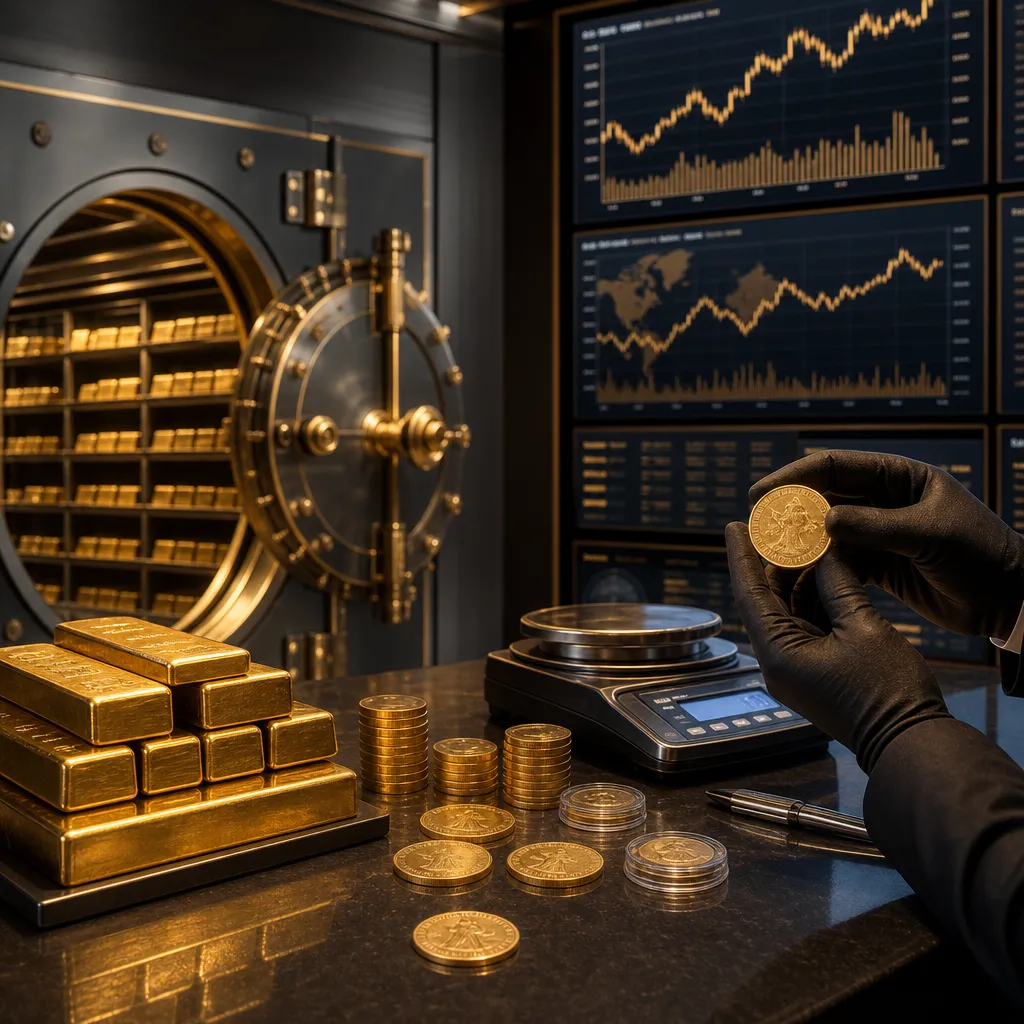
In many regions of the world, the approach of major holidays and festivals triggers a significant surge in gold purchases. This phenomenon intertwines cultural practices, financial strategies, and global market forces. By examining the interplay of these elements, investors and observers can gain a deeper understanding of why gold sales peak during festive seasons and how such patterns influence the broader markets.
Cultural and Traditional Drivers of Gold Buying
Across continents, gold has long held a prominent place in wedding ceremonies, religious observances, and family gatherings. In South Asia, for instance, the wedding season coincides with festivals like Diwali, leading to heightened demand for jewelry. Families view gold as both a symbol of prosperity and a tangible store of value. It is customary for brides to receive gold ornaments, not only as gifts but also as a form of long-term savings.
Festivals as Catalysts
- Diwali in India: Celebrated between October and November, Diwali motivates consumers to buy gold as “lucky” purchases, often during auspicious dates.
- Chinese New Year: Red packets and gold gifts symbolize good fortune, driving significant bullion and jewelry sales.
- Eid al-Fitr and Eid al-Adha: In Muslim-majority countries, many families purchase gold items for gifting and personal use.
During these festivals, jewelers offer discounts, special packaging, and zero-interest loans, further stimulating consumption. The emotional appeal of owning a precious metal during a time of family reunions and religious observance reinforces the pattern year after year. This cultural factor alone can swing local markets, leading to spikes in prices as jewelers and wholesalers stock up months in advance to meet anticipated volume.
The Role of Tradition in Wealth Preservation
In countries with limited access to formal banking or investment products, gold functions as a primary vehicle for wealth preservation. Rural communities often prefer to hold physical assets, and major holidays present an opportune moment to exchange cash savings into a more stable form. In such contexts, gold is viewed not merely as adornment but as a hedge against inflation and currency devaluation. Tradition and financial prudence merge to create patterns of seasonal buying that influence both domestic and international gold flows.
Economic and Investment Factors
Beyond cultural impulses, there are clear economic motivations for the uptick in gold demand before holidays. Investors often rebalance portfolios or add fresh capital to precious metals funds, taking advantage of pre-festival promotions. Institutional buyers, including hedge funds and central banks, may also increase their bullion holdings in anticipation of end-of-year accounting adjustments and portfolio diversification strategies.
Central Bank Activity
Major central banks periodically adjust their reserves, and the end of the fiscal year for many institutions aligns closely with global holiday seasons. An increased appetite for gold as a reserve asset can temporarily tighten supply on the London Bullion Market, contributing to upward pressure on wholesale prices. Since central banks often purchase large volumes, even a small uptick in orders can lead to noticeable shifts in global spot rates.
Retail Investment Vehicles
Exchange-traded funds (ETFs) backed by physical gold experience inflows when fund managers anticipate higher demand. In some cases, ETFs reflect gold jewelry sales indirectly—retail investors mirror consumer behavior by buying shares when they see promotions and media coverage of record festival purchases. Low interest rates and geopolitical uncertainty also prompt investors to park money in bullion, viewing it as a less risky alternative to equities or currencies.
- Margin financing: Many jewelers and dealers extend credit lines pre-festival, allowing customers to purchase gold with deferred payment plans.
- Digital gold platforms: Online apps enable small investors to accumulate fractions of bullion with no storage hassle, further expanding the market.
Global Market Dynamics and Price Volatility
Seasonal gold demand does not occur in isolation. It coincides with broader economic trends and geopolitical developments. For example, trade tensions between major economies can push investors toward safe havens just as consumer spending spikes. This convergence amplifies volatility and can generate sharp movements in spot and futures markets.
Supply Chain Constraints
Mining output tends to be relatively steady month to month, meaning that any sudden increase in demand strains the existing supply chain. Refineries ramp up production, but logistical delays—often exacerbated by holiday closures in key refining centers such as Switzerland—can lead to temporary shortages. This mismatch between supply and demand frequently results in premium charges in regional markets, especially in Asia.
Price Formation in Key Trading Hubs
The London Bullion Market Association (LBMA) and New York’s Commodity Exchange (COMEX) are pivotal in setting global price benchmarks. As holiday-related demand peaks in the Asian time zone, Asian Premiums (the additional cost above the London spot price) tend to rise. Arbitrageurs and high-frequency traders monitor these premiums closely. Increased premiums feed back into futures pricing, creating a self-reinforcing cycle of upward price adjustments.
- Asia Premiums: Typically highest during festival seasons in India and China, sometimes adding several dollars per ounce.
- Exchange Rates: Local currency depreciation further fuels gold demand. When a currency weakens, gold becomes relatively cheaper for buyers using stronger currencies, boosting import volumes.
- Hedging Activity: Jewelers hedge in forward markets to lock in raw material costs, influencing futures curves.
As festivals end and central banks complete their quarterly reports, some of the extra buying pressure subsides. However, the effects linger: traders who anticipated festival-driven price rises may hold positions longer, and investors concerned about post-celebration corrections might buy protective options. Consequently, the market can remain active well into the new year, smoothing out the transition from seasonal demand spikes to normal trading levels.
Emerging Trends and Future Outlook
New technologies and shifting consumer behaviors are reshaping the seasonal gold narrative. Mobile payment integration and blockchain-based provenance tracking are making gold more accessible and transparent. Younger buyers, especially in urban areas, combine traditional inclinations with digital convenience, fueling micro-investment models. At the same time, environmental, social, and governance (ESG) considerations in mining operations are influencing institutional allocations. As these trends evolve, holiday-related demand patterns are likely to adapt, potentially smoothing out the peaks but sustaining overall demand growth for this timeless asset.
The interplay of tradition, financial strategy, and global market forces ensures that gold will continue to shine brightly during festive seasons. By understanding these underlying mechanics, stakeholders can position themselves to benefit from or mitigate the effects of the holiday demand cycle, wherever they operate in the ever-dynamic world gold market.