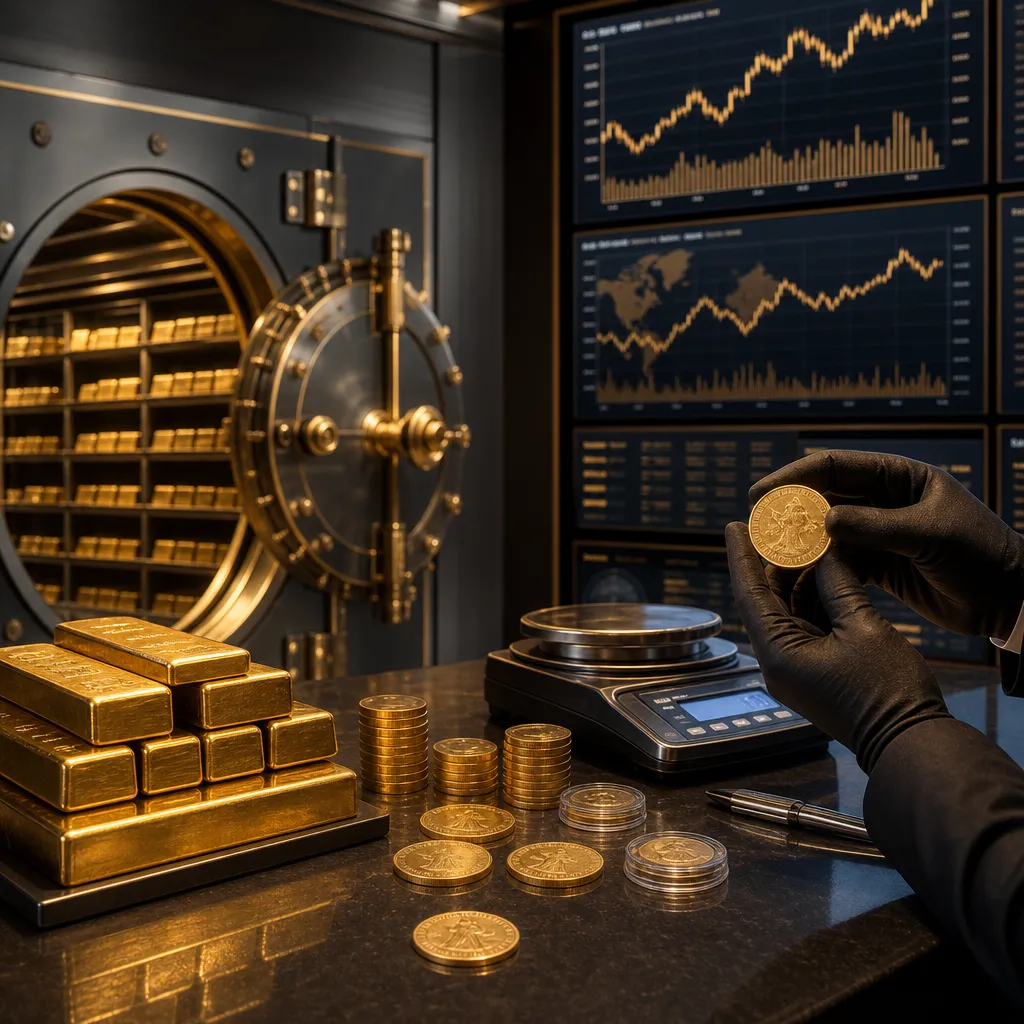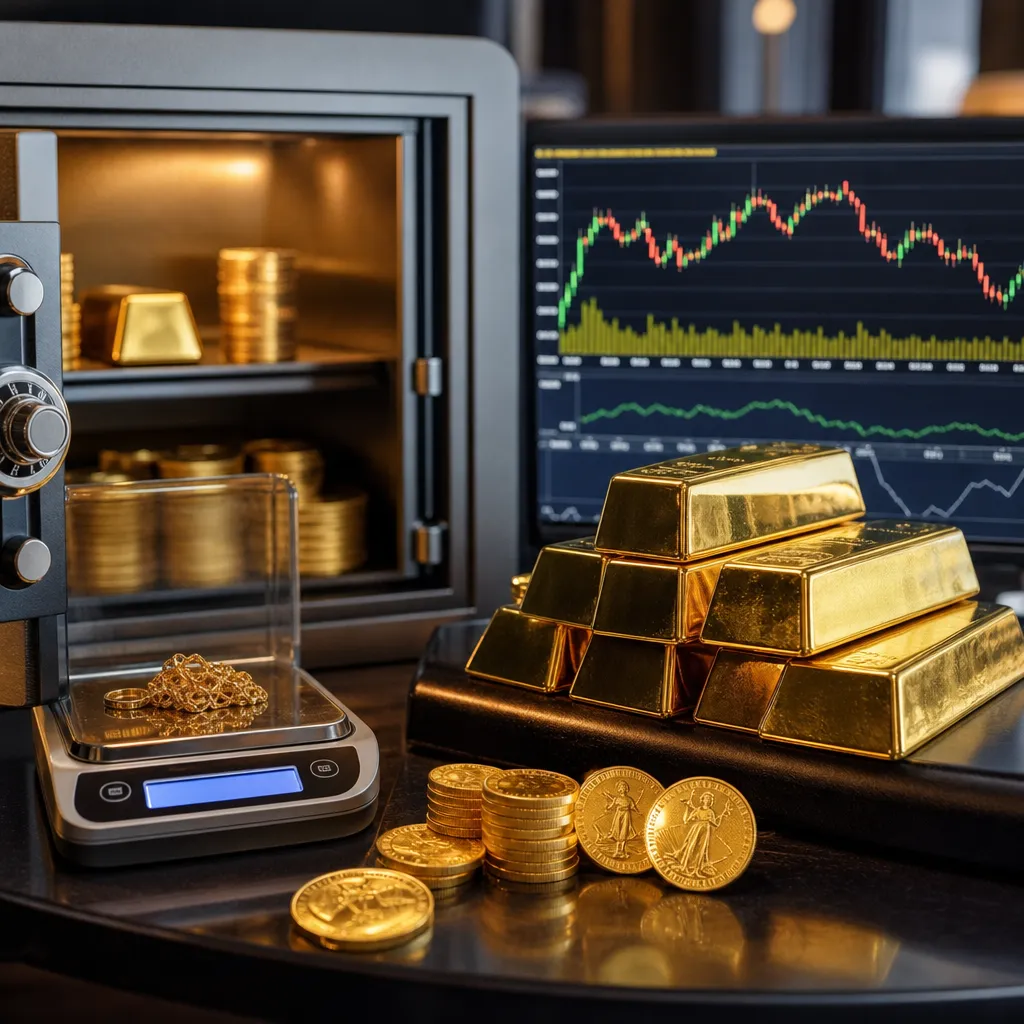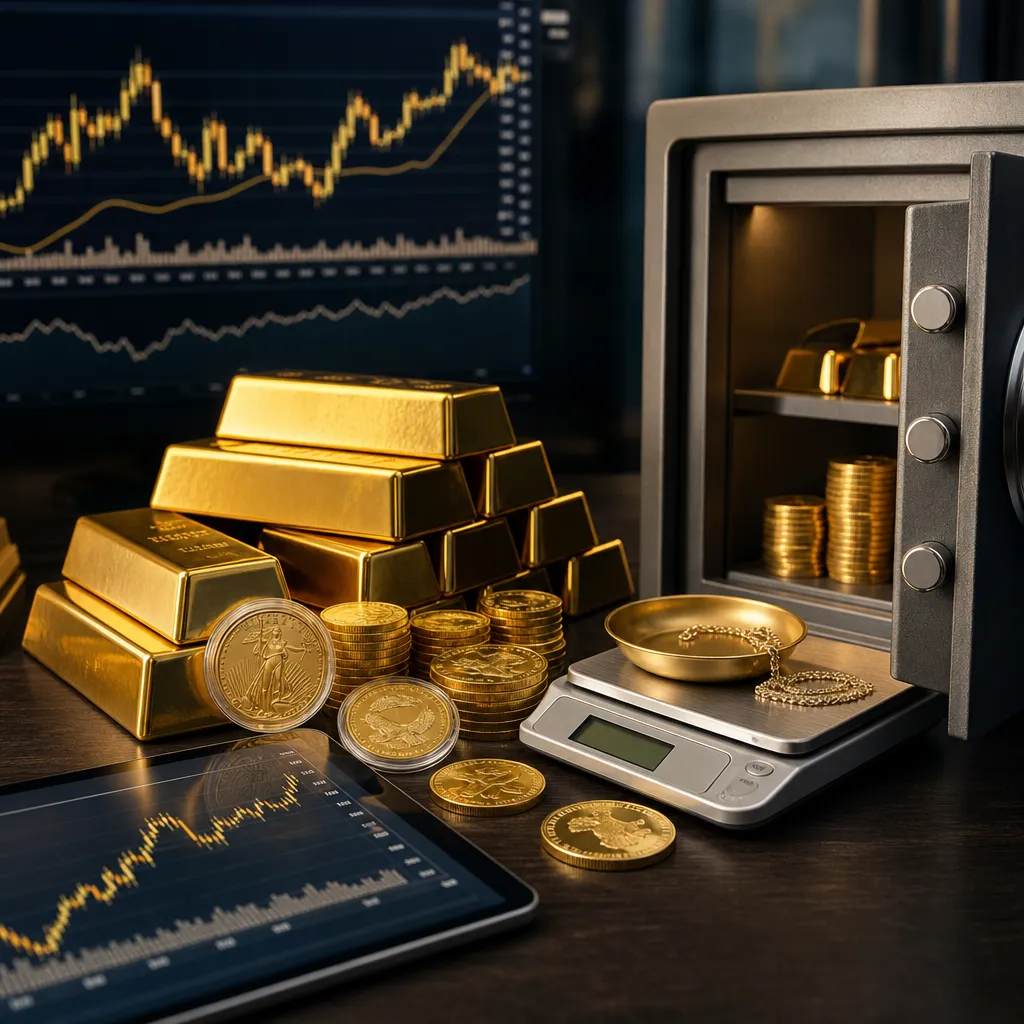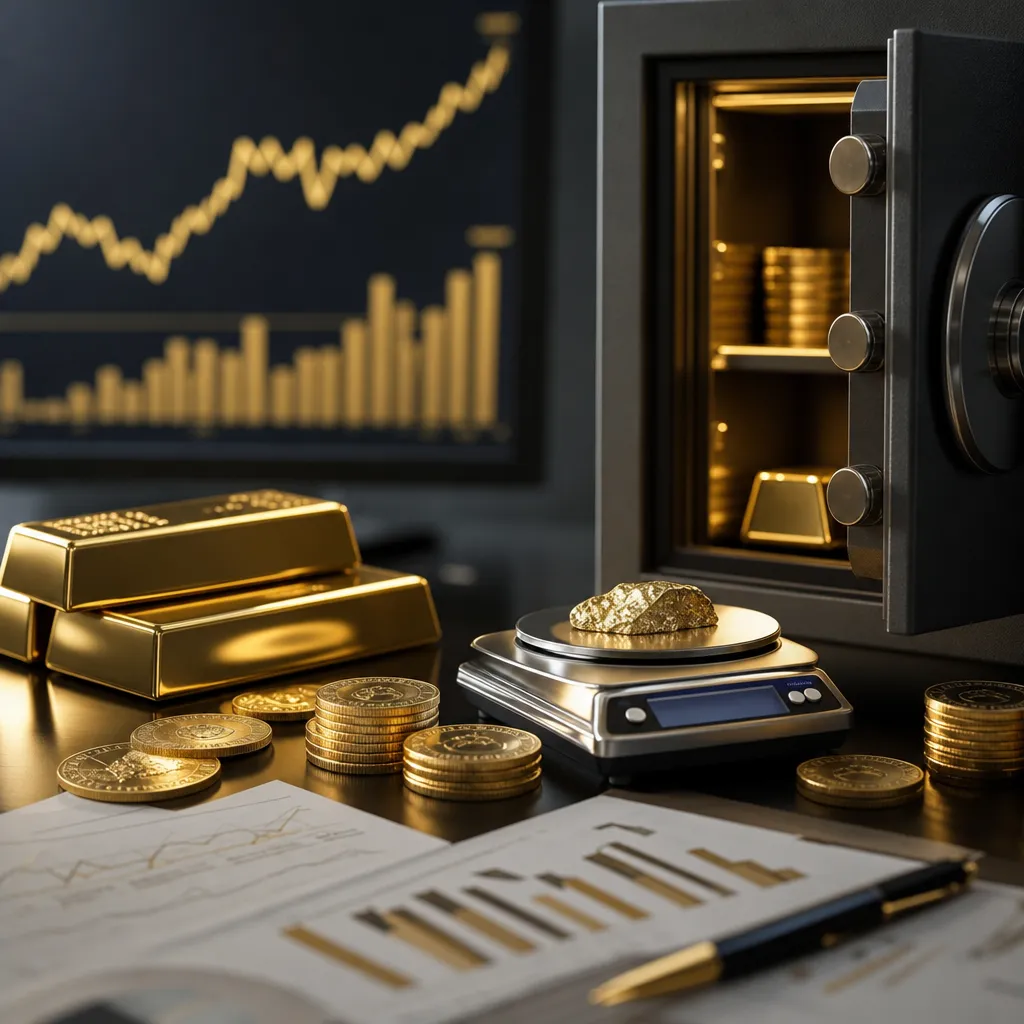
Gold’s enduring allure transcends mere ornamentation, underpinning global markets and financial strategies with a unique blend of physical resilience and economic significance. Recognized for its exceptional resistance to tarnish, gold remains a cornerstone for investors seeking stability. As market participants evaluate shifts in supply, demand, and geopolitical uncertainty, understanding how corrosion resistance bolsters gold’s status can illuminate its trajectory in world gold price movements. This article delves into the multifaceted forces driving gold valuation, explores why its chemical stability matters economically, and forecasts the metal’s path amid evolving global conditions.
Global Drivers of World Gold Prices
World gold prices do not emerge in isolation; they respond to a complex interplay of factors spanning macroeconomic trends, monetary policy decisions, and investor sentiment. Among the most influential are:
- Inflation hedge: Historically, gold has served as a bulwark against eroding purchasing power. When consumer prices surge, many investors pivot into bullion, anticipating that real returns on fixed-income assets will be undercut by rising costs.
- Monetary policy: Central banks around the world regularly adjust interest rates to manage economic growth and price stability. Lower interest rates reduce the opportunity cost of holding non-yielding assets like gold, often driving up demand and prices.
- Currency fluctuations: As the U.S. dollar weakens, gold priced in dollars becomes cheaper for holders of other currencies. This dynamic can stimulate cross-border purchases, lifting global price levels.
- Safe haven appeal: During periods of market distress or geopolitical tension, investors often flock to gold to preserve capital. High-profile crises—from trade wars to regional conflicts—can trigger rapid inflows into exchange-traded funds (ETFs) backed by bullion.
- Central banks reserves: Official sector acquisitions and disposals of gold reserves influence market balances. When major central banks add to their hoards, it signals confidence in gold’s role as a financial anchor, boosting prices.
Supply Constraints and Mining Output
Global gold production faces geological and logistical challenges. Mines in remote regions, stringent environmental regulations, and rising extraction costs all contribute to limited incremental supply. Exploration success rates have declined, while many existing mines approach peak output or depletion. In response, producers channel funds into improved technologies and energy-efficient processes to sustain yields. Even so, supply constraints often underpin bullish forecasts for gold, especially when consumer and investment demand remains robust.
Demand Drivers Across Sectors
Gold consumption spans multiple sectors, each with distinct motivations:
- Jewelry: Accounting for roughly half of annual demand, cultural traditions and seasonal festivals in regions like South Asia and East Asia maintain resilient appetite.
- Investment: Bars, coins, and ETFs provide individuals and institutions with direct exposure. Financial innovations such as digital gold tokens further expand access for retail investors.
- Industrial and technology: While a smaller share, gold’s exceptional conductivity and corrosion resistance render it indispensable in electronics, aerospace, and medical devices.
- Central banks: Strategic accumulation of bullion serves as a diversification strategy against fiat currency risk.
Collectively, these elements shape net demand. Shifts in any segment can ripple across spot and futures markets, influencing price trajectories.
The Economic Impact of Gold’s Corrosion Resistance
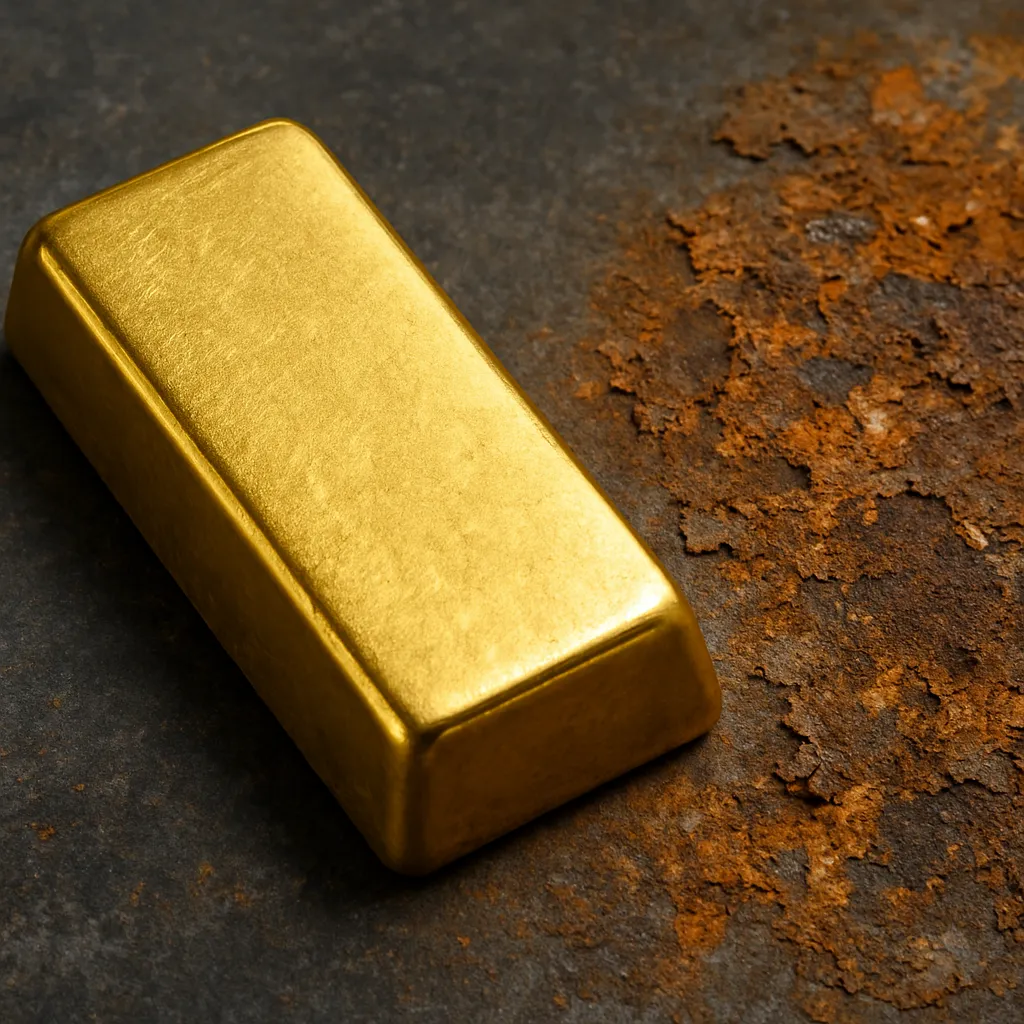
Gold’s remarkable resistance to oxidation and chemical degradation distinguishes it from most metals. This intrinsic stability confers several economic advantages:
- Longevity: Gold artifacts and bullion retain their luster indefinitely, minimizing storage losses and insurance costs. Investors value this permanence as a form of capital preservation.
- Recyclability: Electronic scrap yields high-purity gold recoverable via established refining processes. The metal’s persistence in small components enhances circular economy models and reduces reliance on new mining.
- Cultural symbolism: Pristine gold artifacts in museums and religious contexts underscore the metal’s near-eternal quality, reinforcing trust and desirability across generations.
- Jewelry quality: Superior tarnish resistance ensures that high-end ornaments maintain their sheen, sustaining premium retail pricing and healthy margins for manufacturers.
By minimizing losses from corrosion, gold exhibits a cost-of-ownership edge over metals like silver or copper, which demand more frequent maintenance or replacement in industrial applications. That edge strengthens gold’s stature as a stable reserve asset.
Gold in Technology and Industry
Beyond finance and adornment, gold plays a critical role in specialized industries:
- Electronics: Thin gold layers on connectors prevent signal loss due to corrosion, increasing device longevity.
- Aerospace: Gold-coated components reflect infrared radiation, shielding spacecraft interiors from extreme temperatures.
- Medicine: Gold-based compounds facilitate precise diagnostics and treatments, leveraging the metal’s biocompatibility and inertness.
These high-value niches underscore how corrosion resistance translates into measurable economic benefits. Firms integrating gold into their products often justify premium prices by highlighting enhanced reliability and extended service life.
Geopolitical Risks and Market Sentiment
International tensions and policy shifts frequently spark sudden recalibrations in gold prices. Key considerations include:
- Geopolitical risks: Conflicts, sanctions, and diplomatic standoffs can disrupt commodity flows and financial markets, prompting a shift to bullion as a protective asset.
- Trade dynamics: Tariffs and export controls impact industrial demand by raising input costs or limiting access to refined gold.
- Regulatory frameworks: Changes in capital controls, taxation of precious metals, or environmental rules governing mining have immediate implications for supply chains.
Sentiment-driven trading can amplify price swings, especially when algorithmic strategies react to real-time headlines. As volatility spikes, margin calls and forced liquidations may trigger further gyrations, highlighting gold’s dual character as both a refuge and a speculative instrument.
Future Outlook for Gold Markets
Looking ahead, several trends promise to shape world gold price evolution:
- Monetary expansion: In many economies, central banks maintain accommodative stances to support post-pandemic recoveries. Persistently low or negative policy rates will likely sustain appetite for non-yielding assets.
- Digital transformation: Blockchain-based vaulting and tokenized gold platforms may broaden investor access while enhancing transparency in provenance and custody.
- Environmental considerations: Stricter sustainability criteria and carbon pricing could elevate production costs, tightening supply and underpinning long-term price support.
- Emerging market demand: As personal wealth grows in regions like Southeast Asia and Latin America, retail gold purchases could climb, reinforcing jewelry and investment segments.
Institutional managers are increasingly integrating gold into diversified portfolios, recognizing its low correlation with equities and bonds. By operating as an inflation hedge and portfolio stabilizer, gold adoption across pension funds and sovereign wealth funds may accelerate, adding another layer of support to price trends.
Strategies for Investors
Market participants can engage with gold through various vehicles:
- Physical bullion: Direct ownership provides tangible exposure but entails storage and security considerations.
- Exchange-traded funds: ETFs offer liquidity and low transaction costs, albeit with counterparty and management fee risks.
- Futures and options: Derivatives enable leveraged plays or protective hedges but require active monitoring and margin maintenance.
- Mining equities: Share prices of gold producers amplify movements in the underlying metal, presenting opportunities for amplified gains or losses.
Effective gold allocation strategies often balance these instruments to optimize liquidity, cost efficiency, and risk management. Incorporating investment portfolios with a designated gold weighting can reduce overall volatility and enhance returns during turbulent market phases.
Conclusion
The unique blend of chemical purity and economic utility positions gold as a versatile asset class. From its corrosion resistance that preserves intrinsic value to its role as a global financial anchor, gold continues to captivate investors and industries alike. Understanding the myriad factors that shape world gold prices—spanning macroeconomic policy, supply-demand intricacies, and geopolitical developments—enables more informed decision-making. As markets evolve, gold’s timeless characteristics and strategic appeal are poised to sustain its status as a vital component of diversified portfolios and industrial applications.